Key takeaways
- Grease stays where it is applied and helps seal out dirt and water; oil flows, cools and carries contaminants away to filters.
- Most rolling bearings in industry are grease-lubricated because grease is simple and needs little equipment.
- Oil is preferred for high speeds, high temperatures, large gearboxes and wherever heat must be removed.
- Semi-fluid greases (NLGI 00–000) bridge the gap in small gearboxes and central lubrication systems.
- The equipment design usually decides: follow the maker’s instructions before changing lubricant type.
Choosing between grease and oil is the first lubrication decision for any bearing, gear or chain. Both use base oil to separate surfaces; the difference is that grease holds that oil in a thickener so it stays in place. This guide compares the two and gives practical rules. If you have already decided on grease, see how to choose an industrial grease; for oils, see gear oil selection.
What is the difference between grease and oil lubrication?
Grease is base oil held in a thickener, a kind of sponge. In service, the thickener releases a little oil at a time to the contact. Oil lubrication supplies the oil directly, by splash, bath, drip, mist or circulation. Because oil flows, it can remove heat and contaminants; because grease does not flow, it stays put, needs no oil-tight housing and helps seal the bearing.
Grease vs oil compared
| Factor | Grease | Oil |
|---|---|---|
| Stays in place | Yes | Needs a sealed housing or circulation system |
| Sealing against dirt and water | Helps seal | Depends on seals; can carry contaminants to filters |
| Cooling | Poor | Good, especially circulating systems |
| Speed capability | Limited by grease type (speed factor) | Higher |
| Temperature limit | Limited by thickener and base oil | Higher with circulation and cooling |
| Equipment needed | Grease gun, nipples, sometimes single-point lubricators | Housing, level gauge, sometimes pumps, filters and coolers |
| Condition monitoring | Harder | Easy with oil analysis |
| Leakage risk | Low | Higher |
| Typical uses | Most rolling bearings, slow gears, open gears, chains, sliding surfaces | Gearboxes, high-speed or hot bearings, hydraulics, turbines, compressors |
When should I use grease?
- Rolling bearings at normal speeds and temperatures, such as motors, pumps, fans and conveyors.
- Places where oil would leak or where a sealed housing is impractical.
- Dusty, sandy or wet environments, where grease helps keep contaminants out.
- Infrequent maintenance, sealed-for-life bearings or points served by automatic lubricators.
- Vertical shafts and slow, heavily loaded plain bearings.
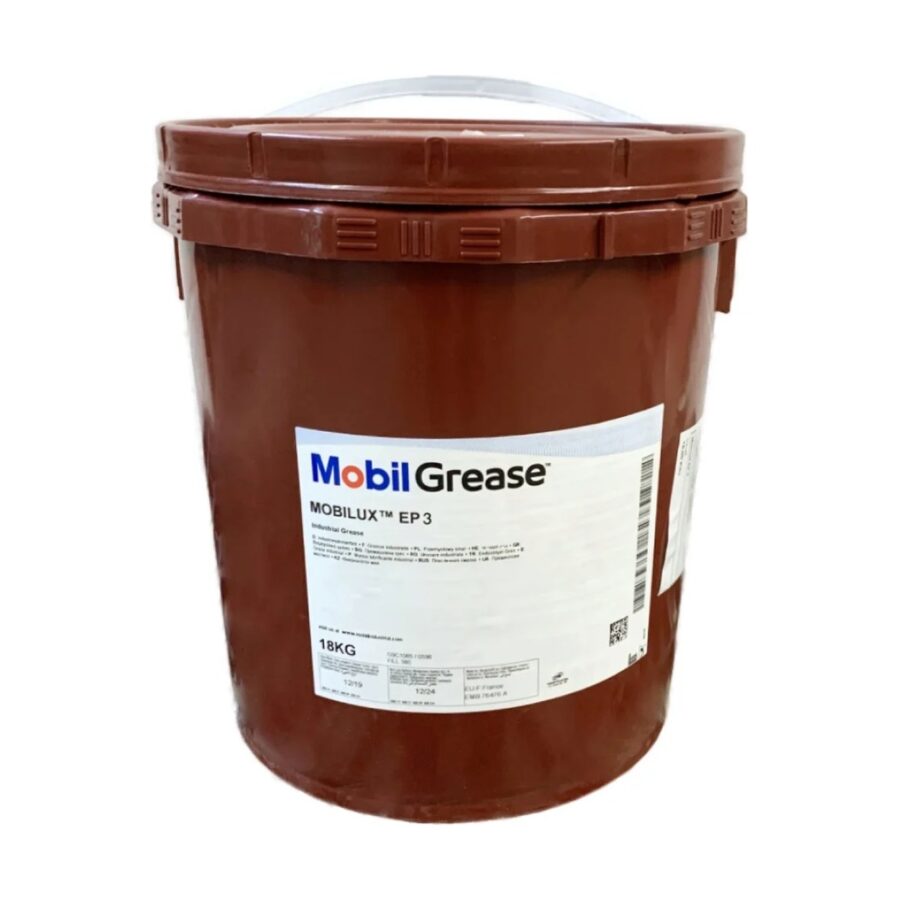
A general bearing grease such as Mobilux EP 2 covers many of these points. Dust is a particular concern in the GCC; see protecting bearings from dust and sand.
When should I use oil?
- High-speed bearings above the speed limit of available greases.
- High temperatures where heat must be carried away from the bearing.
- Enclosed gearboxes, where splash or circulating oil lubricates gears and bearings together.
- Systems with filtration and condition monitoring, such as turbines and large circulating systems.
- Where the equipment maker specifies oil lubrication.
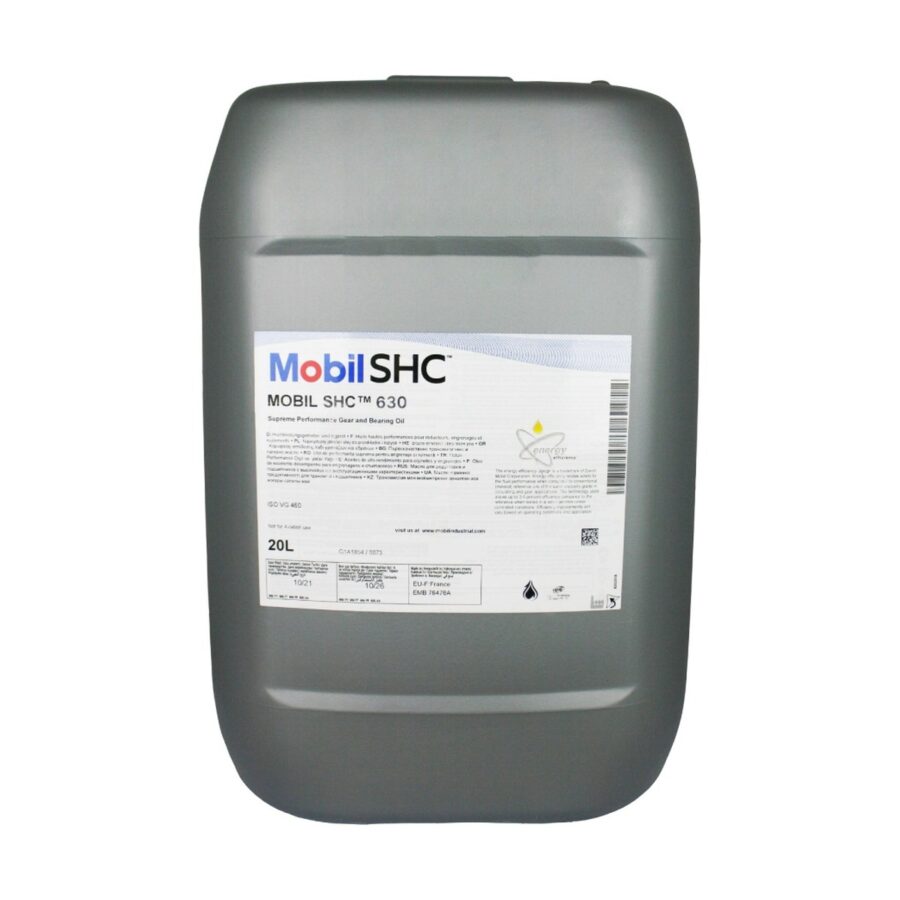
For enclosed gearboxes, gear oils such as Mobil SHC 630 (PAO) or Mobilgear 600 XP (mineral) are typical. See ISO VG viscosity grades for choosing the viscosity.
How does speed affect the choice?
Grease suitability is often checked with the speed factor n × dm (shaft speed in rpm × mean bearing diameter in mm). Standard greases are usually suitable up to a few hundred thousand mm/min; speciality high-speed greases go much higher. Kluber VARILUB NBU 15/300, for example, lists a speed factor of about 1,000,000 mm/min, and ISOFLEX PDL 300A lists the same figure. Above what the grease can handle, oil (often oil-air or oil mist) is used. See spindle bearing greases compared.
What about semi-fluid grease?
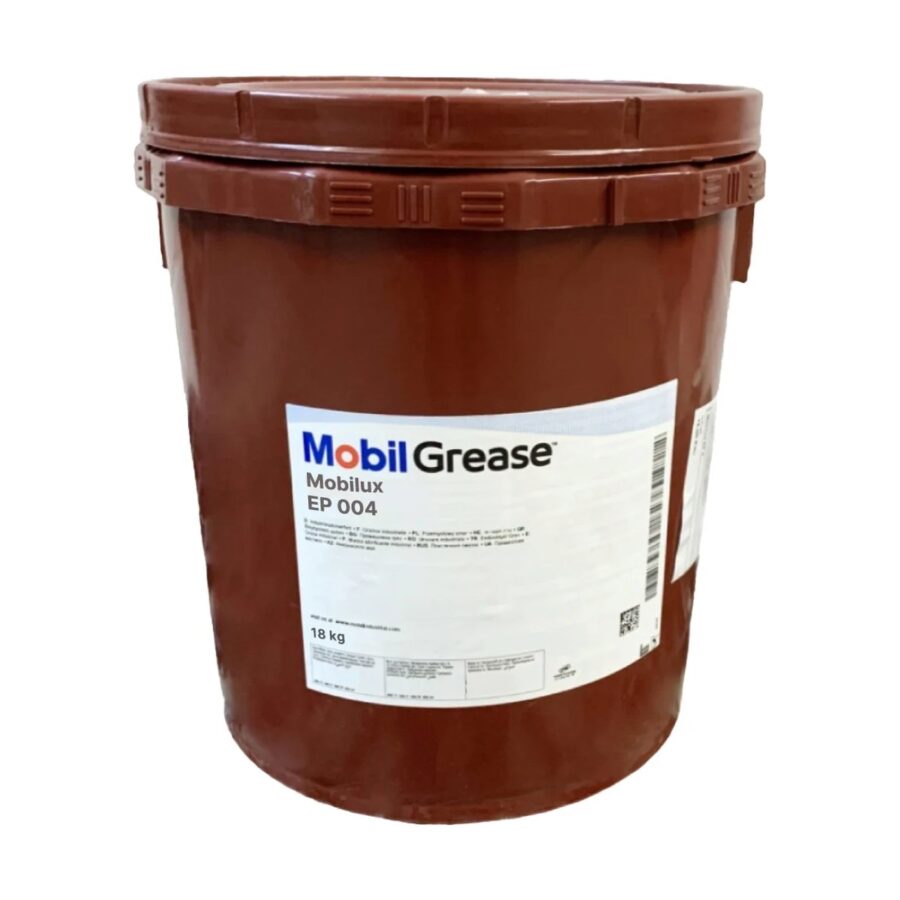
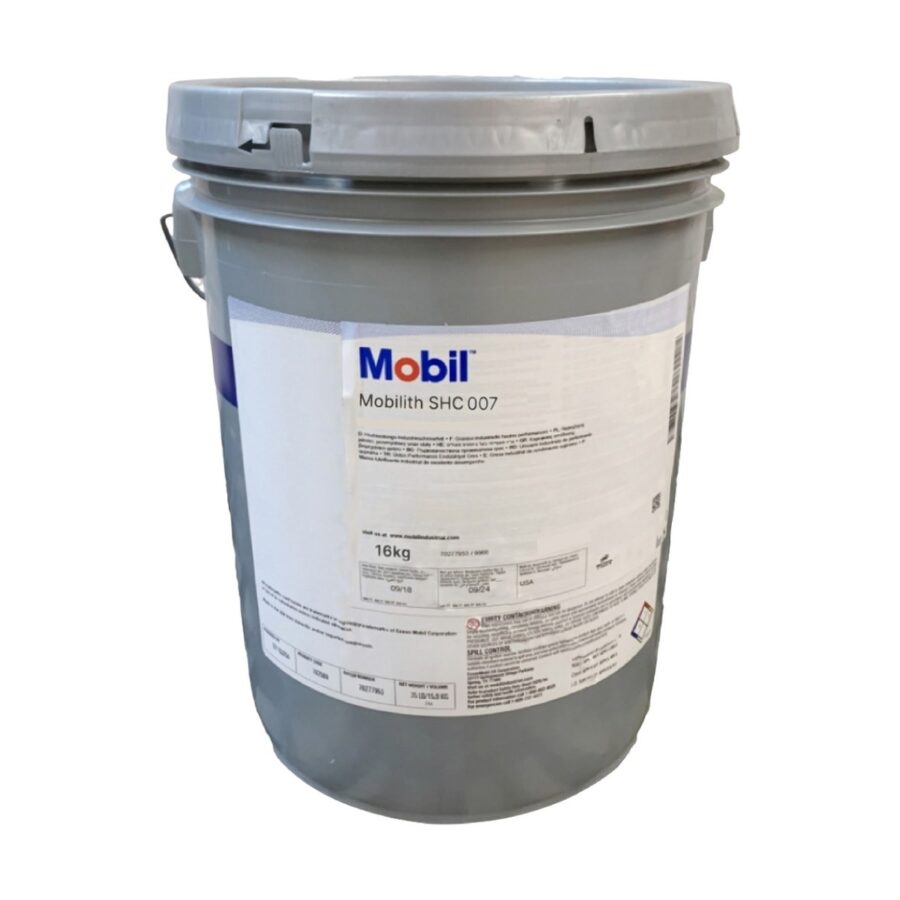
Semi-fluid greases of NLGI 0, 00 or 000 sit between grease and oil. They flow enough to reach gear teeth in small gearboxes and to pass through central lubrication lines, but leak less than oil. Mobilith SHC 007 (PAO base oil ISO VG 460, lithium complex) and Mobilux EP 004 are examples. Read grease for central lubrication systems.
Can I change from oil to grease or from grease to oil?
Only with care. Changing type changes how the bearing is sealed, cooled and maintained. A housing designed for oil may not hold grease properly, and a bearing designed for grease may overheat if overfilled with oil. Changes are sometimes justified, for example converting a leaking small gearbox to semi-fluid grease, but should be agreed with the equipment maker and documented.
How do costs compare?
Grease systems are cheaper to set up: a grease gun and nipples, or single-point lubricators. Oil systems need housings, level checks and, for circulation, pumps, filters and coolers, but in return they offer cooling, filtration and easy condition monitoring. Over the life of large or critical equipment, oil systems often reduce failures enough to justify the cost. For small and medium bearings, grease is almost always the economical choice. See {post(“single-point-automatic-lubricators”, “single-point automatic lubricators”)}.
Which is better in dusty GCC conditions?
Dust and sand are a major cause of bearing wear in the region. Grease has an advantage here: a full grease seal around the bearing helps stop particles entering, and small, regular relubrication pushes contaminated grease out through the seals. Oil-lubricated systems rely on good seals, breathers and filtration; without them, oil can carry abrasive particles into every contact. If you use oil in dusty areas, fit desiccant breathers and filters and monitor particle counts with oil analysis.
How does heat change the choice?
At high temperatures, grease life shortens because the base oil oxidises and the thickener can break down. Oil can be cooled and filtered, so very hot or heavily loaded bearings are often oil-lubricated. Between these extremes, a high-temperature grease is often the simplest solution. Where bearings run near the upper limit of the best available grease, consider oil circulation or cooling.
Lubricating chains: oil or grease?
Most roller and conveyor chains are lubricated with oil because oil penetrates into the pins and bushes where wear happens. Grease applied to the outside of a chain may not reach the pins and can collect dust. Grease or special adhesive lubricants are used on slow, heavily loaded or enclosed chains. Our conveyor chain lubrication guide explains the options.
Lubricating open gears and slideways
Open gears on kilns, mills and dryers use adhesive open-gear lubricants or high-viscosity semi-fluid greases that stay on the teeth. Machine-tool slideways use slideway oils, such as Mobil Vactra, which are designed to prevent stick-slip and to separate from coolant. These are special cases where neither a general grease nor a general oil is correct.
Quick decision guide
| If… | Usually choose |
|---|---|
| Rolling bearing, normal speed and temperature | Grease |
| Bearing above the grease speed limit | Oil (bath, oil-air or circulation) |
| Enclosed gearbox | Oil |
| Small gearbox that leaks oil | Semi-fluid grease, if the maker agrees |
| Many grease points on one machine | Grease with a central lubrication system |
| Conveyor roller chain | Oil |
| Dusty site, simple equipment | Grease with good seals |
What are the maintenance differences day to day?
Grease maintenance means relubricating each point with the right quantity at the right interval, keeping grease guns clean and labelled, and checking that grease reaches the bearing. Oil maintenance means checking levels, topping up with the correct oil, changing oil at set intervals or on condition, and looking after breathers, filters and seals. Oil systems give more information through oil analysis, while grease points are checked mostly through temperature, vibration and visual inspection. Plan whichever routine your team can carry out reliably, because a well-maintained simple system beats a neglected complex one.
Can automatic lubricators make grease as reliable as oil?
Single-point lubricators and central systems deliver small, regular quantities of grease, which is closer to the steady supply an oil system provides. They are a good way to improve reliability on hard-to-reach or critical grease points without converting to oil. They also remove the risk of a missed round, which is the most common reason grease points run dry in busy plants. Choose a lubricator whose discharge rate and grease match the bearing, and check it on every inspection round.
Frequently asked questions
Is grease better than oil for bearings?
For most rolling bearings at normal speeds and temperatures, yes, because grease is simpler and helps seal the bearing. For very high speeds or temperatures, oil is better.
Can I use grease in a gearbox?
Small gearboxes are sometimes filled with semi-fluid grease. Large or fast gearboxes need oil for cooling and to reach all gear teeth. Follow the gearbox maker’s instructions.
Why do some motors use grease and others oil?
Most electric motors use grease because it is simple and clean. Large motors with plain bearings, or very high-speed motors, may use oil.
Is chain lubrication better with oil or grease?
Most conveyor chains are lubricated with oil, which penetrates the pins and bushes. Grease is used for slow, heavily loaded or enclosed chains. See our conveyor chain lubrication guide.
Conclusion
Use grease where simplicity, sealing and low maintenance matter most, which covers most rolling bearings in industry. Use oil where speed, heat or large gear sets need cooling and circulation, and where filtration and oil analysis add value. Semi-fluid greases fill the gap in small gearboxes and central systems. Follow the equipment design, and change lubricant type only with the maker’s agreement.
Need help applying this to your plant? Send us the equipment details or the product you use now and we will recommend a suitable Kluber or Mobil grade: request a quote and we reply within one business day.