Key takeaways
- Hard particles such as silica sand cause abrasive wear in bearings, gears and pumps, turning lubricant into grinding paste.
- Most contamination enters through seals, breathers, grease nipples and careless handling.
- Good seals, desiccant or filter breathers and clean handling prevent most dust-related failures.
- Frequent, small relubrication purges contaminated grease and keeps seals full.
- Oil analysis (silicon and particle count) shows when dust is getting in.
Dust and sand are everyday facts of life in GCC quarries, cement plants, construction sites, mines, ports and many outdoor installations. Fine silica particles are harder than bearing steel, and once they enter a bearing or an oil system they cause abrasive wear, dent raceways and shorten life dramatically. Surveys of bearing failures consistently list contamination as one of the main causes. This guide explains how dust gets in and how to keep it out. See also our cement and mining industry page.
How does dust damage bearings?
Rolling bearings work with very thin oil films, often less than a micrometre thick. Particles larger than the film thickness are rolled over by the balls or rollers, which dents the raceways. The dents become starting points for fatigue cracks and spalling. Smaller particles abrade surfaces and increase clearance. In gears and pumps, particles cause abrasive wear and scoring. At the same time, dust in grease thickens it and turns it into a grinding paste, while dust in oil accelerates oxidation by acting as a catalyst.
How does dust get in?
| Entry point | How it happens | Prevention |
|---|---|---|
| Seals | Worn, damaged or wrong seal type | Correct seal design; inspect and replace |
| Breathers and vents | Equipment breathes as it heats and cools | Desiccant or filter breathers |
| Grease nipples | Dust on nipples pushed in with grease | Caps; wipe before greasing |
| Lubricant containers | Open buckets, dirty pumps and funnels | Closed, dedicated, clean equipment |
| Filling and top-up | Pouring through open fillers | Filter carts, quick-connect fittings |
| Maintenance work | Opening housings in dusty air | Clean work areas; covers |
Seals
Bearing housing seals are the first line of defence. In very dusty environments, simple lip seals may not be enough. Labyrinth seals, taconite seals (a combination of labyrinth and grease-filled cavities with a lip seal), and V-ring seals add protection. Many heavy-duty designs rely on grease purging: fresh grease pushed out through the seal carries contaminants away and fills the seal gaps. Inspect seals during every shutdown and replace damaged ones.
Which grease works best in dusty conditions?
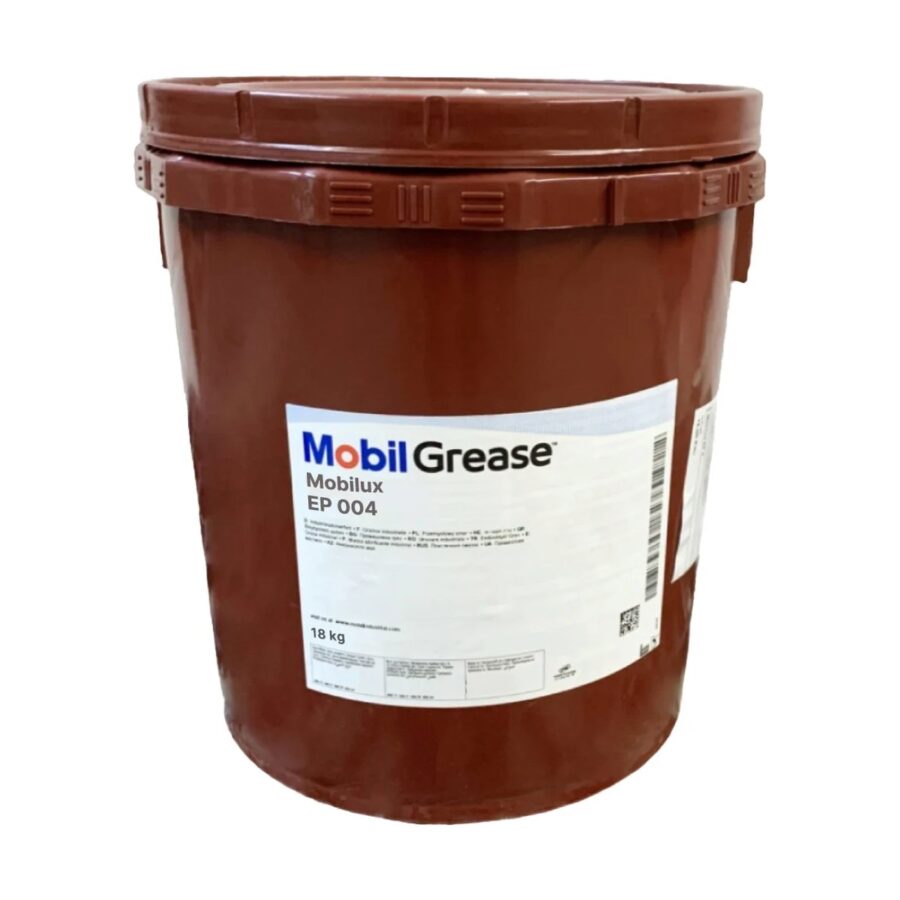
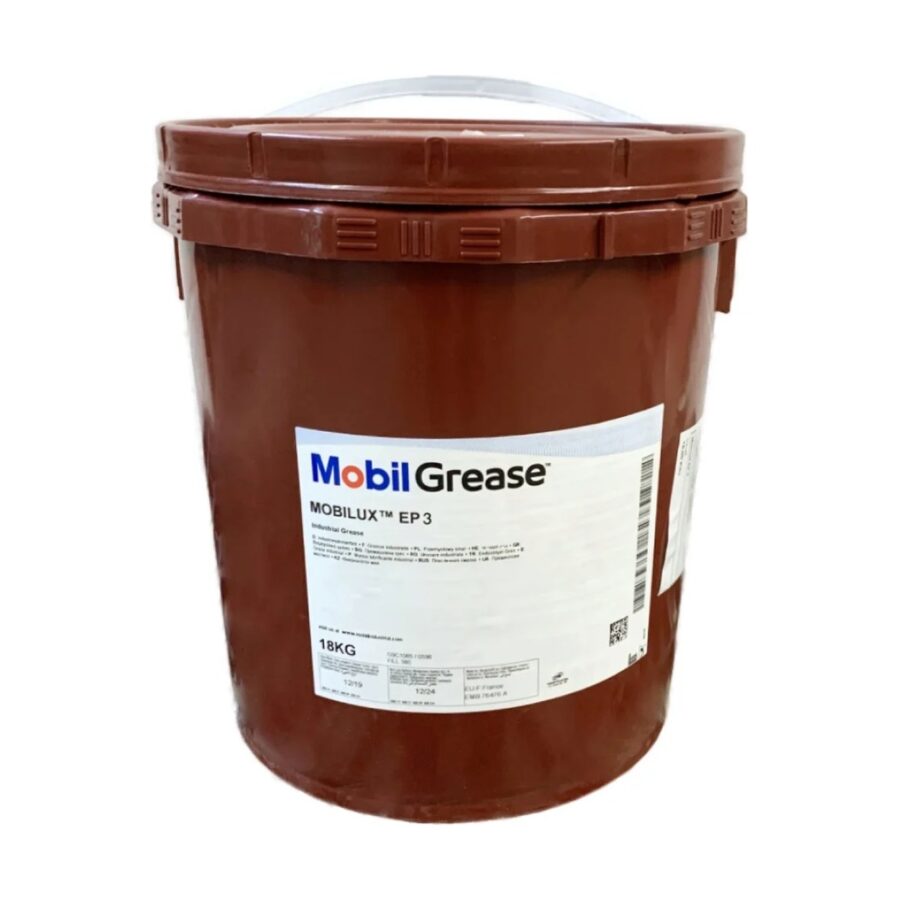
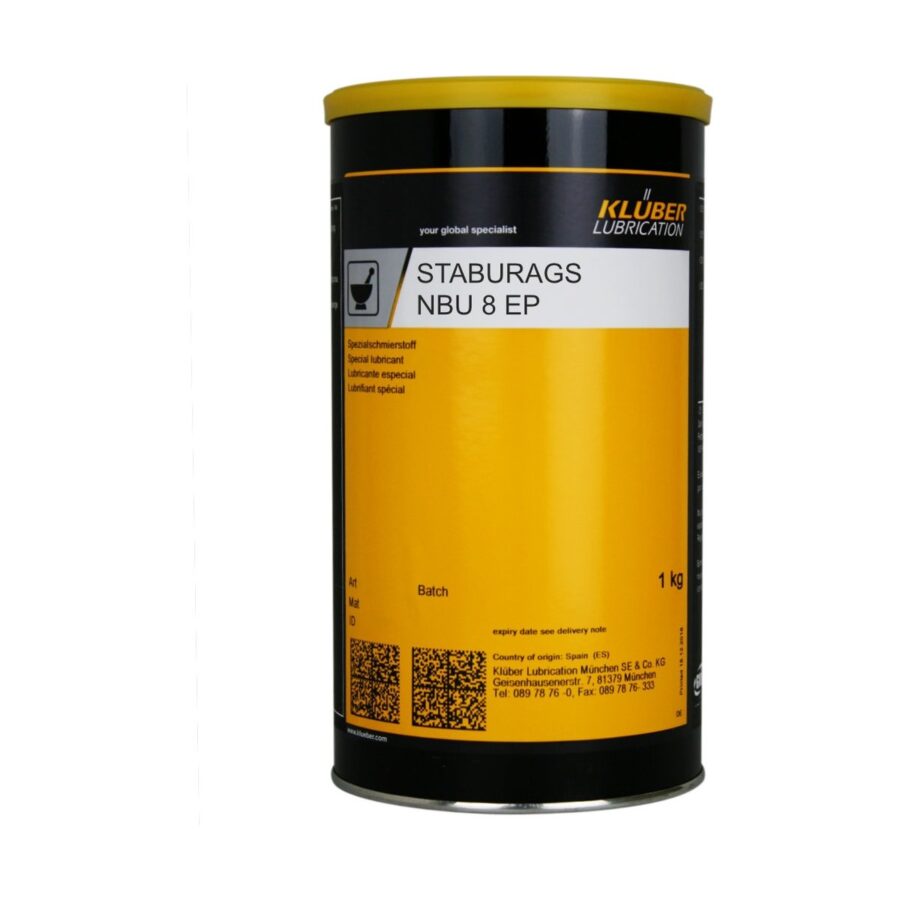
In dusty environments, greases with good adhesion and mechanical stability help seal the bearing. Firmer NLGI 3 greases such as Mobilux EP 3 are sometimes used to improve sealing on larger bearings; heavily loaded bearings need EP greases with high base-oil viscosity such as STABURAGS NBU 8 EP or Mobilith SHC 460. Follow the bearing or equipment maker’s recommendations. See NLGI grades explained.
Relubrication practice
- Relubricate small amounts frequently, enough to purge old grease from seals.
- Clean grease nipples before connecting the gun; fit caps.
- Use clean grease guns dedicated to one product.
- Never leave grease buckets open; use cartridges where practical.
- Consider automatic lubricators to keep seals full continuously.
See bearing relubrication amounts and single-point automatic lubricators.
Breathers for gearboxes and tanks
Every gearbox, hydraulic tank and oil reservoir breathes: air leaves as it warms and enters as it cools. A plain vent or open cap lets dust and moisture in with every cycle. Desiccant breathers filter particles and remove moisture from incoming air; their colour-changing desiccant shows when the cartridge needs replacing. In very dusty areas, check them often, because filters clog faster.
Clean oil handling
- Store oil in closed containers indoors.
- Use dedicated, sealed transfer containers for each oil.
- Filter oil into gearboxes and hydraulics using a filter cart.
- Fit quick-connect fittings to avoid opening fillers.
- Clean around fillers and plugs before opening.
- Never use open funnels and buckets in dusty areas.
Monitoring dust ingress
Oil analysis is the best way to see dust ingress before damage. Silicon (from silica) is the key indicator; combined with rising iron and particle counts it shows abrasive wear in progress. Set alarm limits for silicon on critical gearboxes and hydraulics, and act quickly when they are exceeded: check breathers, seals and filling practices. See oil analysis basics.
Equipment-specific advice
| Equipment | Key measures |
|---|---|
| Crushers | EP grease, frequent purging, good seals, breathers on lube tanks |
| Conveyors | Sealed idlers, EP greases on pulleys, purging relubrication |
| Screens | Frequent relubrication, adhesive greases, seal checks |
| Mobile equipment | Clean filling, air filters, central lubrication systems |
| Fans | Correct grease quantity, vibration monitoring, dust build-up cleaning |
| Gearboxes | Desiccant breathers, filtered filling, oil analysis |
Particle size and oil film thickness
The particles that do most damage are often the ones you cannot see. Particles similar in size to the oil film thickness in a bearing or gear contact, typically a few micrometres, enter the contact and cause wear, while very large particles are often kept out by seals or settle in sumps. That is why cleanliness targets for hydraulics and gearboxes focus on particles from 4 to 14 micrometres, as reported in ISO 4406 codes. Visual cleanliness is not enough: oil that looks clean can still contain enough fine dust to wear components quickly.
Filtration for gearboxes and hydraulics
Hydraulic systems have built-in filters, but these are only effective if they are the right rating, changed on time and not bypassed. In dusty environments, consider finer filtration, offline filter carts for large gearboxes, and filtering new oil before it goes into the system. Many gearboxes have no filter at all; periodic offline filtration with a portable filter cart removes dust that has entered and extends oil and gear life. Track particle counts before and after filtration to see the effect.
Storage in dusty sites
Construction sites and quarries often store lubricants in containers or open sheds. Keep drums and pails closed, stored horizontally or covered so dust and water cannot collect on lids, and wipe lids and spouts before opening. Use small containers for daily use, and keep grease cartridges in their packaging until needed. A clean, enclosed lubricant store on site is one of the simplest ways to cut contamination.
Training for dusty conditions
Operators and technicians in quarries and construction often lubricate equipment under time pressure in dusty conditions. Short, practical training on wiping nipples, using caps, keeping containers closed and recognising contaminated grease pays off quickly. Make clean lubrication part of daily equipment checks.
How should you prepare for Shamal winds and sandstorms?
Seasonal shamal winds and sandstorms raise dust levels dramatically for days at a time. After a sandstorm, check breathers and air filters, clean equipment, and consider extra purging relubrication on exposed bearings. Avoid opening gearboxes, hydraulic tanks or bearing housings during storms.
Choosing equipment with contamination in mind
When buying new equipment for dusty sites, specify features that make lubrication easier and cleaner: sealed-for-life or well-sealed bearings, labyrinth or taconite seals on heavy-duty bearings, desiccant breathers as standard, quick-connect oil sampling and filling points, and central lubrication on mobile equipment. These features cost little at purchase and save a great deal over the equipment’s life.
Measuring success
Track bearing life, failure causes, grease and oil consumption, and silicon and particle counts in oil analysis before and after improvements. Clear numbers make it easier to justify further investment in seals, breathers and lubricators.
A worked example: a quarry screen
A quarry in Ras Al Khaimah replaces vibrating screen bearings every few months. Inspection shows heavy abrasive wear and grease full of fine dust. The quarry changes to a heavy-duty EP grease, introduces daily small-amount purging, fits caps on grease nipples, replaces grease buckets with cartridges and trains operators to wipe nipples before greasing. Screen bearing life increases significantly.
What are the most common mistakes?
- Leaving grease nipples uncapped and dirty.
- Using open buckets and paddles to fill grease guns.
- Plain vents on gearboxes and tanks.
- Relubricating rarely with large amounts.
- Ignoring silicon in oil analysis results.
Frequently asked questions
How do I stop dust getting into bearings?
Use suitable seals, purge with fresh grease regularly, clean grease nipples, fit breathers and handle lubricants cleanly.
Is a firmer grease better in dusty conditions?
Sometimes; NLGI 3 greases can help sealing in some larger bearings. Follow the equipment maker’s recommendation.
What does silicon in oil analysis mean?
Usually dust ingress. Combined with rising wear metals, it shows abrasive wear is occurring.
Do desiccant breathers work in dusty areas?
Yes, they filter particles and moisture, but they need checking and changing more often.
Should I grease more after a sandstorm?
Purging relubrication on exposed bearings can help remove contaminated grease. Check breathers and filters too.
Are sealed-for-life bearings better in dusty areas?
Often yes for smaller bearings, because they are never opened for relubrication. Larger and heavily loaded bearings usually still need regreasable designs with good seals and purging.
How often should breathers be changed in dusty areas?
When the desiccant changes colour or the filter shows high restriction. In very dusty sites this can be much more often than the maker’s standard interval.
Conclusion
Dust and sand are the main enemies of bearings and lubricants in many GCC operations. Use the right seals and greases, purge regularly with small amounts, fit breathers, handle lubricants cleanly and monitor silicon in oil analysis. Browse our extreme-pressure greases.
Need help applying this to your plant? Send us the equipment details or the product you use now and we will recommend a suitable Kluber or Mobil grade: request a quote and we reply within one business day.