Lubricants for Steel & Metals
Lubricants for steel mills, aluminium plants and metal processing: rolling-mill bearings, casters, furnaces and heavily loaded equipment.
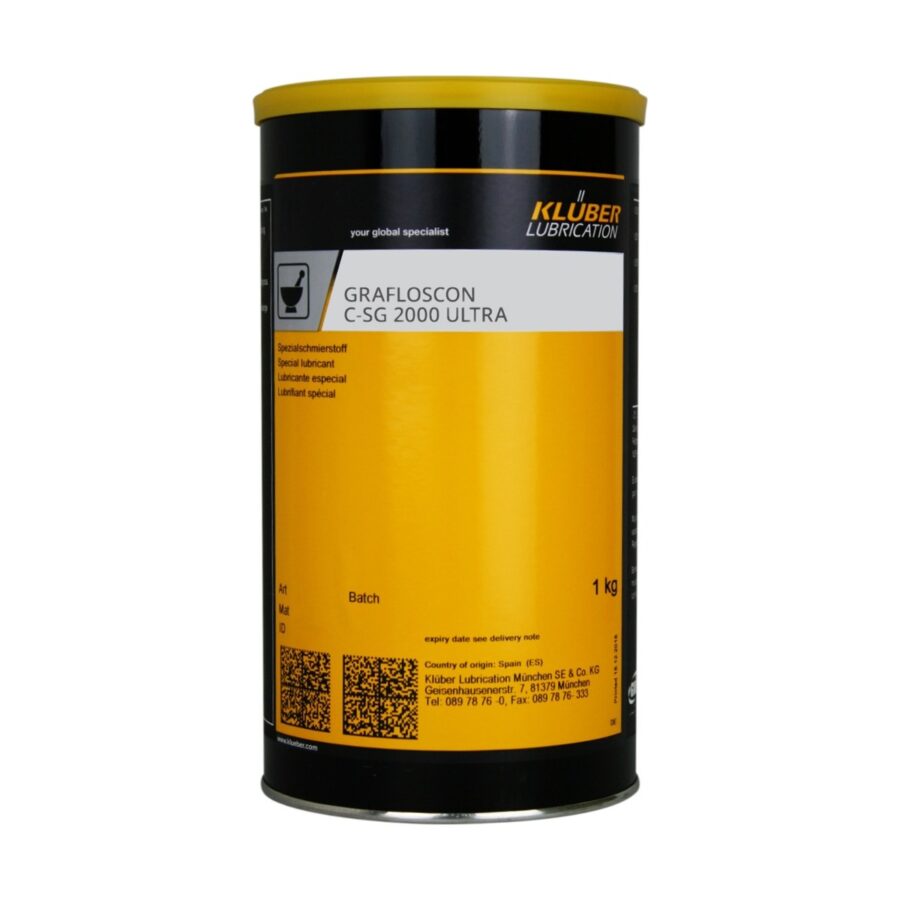
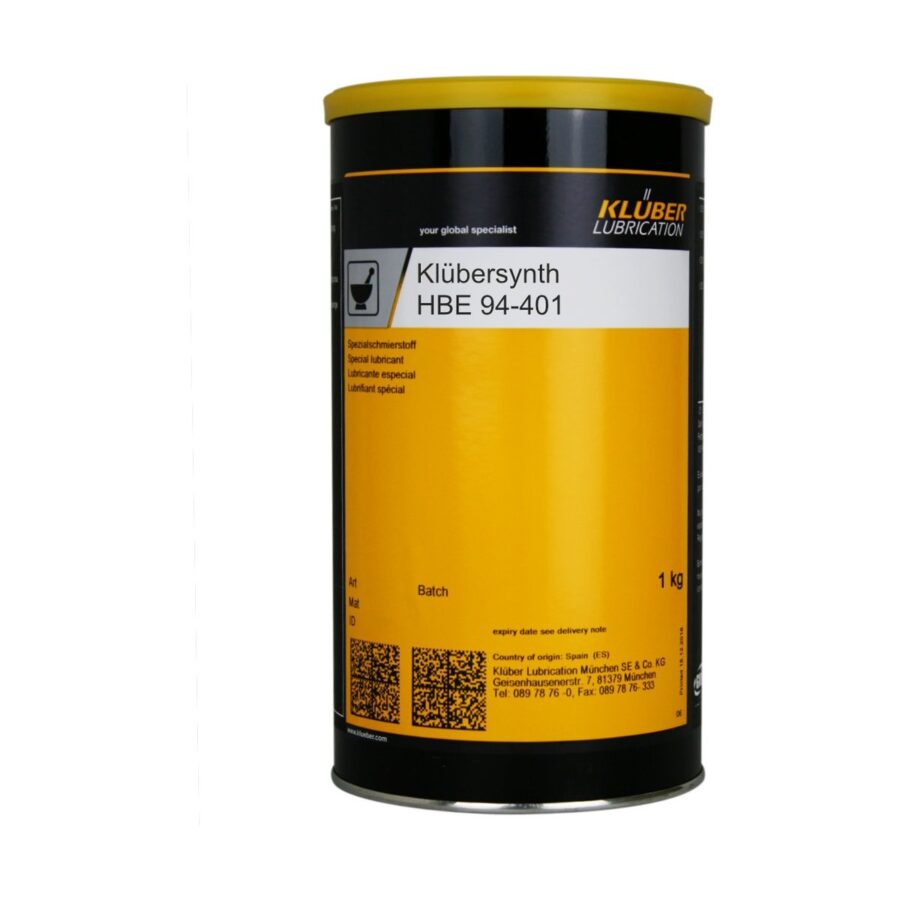
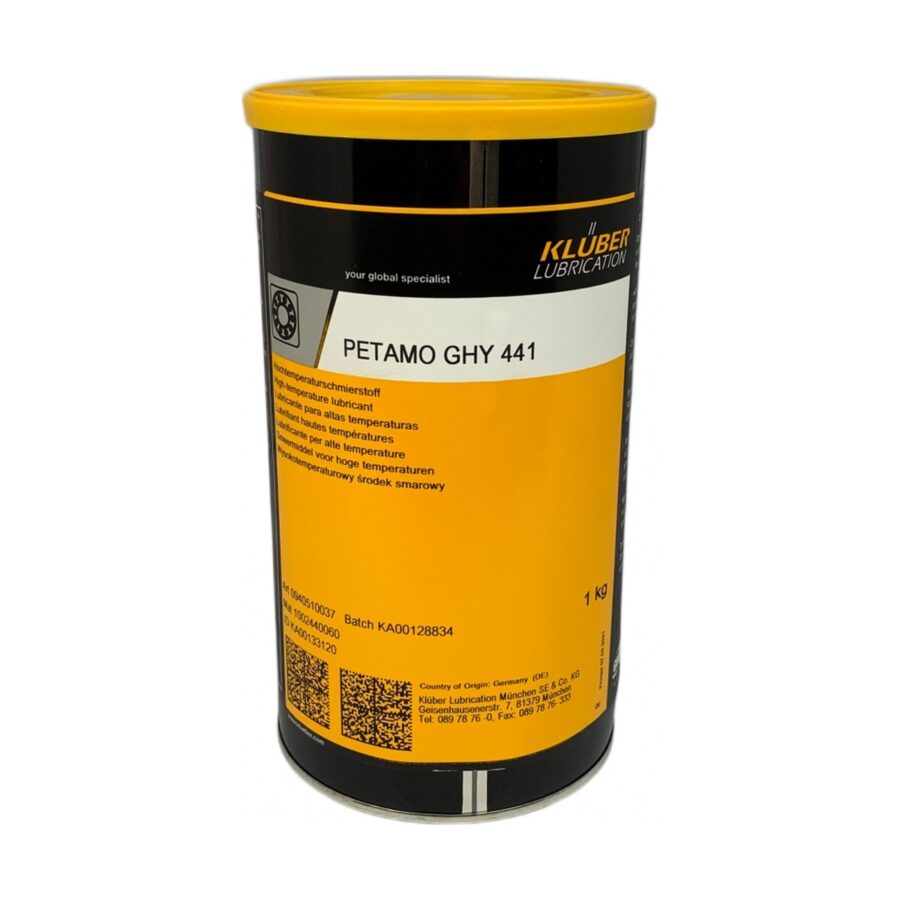
Kluber
High-temperature lubrication grease
- Service temp.
- -30 to 180 °C
- Base oil @40 °C
- 36 mm²/s
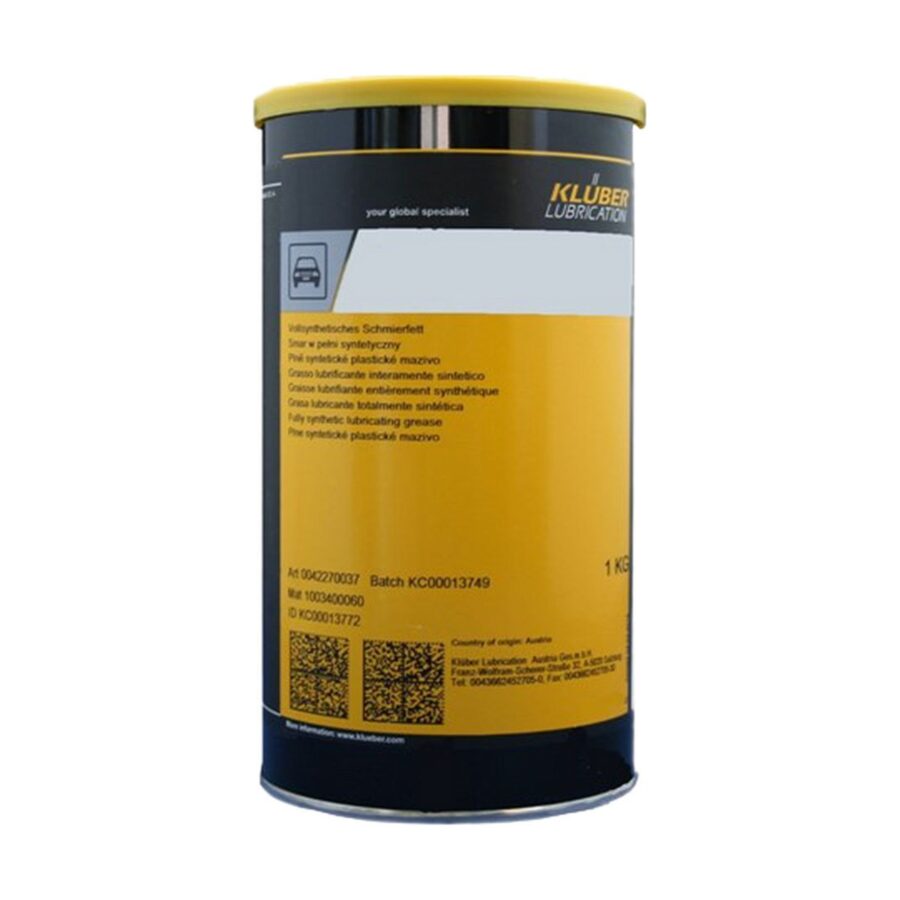
Kluber
High-temperature and long-term grease
- Service temp.
- -20 to 180 °C
- Base oil @40 °C
- 440 mm²/s
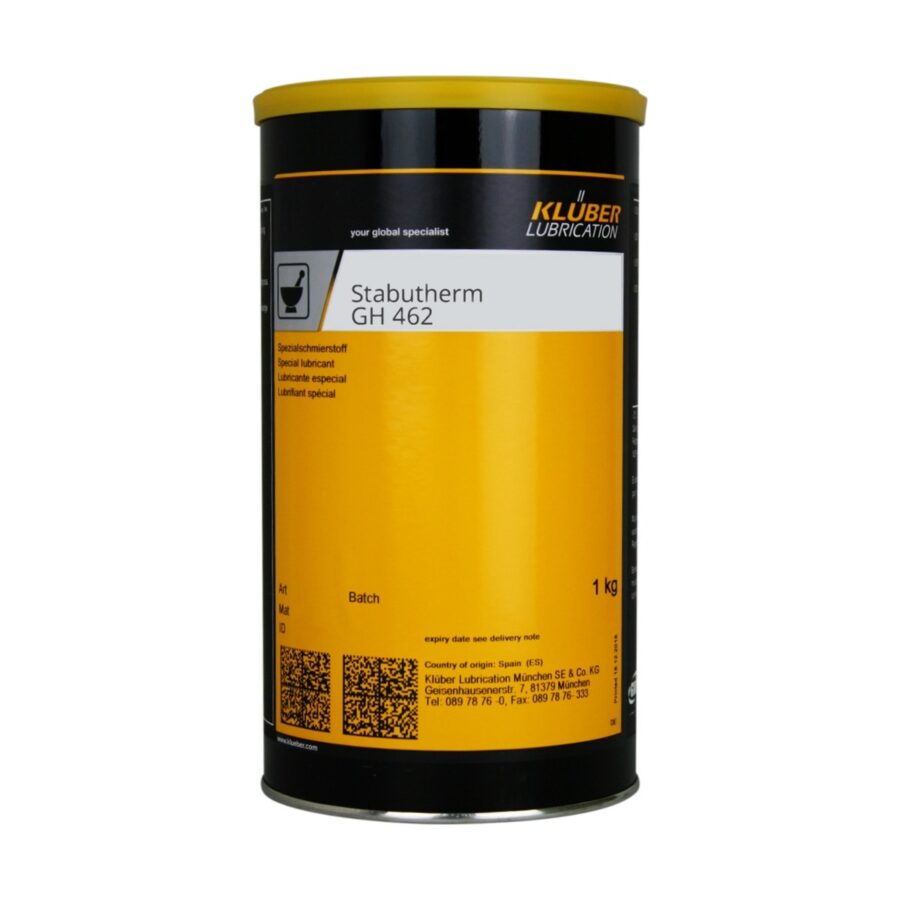
Kluber
High-temperature bearing grease NLGI 2
- Base oil @40 °C
- 490 mm²/s
- Base oil
- Mineral oil
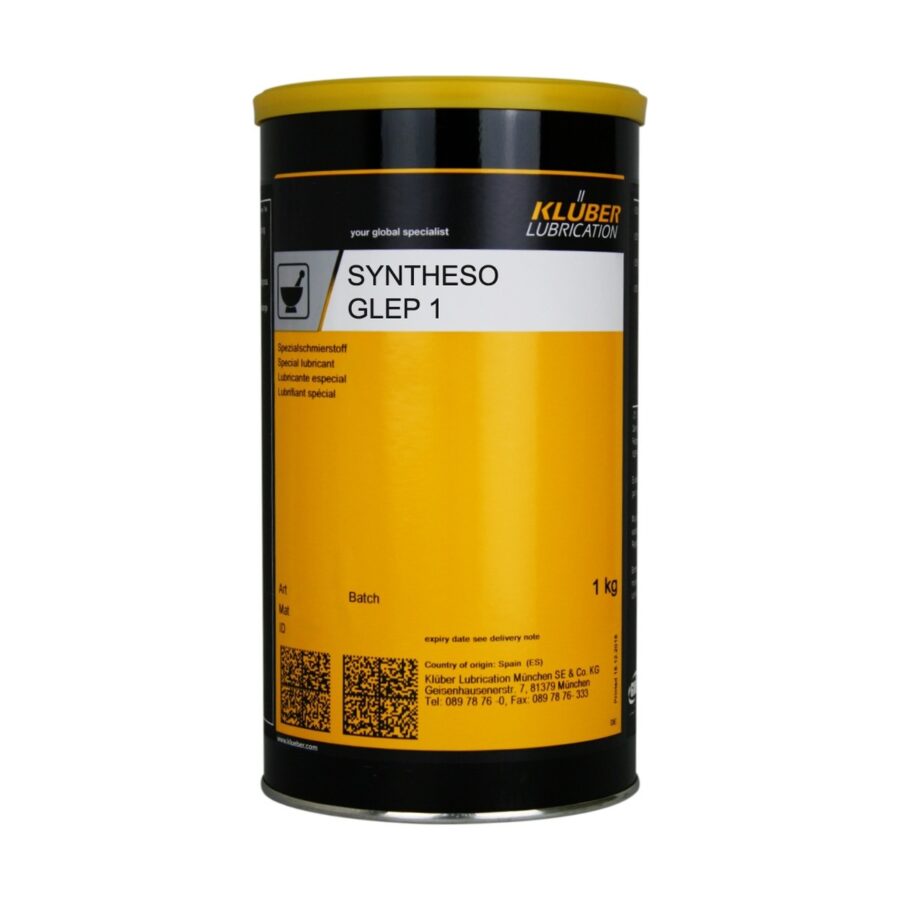
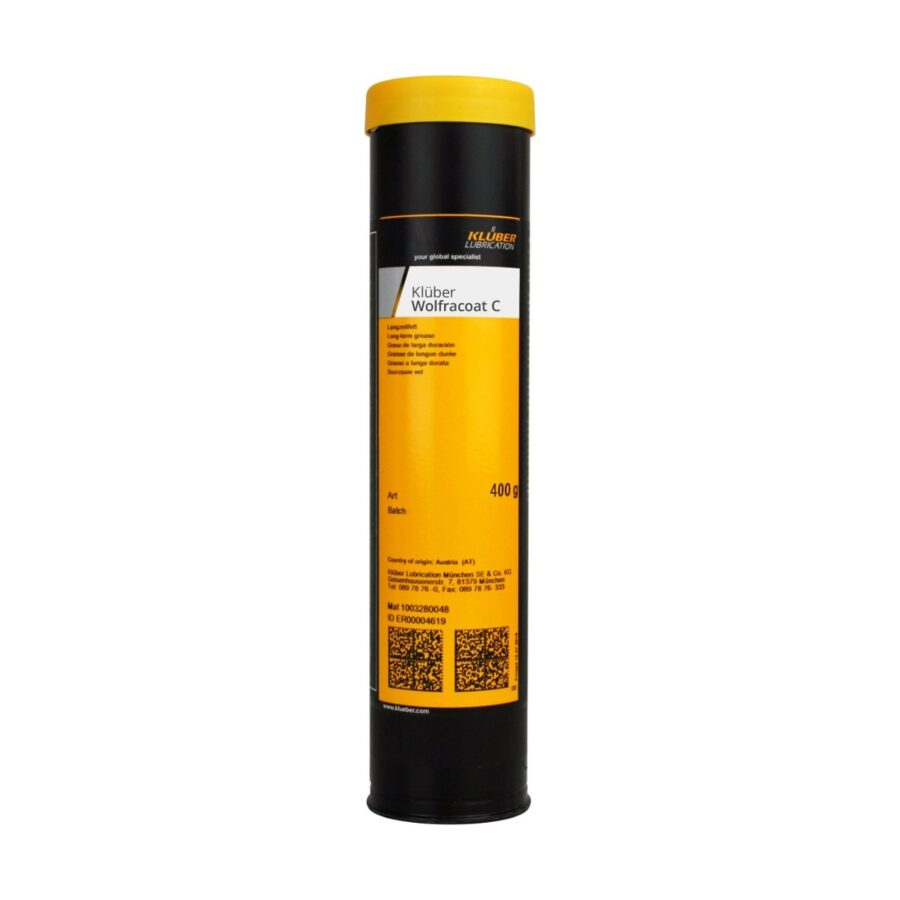
Kluber
High-temperature lubricating paste
- Service temp.
- -30 to 1200 °C
- Base oil @40 °C
- 110 mm²/s
- Base oil
- Synthetic hydrocarbon oil
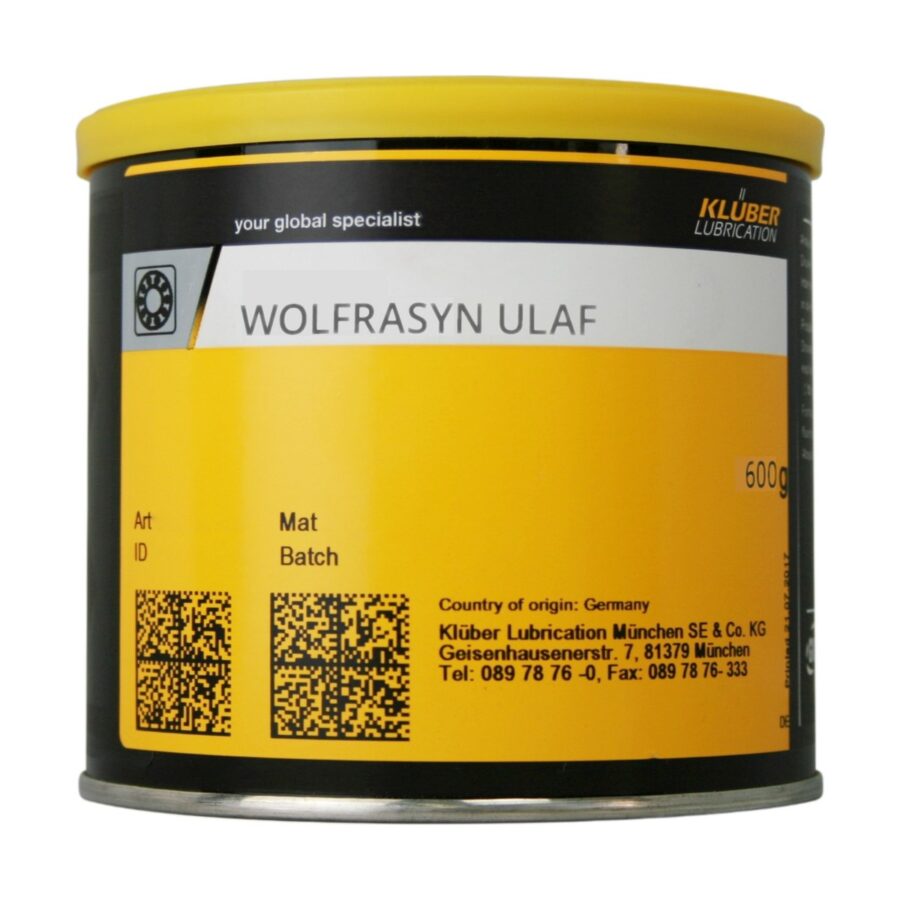
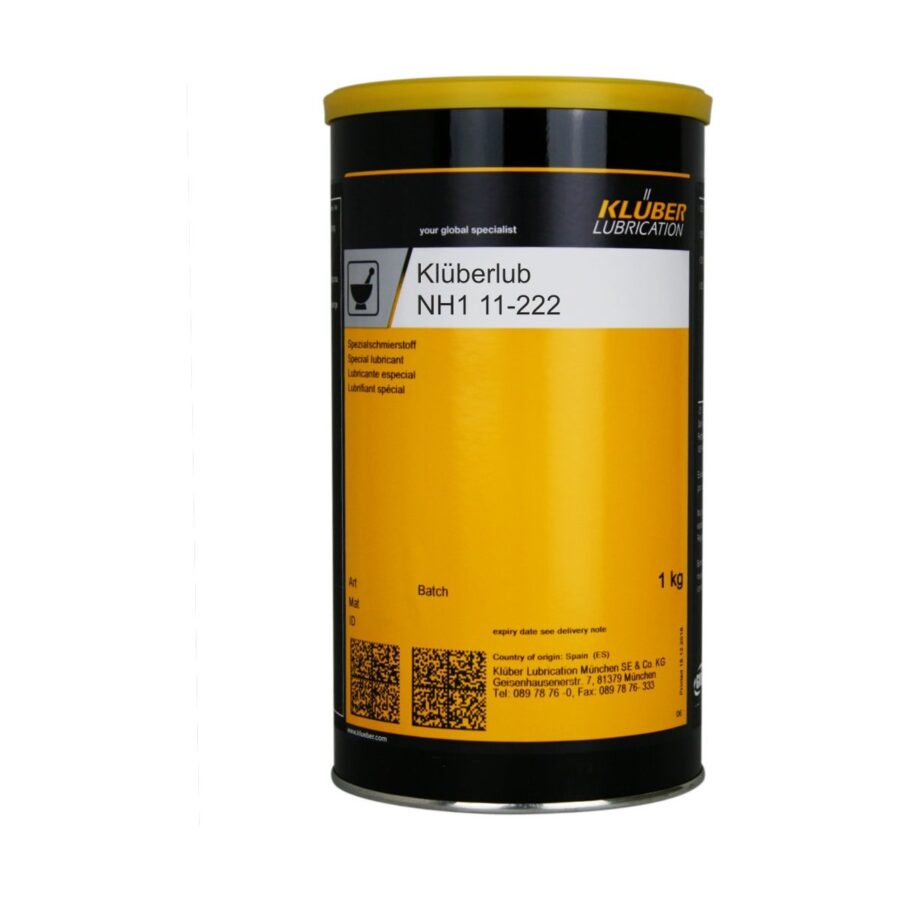
Kluber
Kluberlub NH1 11-222 Multi-purpose
Lubricant for food industry
- Service temp.
- -15 to 100 °C
- Base oil
- Paraffinic mineral oil
- Food grade
- NSF H1
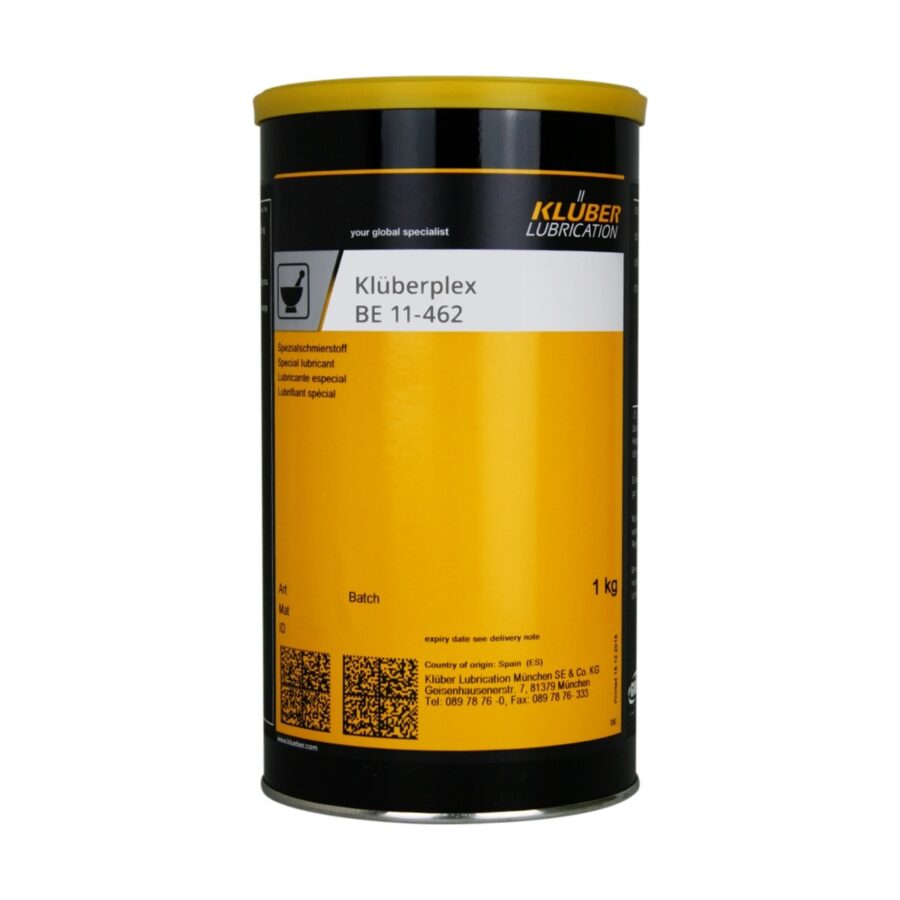
Kluber
Rolling and sliding bearing grease
- Service temp.
- -15 to 130 °C
- Base oil @40 °C
- 220 mm²/s
- Base oil
- Mineral oil
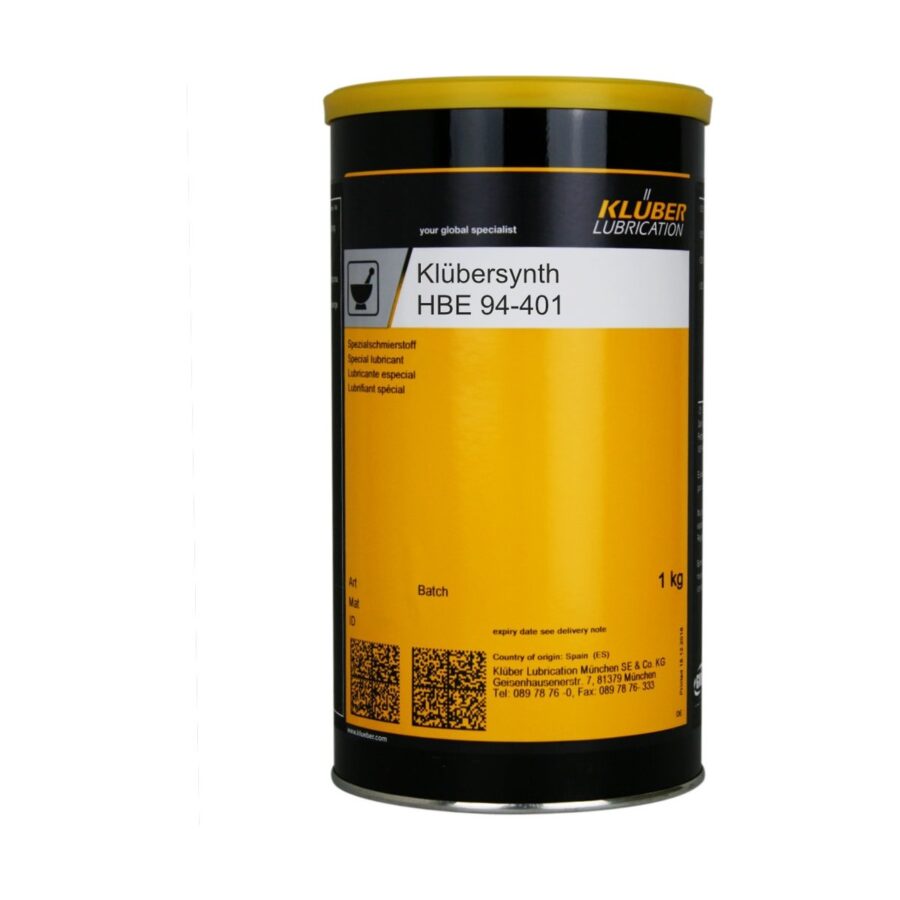
Kluber
Synthetic heavy-duty long-term lubricant
- Service temp.
- -35 to 160 °C
- Base oil @40 °C
- 400 mm²/s
- Base oil
- Synthetic hydrocarbon oil
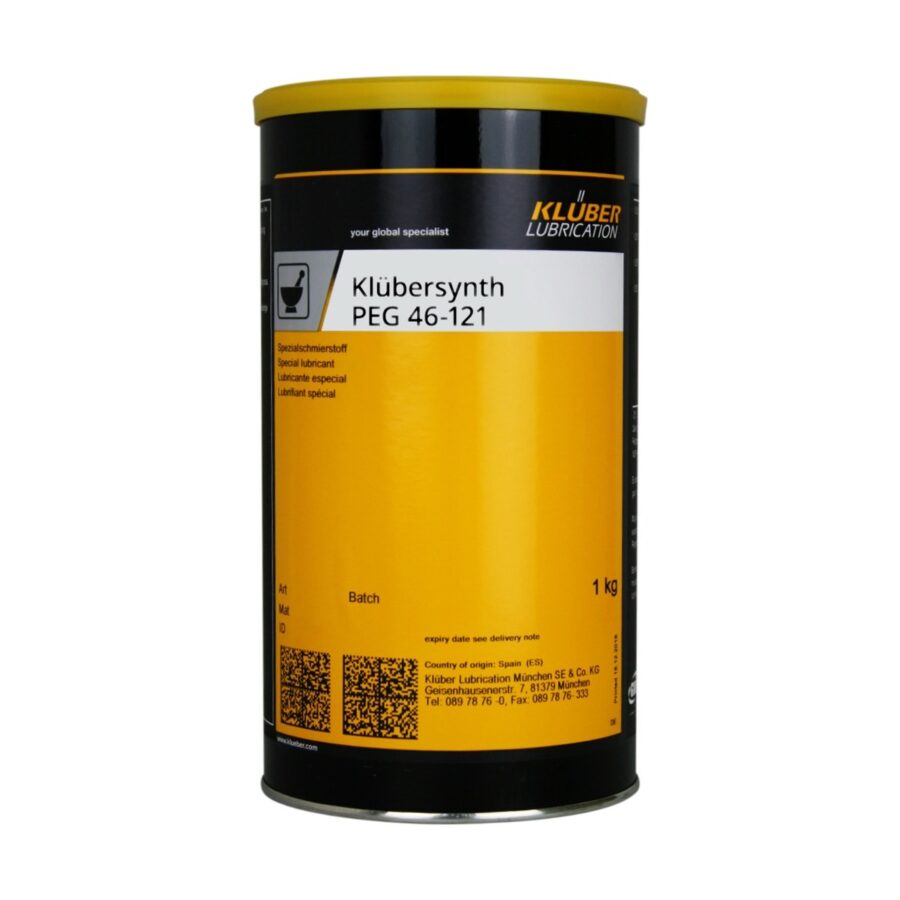
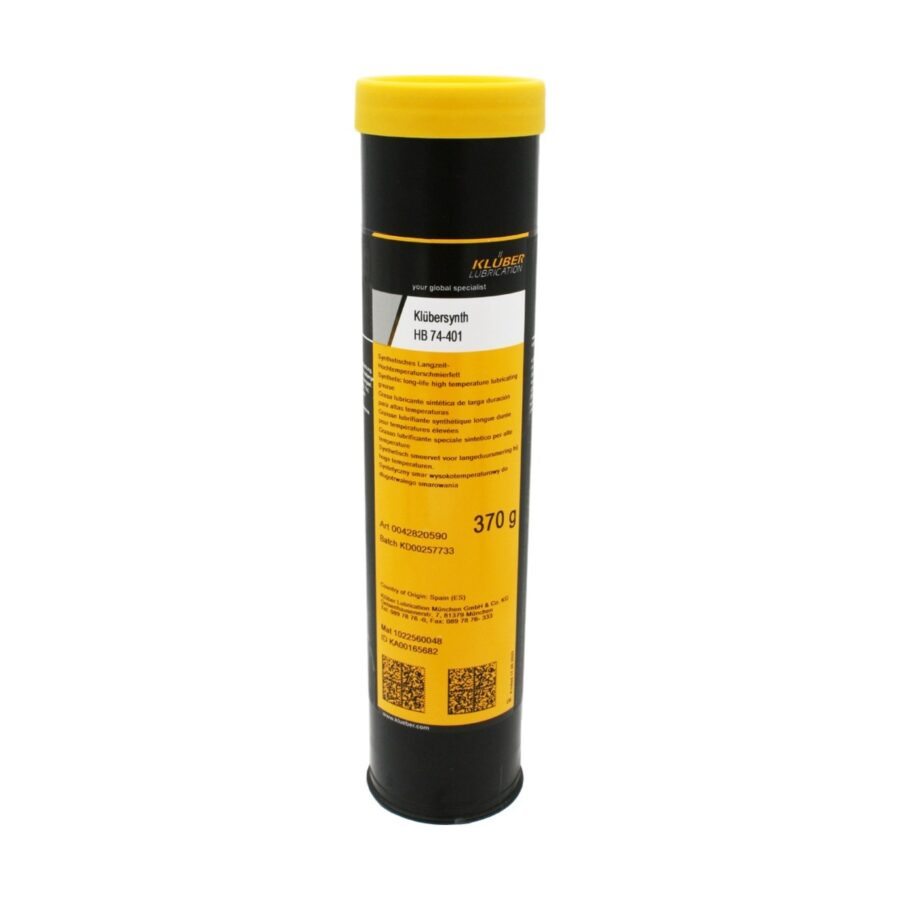
Kluber
Synthetic high temperature grease
- Service temp.
- -40 to 200 °C
- Base oil @40 °C
- 24 mm²/s
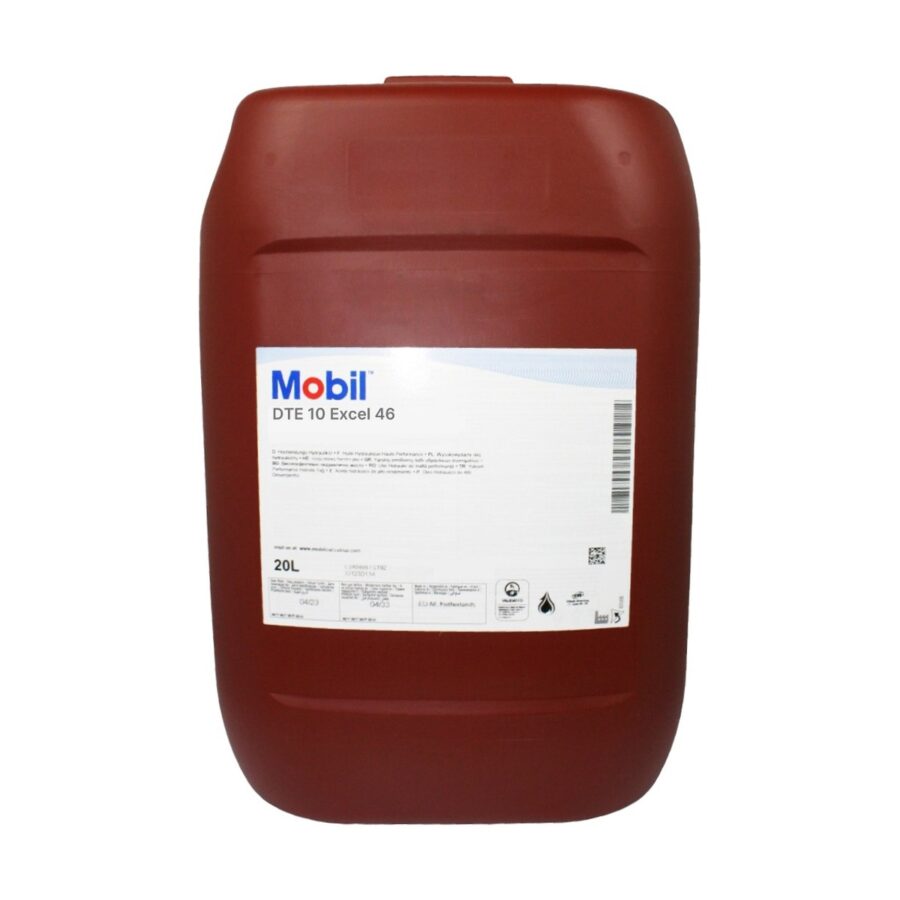
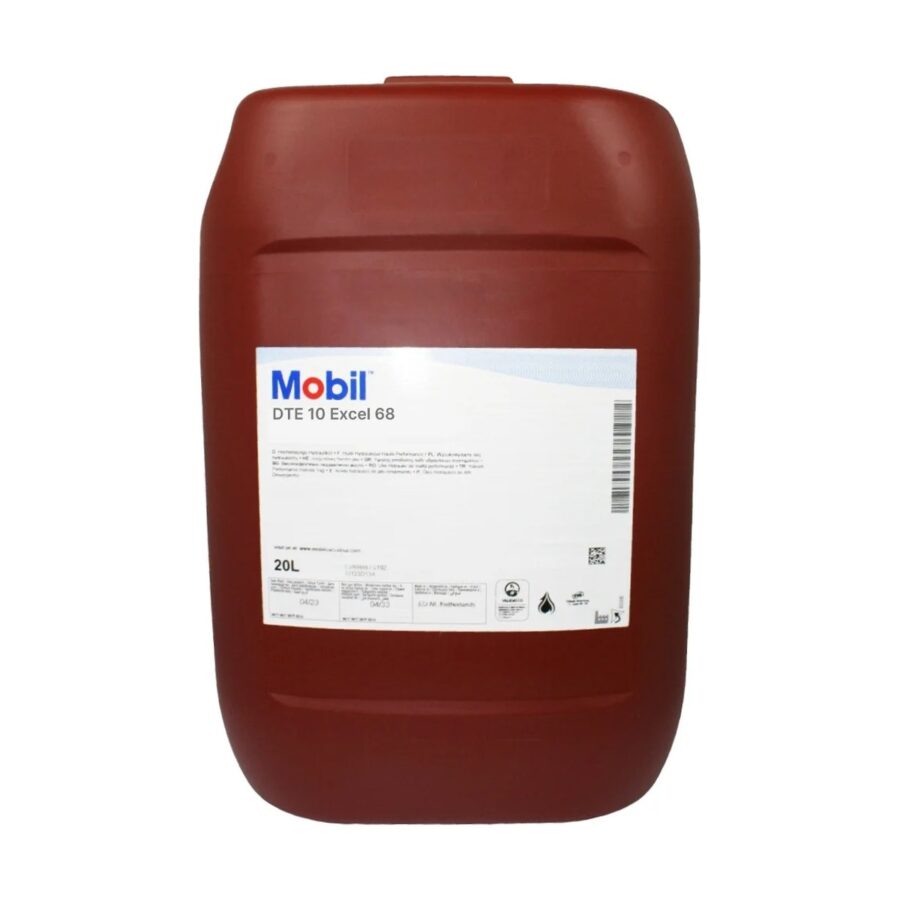
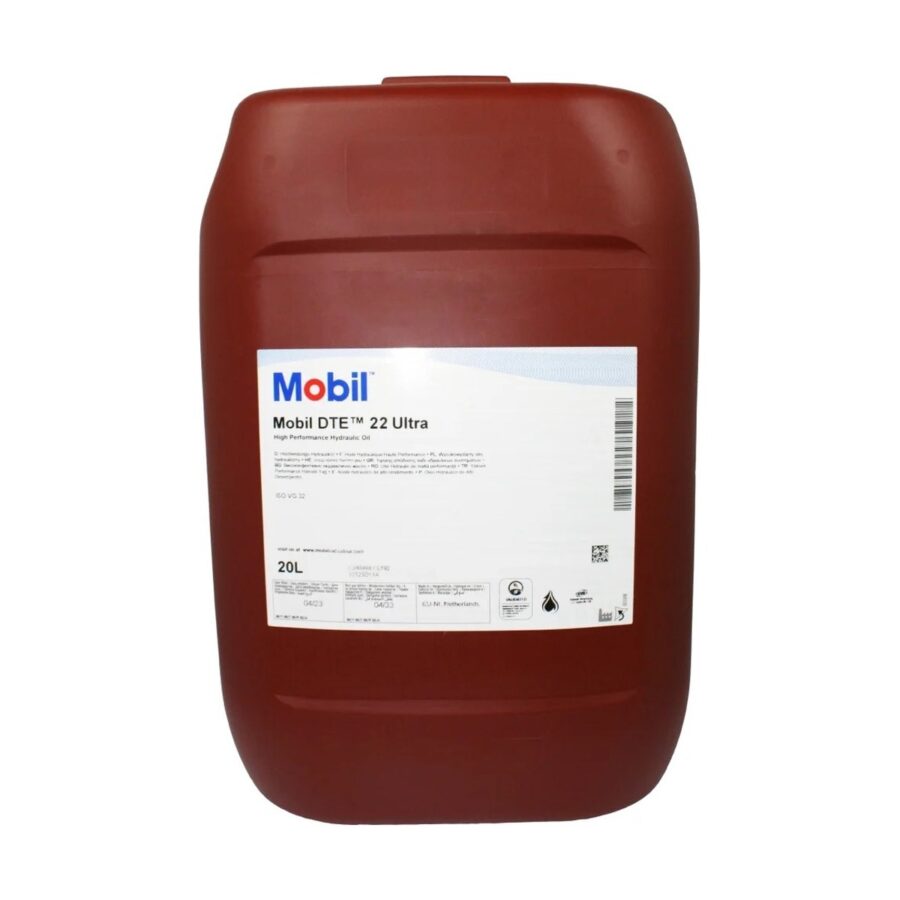
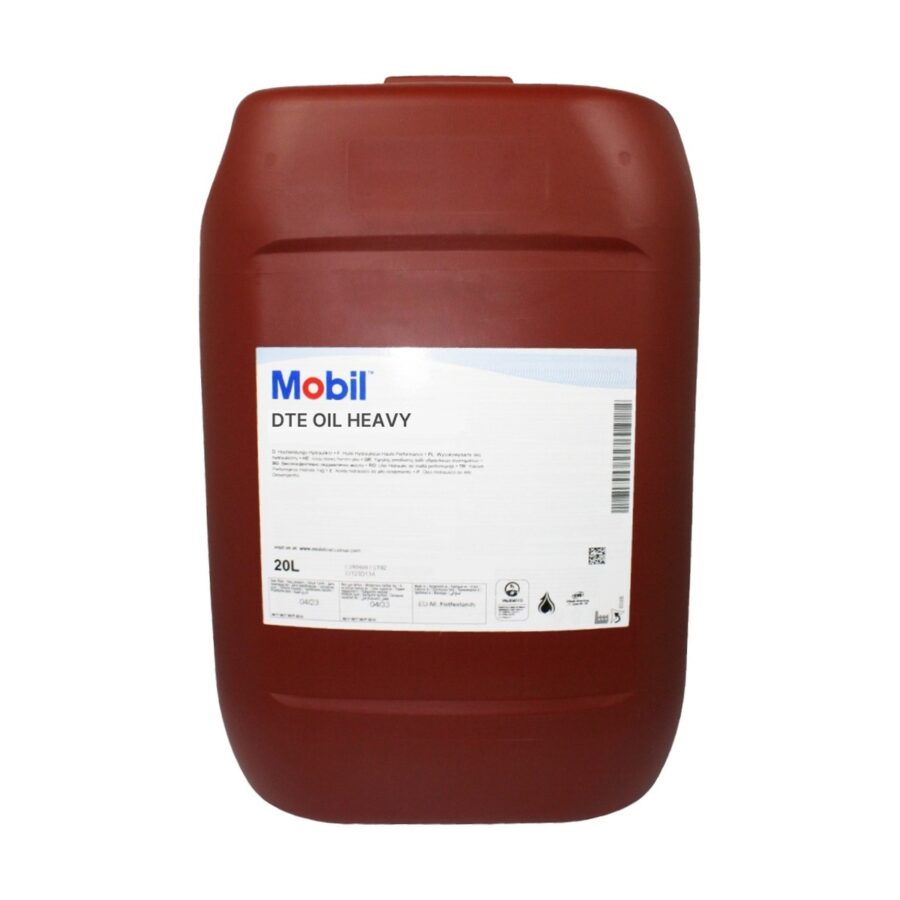
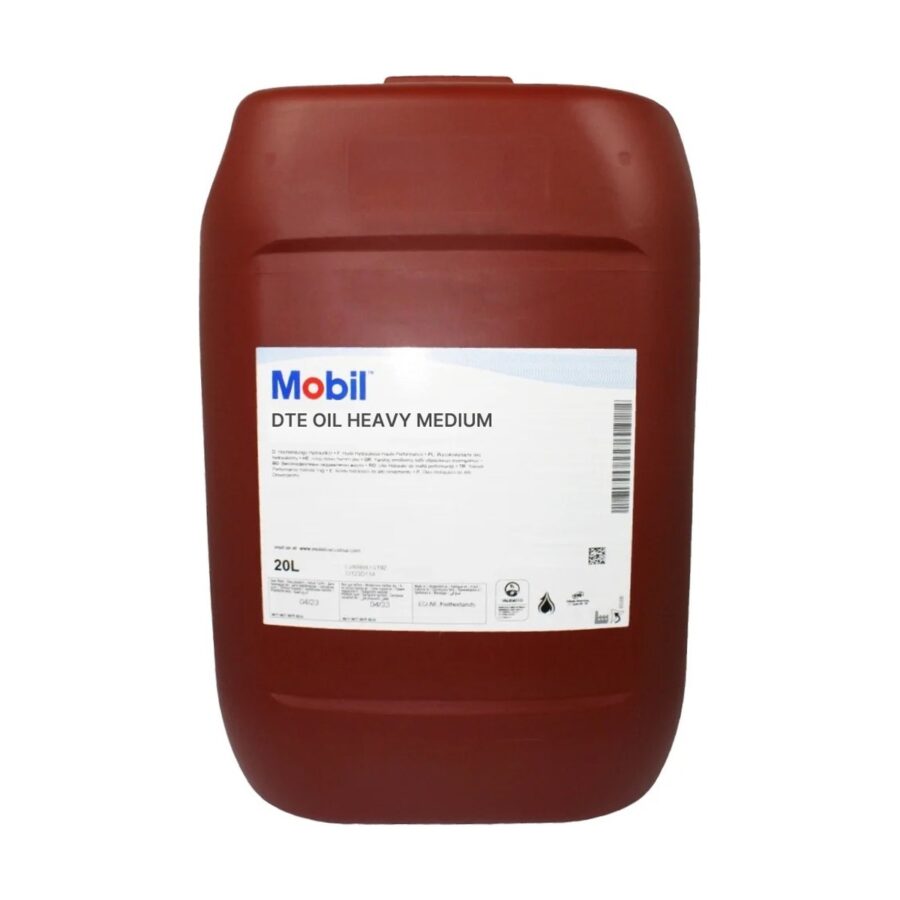
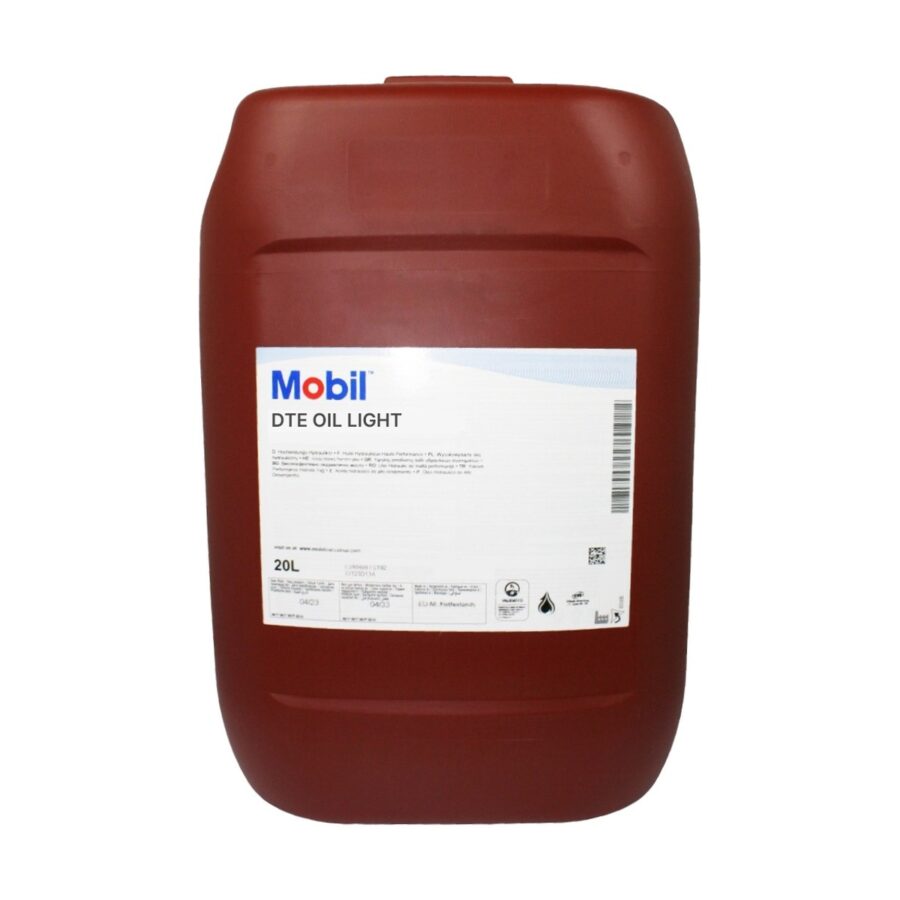
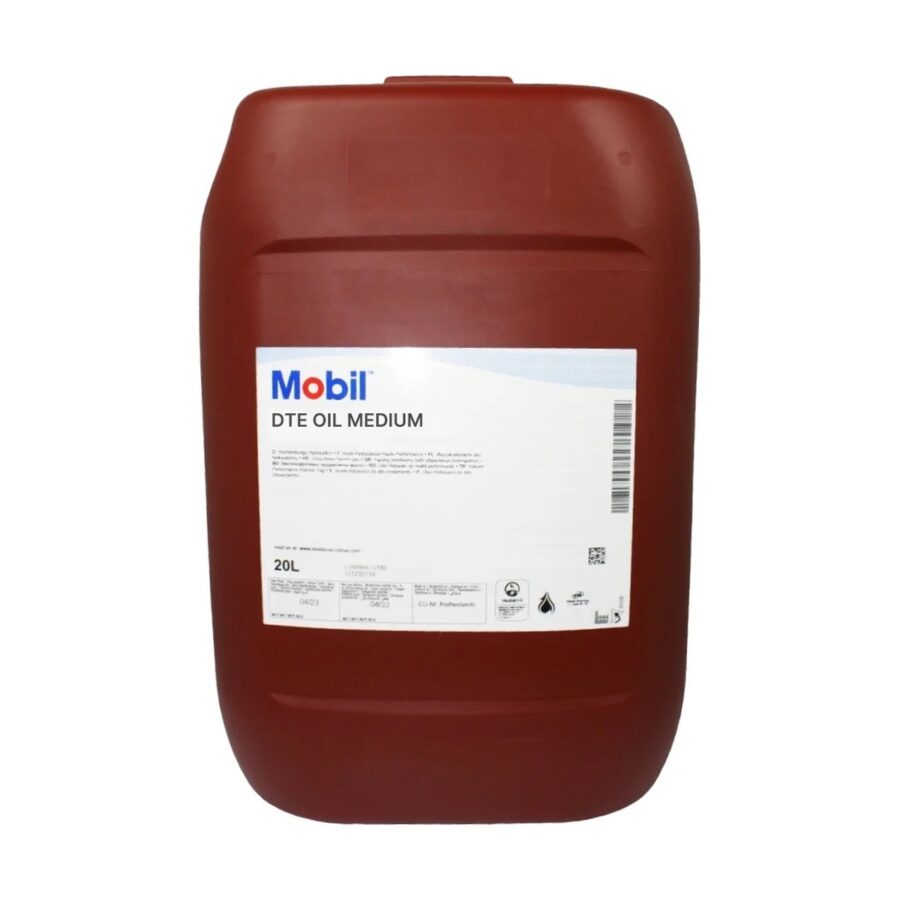
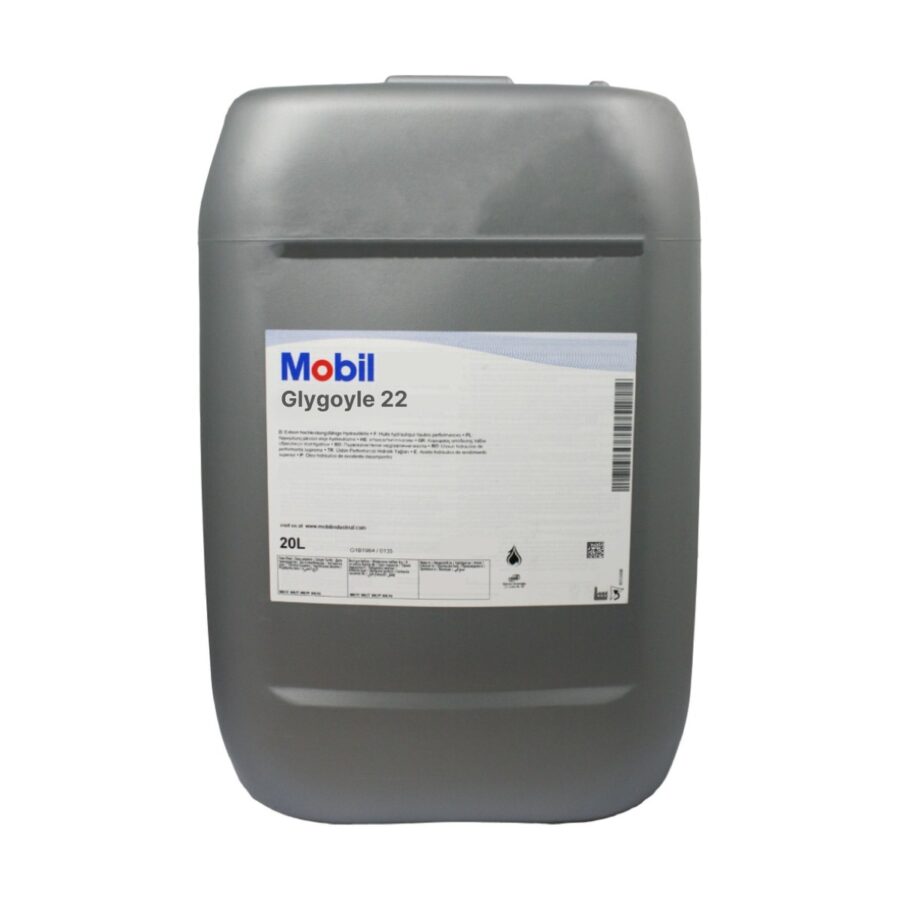
Mobil
High-Performance PAG Gear & Bearing Oil
- Base oil
- Polyalkylene Glycol (PAG)
Lubrication challenges
Steel mills and metal plants run heavily loaded equipment in heat, water and scale. Rolling-mill bearings, casters and furnace equipment need greases and oils that hold up under extreme pressure and high temperature while resisting water washout.
Typical lubrication points
- Rolling-mill roll-neck and work-roll bearings
- Continuous caster segments and bearings
- Furnace, kiln and hot conveyor bearings
- Gearboxes and couplings
- Hydraulic systems
- Bolts and fittings exposed to heat
Recommended product types
We supply original products in the manufacturers’ original sealed packs, from tubes and cartridges for maintenance teams to buckets, canisters and drums for production lines, with technical data sheets on the product pages and safety data sheets on request.
Key points by area
- Blast furnace, BOF and EAF: high-temperature greases and pastes, and anti-seize for bolts exposed to heat.
- Continuous casting: segment roller bearings need greases that resist heat and water spray.
- Hot rolling: heavily loaded roll-neck bearings, large gearboxes and couplings; high-viscosity EP greases and gear oils.
- Cold rolling and processing lines: hydraulics, gearboxes and bearings in cleaner conditions.
Water washout and scale are the main enemies of greases in steel mills. Choose greases with proven water resistance and good adhesion, and relubricate often enough to push out contaminated grease. Aluminium smelting and casting share many of the same needs, plus heavy cranes and pot-tending machines.
Reducing lubricant consumption
Steel mills can consume very large amounts of grease. Optimising quantities, using centralised systems correctly, and moving to greases with better water resistance and adhesion often cut consumption and failures at the same time. Track consumption per line so changes can be measured.
Not sure which grade fits? Send us your application (machine, temperature, load, speed and the product you use now) and we will recommend a suitable Kluber or Mobil grade.
Lubricants for Steel & Metals: frequently asked questions
Which grease is suitable for rolling-mill bearings?
Heavily loaded, water-exposed bearings need EP greases with good water resistance and a high base-oil viscosity. Share the bearing size, speed and temperature and we will suggest a grade.
Do you supply lubricants for aluminium plants?
Yes. Many of the same greases, gear oils and hydraulic oils are used in aluminium smelting and processing.
Why do steel mill bearings fail early?
Common causes are water and scale contamination, the wrong base-oil viscosity for heavy loads, and too little or too infrequent relubrication. A lubrication review usually finds improvements.
Which oil is used for large mill gearboxes?
High-viscosity EP gear oils, mineral or synthetic, as the gearbox maker specifies. Synthetic oils can extend intervals and reduce temperature.