Skip to content

Supplying industry across the UAE, GCC, Middle East & Africa

Industrial Greases

Kluber and Mobil industrial greases for bearings, gears, chains and slides, including high-temperature, long-term, synthetic and extreme-pressure (EP) grades. In stock in the UAE in cartridges, cans, buckets and drums.

98 products · each available in one or more pack sizes

View quote list

Kluber

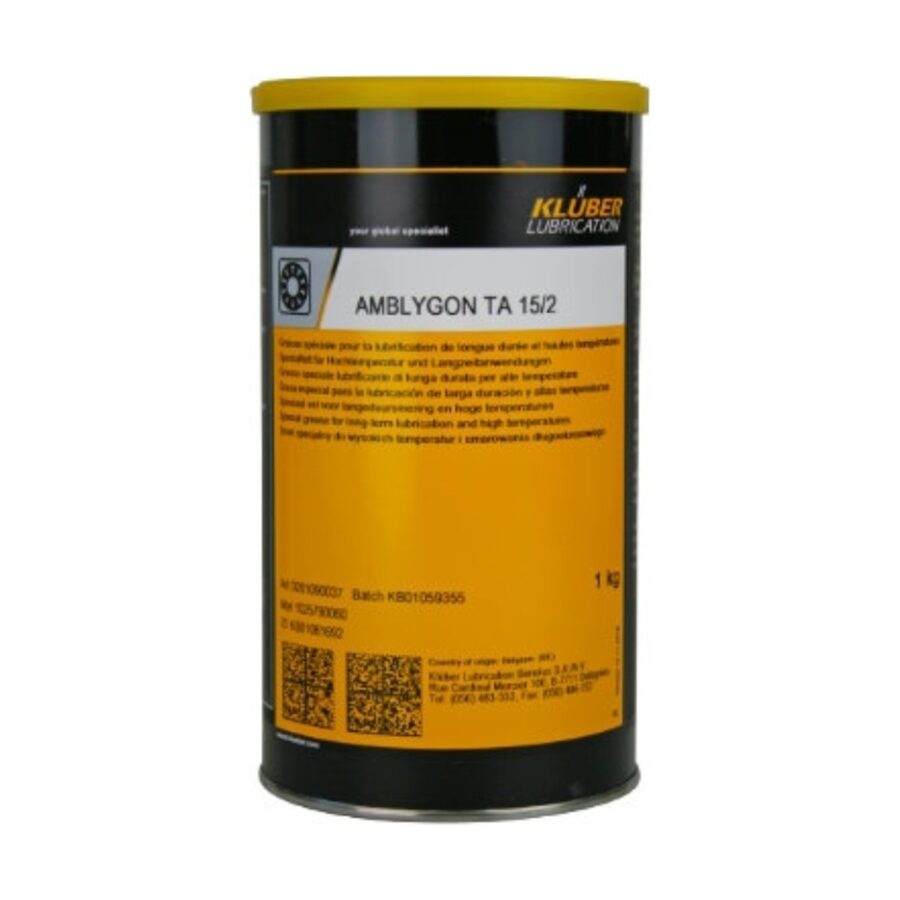
AMBLYGON TA 15/2 Special

Grease for high temperatures

Service temp.
-20 to 150 °C
Base oil @40 °C
220 mm²/s
Base oil
Mineral oil
1kg

Kluber

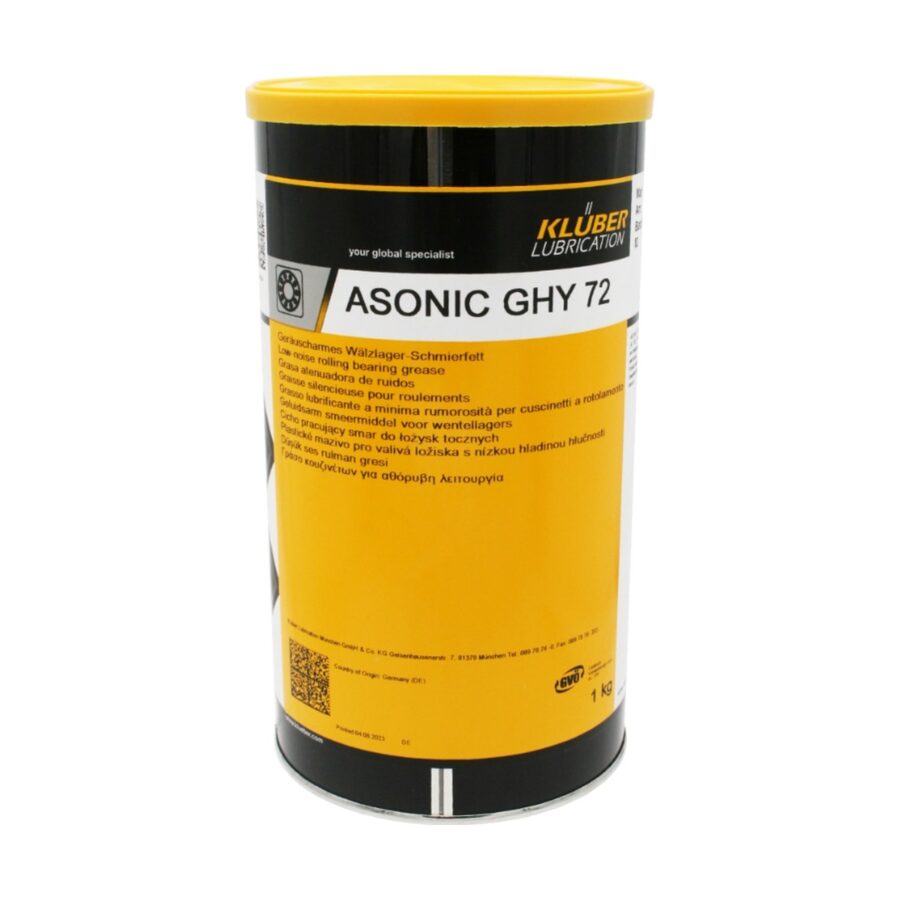
ASONIC GHY 72

Synthetic lubricating grease for long-term

Service temp.
-40 to 180 °C
Base oil @40 °C
72 mm²/s
Base oil
Ester oil
400g · 1kg · 25kg

Kluber

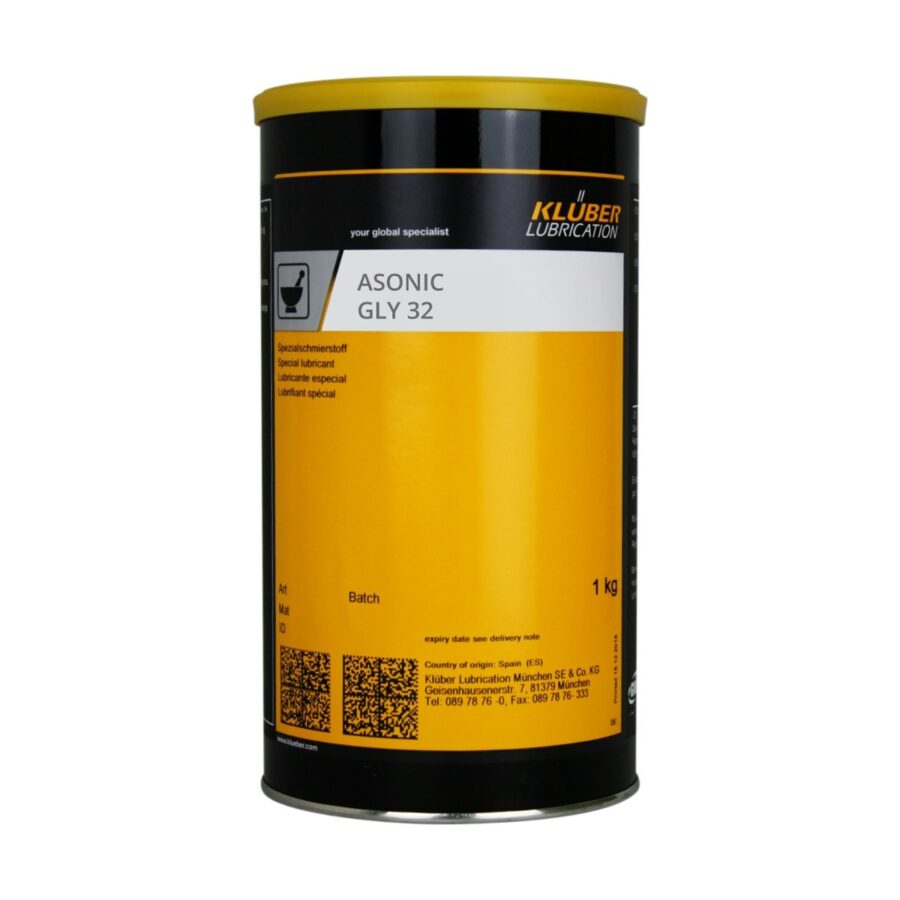
ASONIC GLY 32

Low-temperature lubricating grease

Service temp.
-50 to 140 °C
Base oil @40 °C
25 mm²/s
Base oil
Synthetic hydrocarbon oil
400g · 1kg can

Kluber

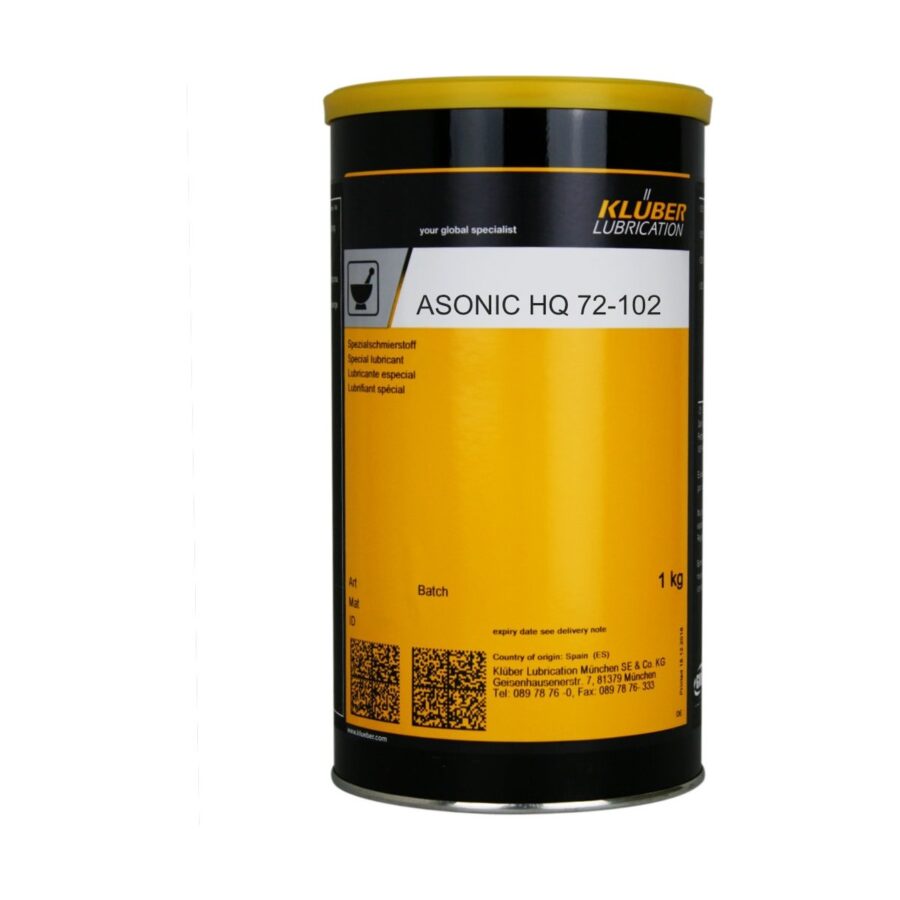
ASONIC HQ 72-102

High-Temperature Lubricating Grease

400g · 1kg tin · 25kg

Kluber

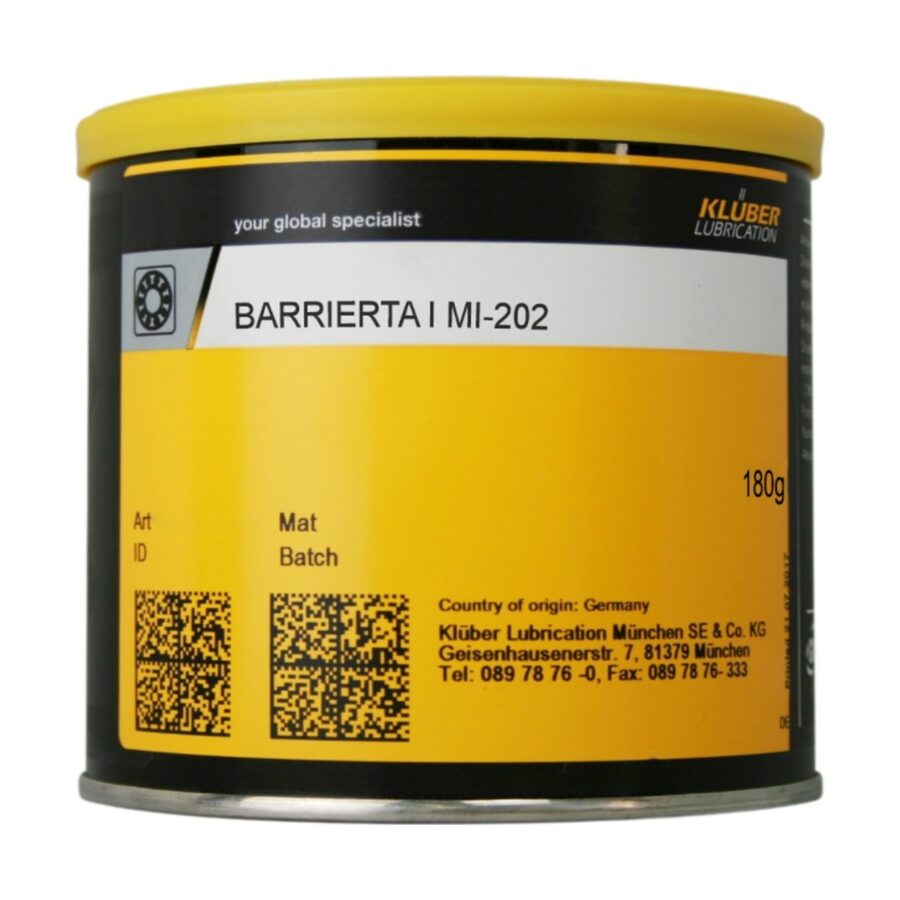
BARRIERTA I MI-202

High-temperature long-term grease

Service temp.
-45 to 240 °C
Base oil @40 °C
200 mm²/s
Base oil
PFPE
180g can

Kluber

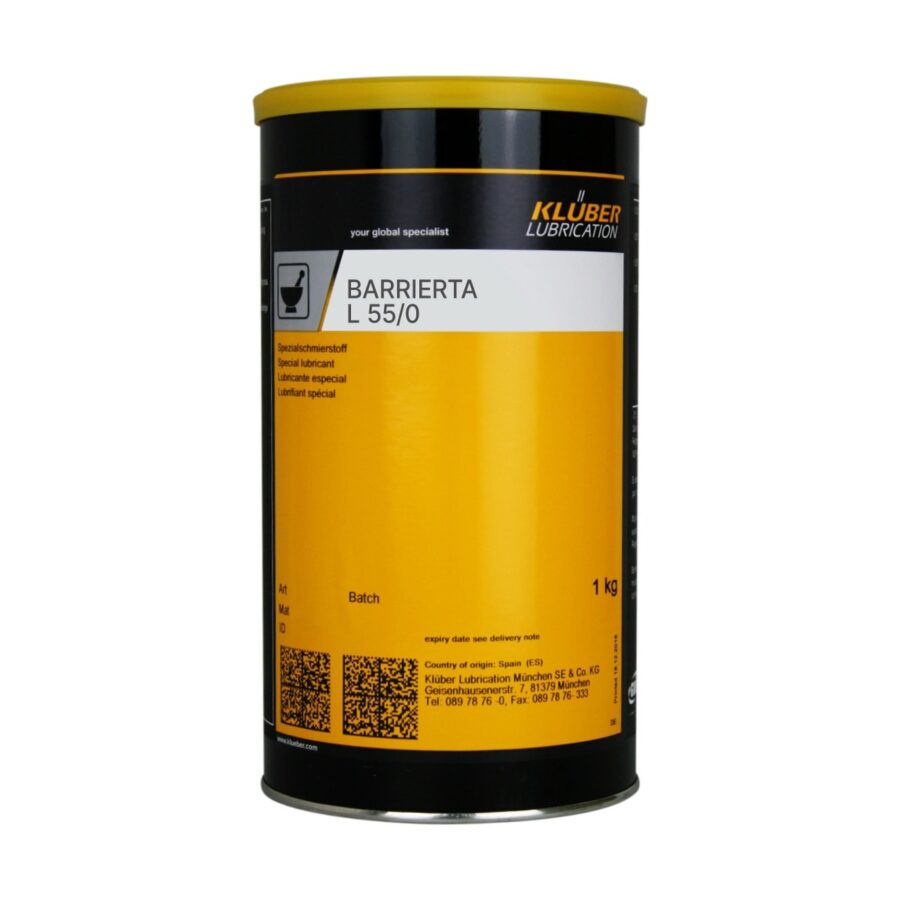
BARRIERTA L 55/0

High-temperature long-term grease

Food grade
NSF H1
1kg

Kluber

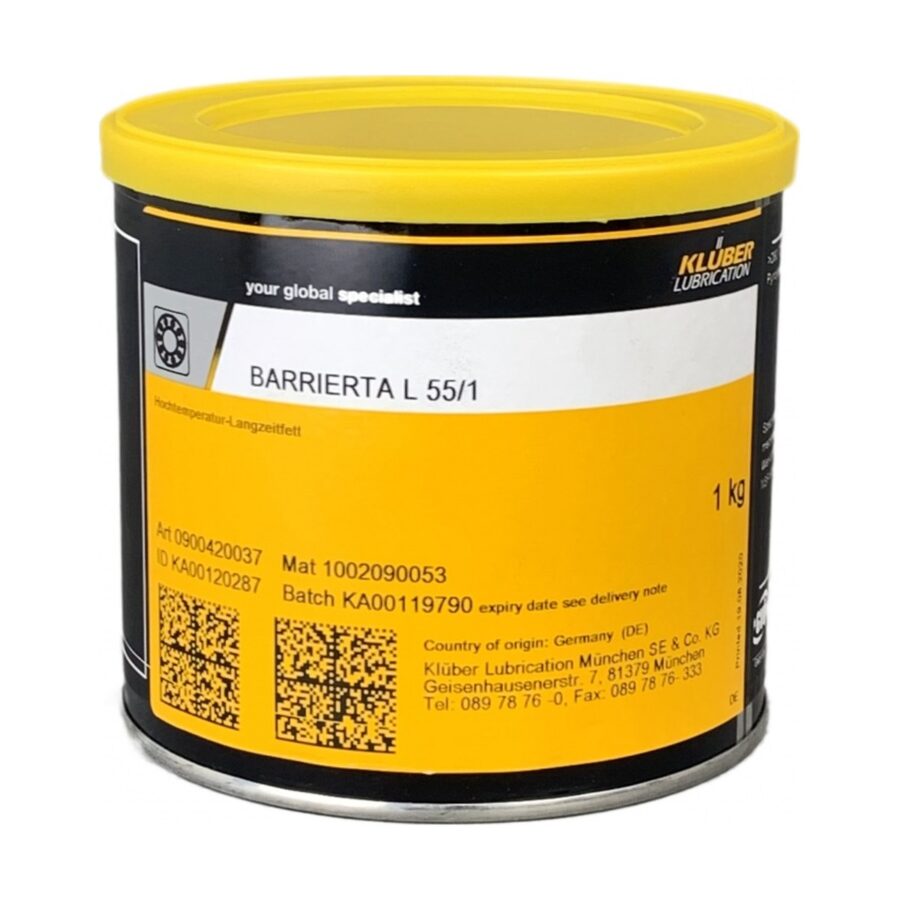
BARRIERTA L 55/1

High-temperature long-term grease

Service temp.
-40 to 260 °C
Base oil @40 °C
420 mm²/s
Base oil
PFPE
180g glass · 800g · 1kg +1

Kluber

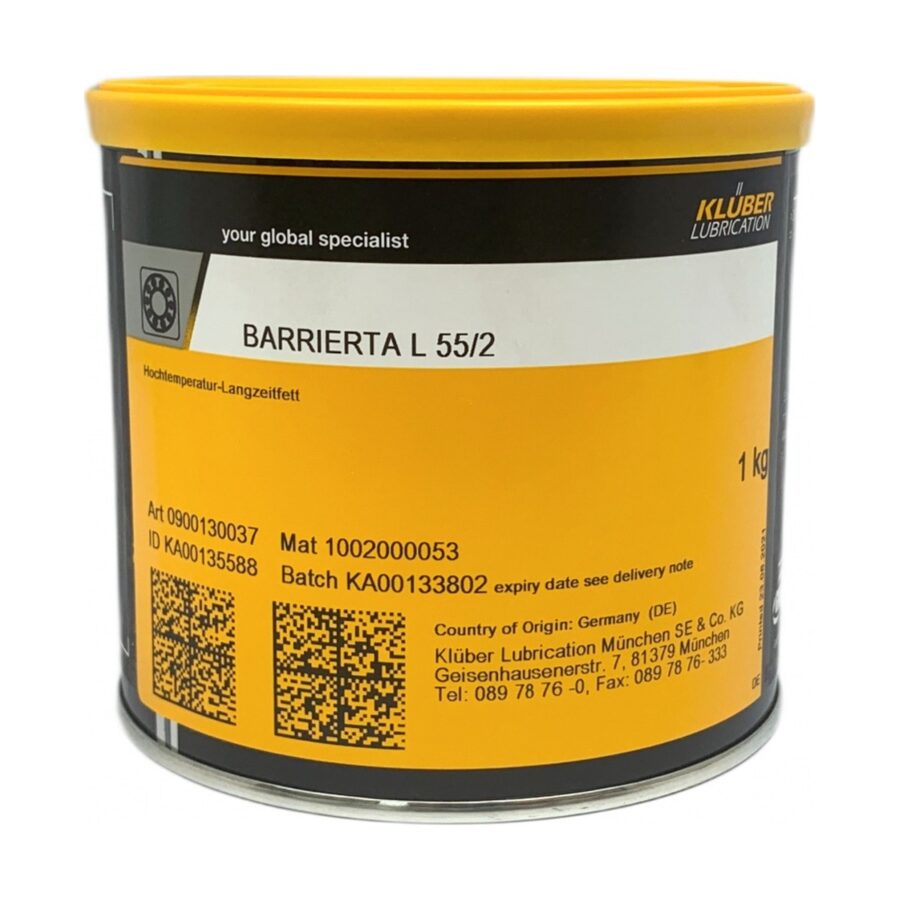
BARRIERTA L 55/2

High-temperature long-term grease

Service temp.
-40 to 260 °C
Base oil @40 °C
420 mm²/s
Base oil
PFPE
100g · 180g can · 800g +2

Kluber

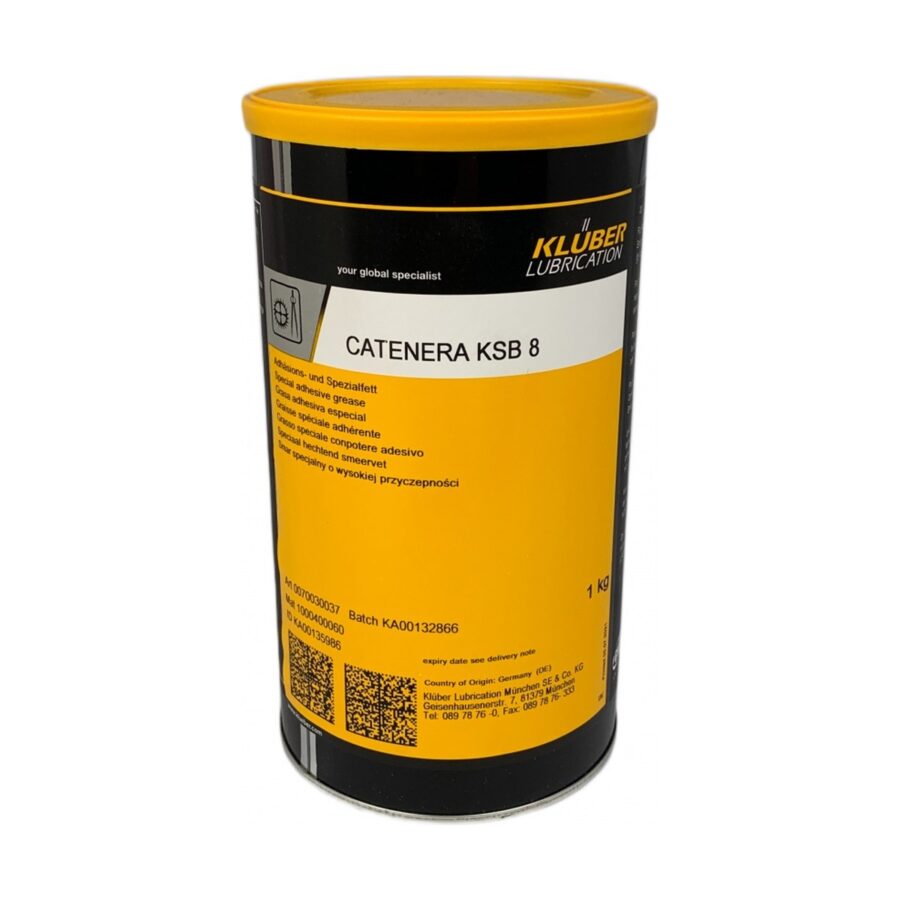
CATENERA KSB 8

Adhesive dampening grease

Service temp.
-30 to 120 °C
Base oil
Paraffinic mineral oil
Food grade
NSF H1
1kg

Kluber

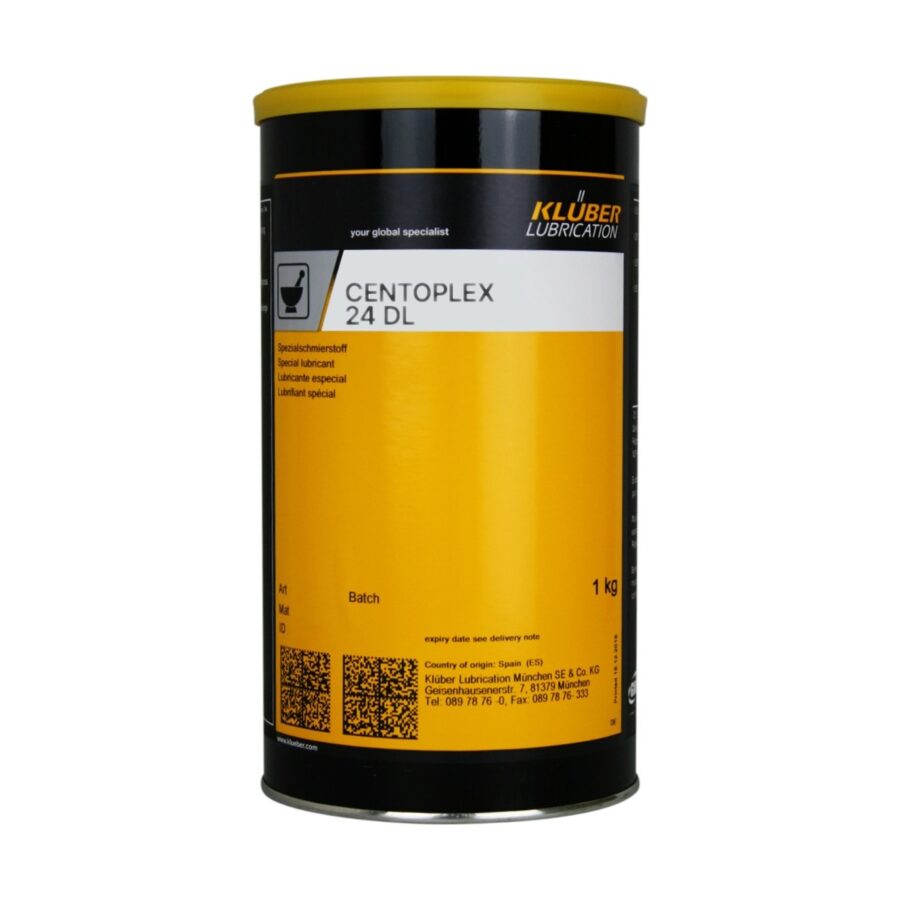
CENTOPLEX 24 DL

Low-temperature grease for bearings

Base oil
Mineral oil
1kg can

Kluber

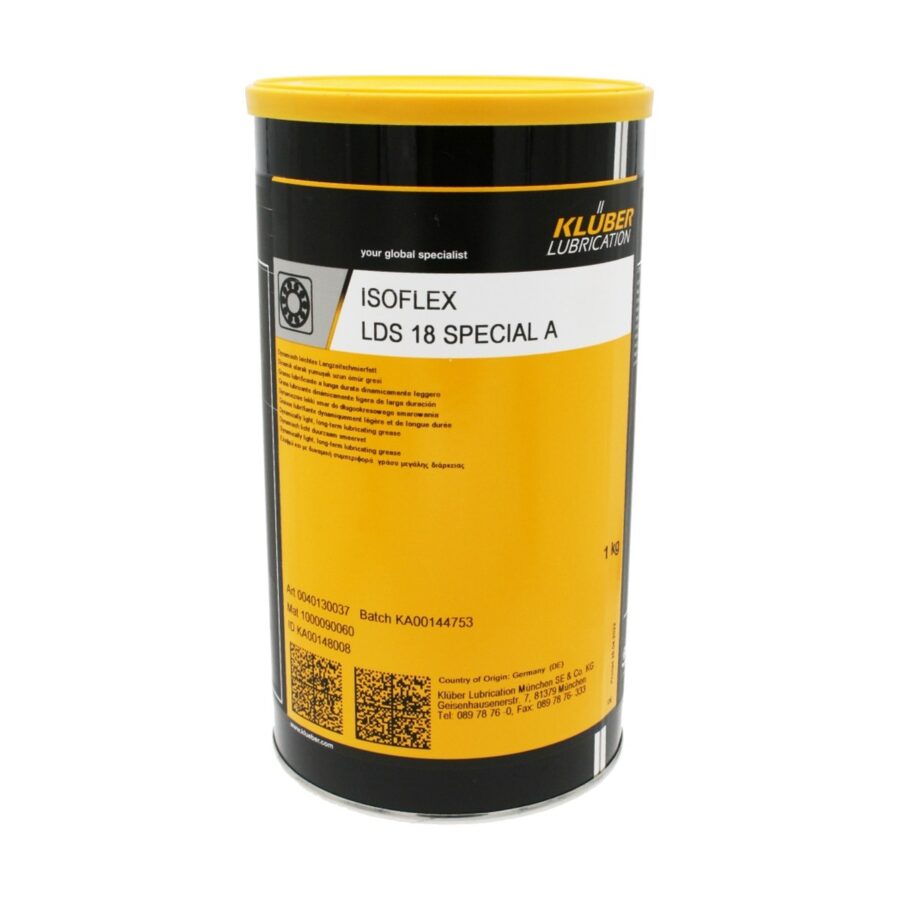
ISOFLEX LDS 18 Special A

Long-term lubricating grease

Service temp.
-50 to 120 °C
Base oil @40 °C
15 mm²/s
Base oil
Mineral oil
400g · 1kg · 25kg

Kluber

ISOFLEX LDS 18 Special A/UV

Long-term lubricating grease

Service temp.
approx. -50 to approx. 120 °C
Base oil @40 °C
15 mm²/s
Base oil
Ester oil
1kg

Kluber

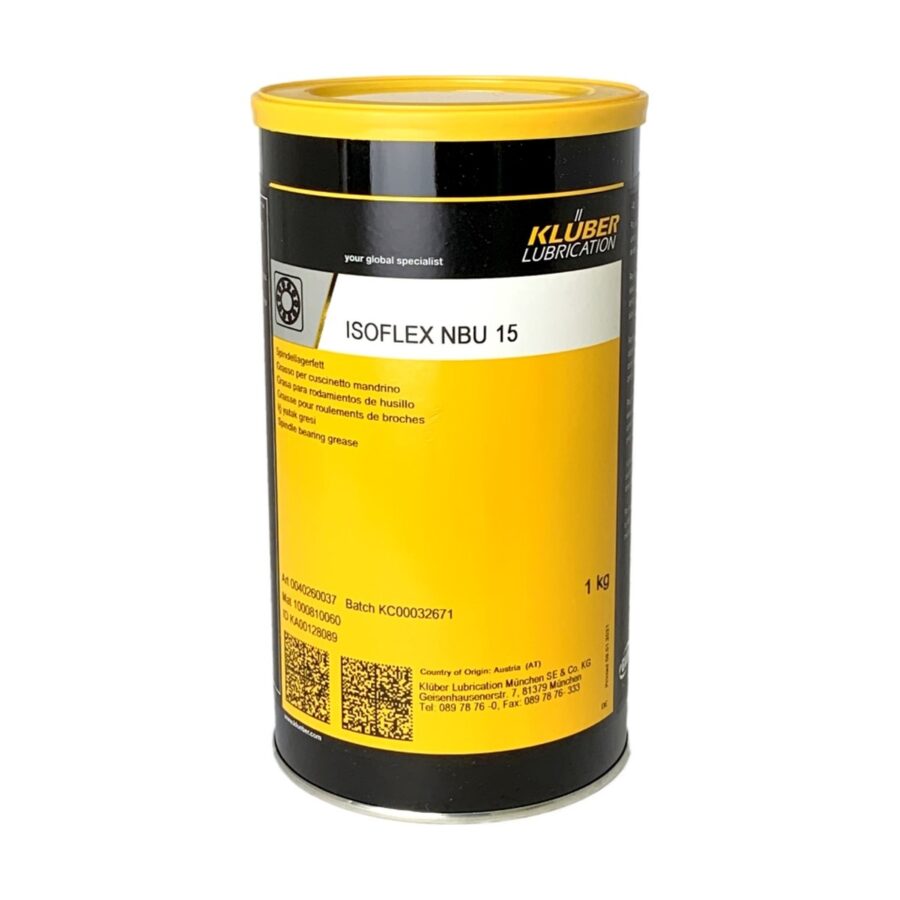
ISOFLEX NBU 15

High speed spindle bearing grease

Service temp.
-40 to 130 °C
Base oil @40 °C
21 mm²/s
50g tube · 400g · 1kg +1

Kluber

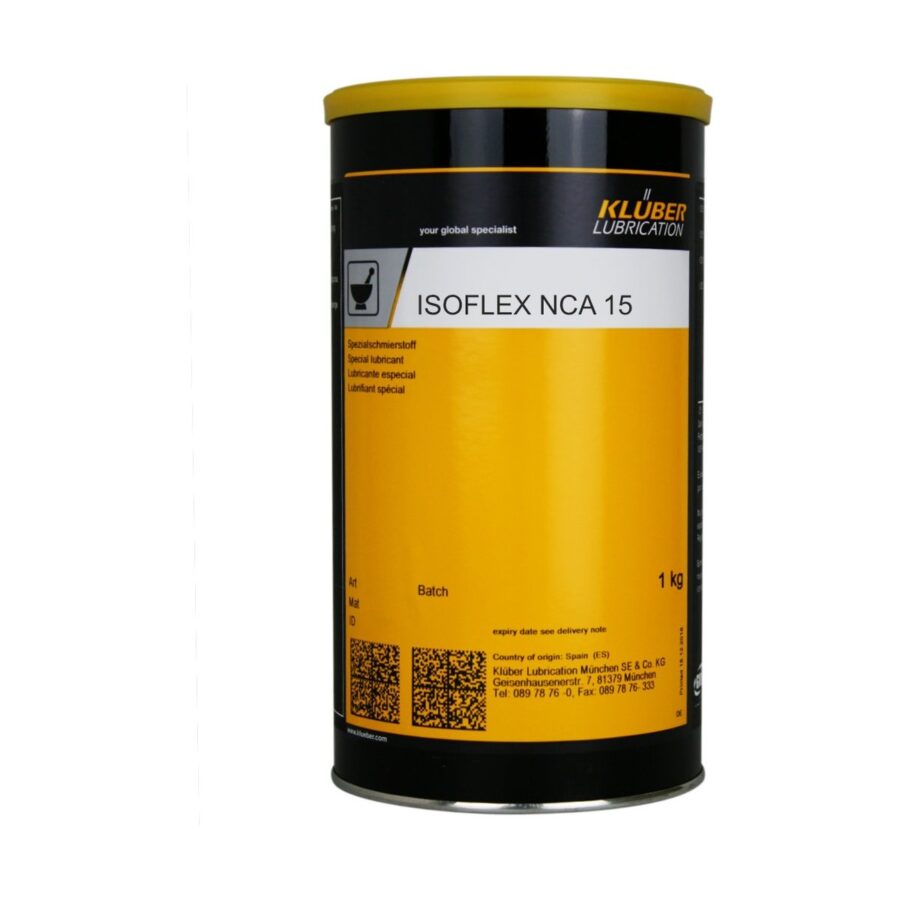
ISOFLEX NCA 15

Spindle bearing grease

Service temp.
-50 to 120 °C
Base oil @40 °C
21 mm²/s
Base oil
Mineral oil
50g tube · 400g cartridge · 1kg can +1

Kluber

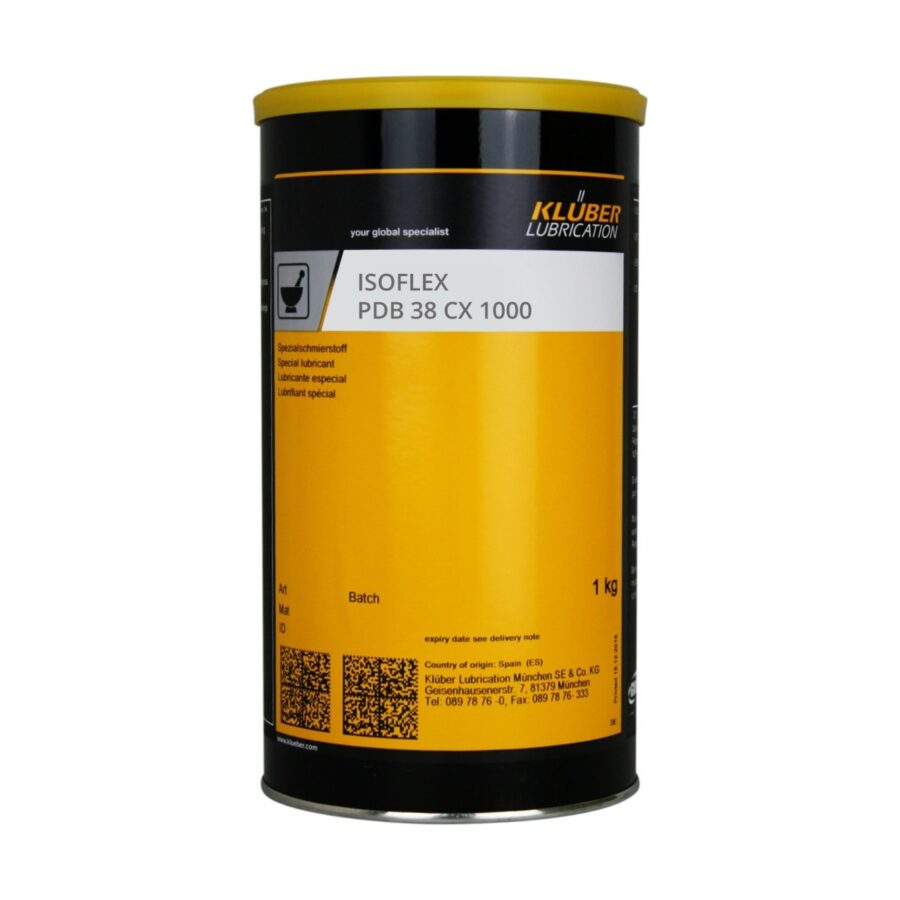
ISOFLEX PDB 38 CX 1000

Low-temperature fluid grease

Service temp.
-60 to 120 °C
Base oil @40 °C
13 mm²/s
1kg can

Kluber

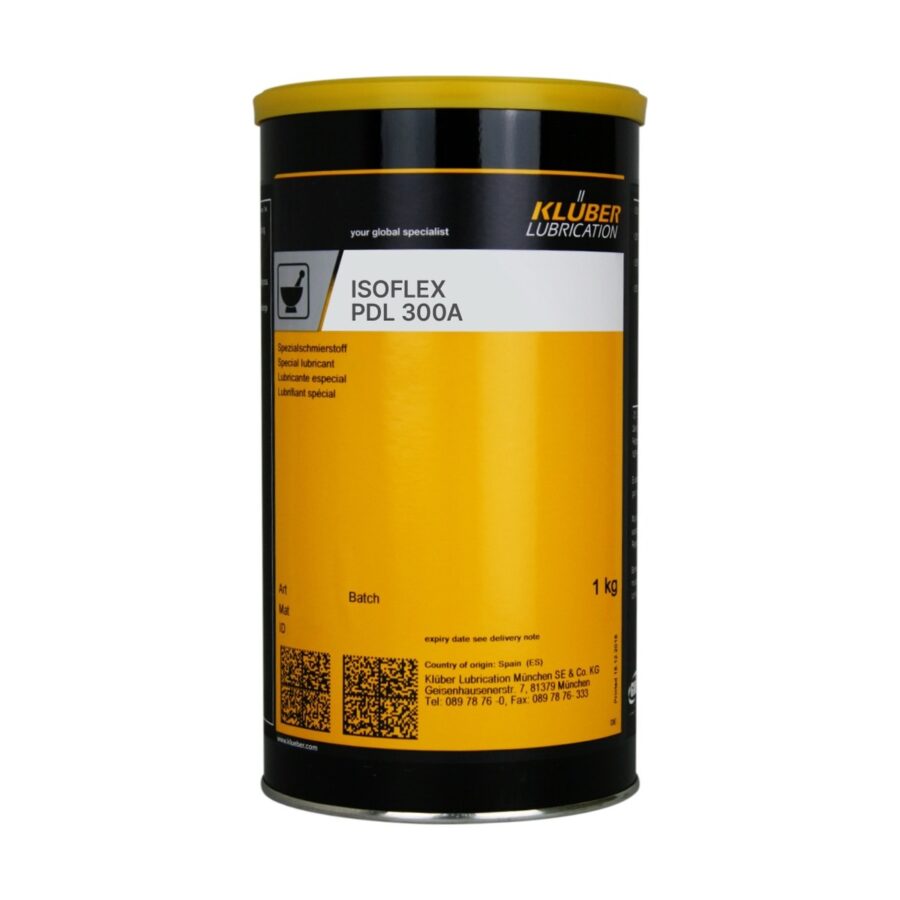
ISOFLEX PDL 300A

High-performance grease for bearings

Service temp.
-70 to 110 °C
Base oil @40 °C
7.5 mm²/s
1kg

Kluber

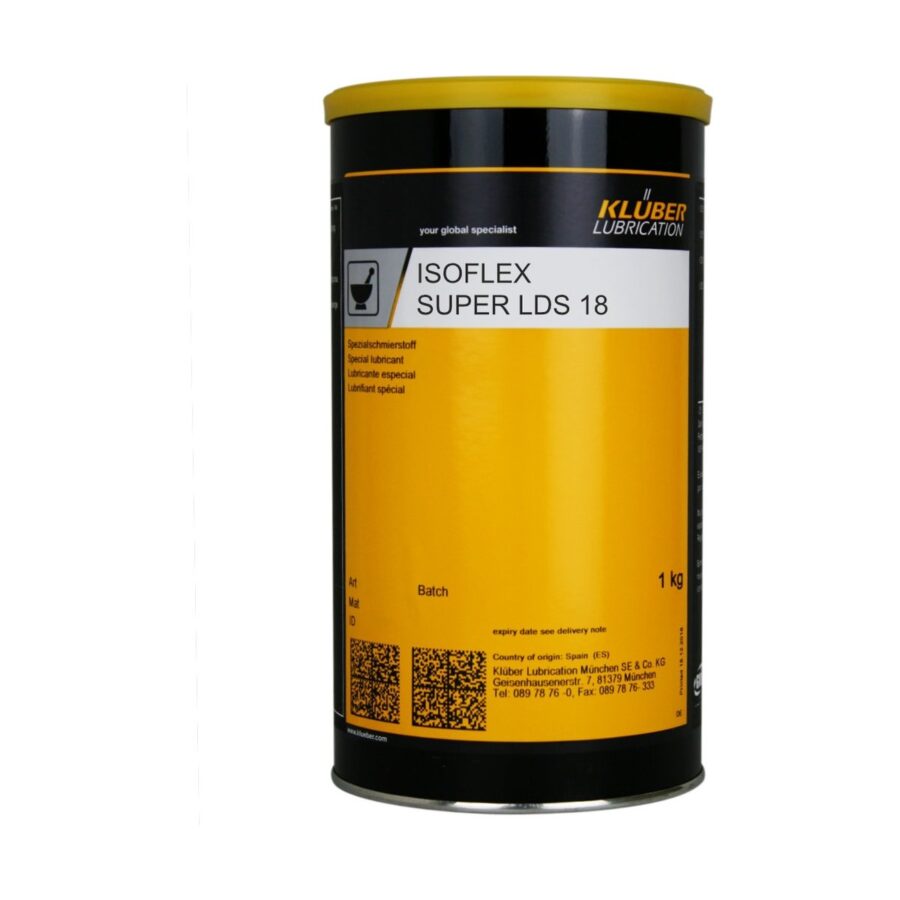
ISOFLEX SUPER LDS 18

High-speed and smooth-running grease

Service temp.
-50 to 120 °C
Base oil @40 °C
15.5 mm²/s
Base oil
Mineral oil
370g · 1kg · 25kg

Kluber

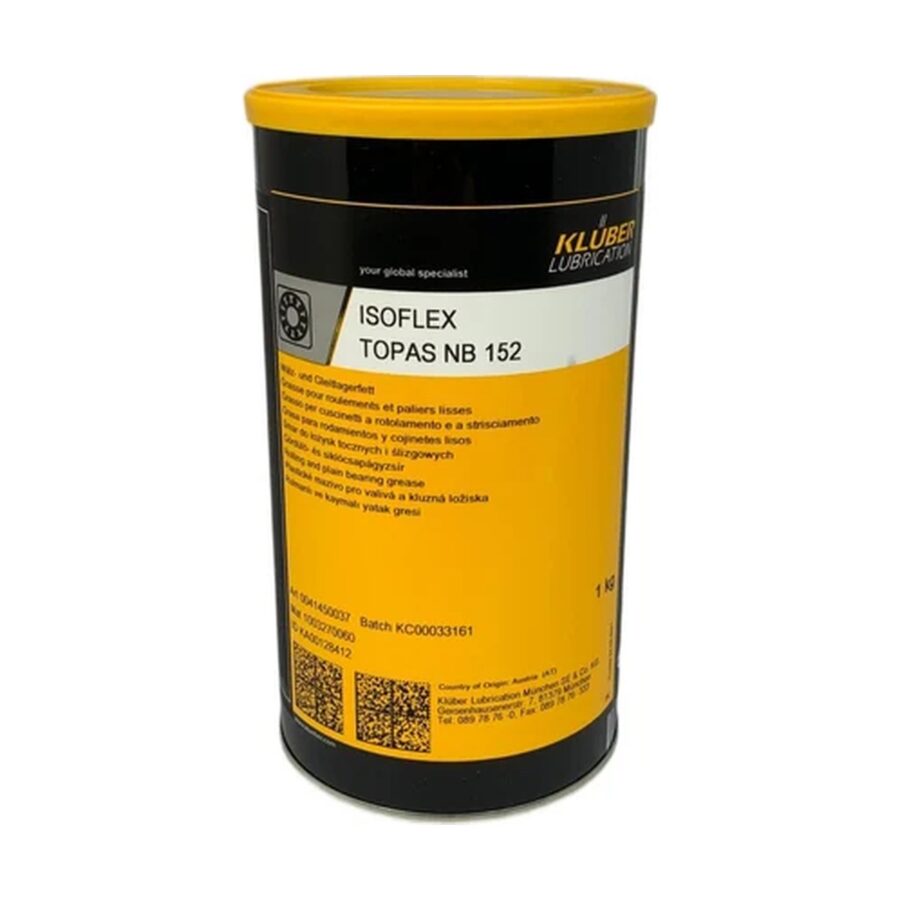
Isoflex Topas NB 152

Synthetic rolling plain bearing grease

Service temp.
-50 to 120 °C
Base oil @40 °C
30 mm²/s
1kg

Kluber

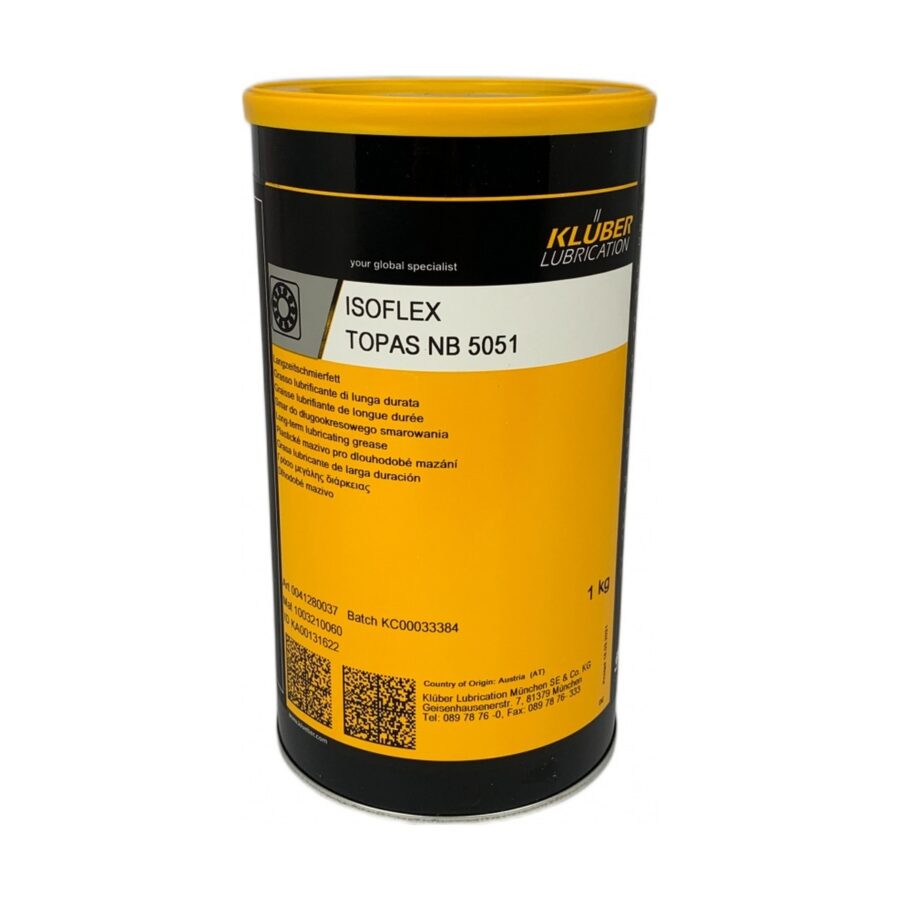
ISOFLEX TOPAS NB 5051

Synthetic long-term grease

Service temp.
-60 to 130°C
Base oil @40 °C
30 mm²/s
Base oil
Synthetic hydrocarbon oil
400g cartridge · 1kg · 25kg

Kluber

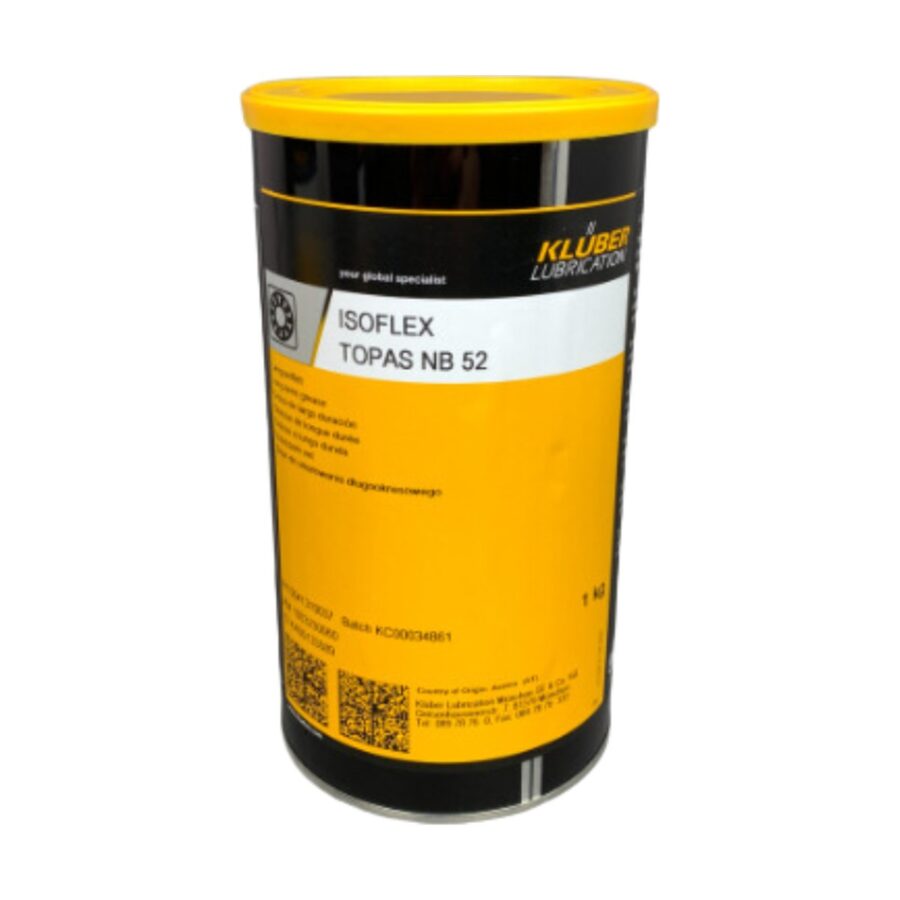
ISOFLEX Topas NB 52

Synthetic rolling plain bearing grease

Service temp.
-50 to 120 °C
Base oil @40 °C
30 mm²/s
Base oil
Synthetic hydrocarbon oil
1kg

How to choose an industrial grease

A grease is a base oil held in a thickener, plus additives. The right choice depends on what the bearing or contact actually sees in service. Work through these points before you compare products:

  • Operating temperature: check both the lowest and highest temperature at the lubrication point. The grease’s service temperature range must cover them with a margin.
  • Speed: high-speed spindle and motor bearings need low-viscosity base oils and greases rated for a high speed factor (n × dm); slow, heavily loaded bearings need a higher base-oil viscosity.
  • Load and shock: heavy or shock loads call for extreme-pressure (EP) additives or solid lubricants.
  • Environment: water, steam, dust, chemicals or food contact each narrow the choice (water-resistant, sealing or NSF H1 greases).
  • Relubrication: long-life synthetic greases can extend relubrication intervals or allow lifetime lubrication.
  • Consistency (NLGI grade): softer grades (00–1) for centralised systems and gearboxes, NLGI 2 for most bearings, firmer grades where sealing matters.

Thickener types at a glance

  • Lithium and lithium complex: versatile multipurpose and EP greases for general bearings (e.g. Mobilux EP, Mobilith SHC, Mobil XHP 222).
  • Polyurea: long-life greases for electric motors and high temperatures (e.g. Mobil Polyrex EM, Kluber PETAMO, Kluberquiet).
  • Barium complex: water-resistant, high-pressure greases for rolling and plain bearings (e.g. Kluber STABURAGS, ISOFLEX TOPAS NB).
  • PTFE / PFPE: very high temperatures and chemical resistance (e.g. Kluber BARRIERTA L 55, Klubertemp).

Mixing greases with different thickeners can soften or harden them, so when you change product, clean out the old grease or ask us to check compatibility.

Grease types we supply

We supply original products in the manufacturers’ original sealed packs, from tubes and cartridges for maintenance teams to buckets, canisters and drums for production lines, with technical data sheets on the product pages and safety data sheets on request.

Base-oil viscosity: the most important number

The base-oil viscosity, usually stated at 40 °C on the data sheet, decides how thick the lubricating film is. Slow, heavily loaded bearings need a high base-oil viscosity (often several hundred mm²/s) to keep the surfaces apart, while fast spindles and small motors need a low viscosity to limit friction and heat. Choosing the wrong viscosity is a more common cause of bearing failure than choosing the wrong brand.

Relubrication: how much and how often

  • Follow the bearing or machine maker’s quantity and interval where given; intervals shorten sharply as temperature and speed rise.
  • Too much grease causes churning, heat and blown seals, especially in electric motors.
  • Too little, or too rarely, lets contaminants in and the film break down.
  • Use the same grease each time, or clean out the old grease before changing product.
  • Centralised and single-point lubricators give small, regular doses and suit hard-to-reach or critical bearings.

Common grease problems and what they mean

  • Grease hardened or darkened: overheating or oxidation. Consider a higher-temperature or synthetic grease, or shorter intervals.
  • Oil separating and leaking: temperature too high, or two incompatible greases mixed.
  • Grease washed out: water exposure. Use a water-resistant grease.
  • Noisy or hot bearing after greasing: often over-greasing; the temperature normally settles once excess grease is expelled.
  • Abrasive particles in the grease: poor sealing. Use a firmer grade or relubricate more often to purge dirt.

Storage and handling

Store grease in closed original containers in a cool, dry place, and keep grease guns and fittings clean. The minimum shelf life from the date of manufacture is stated in the product data for many grades. A little oil on the surface of grease that has been standing is normal; stir it back in carefully.

Not sure which grade fits? Send us your application (machine, temperature, load, speed and the product you use now) and we will recommend a suitable Kluber or Mobil grade.

Industrial Greases: frequently asked questions

What is the difference between NLGI 1 and NLGI 2 grease?

NLGI grades describe consistency. NLGI 1 is softer and flows more easily, which suits centralised lubrication systems and low temperatures; NLGI 2 is the most common grade for rolling bearings.

Can I mix two different greases?

It is best not to. Greases with different thickeners or base oils can be incompatible, which can soften the grease and cause leakage or bearing failure. Remove the old grease where possible, or ask us to check compatibility.

Which grease is best for high temperatures?

It depends on the temperature and speed. Polyurea and synthetic greases cover most applications up to about 180 °C, while PFPE/PTFE greases such as Kluber BARRIERTA L 55 are used for higher temperatures. Use the lubricant finder to filter by upper service temperature.

Do you supply grease in cartridges?

Yes, many grades are available in cartridges as well as cans, tins, buckets and drums. Each product page lists the pack sizes we supply.

What base-oil viscosity do I need?

It depends on bearing size, speed and temperature. Slow, heavily loaded bearings need a high base-oil viscosity; fast spindles need a low one. Send us the bearing details and we will suggest a grade.

How long can grease be stored?

Many data sheets give a minimum shelf life from the date of manufacture when stored dry and frost-free in the unopened original container. Check the TDS for the grade you use.

Send your requirement list. Receive one quotation within one business day.
Price, stock, lead time and TDS/SDS documents for every grade you need.

Lubricant Selector