Food-Grade Lubricants (NSF H1)
NSF H1 registered lubricants for food, beverage, pharmaceutical and packaging machinery where incidental food contact may occur, including Kluber greases and pastes and Mobil SHC Cibus oils.
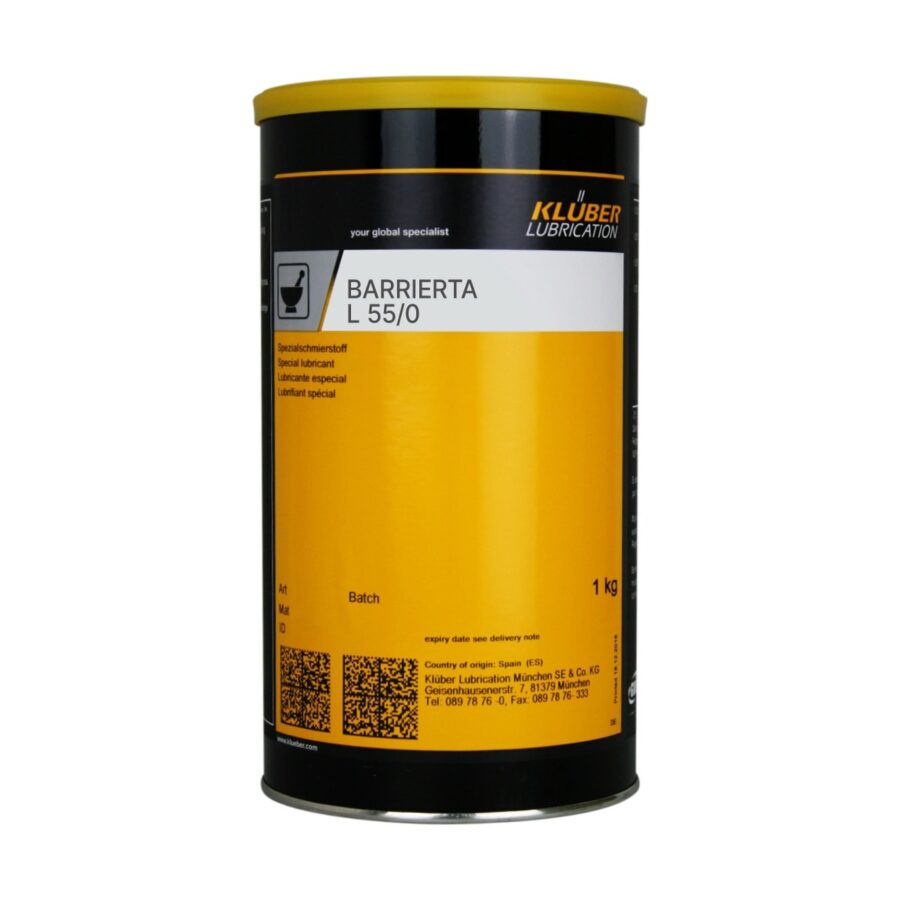
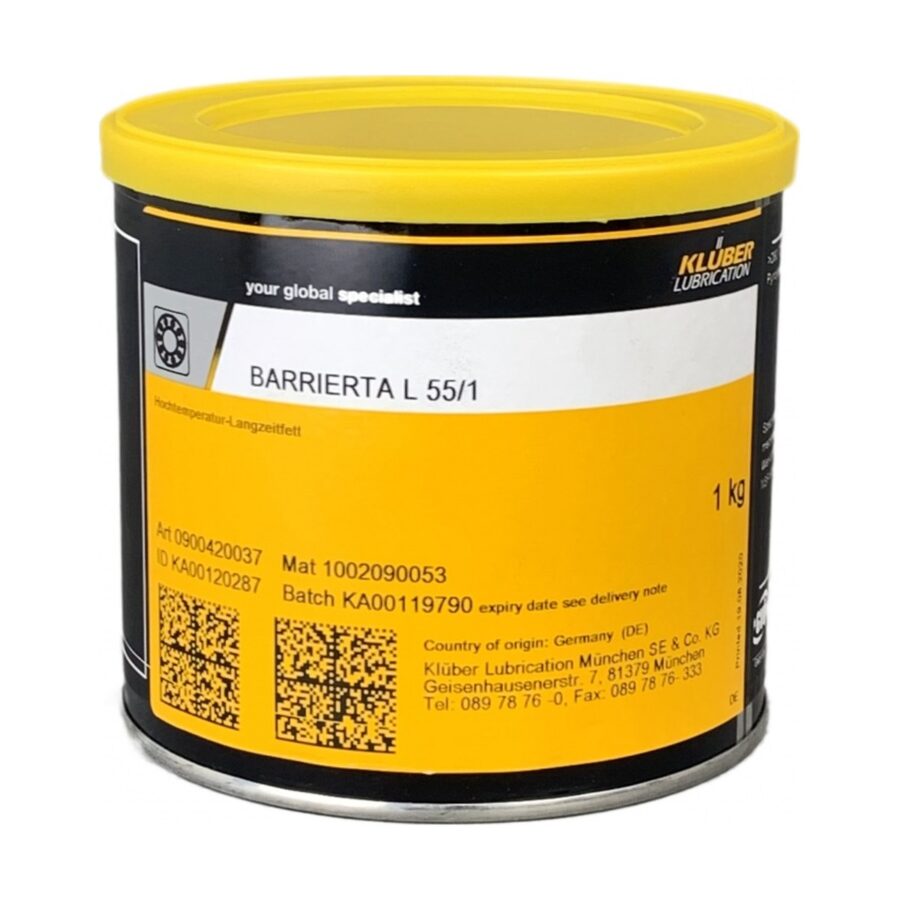
Kluber
High-temperature long-term grease
- Service temp.
- -40 to 260 °C
- Base oil @40 °C
- 420 mm²/s
- Base oil
- PFPE
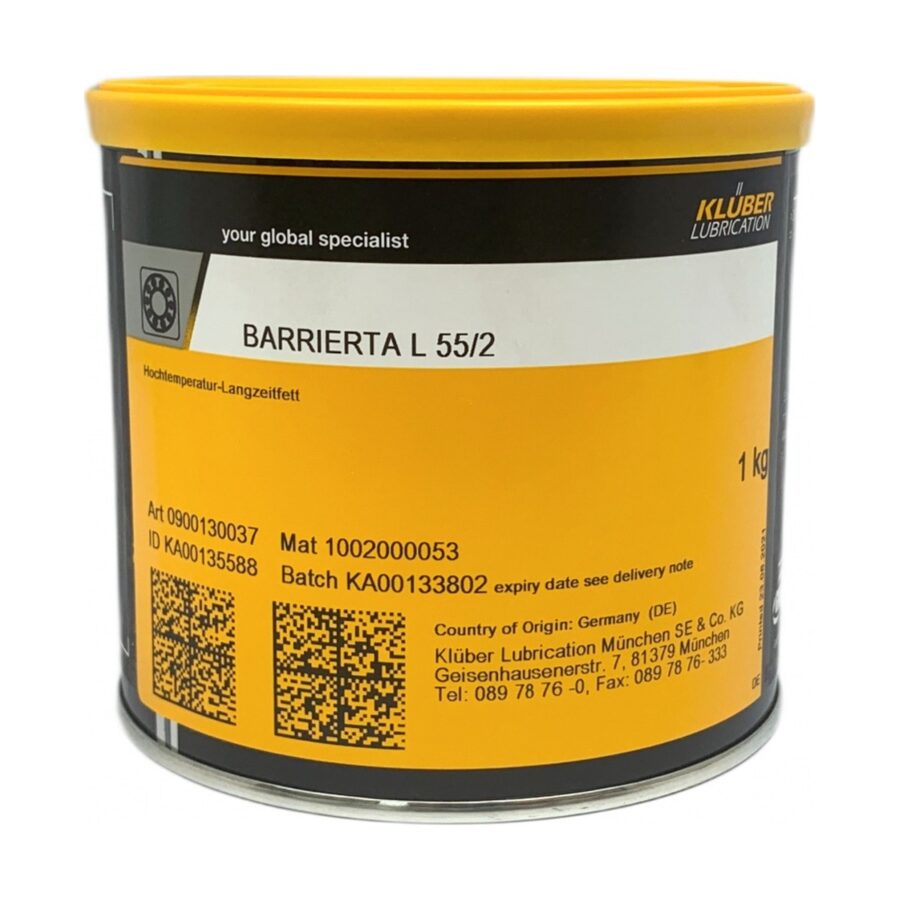
Kluber
High-temperature long-term grease
- Service temp.
- -40 to 260 °C
- Base oil @40 °C
- 420 mm²/s
- Base oil
- PFPE
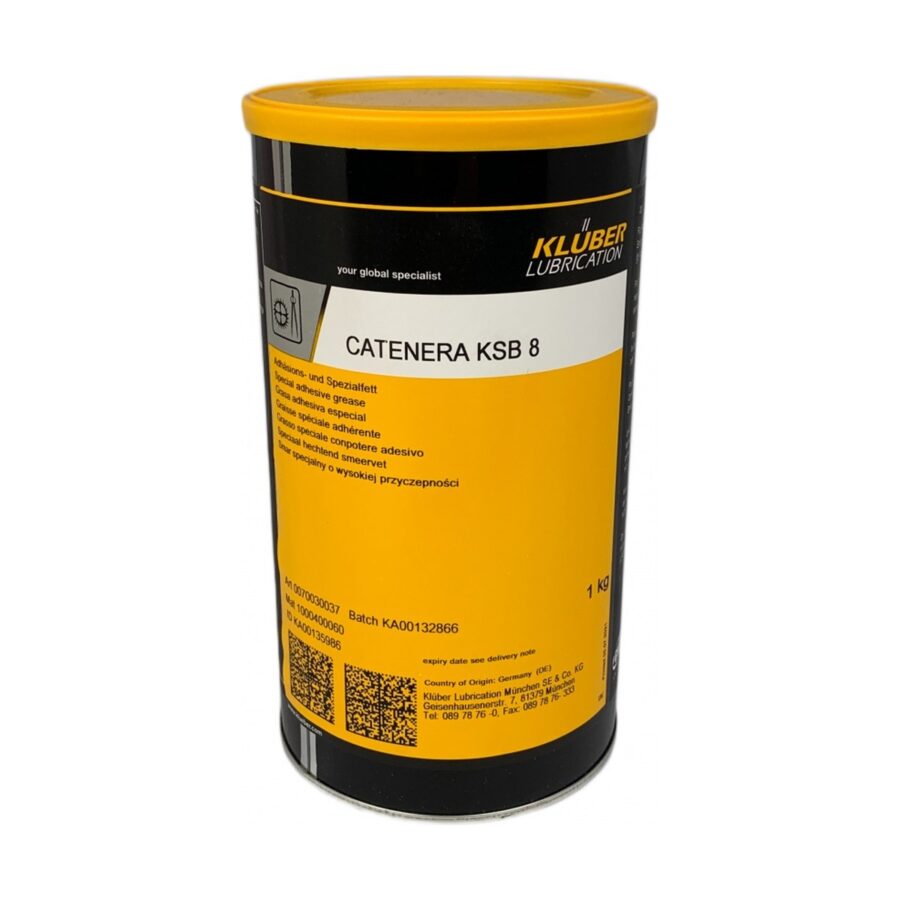
Kluber
Adhesive dampening grease
- Service temp.
- -30 to 120 °C
- Base oil
- Paraffinic mineral oil
- Food grade
- NSF H1
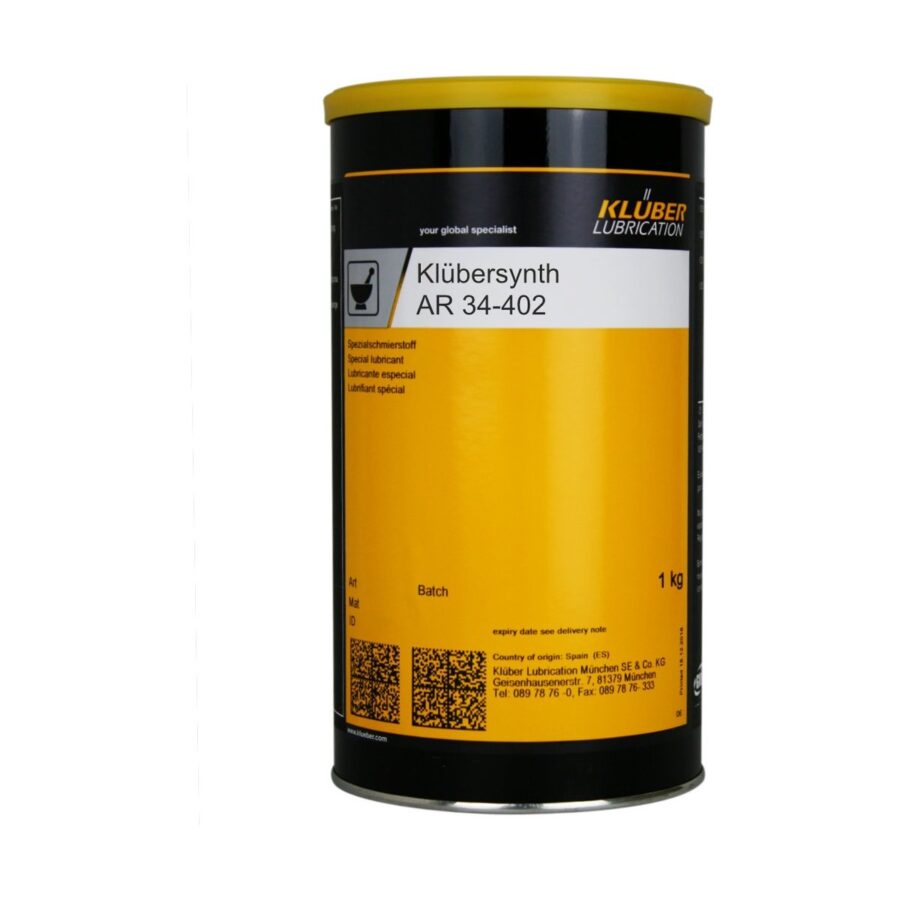
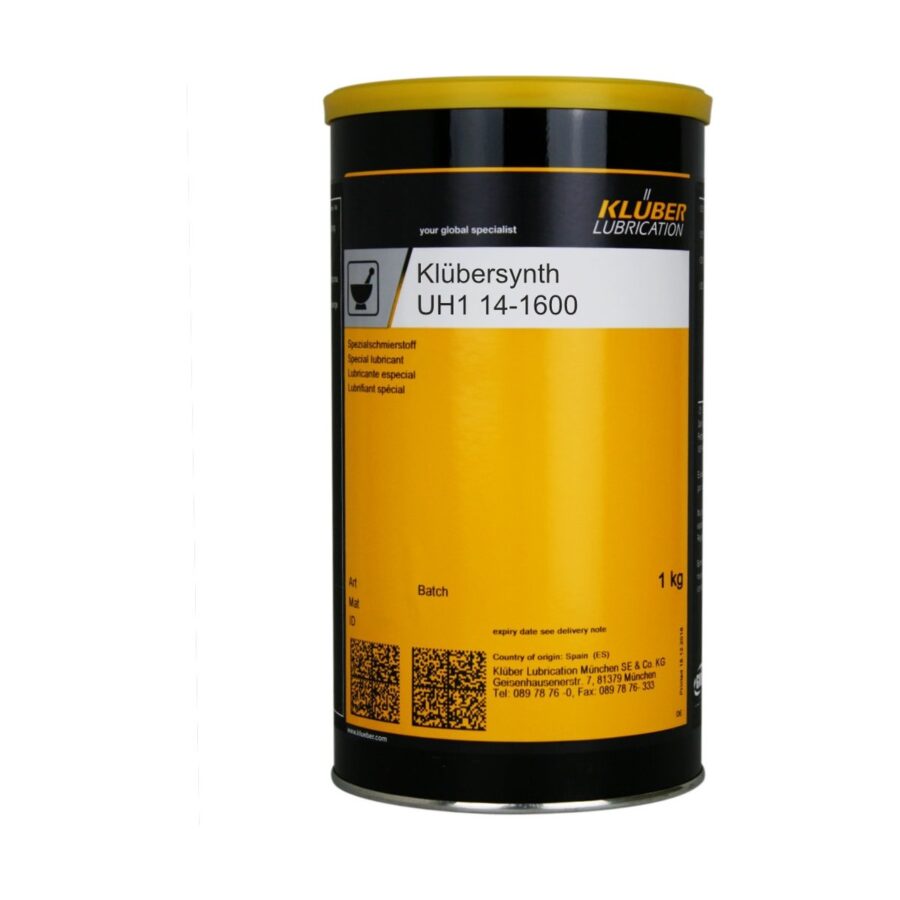
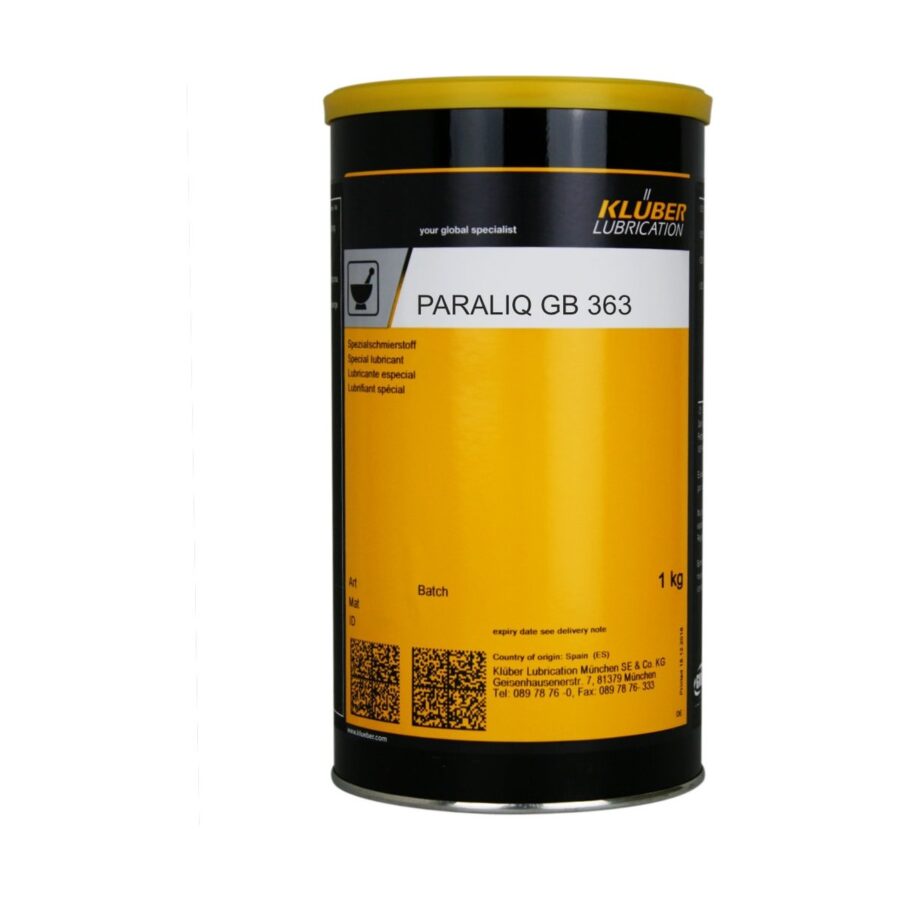
Kluber
Synthetic grease for valves
- Service temp.
- -30 to 140 °C
- Base oil @40 °C
- 2 400 mm²/s
- Base oil
- Synthetic hydrocarbon oil
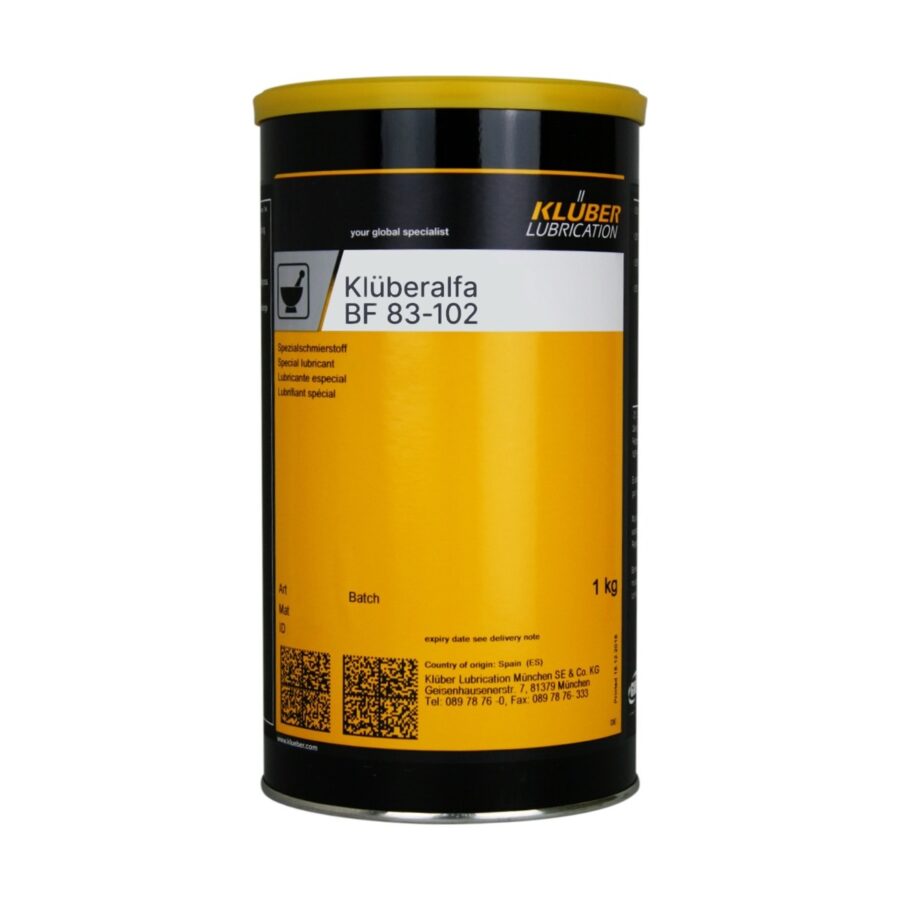
Kluber
High temperature and speed bearing grease
- Base oil @40 °C
- 110 mm²/s
- Base oil
- PFPE
- Food grade
- NSF H1
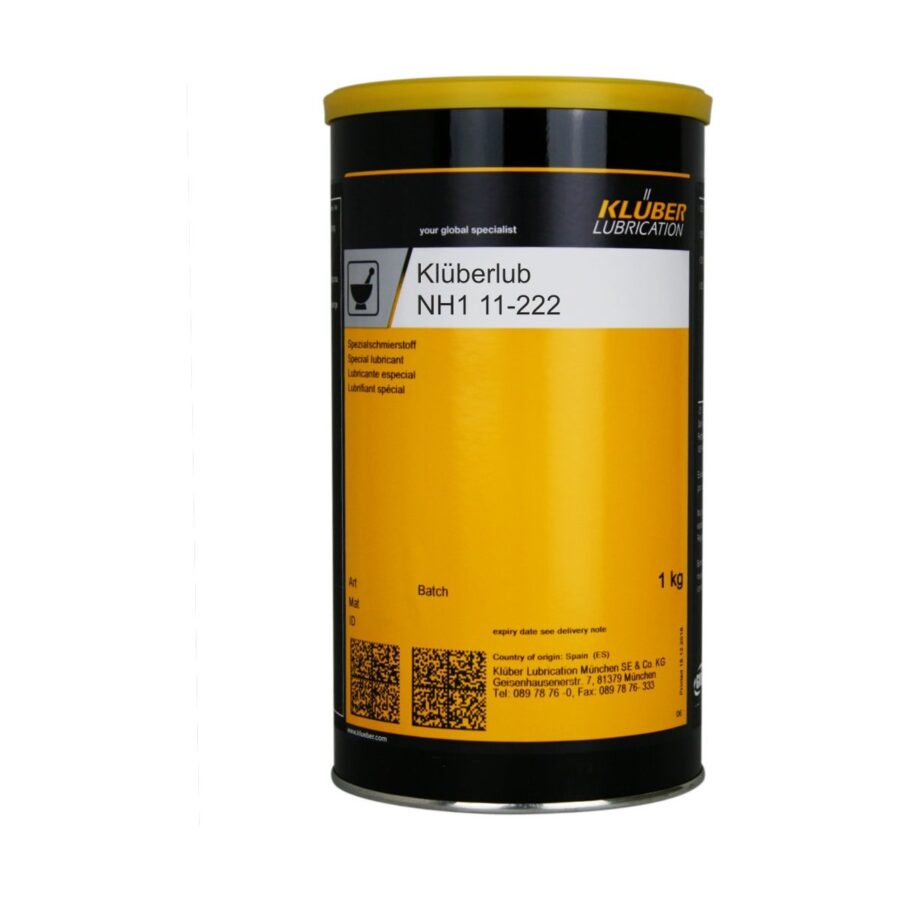
Kluber
Kluberlub NH1 11-222 Multi-purpose
Lubricant for food industry
- Service temp.
- -15 to 100 °C
- Base oil
- Paraffinic mineral oil
- Food grade
- NSF H1
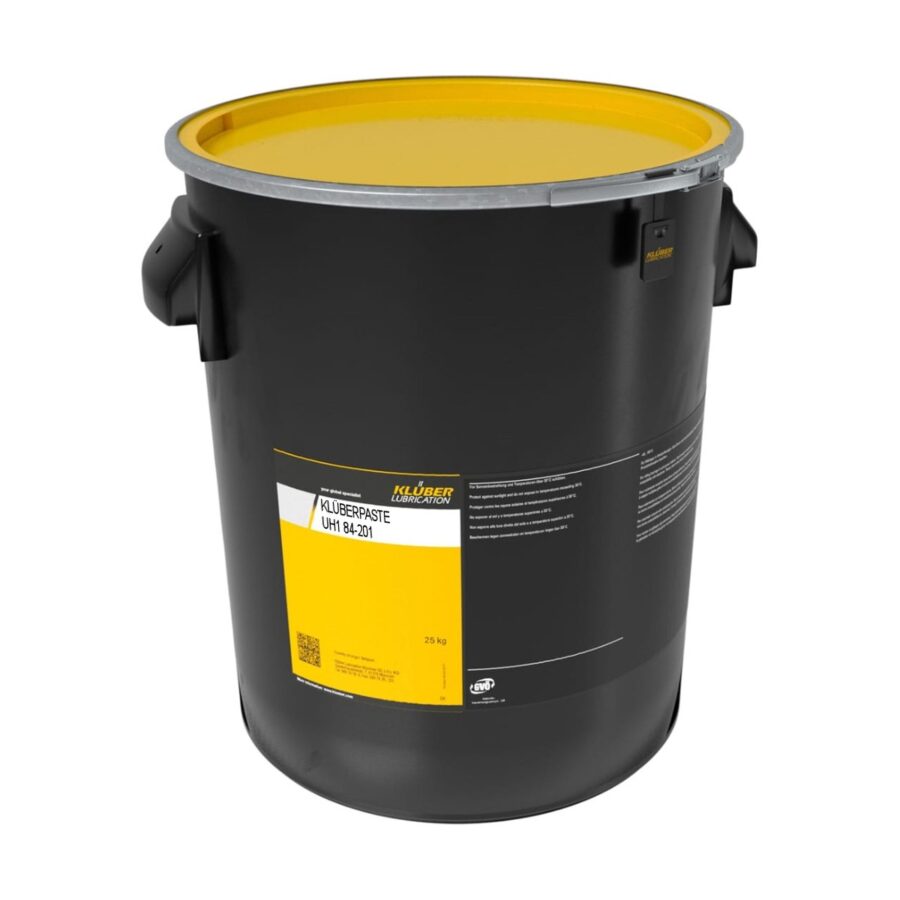
Kluber
White lubricating and assembly paste
- Service temp.
- -45 to 120 °C
- Food grade
- NSF H1
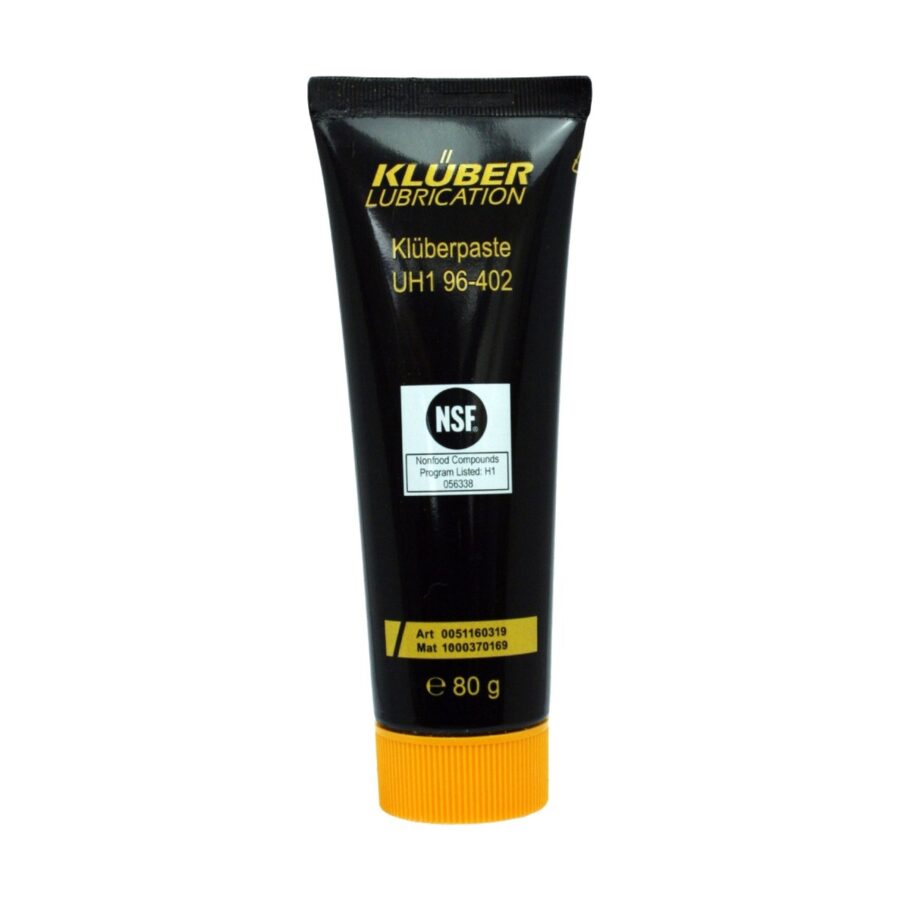
Kluber
Kluberpaste UH1 96-402 High-temp
Paste for food-processing
- Service temp.
- -30 to 1200 °C
- Base oil @40 °C
- 360 mm²/s
- Food grade
- NSF H1
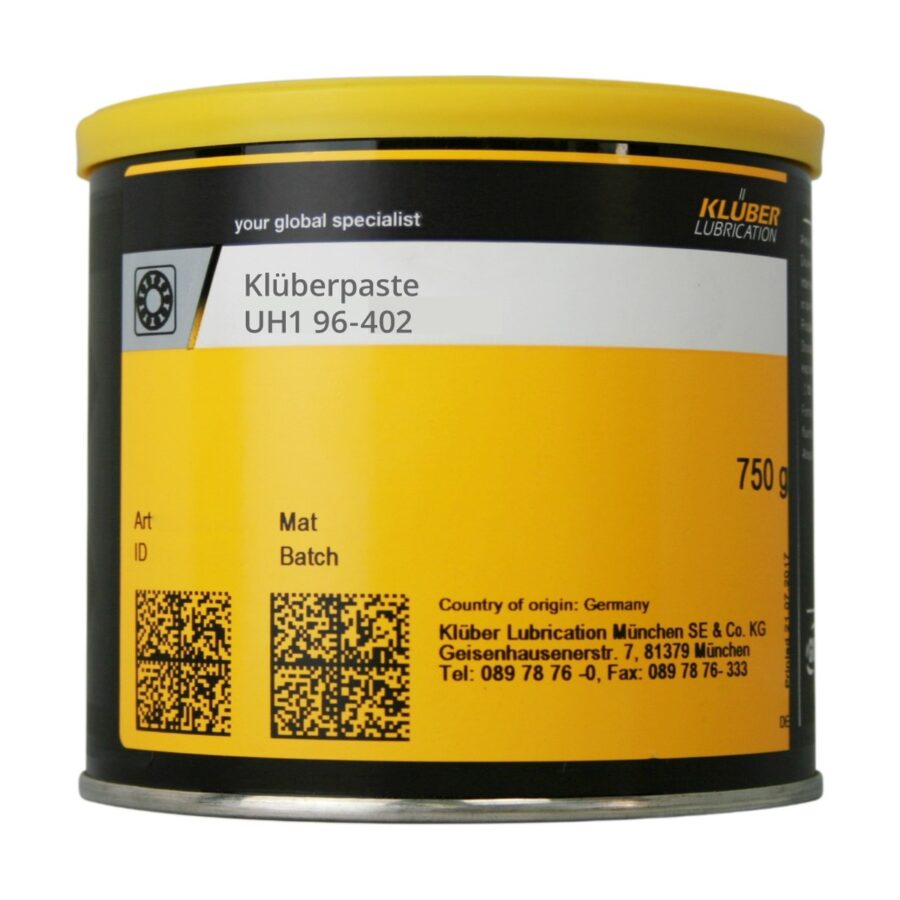
Kluber
High-temperature paste for food-processing
- Service temp.
- -30 to 1200 °C
- Base oil @40 °C
- 360 mm²/s
- Food grade
- NSF H1
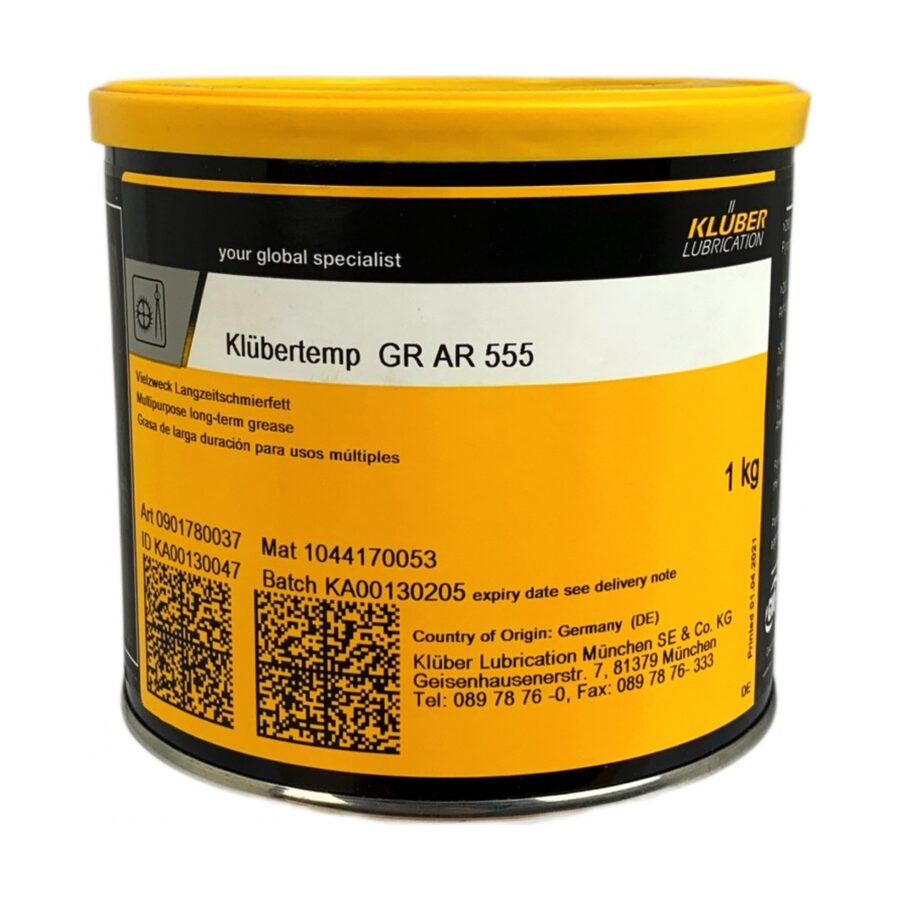
Kluber
Long-term lubricating grease for high-temp
- Service temp.
- -30 to 250 °C
- Base oil @40 °C
- 420 mm²/s
- Base oil
- PFPE
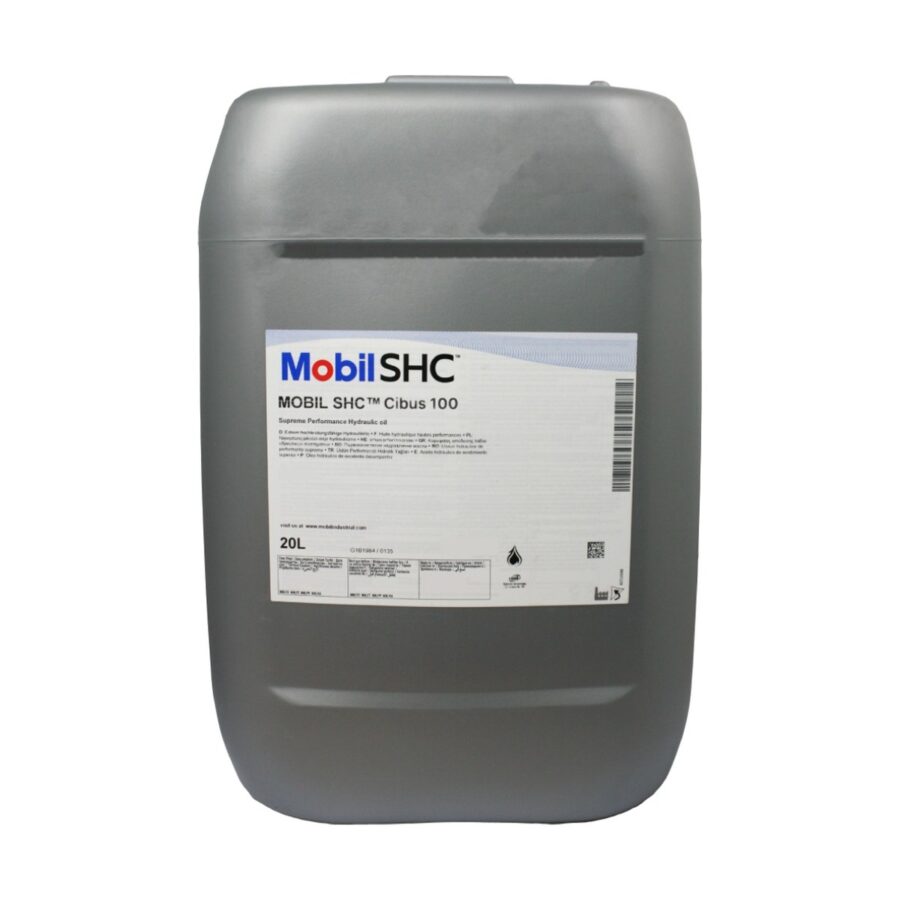
Mobil
High Performance Food Machinery Oil
- Viscosity
- ISO VG 100
- Food grade
- NSF H1
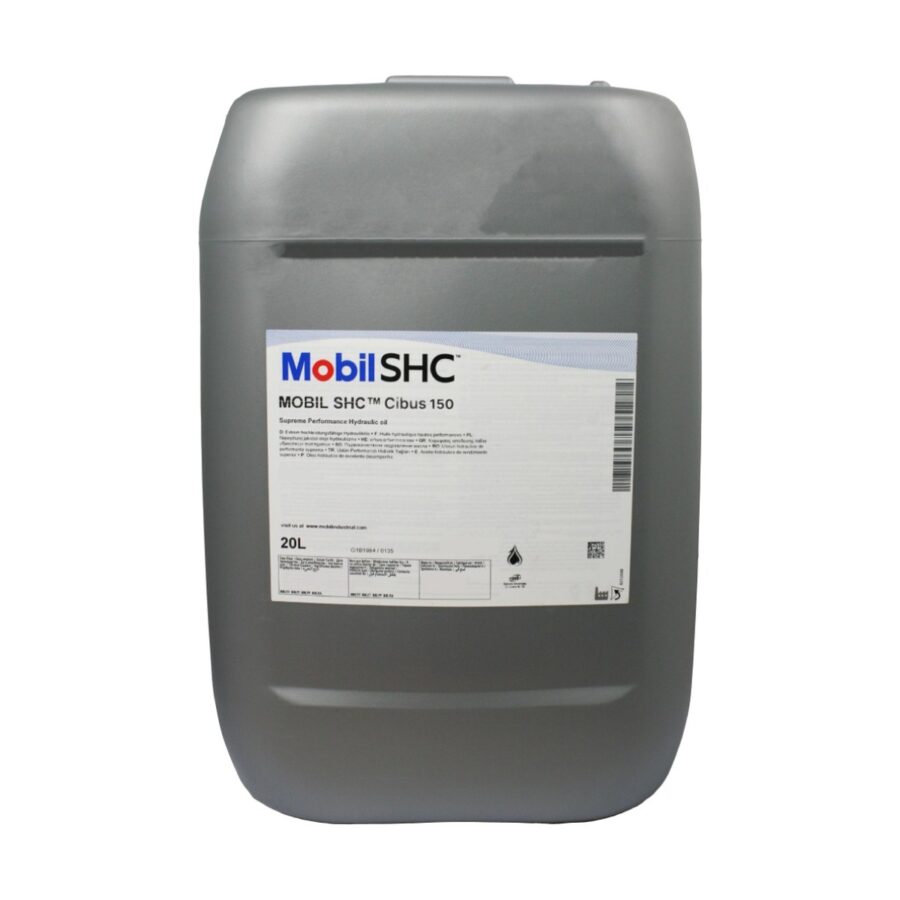
Mobil
High Performance Food Machinery Oil
- Viscosity
- ISO VG 150
- Food grade
- NSF H1
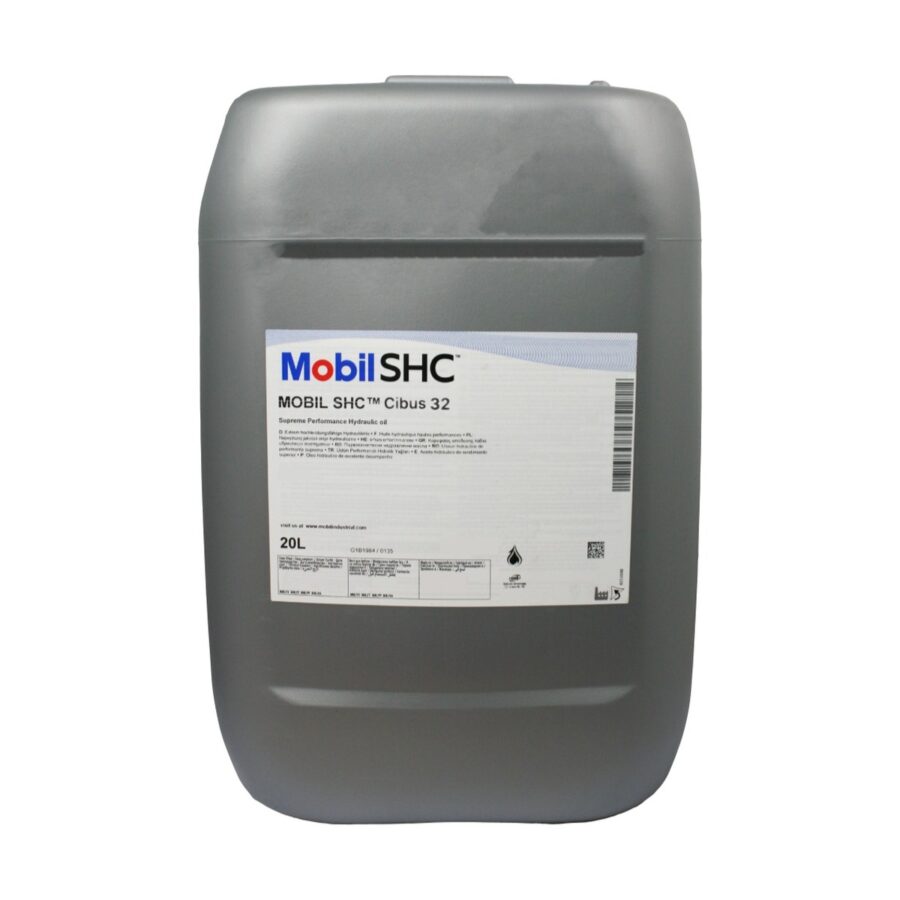
Mobil
High Performance Food Machinery Oil
- Viscosity
- ISO VG 32
- Food grade
- NSF H1
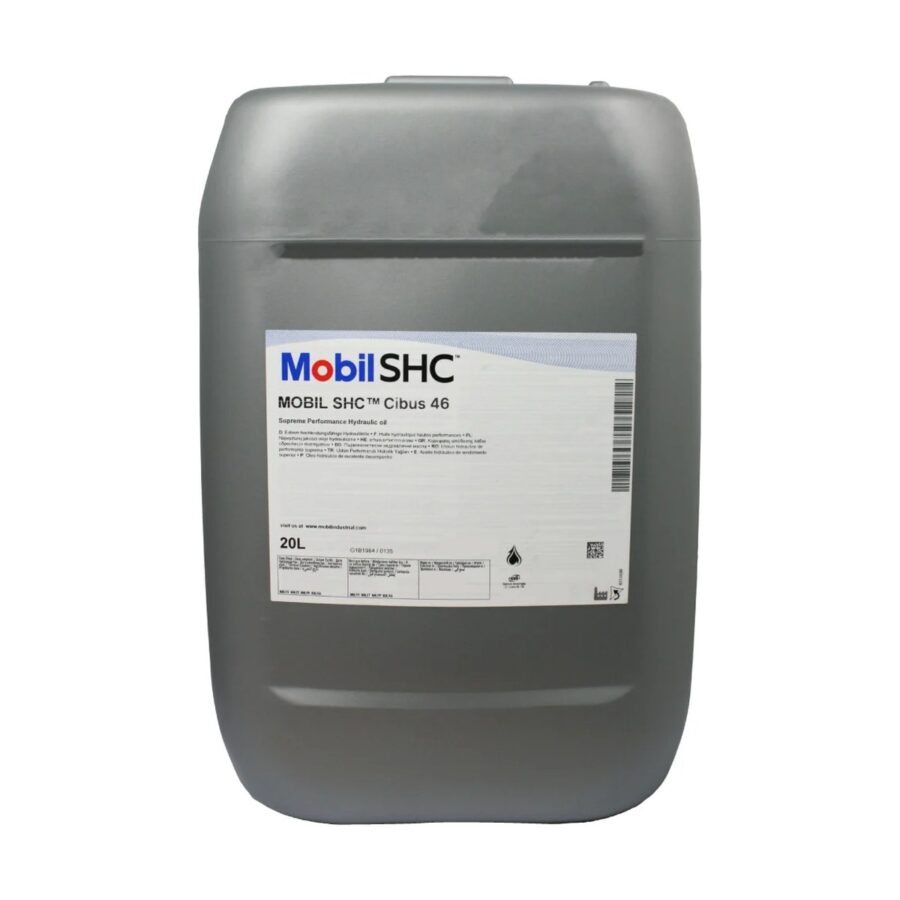
Mobil
High Performance Food Machinery Oil
- Viscosity
- ISO VG 46
- Food grade
- NSF H1
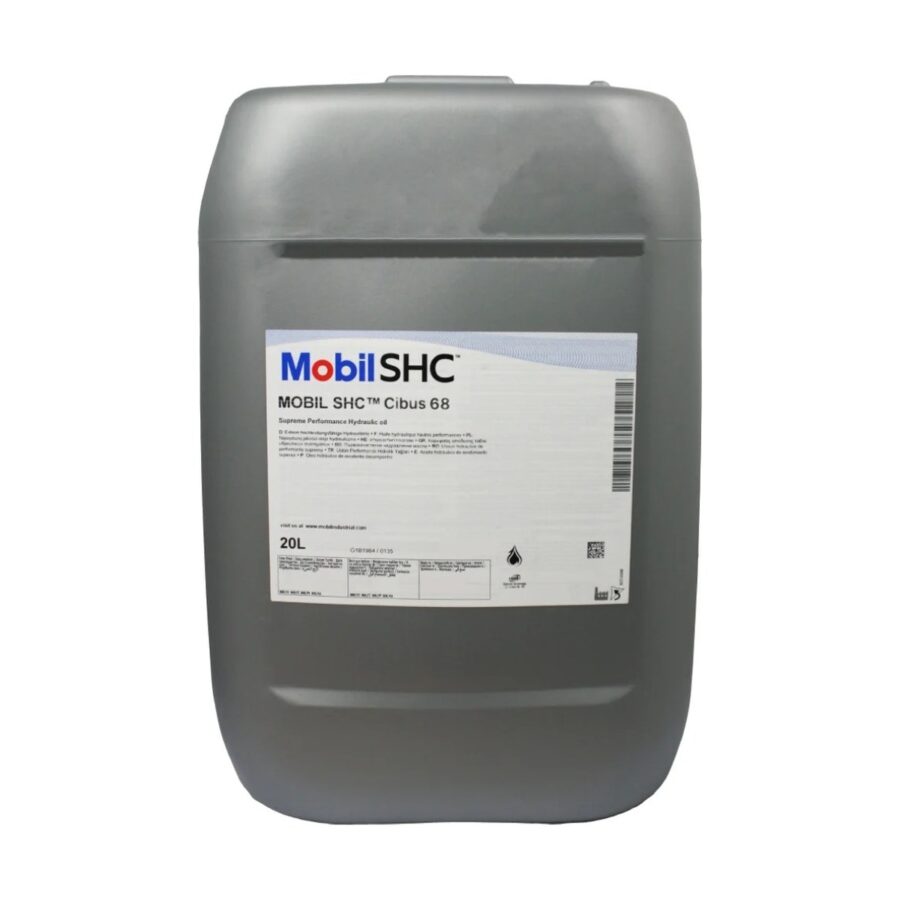
Mobil
High Performance Food Machinery Oil
- Viscosity
- ISO VG 68
- Food grade
- NSF H1
What NSF H1 means
NSF H1 registered lubricants are formulated for use where incidental contact with food may occur, for example above or near product lines. They are made from approved ingredients (FDA 21 CFR 178.3570). NSF H2 lubricants may only be used where there is no possibility of food contact. Many food plants apply H1 lubricants throughout to remove the risk of using the wrong one.
Food-grade products we supply
- Oils: Mobil SHC Cibus (ISO VG 32 to 150) for gearboxes, hydraulics and circulating systems.
- Greases: Kluber BARRIERTA L 55, Klubersynth UH1 14-1600, Klubertemp GR AR 555, Kluberalfa BF 83-102, Paraliq GB 363 and Kluberlub NH1 11-222.
- Pastes: Kluberpaste UH1 84-201 and 96-402.
Each product page states its NSF H1 registration as given in the product data. Ask us for the registration certificate or TDS if your HACCP or audit documentation needs it.
See also: lubricants for food & beverage plants and pharmaceutical & cosmetics.
Where NSF H1 lubricants are used in a food plant
- Conveyors, chains and guides above or near open product.
- Mixers, slicers, fillers, cappers, labellers and packaging machines.
- Gearboxes and hydraulic systems on processing lines.
- Oven, dryer and fryer bearings that run hot.
- Valves, seals and O-rings in product and CIP lines.
- Bolts and fittings assembled during maintenance (H1 pastes).
Building an H1 lubrication programme
Food-safety standards such as HACCP, ISO 22000 and FSSC 22000 expect plants to control lubricants as a potential hazard. A practical programme usually includes:
- A lubrication survey: list every lubrication point and decide which need H1 products.
- Fewer products: consolidate to a small range of H1 grades that cover your temperatures, loads and speeds.
- Clear identification: labelled or colour-coded containers and grease guns, and a dedicated, clean storage area.
- Documentation: technical data sheets, safety data sheets and registration details on file for audits.
- Training: so maintenance staff use the right product, in the right amount, at each point.
Performance still matters
NSF H1 registration is about food safety, not performance. An H1 lubricant must still meet the temperature, load, speed and water-resistance needs of each point. Today’s synthetic H1 greases and oils, such as Mobil SHC Cibus and Kluber’s UH1 ranges, are designed for demanding duty, so in many applications you do not have to choose between food safety and machine life.
NSF categories in brief
- H1: lubricants for use where incidental food contact may occur.
- H2: lubricants for food-plant equipment where there is no possibility of food contact.
- H3: soluble or edible oils used to clean and prevent rust on hooks, trolleys and similar equipment.
If a lubricant could ever reach the product, through dripping, splashing, leakage or contact with packaging, treat the point as H1. When in doubt, the safer choice is an H1 product that also meets the technical requirements of the application.
Not sure which grade fits? Send us your application (machine, temperature, load, speed and the product you use now) and we will recommend a suitable Kluber or Mobil grade.
Food-Grade Lubricants (NSF H1): frequently asked questions
What is the difference between NSF H1 and H2?
H1 lubricants are registered for use where incidental food contact may occur. H2 lubricants may only be used where there is no possibility of contact with food.
Are food-grade lubricants Halal and Kosher?
Many are. Mobil SHC Cibus, for example, is stated as Kosher and Halal compliant in its product data. Check the individual product page or ask us for the certificate.
Can I use H1 lubricants everywhere in a food plant?
Yes, and many plants do so to avoid mix-ups. Make sure the H1 grade still meets the temperature, load and speed of each application.
Do you provide NSF registration certificates?
Ask in your quote request. We supply the TDS and SDS and can request registration details for the grades you buy.
Can food-grade lubricants be used outside food plants?
Yes. They work like conventional lubricants of the same type, and some plants use them anywhere a lubricant could contact a product, including in pharmaceuticals and packaging.