Hydraulic Oils
Anti-wear hydraulic oils for industrial and mobile hydraulic systems, in ISO viscosity grades from 32 to 150.
Choosing a hydraulic oil
Hydraulic systems depend on clean oil of the right viscosity. Choose the ISO VG the pump and system maker specify (commonly 32, 46 or 68), then consider anti-wear performance, oxidation life, water separation and filterability.
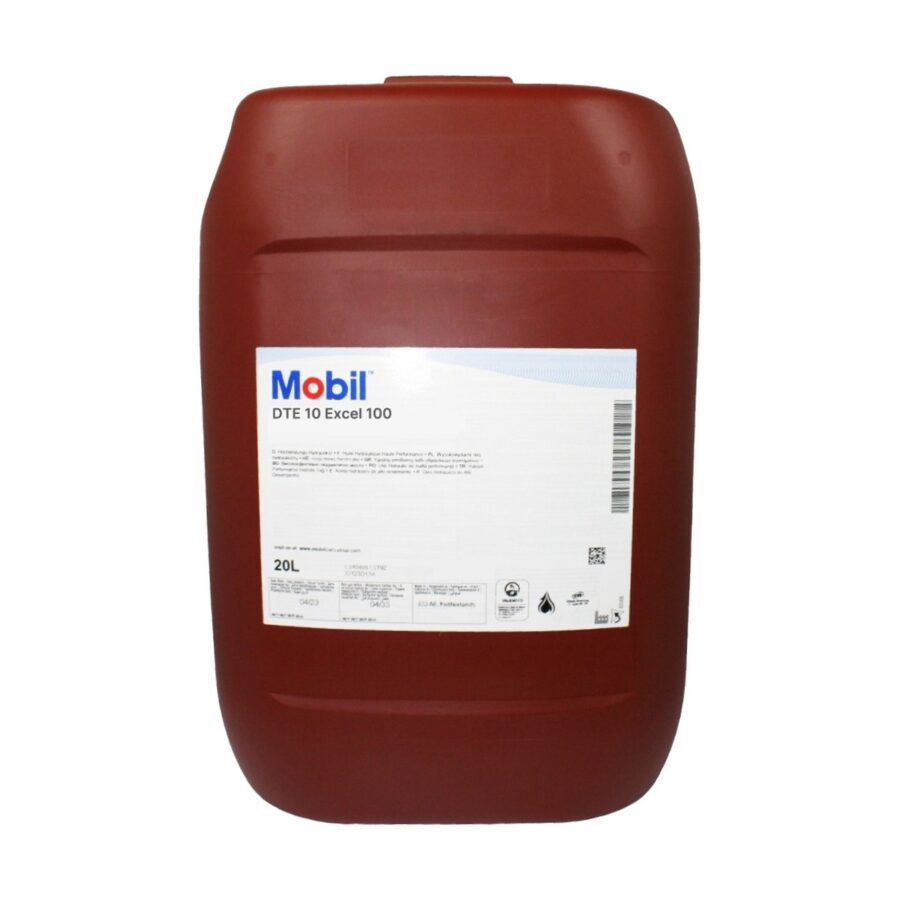
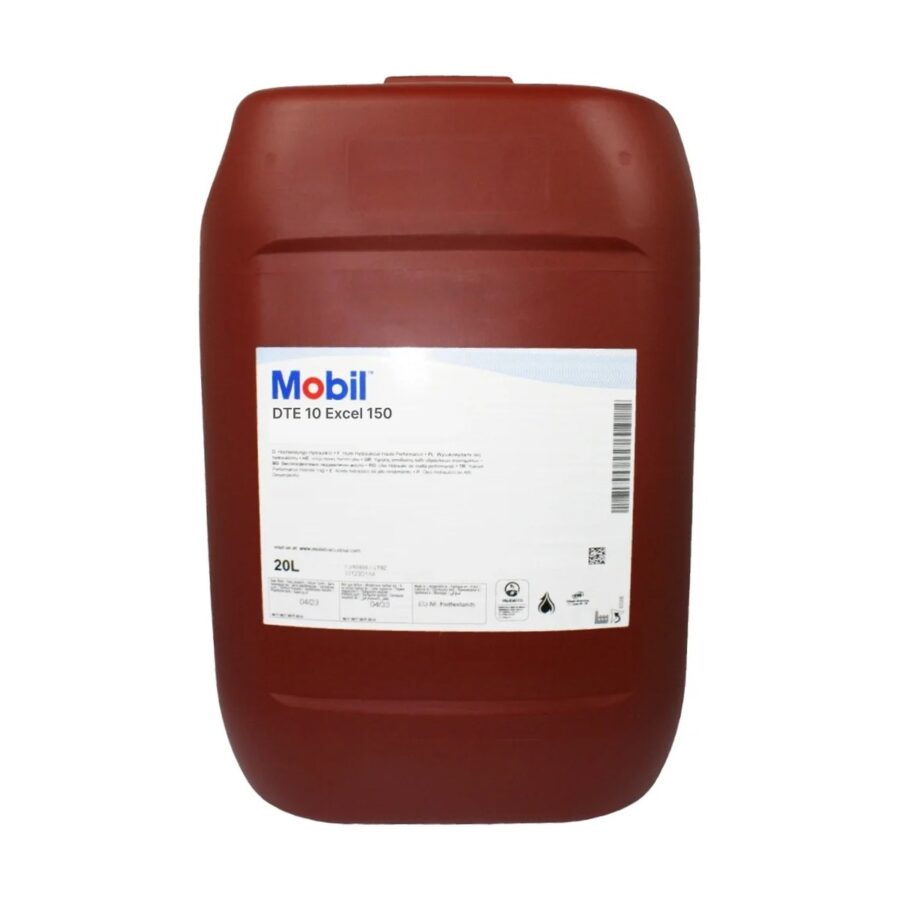
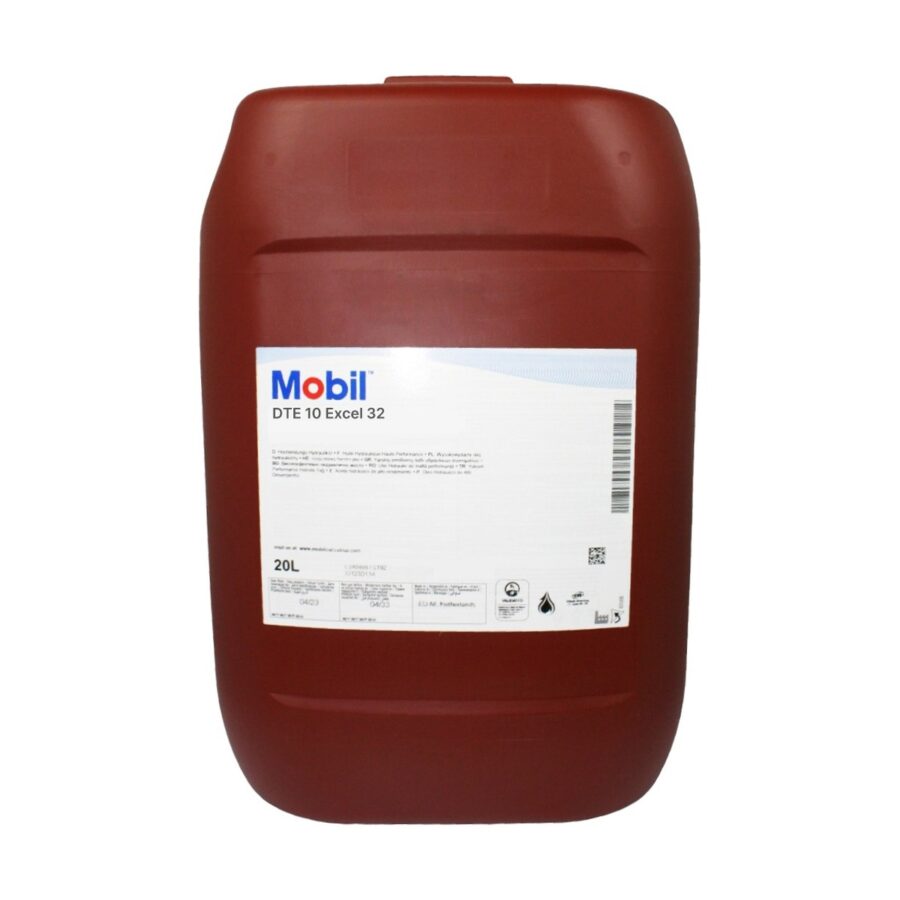
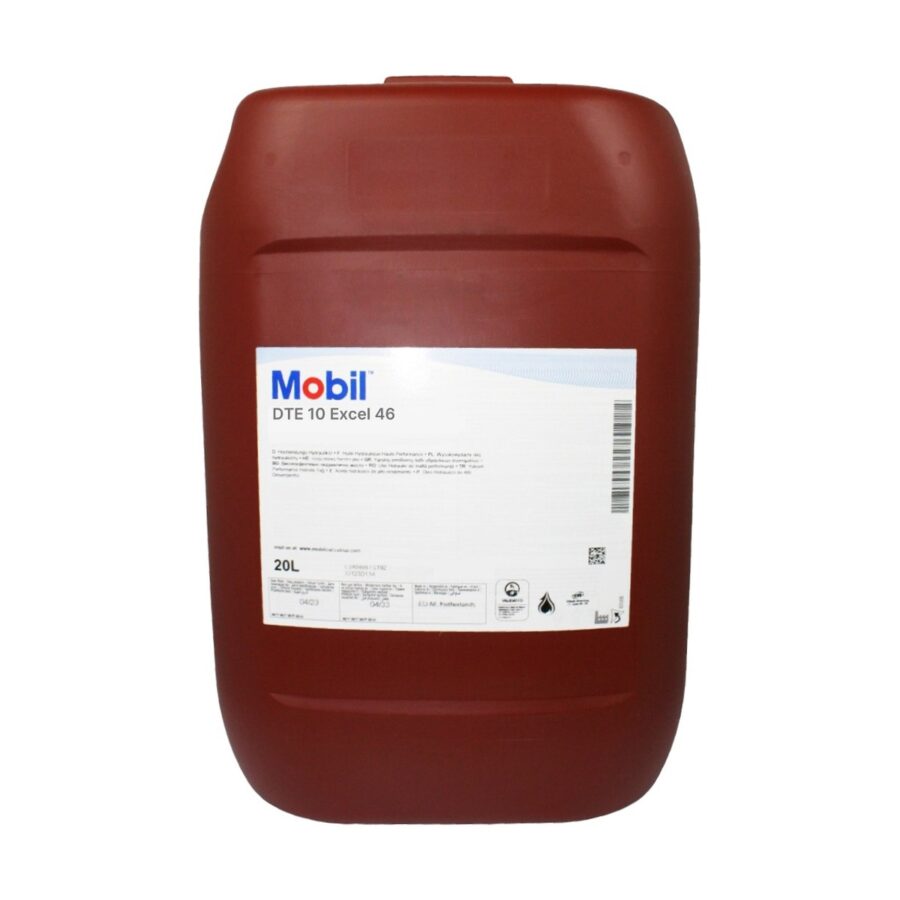
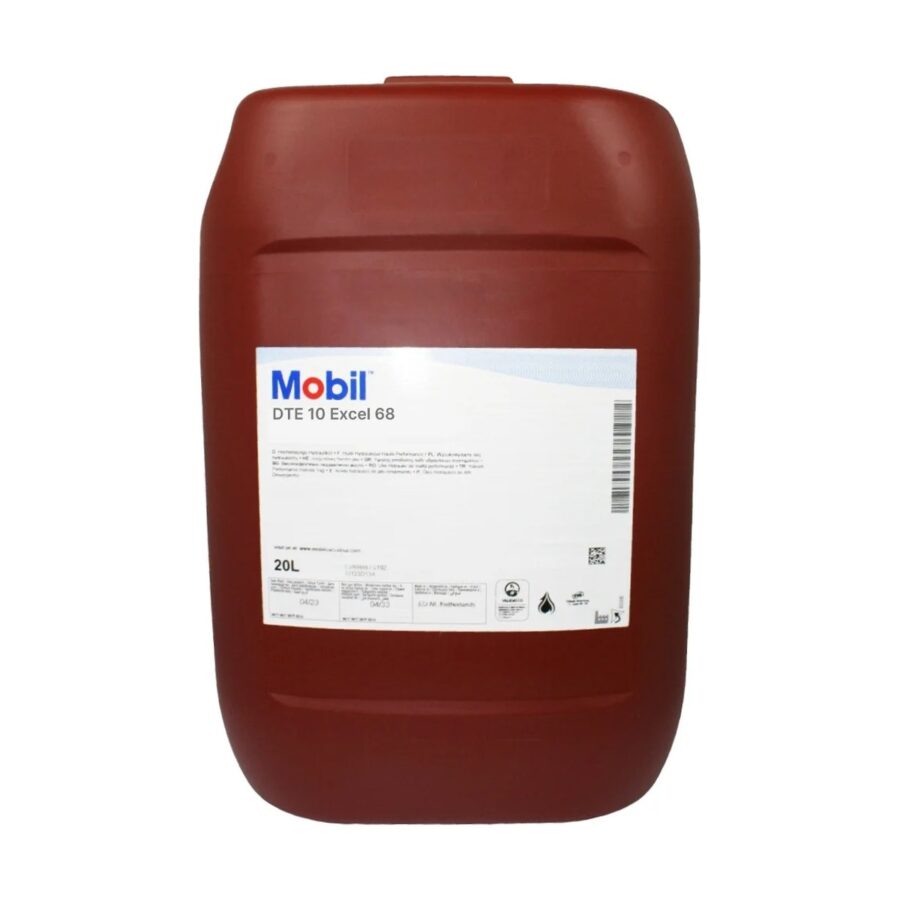
- Mobil DTE 10 Excel (ISO VG 32 to 150): high-performance anti-wear hydraulic oils for long oil life.
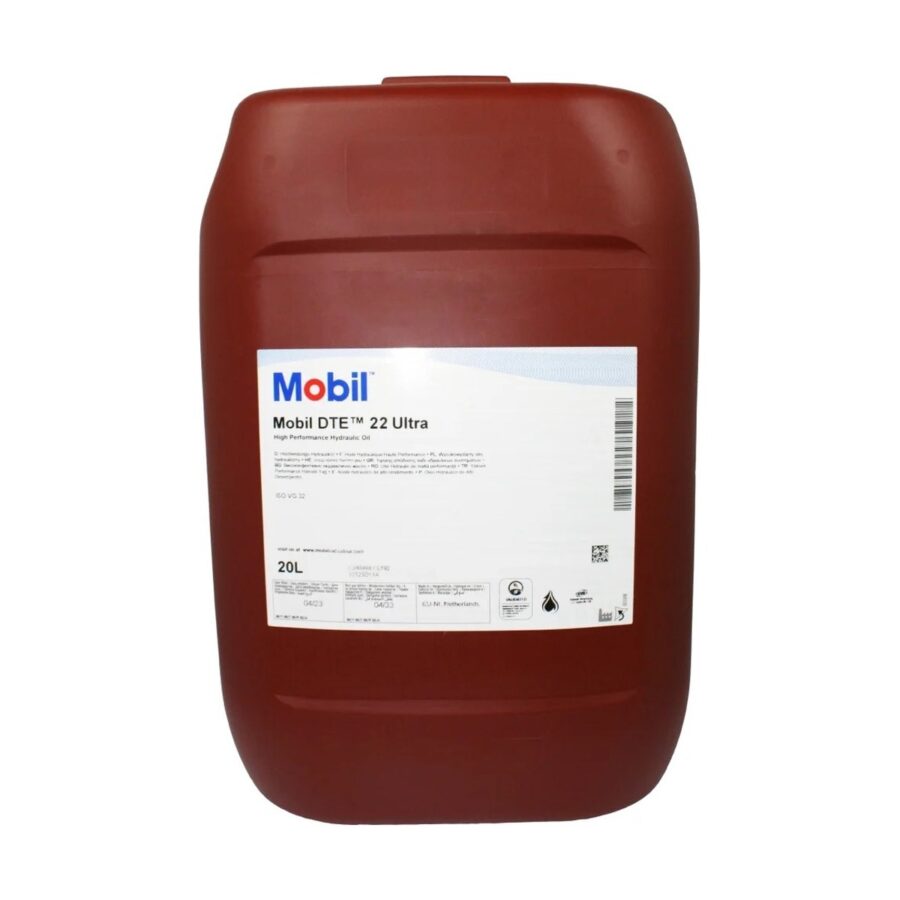
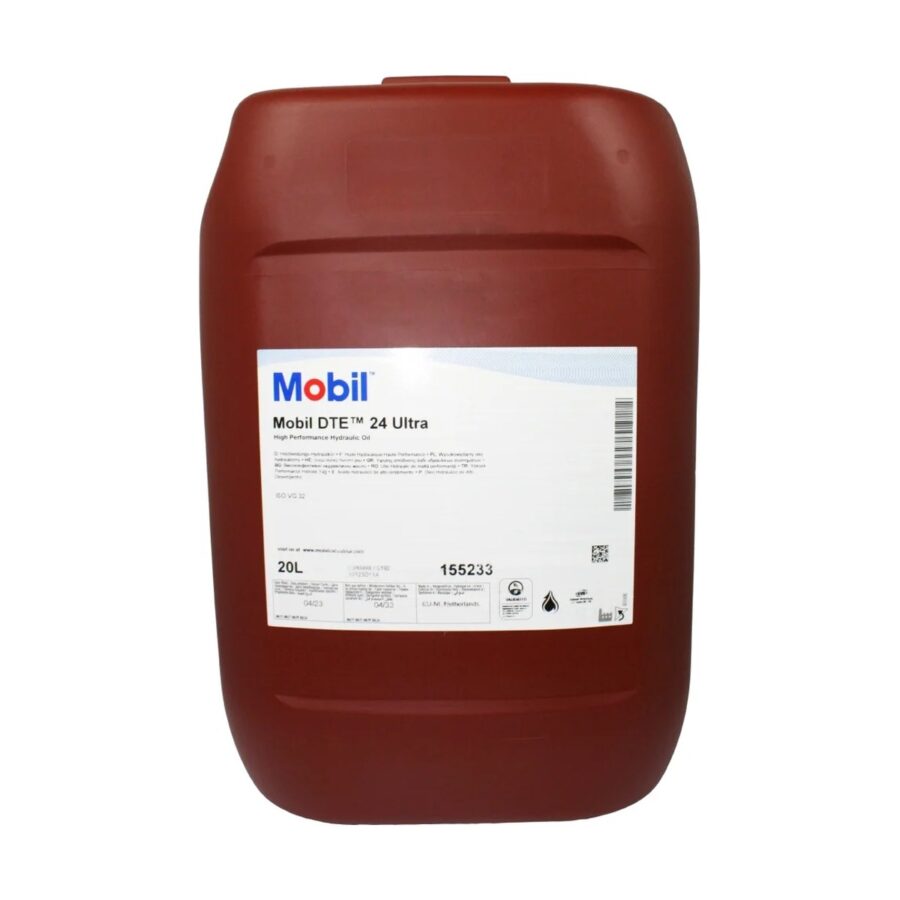
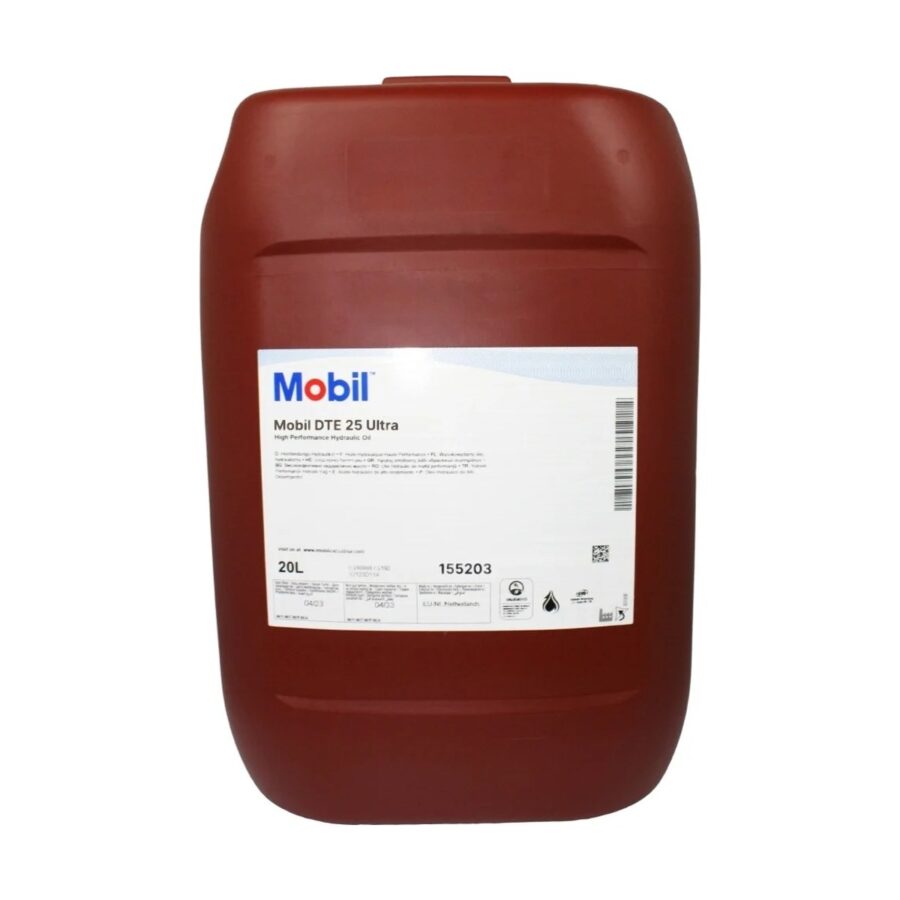
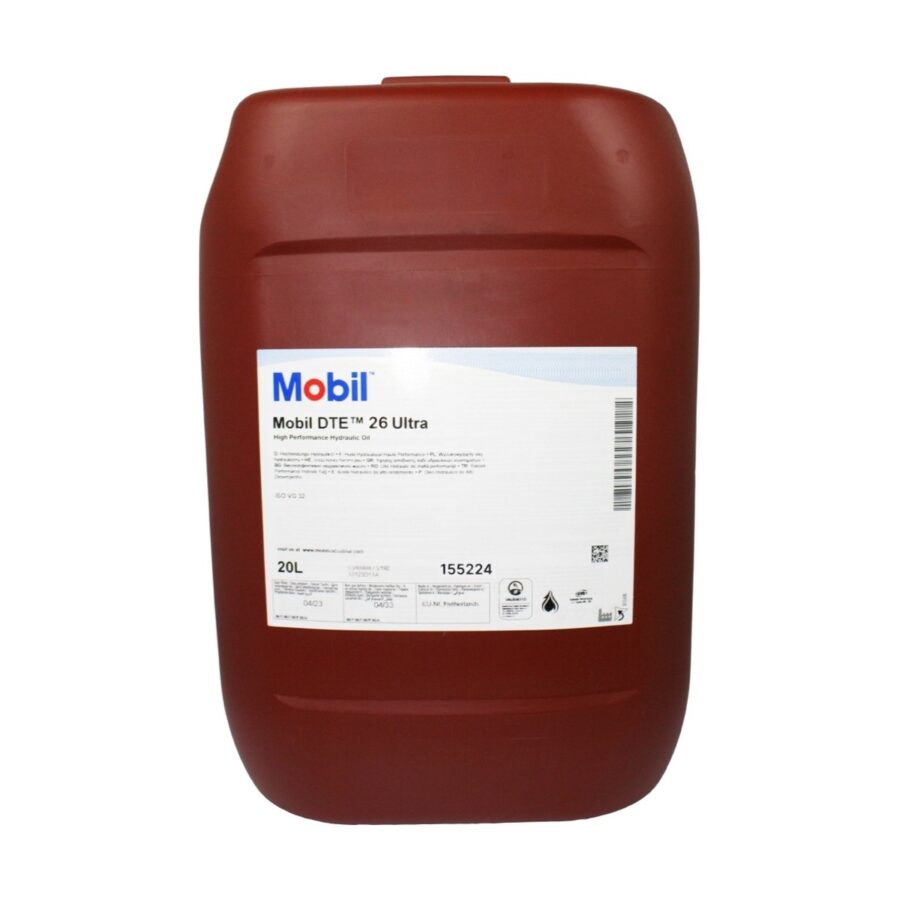
- Mobil DTE 20 Ultra (DTE 22, 24, 25, 26): anti-wear hydraulic oils for industrial and mobile equipment.
- For food plants: Mobil SHC Cibus (food-grade).
Keep oil clean and dry: most hydraulic failures start with contamination. Regular oil analysis helps you change oil on condition rather than on a fixed interval.
Keeping hydraulic oil clean
- Use good filtration and replace filters on schedule.
- Fit desiccant breathers on reservoirs in dusty or humid environments.
- Filter new oil when filling: new oil is not always clean enough for modern hydraulics.
- Keep containers closed and use clean transfer equipment.
- Check target cleanliness codes (ISO 4406) for your system and test regularly.
Viscosity and temperature
Hydraulic pumps work best within a viscosity window set by the pump maker. If the oil gets too thin at operating temperature, internal leakage and wear increase; too thick at start-up, and the pump can cavitate. In hot climates, check that the chosen ISO VG keeps the viscosity within the window at the highest operating temperature, or improve cooling.
Signs of oil problems
Foaming, sluggish actuators, noisy pumps, rising temperature or a darkened, milky or burnt-smelling oil all indicate a problem. Oil analysis identifies wear, water, oxidation and contamination before they cause failures.
Zinc-containing vs zinc-free
Many anti-wear hydraulic oils use zinc-based additives; zinc-free (ashless) formulations are preferred by some pump makers or for environmental reasons. Check whether your pump or system maker specifies one type, and avoid mixing the two without advice.
When to change hydraulic oil
Change oil when oil analysis shows high acidity, oxidation, water or particles that filtration cannot correct, or at the interval the equipment maker sets. Changing on condition rather than on a fixed calendar reduces cost and waste.
Not sure which grade fits? Send us your application (machine, temperature, load, speed and the product you use now) and we will recommend a suitable Kluber or Mobil grade.
Hydraulic Oils: frequently asked questions
What do the numbers in hydraulic oil names mean?
They usually indicate the ISO viscosity grade, for example ISO VG 46 is about 46 mm²/s at 40 °C. Mobil DTE 25 Ultra is an ISO VG 46 grade.
Which hydraulic oil viscosity should I use in hot climates?
Follow the equipment maker’s range for your operating oil temperature; in hot conditions a higher grade such as VG 68 is sometimes specified.
Can I top up with a different hydraulic oil?
Avoid it where possible. Different additive systems can interact. If you must, use an oil of the same type and viscosity, and plan a change to a single product.
What is the best hydraulic oil viscosity for the GCC?
There is no single answer: it depends on the pump and the operating oil temperature. ISO VG 46 and 68 are common in hot climates; follow the pump maker’s viscosity window.