Key takeaways
- Start with the gearbox maker’s recommended ISO viscosity grade, typically 150–680 for enclosed industrial gears.
- Mineral EP (CLP) oils suit most gearboxes in normal conditions.
- PAO synthetics give a wider temperature range, longer life and often lower operating temperatures.
- PAG oils excel in worm gears but must not be mixed with mineral or PAO oils.
- Clean, dry oil and condition monitoring matter as much as the oil type.
Gearboxes drive conveyors, mixers, mills, cranes, extruders and cooling towers in every industry. They are expensive to replace and often critical to production. Getting the gear oil right protects gears and bearings, keeps operating temperatures down, and can even reduce energy use. This guide walks through how to choose an industrial gear oil.
What must a gear oil do?
- Separate gear teeth under very high contact pressure (EP protection).
- Lubricate the gearbox bearings.
- Carry heat away from the gear mesh.
- Resist oxidation and keep its properties over long intervals.
- Protect against rust and corrosion.
- Release air and separate water.
- Be compatible with seals and paints.
Step 1: Choose the viscosity grade
The gearbox maker’s recommendation is the starting point; it depends on gear type, pitch-line speed, load and operating temperature. As a rule, slower, more heavily loaded and hotter gearboxes need higher viscosity. Most enclosed industrial gearboxes use ISO VG 150 to 680. See ISO VG grades explained.
Step 2: Choose the oil type
| Type | Characteristics | Best for | Examples |
|---|---|---|---|
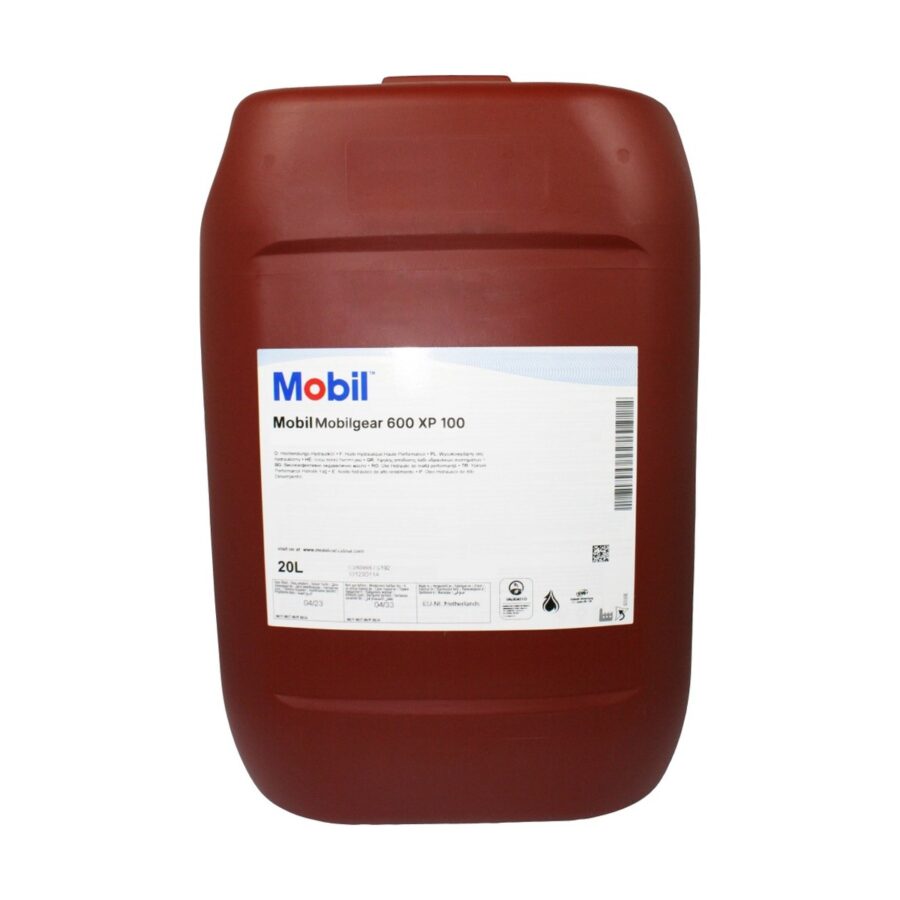
| Mineral EP (CLP) | Cost-effective, good EP protection | Most enclosed gearboxes in normal conditions | Mobilgear 600 XP |
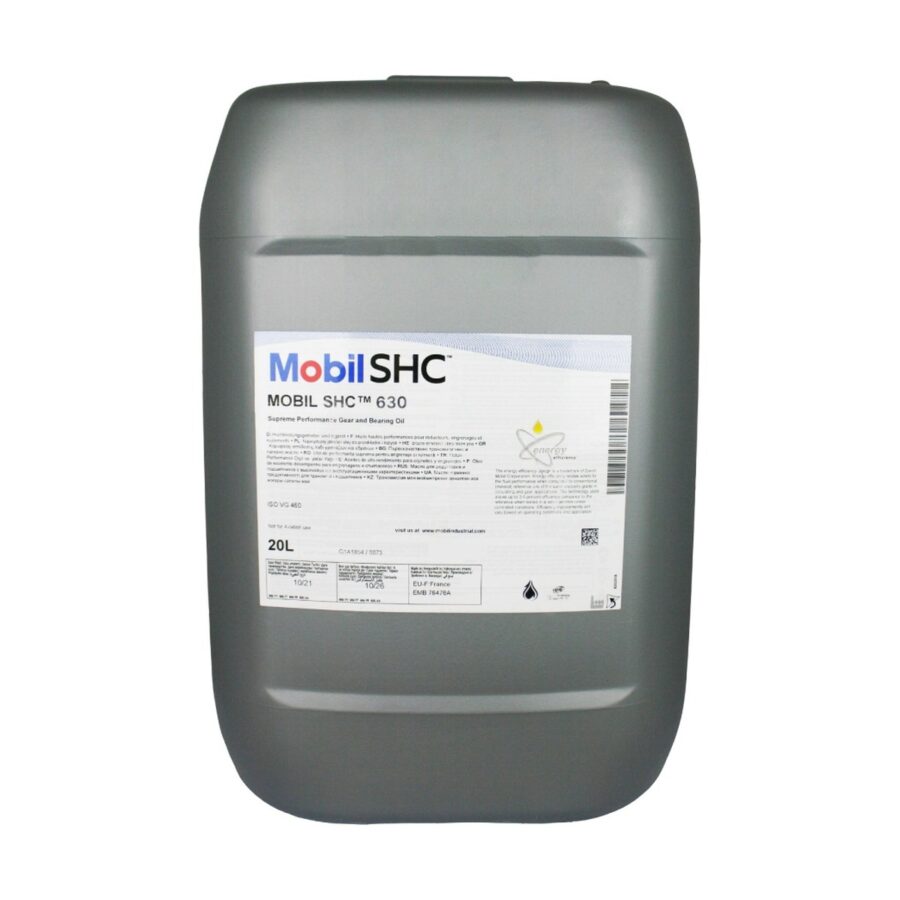
| PAO synthetic (CLP HC) | Wide temperature range, long life, high VI, often lower friction | Hot, critical or hard-to-service gearboxes | Mobil SHC 600 series |
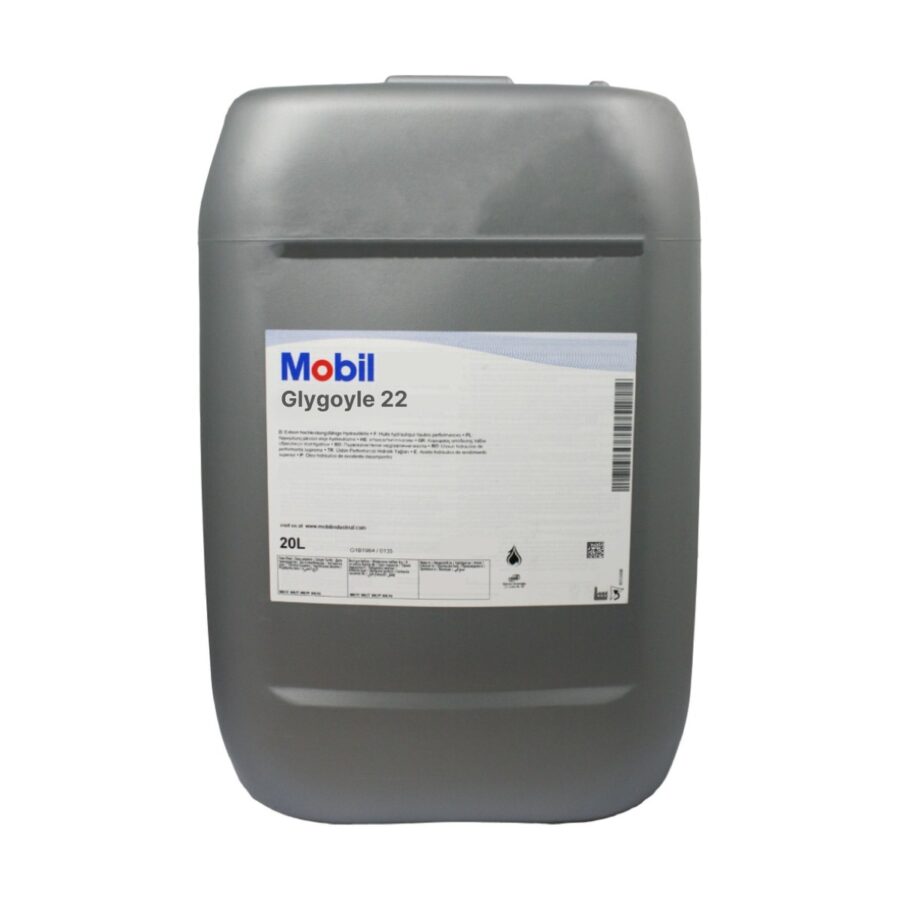
| PAG synthetic (CLP PG) | Very low friction, excellent for sliding contact | Worm gears, high temperatures | Mobil Glygoyle |
| Open-gear lubricants | Adhesive, high film strength | Girth gears, open gear rims | Kluber GRAFLOSCON C-SG 2000 ULTRA |
How are gear oils classified?
Industrial gear oils are often specified by DIN 51517 part 3, which defines CLP oils (mineral oils with additives for corrosion and oxidation protection and EP performance). Synthetic variants are designated by their base stock, for example CLP HC for synthetic hydrocarbons (PAO) and CLP PG for polyglycols. American specifications such as AGMA 9005 and ANSI/AGMA standards are also common. Check which classification and viscosity your gearbox maker requires.
When do synthetic gear oils pay off?
Synthetic gear oils cost more per litre, but in the right applications they reduce total cost:
- Gearboxes running hot, or in hot climates where oil temperatures are high.
- Gearboxes that are difficult or dangerous to access, such as cooling-tower drives.
- Critical drives where downtime is very expensive.
- Worm gears, where PAG oils can noticeably improve efficiency.
- Plants aiming to extend oil drain intervals using oil analysis.
PAO synthetics such as the Mobil SHC 600 series keep their viscosity better at high temperatures, resist oxidation and often run cooler. In many applications they last several times longer than mineral oils before a change is needed.
Matching Mobil grades
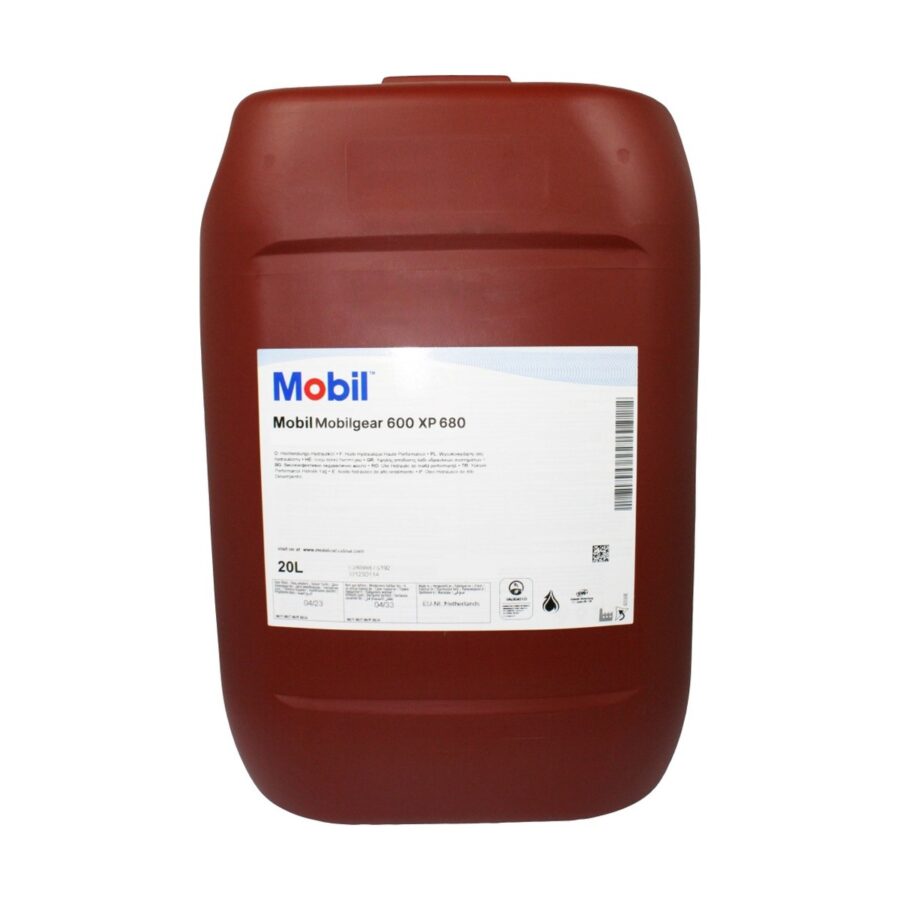
| ISO VG | Mineral (Mobilgear 600 XP) | Synthetic PAO (Mobil SHC 600 series) |
|---|---|---|
| 150 | — | Mobil SHC 629 |
| 220 | Mobilgear 600 XP 220 | Mobil SHC 630 |
| 320 | — | Mobil SHC 632 |
| 460 | Mobilgear 600 XP 460 | Mobil SHC 634 |
| 680 | Mobilgear 600 XP 680 | Mobil SHC 636 |
Grades shown are those in our catalogue; confirm ISO VG on each data sheet. See our comparison of Mobil SHC 600 series and Mobilgear 600 XP for more.
Why are PAG oils used in worm gears?
Worm gears have a large sliding component in the mesh, which generates heat and losses. Polyglycol (PAG) oils have very low friction in sliding contact and are widely recommended by worm gearbox makers. PAG oils are not miscible with mineral or PAO oils, and they can affect some seal materials and interior paints, so changeovers need a thorough flush and compatibility checks.
Compatibility and changeovers
Mineral and PAO oils are generally compatible, although mixing dilutes the synthetic’s benefits. Never mix PAG oils with mineral or PAO oils. When changing oil type, drain while warm, flush where needed, check seals, refill and label the gearbox. See can you mix gear oils?.
Keeping gear oil healthy
- Fit desiccant breathers to keep dust and moisture out.
- Keep the oil at the correct level; overfilling increases churning and heat.
- Monitor operating temperature.
- Filter oil during top-ups.
- Use oil analysis to track wear metals, viscosity, water and oxidation.
- Change oil on condition rather than on a fixed calendar where possible.
How do GCC conditions affect gear oil choice?
Hot ambient temperatures raise gearbox oil temperatures, especially in outdoor drives exposed to sun and in poorly ventilated enclosures. Higher temperatures shorten mineral oil life and reduce viscosity. Synthetic oils, clean cooling fins and shading of exposed gearboxes are effective responses. Dust ingress through poor breathers is another common problem in quarries, cement plants and construction equipment.
Gear failure modes and what lubrication can do
| Failure mode | Typical cause | Lubrication response |
|---|---|---|
| Scuffing | Oil film breakdown under high load and sliding | Adequate viscosity and EP additives |
| Micropitting | Thin film relative to surface roughness | Higher viscosity, oils with micropitting protection |
| Macropitting | Surface fatigue over time | Correct viscosity, clean oil |
| Abrasive wear | Contamination with dust or wear particles | Filtration, breathers, clean oil handling |
| Corrosion | Water ingress | Water separation, desiccant breathers, rust inhibitors |
Many gear oil data sheets show performance in standard gear tests, such as FZG scuffing load stages and micropitting tests, which help compare products for demanding gearboxes.
Worked example: a cooling-tower gearbox
A cooling-tower gearbox sits on top of a tower, exposed to sun, humidity and water spray, and is hard to reach for oil changes. Its mineral VG 220 oil oxidises quickly in summer and is often contaminated with water. Switching to a synthetic PAO gear oil of the same viscosity grade, such as Mobil SHC 630, together with a desiccant breather, keeps the oil in service much longer, reduces the number of risky climbs for oil changes and lowers operating temperature. Oil analysis confirms when a change is truly needed.
Oil level and churning
Gearboxes are designed for a specific oil level. Too low, and gears and bearings run short of oil; too high, and churning losses increase temperature and power consumption, and foaming can occur. Check the level with the gearbox stopped and at the mark the maker specifies, and recheck after topping up.
Why are breathers the cheapest gearbox upgrade?
Gearboxes breathe as they heat up and cool down, drawing in air each time. A simple vent lets dust and humid air in with it. In dusty quarries, cement plants and humid coastal sites, replacing standard vents with desiccant breathers that filter particles and absorb moisture is one of the most cost-effective ways to extend gear oil life and protect gears and bearings. Check the desiccant colour regularly and replace cartridges when saturated.
Questions to ask your supplier
- Which ISO VG and classification does my gearbox maker require?
- Is a mineral or synthetic oil the better choice for my temperatures and intervals?
- Is the proposed oil compatible with the current oil and with my seals?
- What test performance (e.g. FZG, micropitting) does the oil have?
- What drain interval is realistic with oil analysis?
Gear oil sampling
- Sample from the same point each time, ideally a sampling valve in the circulating flow or mid-sump.
- Sample at operating temperature, shortly after running.
- Test viscosity, water, wear metals (iron, copper), particle count and oxidation.
- Trend results; a sudden rise in iron or particles suggests gear or bearing wear.
Energy savings with synthetic gear oils
Synthetic PAO and PAG gear oils can reduce friction losses in the gear mesh and bearings compared with mineral oils, particularly in worm gears and at high temperatures. Manufacturers publish efficiency test results for their products; actual savings depend on the gearbox type, load and speed. For large or numerous drives, even small efficiency improvements can add up over a year of continuous running.
What are the most common mistakes?
- Choosing a viscosity grade without the gearbox maker’s guidance.
- Mixing PAG oil with mineral or PAO oil.
- Overfilling gearboxes.
- Ignoring breathers in dusty areas.
- Changing oil on a calendar without checking condition.
Browse our gear oils, including mineral, PAO and PAG options.
Frequently asked questions
What does CLP mean on gear oil?
CLP is a DIN 51517-3 classification for mineral gear oils with additives for corrosion, oxidation and scuffing (EP) protection.
Can I switch from mineral to synthetic gear oil?
Usually yes for PAO oils, after draining and ideally flushing. For PAG oils, a thorough flush and seal compatibility check are essential.
How often should gear oil be changed?
It depends on temperature, load, contamination and oil type. Oil analysis allows changes on condition.
Why is my gearbox running hot?
Common causes are overloading, wrong viscosity, overfilling, low oil level, dirty cooling surfaces, or degraded oil.
Which oil is used for girth gears?
Open girth gears use adhesive open-gear lubricants, usually applied by spray systems, such as Kluber GRAFLOSCON C-SG 2000 ULTRA.
Conclusion
Industrial gear oil selection starts with the right viscosity grade, then the right oil type: mineral EP for most gearboxes, PAO synthetics for hot, critical or long-interval drives, and PAG for worm gears. Respect compatibility rules when changing, keep the oil clean and dry, and use oil analysis to change on condition. That combination protects your gears and reduces total lubrication cost.
Need help applying this to your plant? Send us the equipment details or the product you use now and we will recommend a suitable Kluber or Mobil grade: request a quote and we reply within one business day.