Key takeaways
- Mineral and PAO gear oils are generally miscible, but mixing dilutes the benefits of the synthetic.
- PAG (polyglycol) oils must never be mixed with mineral or PAO oils.
- Different additive chemistries can react even between oils of the same base type.
- Changing oil type needs a drain, often a flush, seal checks and new labels.
- Oil analysis can identify an unknown oil type before topping up.
Topping up a gearbox with whatever oil is to hand is common practice in many plants. Often nothing happens, but with some oil types the result is foaming, sludge, blocked filters, seal leaks and, eventually, damaged gears and bearings. This guide explains which gear oils can be mixed, which must never be mixed, and how to change from one oil type to another safely.
Why can mixing gear oils be a problem?
A gear oil is a base oil plus an additive package designed to work together. When two oils are mixed, three things can go wrong: the base oils may not be miscible, the additives may react with each other, and the mixture may no longer meet the viscosity or performance the gearbox needs. Even when nothing visible happens, the mixture is an unknown product with unknown performance.
The three main base-oil families
| Base oil | Description | Typical products |
|---|---|---|
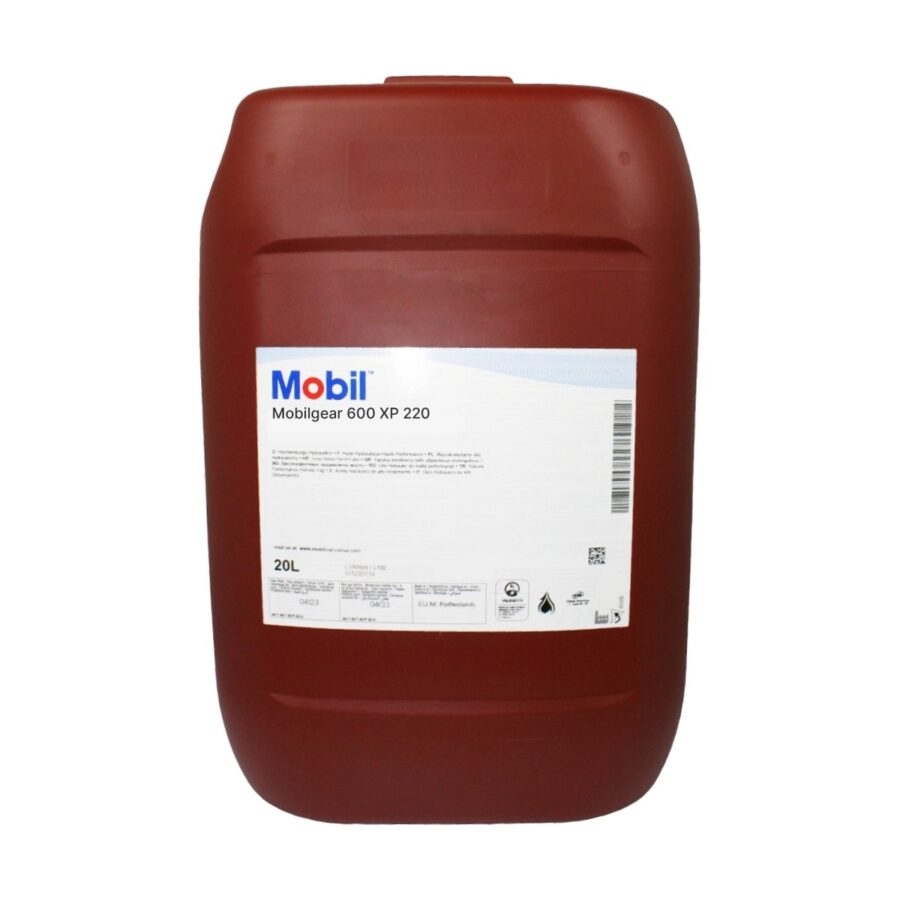
| Mineral | Refined from crude oil; the most common gear oil base | Mobilgear 600 XP |
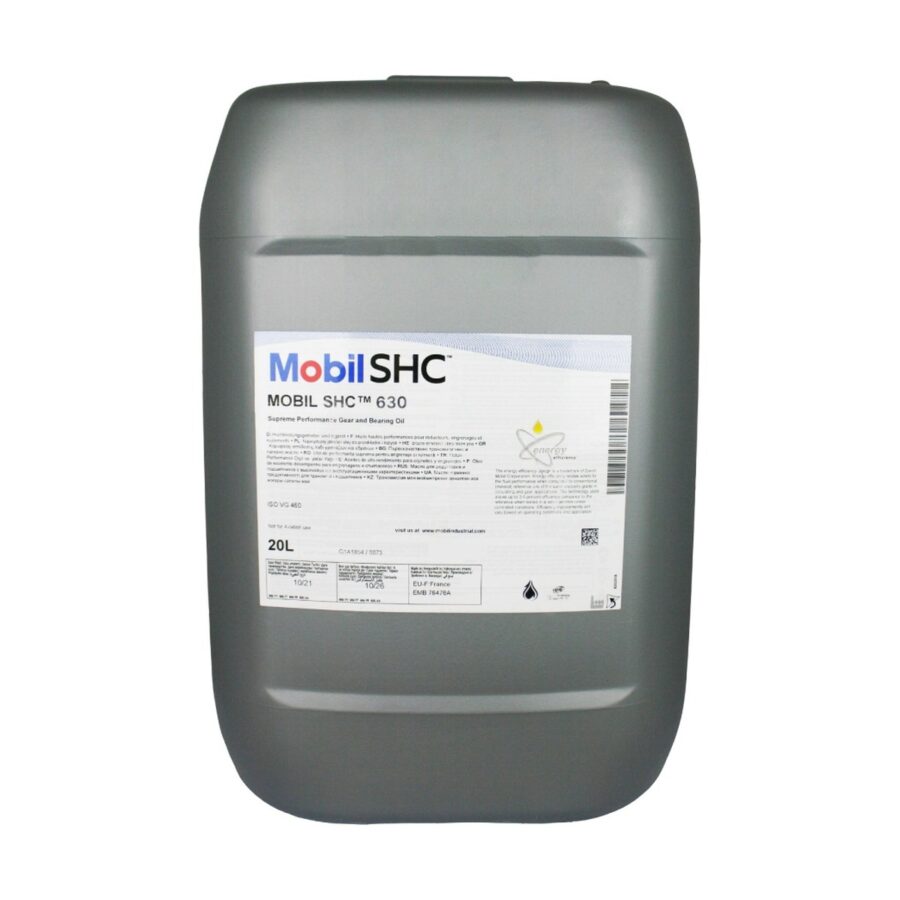
| PAO (polyalphaolefin) | Synthetic hydrocarbon; wide temperature range, long life | Mobil SHC 600 series |
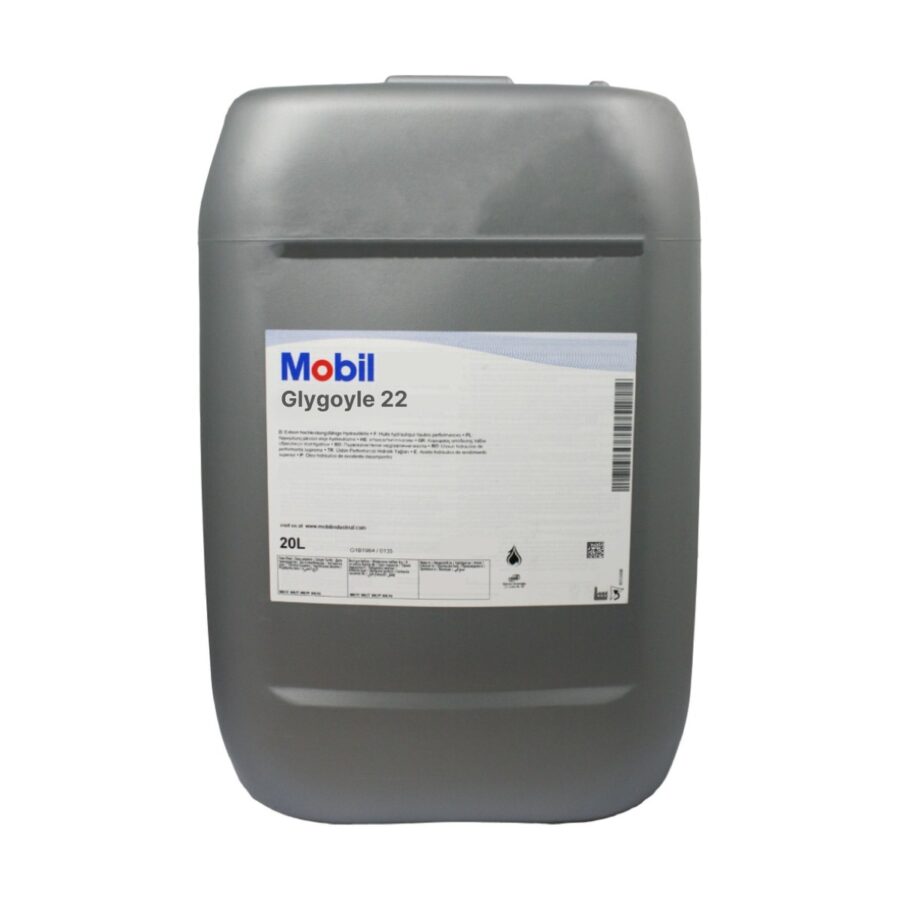
| PAG (polyalkylene glycol) | Synthetic polyglycol; very low friction, excellent for worm gears | Mobil Glygoyle |
Which gear oils can be mixed, and which cannot?
| Mix | Generally | Notes |
|---|---|---|
| Mineral + mineral, same type and similar additives | Usually acceptable | Still best to use one product |
| Mineral + PAO | Generally miscible | Synthetic benefits are diluted; plan a full change |
| PAO + PAO from different makers | Usually miscible | Additives may differ; check with the manufacturer |
| PAG + mineral or PAO | Not miscible | Never mix; can form sludge or separate |
| PAG + PAG of different types | Not always compatible | Some PAGs are not mutually miscible; check |
| Gear oil + hydraulic or engine oil | Not recommended | Different additive systems and viscosity |
Why are PAG oils different?
PAG oils have a fundamentally different chemistry from mineral and PAO oils. They are not miscible with them, and mixtures can separate into layers, thicken, or form sludge that blocks filters and starves gears. PAG oils can also be incompatible with certain seal materials and with some interior paints and coatings used inside older gearboxes. Additionally, different PAG oils (for example water-soluble and water-insoluble types) may not mix with each other.
This is why worm gearboxes that are factory-filled with a PAG oil must always be topped up with the same type, and why changing to or from PAG requires particular care.
Additive compatibility
Even two mineral gear oils can contain different additive chemistries, such as different extreme-pressure, anti-wear or anti-foam additives. Usually they coexist, but occasionally they react, causing foaming, deposits or reduced protection. For critical gearboxes, ask the oil manufacturer before mixing products.
How do you identify the oil in a gearbox?
- Check the gearbox label, nameplate or tag.
- Check maintenance records for the last oil change.
- Ask the gearbox maker what the factory fill was.
- If still unknown, send a sample to an oil laboratory, which can identify the base-oil type and viscosity.
If you cannot confirm the oil type, do not top up with a different product. Plan a full drain and refill instead.
Step-by-step: changing gear oil type safely
- Confirm the new oil meets the gearbox maker’s viscosity grade and specification.
- Check compatibility of the new oil with seals, paints and the existing oil.
- Run the gearbox to warm the oil, then drain completely while warm.
- Inspect the gearbox interior for sludge, deposits or wear debris; clean if needed.
- Flush: fill with the new oil (or a recommended flushing oil), run briefly at no or low load, and drain again. This is essential when changing to or from PAG.
- Replace filters and check or replace seals if they are not compatible with the new oil.
- Refill with the new oil to the correct level.
- Label the gearbox clearly with the new product name.
- Monitor temperature, leaks and foaming during the first days.
- Take an oil sample after a few weeks to confirm the system is clean and the oil is in good condition.
How much residual oil is acceptable?
A gearbox never drains completely: some oil remains in bearings, pockets and coolers. For changes between mineral and PAO oils, a small residue is usually acceptable. For changes involving PAG, manufacturers often recommend reducing the residue to a very low level through one or more flushes. Ask the new oil’s manufacturer for their specific guidance.
Emergency top-ups
If a gearbox is losing oil and the correct product is not available, the safest short-term action is to stop the gearbox if possible. If it must keep running, a small top-up with an oil of the same base type and viscosity grade is less risky than running low on oil, provided the base types are compatible. Never top up a PAG-filled gearbox with mineral or PAO oil. Record the top-up and plan a proper oil change as soon as possible.
Keeping records of oil changes
Record every gearbox oil change and top-up: date, product, quantity, and whether a flush was done. When an unexpected problem appears months later, these records show immediately whether a product change could be the cause. They also tell new staff exactly which oil each gearbox needs.
How do you prevent accidental mixing?
- Label every gearbox with its oil product and grade.
- Use dedicated, labelled oil containers and pumps for each product.
- Store PAG oils separately and mark them clearly.
- Train staff and contractors on the PAG rule.
- Reduce the number of gear oils you use; see lubricant consolidation.
Seal and paint compatibility
When changing oil type, especially to PAG or from mineral to synthetic, check that the gearbox seals are compatible. Most modern gearboxes use seal materials compatible with mineral and PAO oils. PAG oils can affect some seal materials and some interior paints; the gearbox and oil makers can confirm suitability.
How do GCC conditions affect gear oil mixing?
High temperatures make the consequences of incompatible mixtures appear faster: sludge forms sooner and oxidation accelerates. In remote sites, where the correct oil may not be immediately available, the temptation to top up with anything is greater. Keeping a small, labelled stock of the right oil for each critical gearbox avoids emergency mixing.
A real-world example
A food plant’s conveyor uses worm gearboxes filled at the factory with a PAG oil. During a night shift, a gearbox is found low on oil and topped up with a mineral gear oil from the workshop. Within weeks, the gearbox runs hotter, the breather leaks a sticky residue and the sight glass shows a cloudy, layered oil. The fix: drain the gearbox, flush twice with the correct PAG oil, replace a hardened seal, refill and label the gearbox “PAG ONLY”. The plant then labels every worm gearbox, stores PAG oil separately, and adds a short note on PAG to its maintenance training.
What are the signs that incompatible oils have been mixed?
| Sign | What may be happening |
|---|---|
| Cloudy or layered oil in the sight glass | Base oils not miscible (often PAG with mineral or PAO) |
| Excessive foaming | Additive interaction or contamination |
| Sludge or gel in filters | Incompatible oils reacting |
| Rising operating temperature | Loss of lubricating performance |
| New seal leaks | Seal incompatibility with the new oil |
If you see these signs after a top-up or oil change, take an oil sample and plan a drain and flush before damage occurs.
What are the most common mistakes?
- Topping up a PAG-filled worm gearbox with mineral oil.
- Using one transfer pump for several oil types.
- Changing oil type without flushing.
- Not relabelling the gearbox after a change.
- Assuming “synthetic” always means compatible.
Browse our gear oils or read industrial gear oil selection.
Frequently asked questions
Is it safe to top up a synthetic gearbox with mineral oil in an emergency?
For PAO synthetics, a small mineral top-up is usually not dangerous but reduces performance; plan a proper change. Never top up a PAG-filled gearbox with mineral or PAO oil.
How do I know which oil is in my gearbox?
Check labels and maintenance records. If still unknown, an oil analysis laboratory can identify the base oil type.
Can two PAG oils be mixed?
Not always. Different PAG types may not be miscible. Check with the manufacturer.
Do I need to flush when changing from mineral to PAO?
Draining while warm is often sufficient, but a flush gives the full benefit of the synthetic. For PAG changes, flushing is essential.
Can mixing gear oils damage seals?
It can, particularly when PAG oils are involved. Check seal compatibility before changing oil type.
Conclusion
Mineral and PAO gear oils are generally miscible, but PAG oils must never be mixed with them, and additive differences mean any mix is a compromise. Identify the oil in each gearbox, label everything, keep the right oil in stock, and follow a proper drain, flush and refill procedure when changing type. That prevents a common and avoidable cause of gearbox problems.
Need help applying this to your plant? Send us the equipment details or the product you use now and we will recommend a suitable Kluber or Mobil grade: request a quote and we reply within one business day.