Key takeaways
- PAO (polyalphaolefin) is the most widely used synthetic base oil: wide temperature range, good oxidation stability and compatible with mineral oil.
- PAG (polyalkylene glycol) gives very low friction and high heat resistance, which suits worm gears, but it does not mix with mineral or PAO oils and can attack some paints and seals.
- Ester oils have excellent low-temperature flow, natural lubricity and good biodegradability, but can react with water.
- Choose the base oil from the application and the equipment maker’s approval, then check compatibility before any change.
- Never top up a PAG system with a PAO or mineral oil, or the reverse, without a proper flush.
Synthetic oils are not one family. The three base oils most often found in industrial gear, bearing, compressor and hydraulic oils are PAO, PAG and ester. Each has strengths and weaknesses, and choosing the wrong one or mixing them can cause foaming, deposits or seal damage. This guide compares them in practical terms. For mineral and synthetic grease, see synthetic vs mineral grease.
What are PAO, PAG and ester oils?
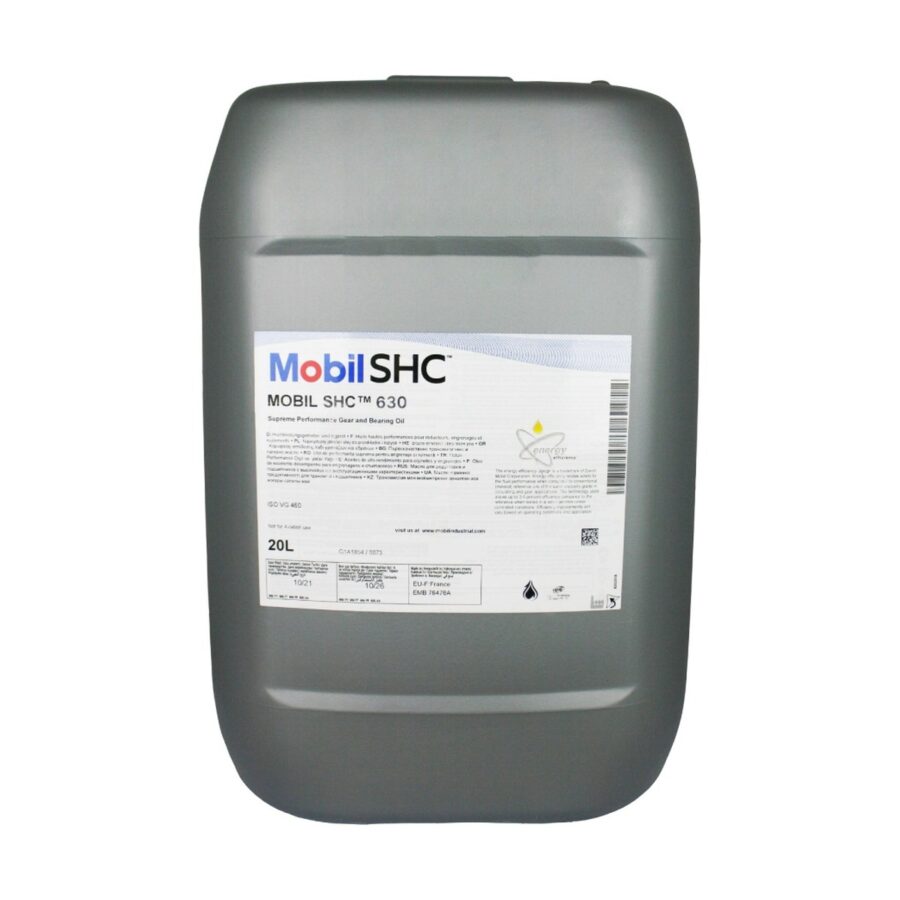
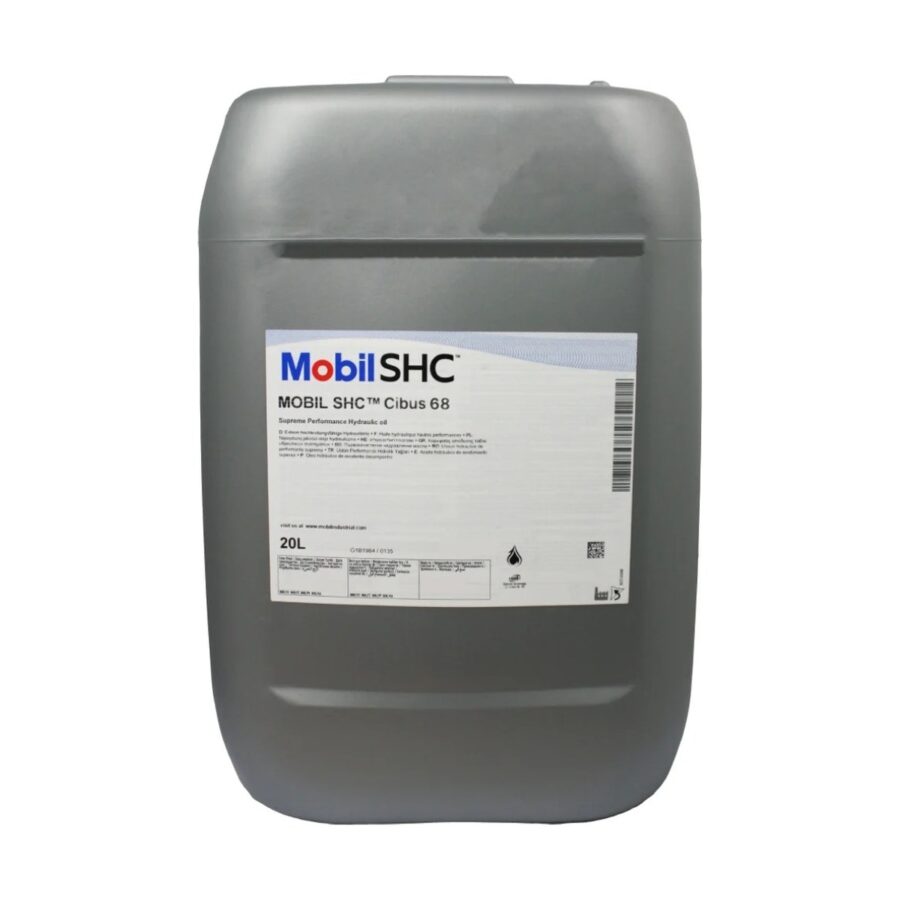
- PAO (polyalphaolefin): a synthetic hydrocarbon. It behaves like a very pure, very stable mineral oil. Examples include the Mobil SHC 600 series and the Mobil SHC Cibus food-grade range.
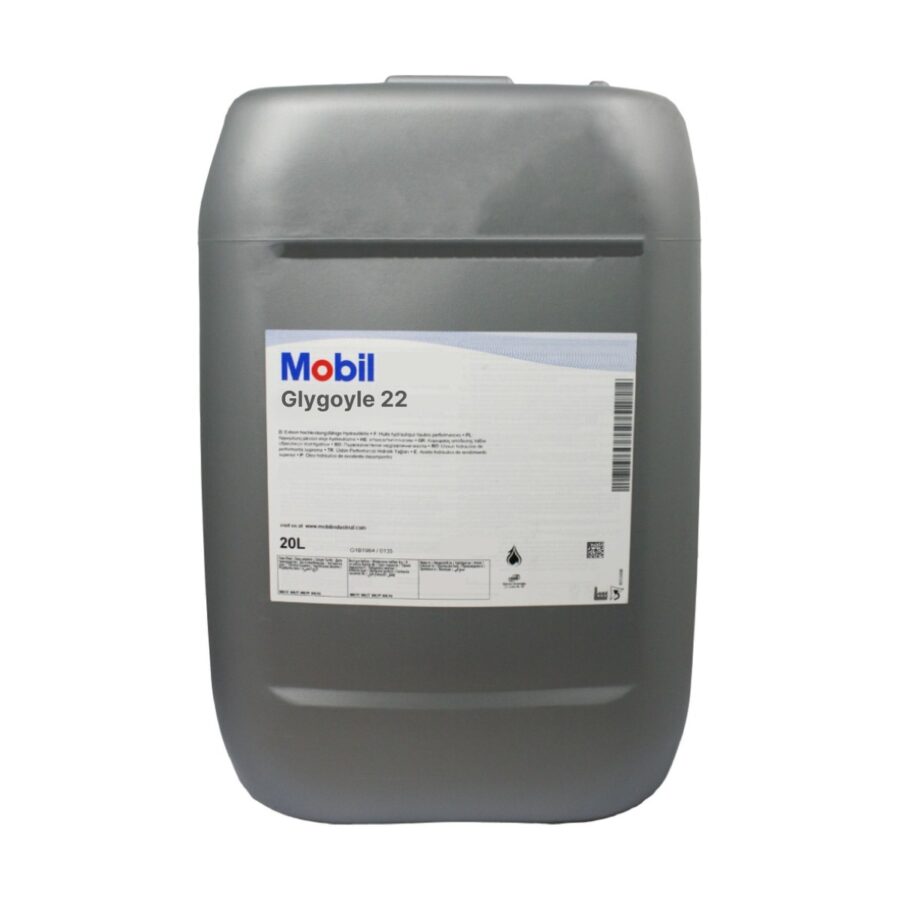
- PAG (polyalkylene glycol, polyglycol): a synthetic made from ethylene and propylene oxides. It has very low friction and high viscosity index. Mobil Glygoyle is a PAG gear and bearing oil.
- Ester: made by reacting acids and alcohols. Esters are polar, so they cling to metal surfaces and dissolve additives and deposits well. They are common in compressor oils, low-temperature greases and environmentally acceptable lubricants.
PAO vs PAG vs ester compared
| Property | PAO | PAG | Ester |
|---|---|---|---|
| Viscosity index | High (about 140–170) | Very high (often above 200) | High |
| Low-temperature flow | Very good | Good | Excellent |
| High-temperature stability | Very good | Very good, low deposits | Very good |
| Friction (traction) | Low | Very low | Low |
| Mixes with mineral oil | Yes | No | Generally yes |
| Water behaviour | Separates well | Water-soluble types absorb water | Can hydrolyse with water |
| Seal and paint compatibility | Similar to mineral oil | Check seals and internal paints | Can swell some seals |
| Typical uses | Gear, bearing, hydraulic, compressor, food-grade oils | Worm gears, hot gearboxes, some compressors | Compressors, low-temperature and biodegradable lubricants |
Where does PAO oil work best?
PAO is the default synthetic for most industrial uses because it is stable, has a wide temperature range and is compatible with mineral oils, so changeovers are simple. Mobil SHC 630 (ISO VG 220) lists a viscosity index of 169, compared with 97 for the mineral Mobilgear 600 XP 220 of the same viscosity grade. That difference means the PAO oil stays thicker when hot and thinner when cold. Typical PAO applications are enclosed gearboxes running hot, circulating bearings, compressors and long-drain applications. See Mobil SHC 600 vs Mobilgear 600 XP.
Where does PAG oil work best?
PAG oils have very low traction, so they reduce friction and heat in sliding contacts. That is why they are often recommended for worm gears, where sliding is high and efficiency matters. Mobil Glygoyle 22 lists a viscosity of 177 mm²/s at 40 °C and 25.1 mm²/s at 100 °C, with a maximum bulk oil temperature of 200 °C. PAG oils also form fewer deposits at high temperature.
The limits are important. PAG is not miscible with mineral or PAO oils; mixing can create sludge and foam. PAG can attack some internal paints and certain seal materials, and its density is higher than water, which affects water separation. Use PAG only where the equipment is designed or approved for it, and flush thoroughly when converting.
Where do ester oils work best?
Esters are used where very good low-temperature flow, solvency or biodegradability is needed. Air compressor oils, refrigeration oils, high-speed spindle and instrument greases and environmentally acceptable hydraulic fluids often use esters. Because esters are polar, they keep compressors cleaner by dissolving deposits. The trade-off is that some esters hydrolyse (break down) in the presence of water and heat, and some can swell seal materials. Keep systems dry and check seal compatibility.
How do PAO, PAG and ester oils behave with food-grade requirements?
All three base oils can be used in NSF H1 lubricants when formulated with approved components. PAO is the most common base for H1 oils; the Mobil SHC Cibus range is PAO-based, and SHC Cibus 68 lists a viscosity index of 140. Food plants should still check the NSF registration for each product. See NSF H1, H2 and H3 explained.
How do you change from one base oil to another?
- Confirm that the equipment maker approves the new oil type, including seals and paints.
- For PAG conversions in either direction, drain completely, flush with the new oil (or a recommended flushing oil), drain again and refill.
- For mineral to PAO, a good drain is usually enough, but follow the oil supplier’s guidance.
- Label the equipment clearly with the new oil type to prevent wrong top-ups.
- Take an oil sample after the first few hundred hours to confirm the system is clean.
Oil analysis is a good check after a conversion; see oil analysis basics and mixing gear oils.
Which synthetic oil should I choose?
| If your main need is… | Usually consider |
|---|---|
| Hot enclosed gearbox, long drain intervals | PAO gear oil (Mobil SHC 600 series) |
| Worm gear efficiency and low temperature rise | PAG gear oil (Mobil Glygoyle), if approved |
| Food-grade oil (NSF H1) | PAO food machinery oil (Mobil SHC Cibus) |
| Air compressor cleanliness | Ester or PAO compressor oil, per the compressor maker |
| Very low temperature or high-speed instrument bearings | Ester-based oils or greases |
| Simple changeover from mineral oil | PAO |
How do the base oils behave in GCC heat?
High ambient temperatures raise oil temperatures in gearboxes, hydraulics and compressors. All three synthetic base oils resist oxidation better than mineral oil, so they help in hot climates. PAO is the most common choice for hot gearboxes because conversion is simple. PAG is chosen where friction heat in sliding contacts, such as worm gears, is the main problem. Esters are less often used for heat alone and more for compressor cleanliness and low-temperature duty in air-conditioned or refrigerated areas. Whatever the base oil, keep breathers, filters and coolers in good condition, because contamination and overheating shorten the life of any oil.
What about seals and paints?
Seal compatibility is a frequent cause of trouble after a change. PAO behaves much like mineral oil with common seal materials, though some seals can shrink slightly, which is why some PAO oils include seal conditioners. PAG can be incompatible with certain internal paints and some seal materials, which is why gearbox makers approve specific PAG oils for specific gearboxes. Esters can swell some elastomers. Before converting, check the seal materials listed in the equipment manual and the compatibility statements on the oil’s data sheet.
How do you identify which oil is in a system?
Labels and maintenance records should tell you, but they are not always reliable. Oil analysis can identify the base oil type. A simple field check is that most PAG oils are denser than water and some are water-soluble, while PAO and mineral oils float. Do not rely on colour. If there is doubt, treat the system as unknown and flush before adding a different oil.
Checklist before choosing a synthetic oil
- Confirm the viscosity grade required by the equipment maker.
- Check approvals for gear, compressor or hydraulic duty.
- Confirm seal and paint compatibility.
- Check whether food-grade (NSF H1) is needed.
- Plan the changeover: drain, flush and label.
- Agree an oil analysis interval to confirm condition after the change.
Are synthetic oils worth the higher price?
Synthetic oils cost more per litre, but they often last several times longer between changes, reduce deposits and can improve efficiency. The benefit is largest in hot, heavily loaded or critical equipment. For cool, lightly loaded systems with regular oil changes, a good mineral oil may remain the better value. Compare total cost per year, including oil, labour, disposal and downtime.
Frequently asked questions
Can I mix PAO and PAG oil?
No. PAO and PAG are not miscible. Mixing can cause sludge, foaming and loss of lubrication. Flush the system when changing between them.
Is PAO oil compatible with mineral oil?
Yes, PAO oils are generally miscible with mineral oils, which makes conversion easier. Small amounts of the old oil will dilute the benefits, so drain as fully as practical.
Why is PAG used in worm gears?
PAG has very low traction, which reduces sliding friction and temperature in worm gears and can improve efficiency. It must be approved for the gearbox seals and paint.
Are ester oils biodegradable?
Many esters are readily biodegradable, which is why they are used in environmentally acceptable lubricants. Check the product data sheet for the specific claim and test standard.
Conclusion
PAO is the all-round synthetic for gear, bearing, hydraulic and food-grade oils and the easiest to convert to. PAG brings very low friction and heat resistance for worm gears and hot gearboxes but must be kept separate from other oils. Esters lead at low temperatures and in compressors but need dry systems. Choose by application and approval, label equipment clearly, and flush properly when you change base oil.
Need help applying this to your plant? Send us the equipment details or the product you use now and we will recommend a suitable Kluber or Mobil grade: request a quote and we reply within one business day.