Key takeaways
- A central lubrication system can only lubricate well if the grease pumps reliably through its lines and distributors.
- Softer greases (NLGI 000 to 1) pump more easily; NLGI 2 is possible in short, warm, progressive systems if the system maker approves it.
- Single-line systems are generally more sensitive to grease consistency than progressive systems.
- Temperature changes pumpability: grease that pumps well in summer may be too stiff on a cold morning or in an air-conditioned area.
- Use the grease the bearing or equipment needs, in the consistency the system maker approves.
Central (automatic) lubrication systems feed many grease points from one pump: on crushers, mills, presses, conveyors, cranes and mobile equipment. They save labour and deliver small, regular quantities, which is better for bearings than occasional large shots. But the system only works if the grease can be pumped through long, narrow lines and metering valves. This guide explains how to choose grease for central lubrication. For manual and single-point options, see single-point automatic lubricators.
What types of central lubrication system are there?
| System type | How it works | Grease sensitivity |
|---|---|---|
| Progressive | Pump feeds a series of distributors that dose each point in turn | Moderate; often handles NLGI 1 and sometimes NLGI 2 |
| Single-line (parallel) | Pressure is applied to one main line and injectors dose each point, then pressure is released | High; usually needs softer greases so pressure can relieve |
| Dual-line | Two main lines alternate pressure; suits long distances and many points | Moderate; can handle stiffer greases over long distances |
| Multi-line | Pump has several outlets, each feeding one point directly | Moderate |
Always check the grease approval in the system maker’s manual. Many makers publish a list of tested greases and a maximum NLGI grade for each system type.
Which NLGI grade pumps best?
Softer greases pump more easily. Semi-fluid greases of NLGI 00 and 000 behave almost like thick oil and are common in single-line systems and on mobile equipment. NLGI 0 and 1 are typical for progressive systems in fixed plant. NLGI 2 can be used in some short, warm progressive systems. For an explanation of grades, see NLGI grades explained.
| Mobil grease | NLGI grade | Notes |
|---|---|---|
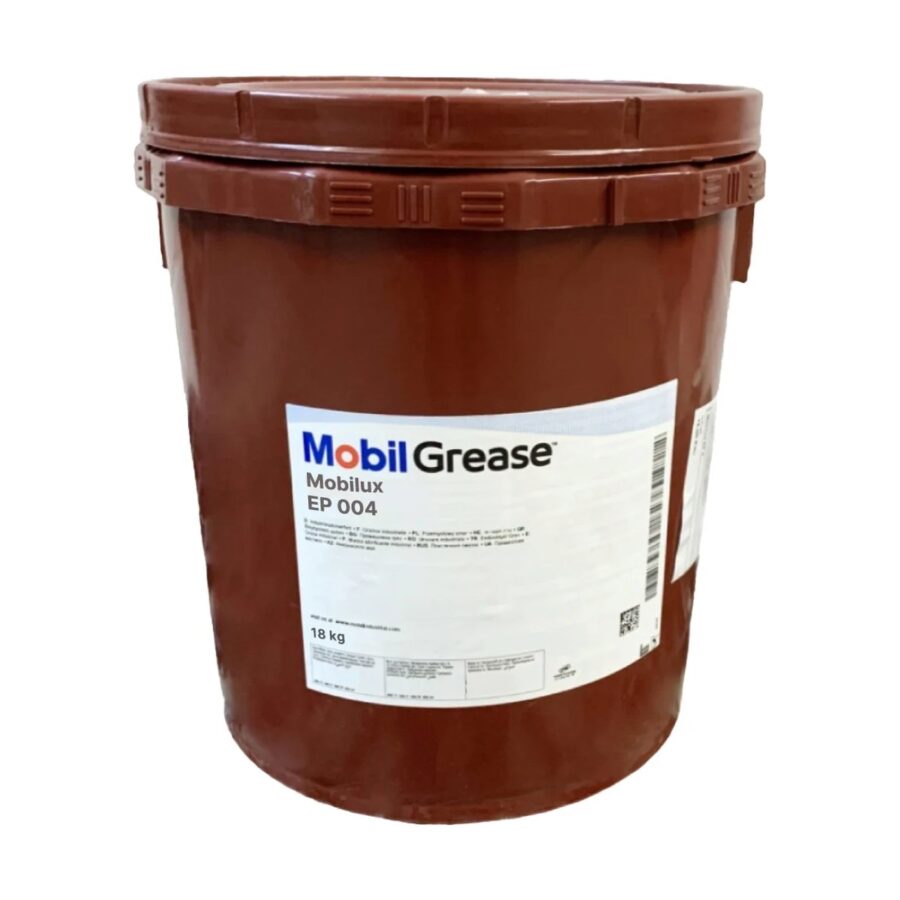
| Mobilux EP 004 | 00 | Lithium, mineral base oil 160 mm²/s; semi-fluid |
| Mobilux EP 0 | 0 | Lithium, mineral; soft grease for central systems |
| Mobilux EP 1 | 1 | Lithium, mineral; −20 °C to 130 °C |
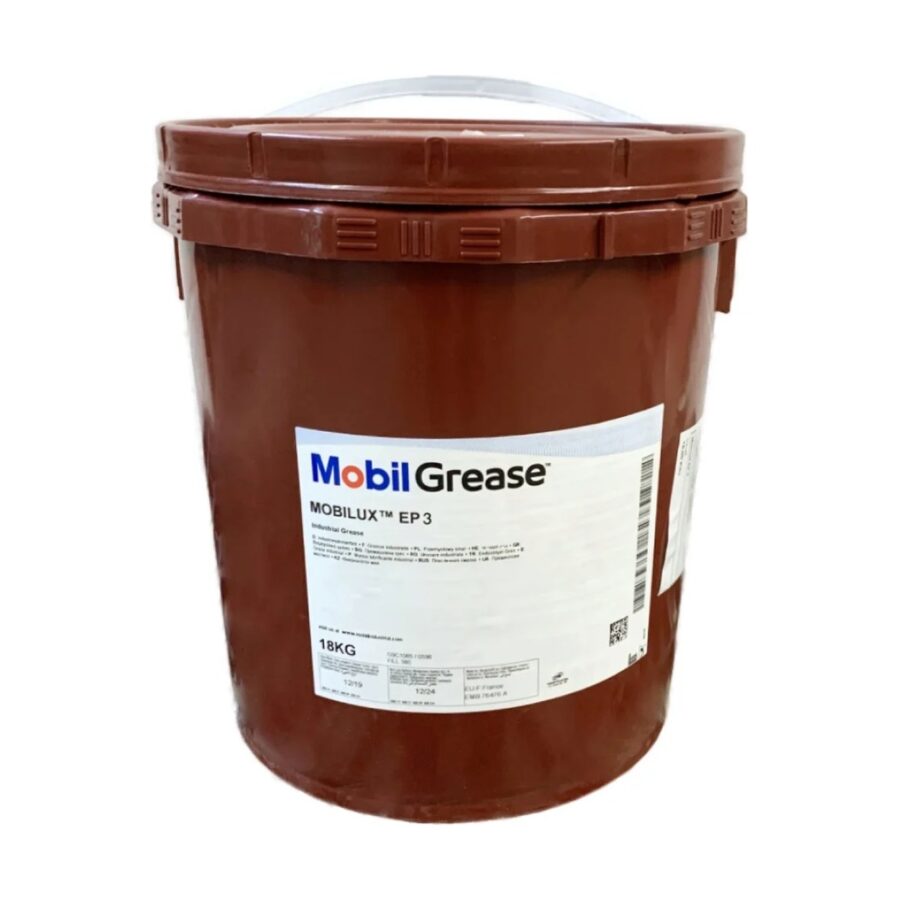
| Mobilux EP 2 | 2 | Lithium, mineral; for systems approved for NLGI 2 |
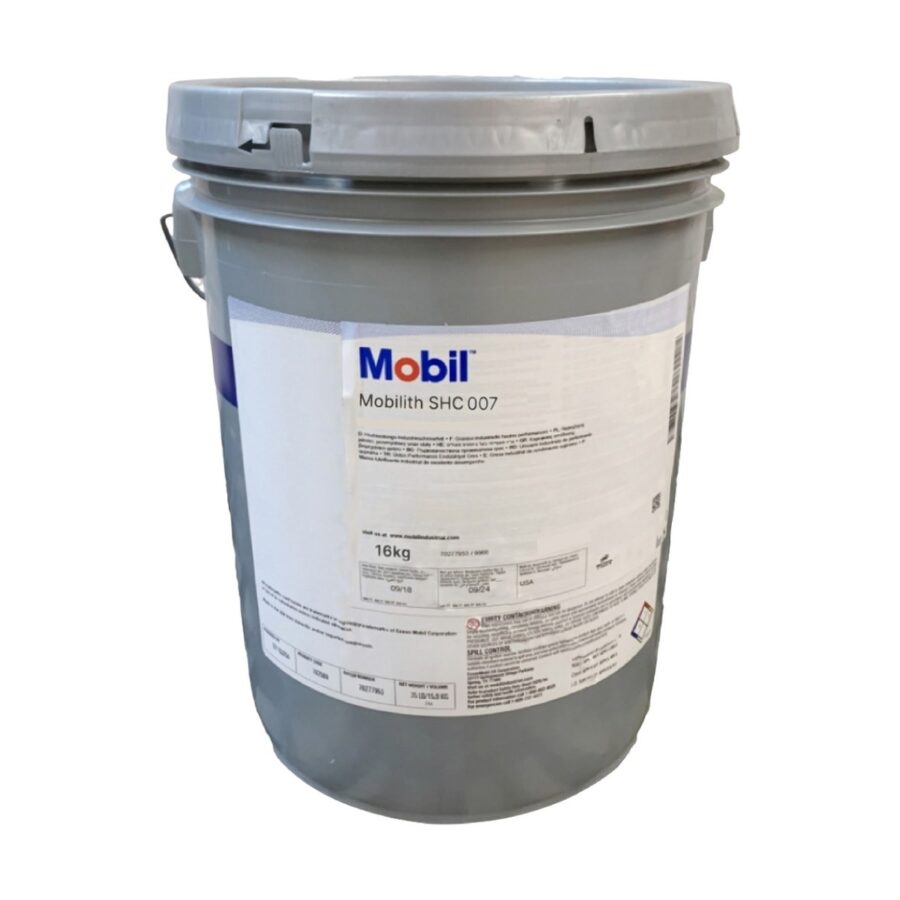
| Mobilith SHC 007 | Semi-fluid | Lithium complex, PAO base oil ISO VG 460; gear and bearing grease |
All Mobilux EP grades share a 160 mm²/s base oil, so moving between them changes consistency, not base oil viscosity. That makes it simple to pick the softest grade that still stays in the bearing.
Why does base oil and thickener matter?
Pumpability depends on more than NLGI grade. Greases with higher base-oil viscosity, high solid-lubricant content or certain thickeners can be harder to pump and more likely to separate (bleed oil) under pressure in the lines. Oil separation leaves a hard soap residue that can block metering valves. Choose greases that the system maker has tested, and avoid greases with high solid content unless approved.
How does temperature affect central lubrication?
Grease stiffens as temperature falls. In the GCC, outdoor systems may see 50 °C in summer and much cooler nights, while systems inside air-conditioned buildings or cold stores run cold all year. A grease that pumps well at 40 °C may cause pressure faults at 10 °C. Check the system maker’s low-temperature limit for the grease, and consider a softer grade or a synthetic grease for cold areas. High temperatures increase oil separation in lines, so keep lines away from hot surfaces where possible. See lubrication in extreme heat.
Should the grease match the bearings or the system?
Both. The grease must suit the bearings it feeds (load, speed, temperature, water) and also pump through the system. Where the bearings need an EP grease for heavy loads, choose a soft EP grade rather than a stiffer one that the system struggles to pump. If one system feeds points with very different needs, discuss with the system maker whether separate circuits are needed.
What are the most common mistakes?
- Filling the reservoir with a stiffer grease than the system is approved for.
- Mixing incompatible greases when changing product (for example lithium with polyurea).
- Introducing dirt while refilling; always use a filler pump with a filter.
- Ignoring pressure alarms or blocked-distributor indicators.
- Setting pump intervals and quantities once and never reviewing them.
See grease compatibility and over-greasing bearings.
How do you change grease in a central system?
- Confirm the new grease is approved by the system maker and compatible with the old one.
- Empty and clean the reservoir.
- Fill with the new grease using a clean filler pump.
- Pump until new grease appears at every point; check distributors work correctly.
- Monitor pressures and bearing condition closely for the first weeks.
Where are central lubrication systems common in the GCC?
Central systems are widely used on cement plant crushers, mills and conveyors, steel mill roll stands, mining and quarry equipment, port cranes, large presses and many mobile machines such as loaders and excavators. In these applications, dust, heat and long working hours make manual greasing difficult and inconsistent. Automatic systems deliver grease while equipment runs, which pushes contaminants out of seals and keeps fresh grease in the bearing.
How do you set quantities and intervals?
Start from the grease requirement of each bearing, calculated with the bearing maker’s method or the equipment maker’s data. Set the metering valves or distributor outputs to deliver that quantity, then set the pump cycle to deliver it in small portions over the interval. Review the settings after the first weeks of operation by checking bearing temperatures, the condition of purged grease at the seals and grease consumption. Points that run hot or dirty may need more grease; points with grease piling up outside may need less.
What maintenance does a central system need?
- Keep the reservoir filled with the correct grease using a clean filler pump.
- Check that pressure and cycle indicators show normal operation.
- Inspect lines and fittings for damage, leaks and crushed hoses.
- Confirm grease arrives at every point, especially remote or high points.
- Replace filters and check safety valves as the system maker recommends.
- Record faults and how they were fixed, to spot repeat problems.
A central system that is not maintained can be worse than manual greasing, because a blocked line can leave a bearing without grease while everyone assumes it is lubricated.
Do mobile equipment systems need different grease?
Mobile equipment such as loaders and excavators often uses single-line or progressive systems that run outdoors in heat, dust and sometimes water. Greases for these systems are often softer grades with good water resistance and extreme-pressure performance for pins and bushes. Some equipment makers specify greases with solid lubricants for pins. Follow the equipment maker’s recommendation and the system maker’s approval for pumpability.
Checklist before choosing a central lubrication grease
- System type and maker, and their approved grease list.
- Maximum NLGI grade for the system and line length.
- Lowest and highest temperature the system and lines will see.
- Load, speed and water exposure of the bearings fed.
- Compatibility with the grease currently in the system.
- Pack size that suits the reservoir and filling equipment.
How do you diagnose a point that is not receiving grease?
Start at the bearing and work back towards the pump. Check whether fresh grease appears at the seal. Disconnect the line at the bearing and cycle the system to see if grease arrives. If it does, the bearing passage may be blocked. If it does not, check the distributor or injector for that line, then the main line and pump pressure. Hardened grease from oil separation is a common cause of blocked distributors; replacing it with a softer, approved grade often solves repeat problems. Record each fault and its cause, because repeated blockages at the same point usually point to a design, temperature or grease issue rather than bad luck.
Frequently asked questions
What NLGI grade is best for a central lubrication system?
It depends on the system type and temperature. NLGI 00 or 000 for many single-line and mobile systems, NLGI 0 or 1 for most progressive systems. Follow the system maker’s approval.
Can I use Mobilux EP 2 in a central lubrication system?
Only if the system maker approves NLGI 2 for that system and temperature range. Otherwise use Mobilux EP 1, EP 0 or EP 004.
Why is my central lubrication system showing high pressure?
Common causes are grease that is too stiff for the temperature, oil separation and hardening in lines, blocked distributors or damaged lines. Check the grease grade first.
Does a central system use more grease?
Usually less in total, because it delivers small, regular quantities instead of large manual shots. Set quantities from the bearing requirements.
Conclusion
Choose a central lubrication grease that both suits the bearings and pumps reliably at the lowest temperature the system sees. Start from the system maker’s approved list, prefer the softest consistency that stays in the bearings, avoid high solids unless approved, and keep refilling clean. Mobilux EP grades from 004 to 2 share one base oil, which makes it simple to match consistency to the system.
Need help applying this to your plant? Send us the equipment details or the product you use now and we will recommend a suitable Kluber or Mobil grade: request a quote and we reply within one business day.