Key takeaways
- Choose a high-temperature grease by the actual bearing temperature, not the ambient or the oven temperature.
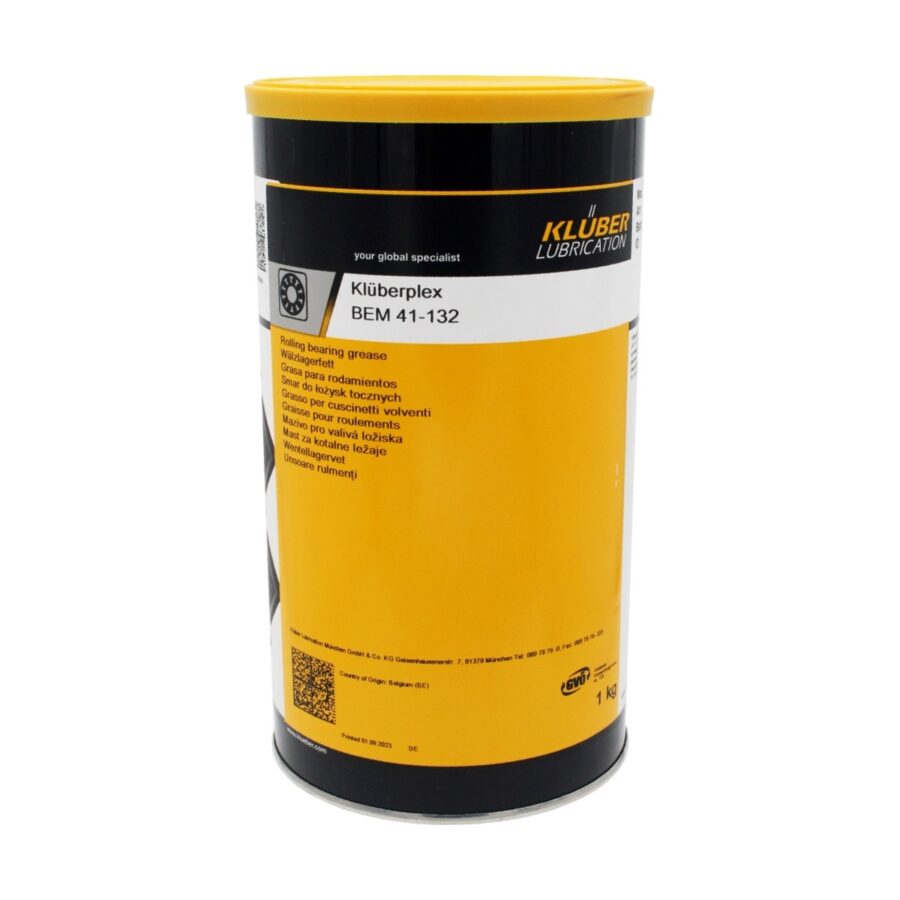
- Up to about 150 °C, lithium-complex and special lithium greases such as Kluberplex BEM 41-132 are common.
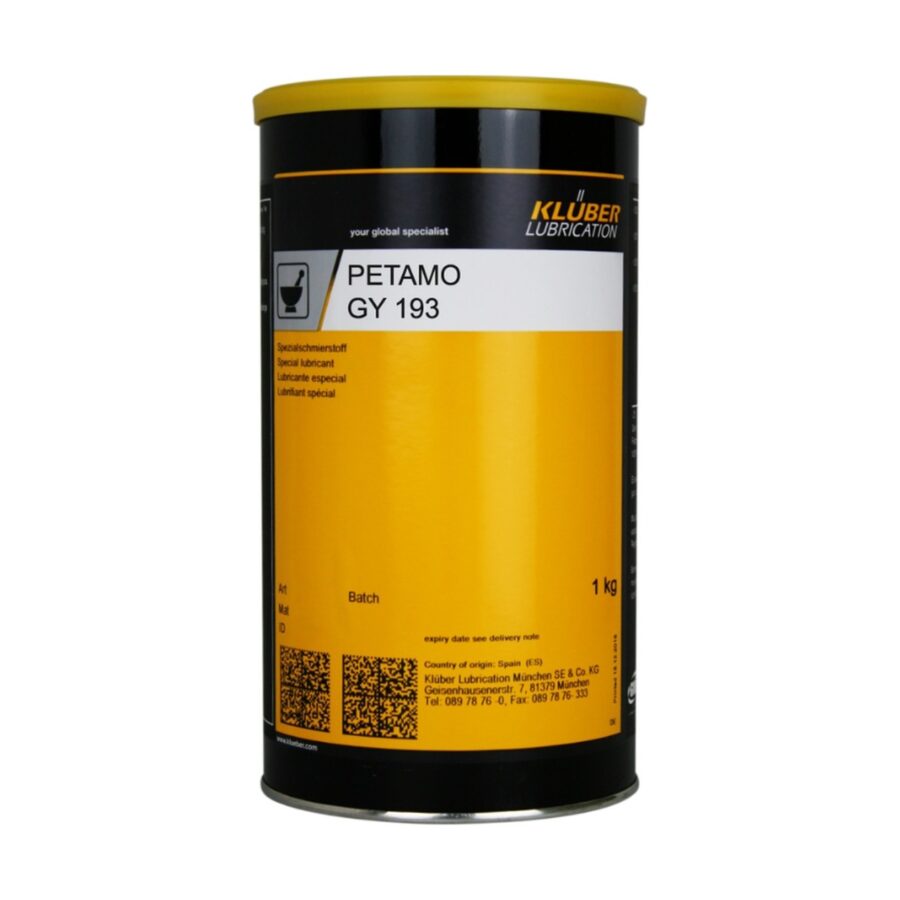
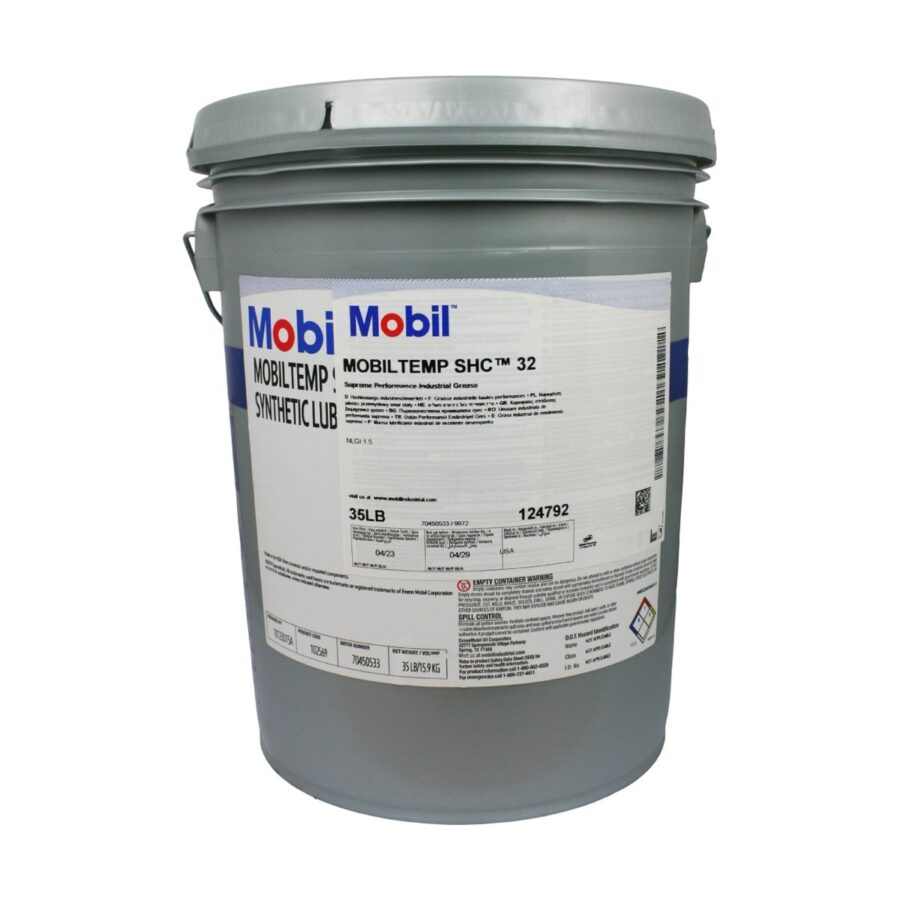
- From about 150 °C to 180 °C, polyurea greases such as PETAMO GY 193, PETAMO GHY 133 N and ASONIC GHY 72 are widely used, as is clay-thickened Mobiltemp SHC 32.
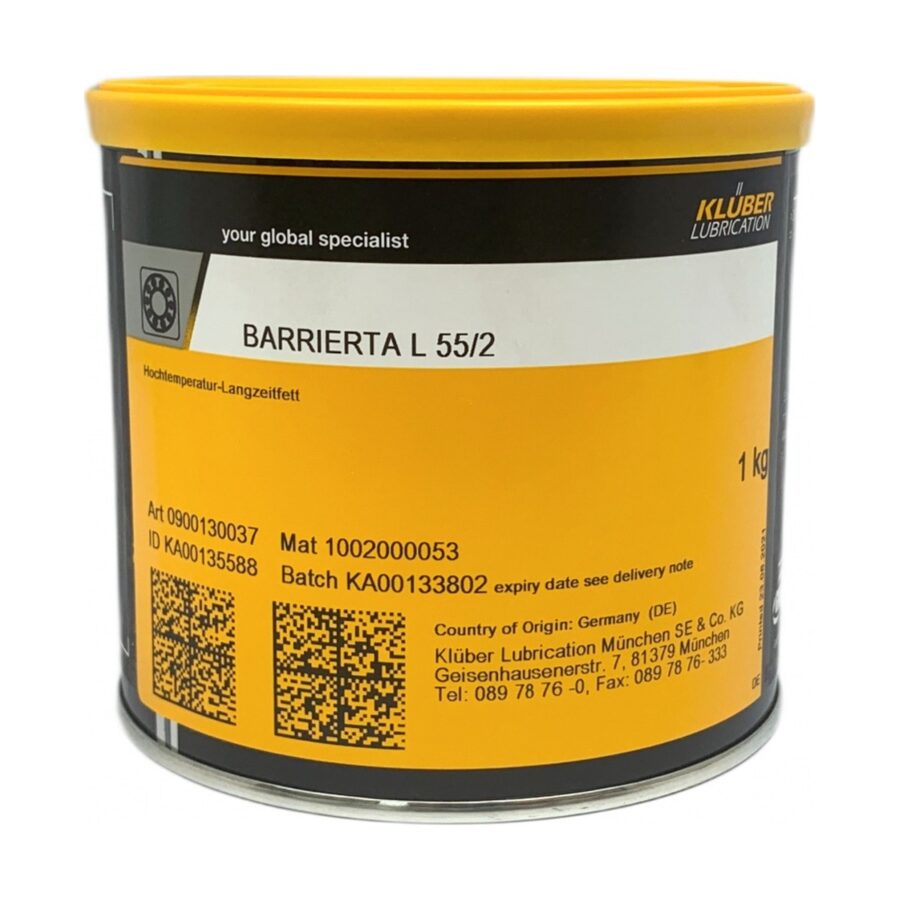
- Above about 180 °C and up to 260 °C, PFPE greases such as BARRIERTA L 55/2 and Klubertemp are usually needed.
- Higher temperature ratings cost more; do not over-specify, but do not let a mineral grease bake in a hot bearing.
Heat is the main enemy of grease. As temperature rises, the base oil oxidises and evaporates, the thickener can break down, and the grease life falls sharply. A common rule of thumb is that grease life roughly halves for every 10–15 °C rise above the grease’s comfortable temperature. This guide compares high-temperature bearing greases by temperature band, using products we supply. For applications in kilns, ovens and dryers, see high-temperature grease for kilns, ovens and dryers.
How hot is the bearing really?
Measure the bearing temperature at the outer ring or housing with an infrared thermometer or a fixed sensor, under normal operation. Oven or process temperatures are often much higher than the bearing temperature, because bearings are usually outside the hot zone or cooled. The ambient temperature also matters: in a GCC summer, bearings exposed to sun can run 20–30 °C above the indoor value. Choose a grease whose upper service temperature is comfortably above the measured bearing temperature.
High-temperature bearing greases at a glance
| Grease | Upper temperature | Thickener / base | Typical use |
|---|---|---|---|
| Kluberplex BEM 41-132 | 150 °C | Special lithium soap | Rolling bearings at moderately high temperature and long-term lubrication |
| PETAMO GHY 133 N | 160 °C | Polyurea | Electric motors, fans, long-term lubrication |
| PETAMO GY 193 | 180 °C | Polyurea, base oil about 160 mm²/s | Hot, heavily loaded bearings, dryer and kiln fans |
| ASONIC GHY 72 | 180 °C | Polyurea, base oil about 72 mm²/s | Electric motors and fans at higher speed |
| Kluberquiet BQH 72-102 | 180 °C | Polyurea | Low-noise motor bearings |
| Mobiltemp SHC 32 | 180 °C | Organo-clay, PAO | High-temperature bearings, dropping point above 260 °C |
| Klubertemp HM 83-401 | 260 °C | PFPE type | Very hot bearings, long-term lubrication |
| BARRIERTA L 55/2 | 260 °C | PFPE, NLGI 2, NSF H1 | Oven conveyors, hot bearings, food plants |
Temperatures are the upper service temperatures listed by the manufacturers. Check the current TDS for your application.
Which grease for 120–150 °C?
In this range, good synthetic or semi-synthetic lithium-complex or special lithium greases are usually enough. Kluberplex BEM 41-132 is rated from −40 °C to 150 °C and is used for long-term lubrication of rolling bearings. Mobilith SHC 220 (PAO, lithium complex, dropping point 265 °C) is another common choice for heavily loaded bearings in this range.
Which grease for 150–180 °C?
Polyurea greases dominate this band because polyurea thickeners resist oxidation and do not contain metal soaps that can catalyse oil breakdown. PETAMO GY 193 is rated to 180 °C and suits heavily loaded hot bearings; PETAMO GHY 133 N and ASONIC GHY 72 suit faster bearings such as electric motors and fans. Mobiltemp SHC 32, a PAO grease with a non-melting clay thickener, is rated to 180 °C and has a dropping point above 260 °C. See Kluber PETAMO greases explained.
Which grease above 180 °C?
Above about 180 °C, most hydrocarbon-based greases evaporate and oxidise too quickly. PFPE (perfluoropolyether) greases are the usual answer: they are chemically very stable, do not burn and have low evaporation. BARRIERTA L 55/2 is rated from −40 °C to 260 °C, has an NLGI grade of 2 and is NSF H1 registered, so it is also used in food plants. The Klubertemp HM 83 series covers similar temperatures. PFPE greases are expensive, so they are reserved for points where nothing else lasts. See the BARRIERTA L 55 guide.
Can PFPE grease be mixed with other greases?
No. PFPE greases are not miscible with mineral or synthetic hydrocarbon greases, and mixing reduces their high-temperature performance. Before changing to a PFPE grease, clean the bearing thoroughly, ideally removing it and washing out the old grease. Use dedicated, labelled grease guns.
How often should hot bearings be relubricated?
Relubrication intervals shorten as temperature rises. Calculate the interval from the bearing maker’s method and reduce it for temperature, contamination and vertical shafts. High-temperature greases allow longer intervals than standard greases at the same temperature, but they do not remove the need for relubrication. See how much grease and how often.
Which grease for electric motors that run hot?
Electric motors need low noise, good high-speed performance and long life, often at 80–120 °C. Polyurea greases such as PETAMO GHY 133 N, ASONIC GHY 72 and Kluberquiet BQH 72-102, or Mobil Polyrex EM, are common. Check the motor maker’s recommendation and avoid mixing polyurea with lithium greases. See electric motor bearing grease.
Which applications in the GCC need high-temperature greases?
Typical hot bearings in the region include induced-draft and kiln fans in cement plants, dryer and calender rolls in paper and textile mills, oven and proofer conveyors in bakeries, tenter frames in textile finishing, furnace roller tables and continuous casters in steel plants, hot-air fans in glass plants, and electric motors exposed to sun and high ambient temperatures. In many of these, a standard mineral grease would need very frequent relubrication or would fail early.
Does speed change the choice of high-temperature grease?
Yes. High-speed bearings, such as those in electric motors and fans, need greases with lower base-oil viscosity and good mechanical stability to avoid heat from churning. Slow, heavily loaded bearings, such as those in kiln rollers or dryer cylinders, need higher base-oil viscosity and often extreme-pressure performance. PETAMO GY 193 has a base oil of about 160 mm²/s and suits heavier loads; ASONIC GHY 72, with about 72 mm²/s, suits faster bearings. Check the speed factor and base-oil viscosity requirements of the bearing alongside the temperature.
What about very hot slow bearings and plain bearings?
Plain bearings, guides and slowly moving parts in ovens and furnaces may operate above the range of any grease. In these cases, solid-lubricant pastes or dry lubricants are used, or the design keeps the bearing outside the hot zone with cooling or heat shields. For hot bolts and fittings, see our comparison of high-temperature pastes.
How should high-temperature grease be stored and handled?
High-temperature greases are often expensive, so avoid waste and contamination. Store them in a cool place, keep containers closed and use dedicated, labelled grease guns, especially for PFPE greases. Do not leave cartridges in hot vehicles or in direct sun. Record the grease used at each point and the relubrication interval, so the right grease is used every time.
Checklist before choosing a high-temperature grease
- Measured bearing temperature in normal operation and the maximum during upsets.
- Speed (speed factor) and load of the bearing.
- Environment: water, steam, chemicals, dust.
- Food-grade requirement (NSF H1).
- Compatibility with the grease currently in the bearing.
- Relubrication method and interval that the site can achieve.
Send these details to us and we can suggest suitable Kluber and Mobil greases for the temperature band.
What are the signs that a bearing grease is overheating?
- Dark, hard or cracked grease in the housing or at the seals.
- Oil bleeding and a varnish-like layer on bearing surfaces.
- Bearing temperature that rises steadily between relubrications.
- Smoke or a burnt smell near the bearing.
- Frequent bearing failures with discoloured rolling elements or rings.
If you see these signs, measure the bearing temperature and compare it with the upper service temperature of the grease in use. Often the fix is a grease from the next temperature band, a shorter relubrication interval, or improved cooling or shielding of the bearing. Treating the cause is more effective than simply adding more grease, which can raise temperature further through churning. Where a bearing is close to the limit of every suitable grease, look at the bearing arrangement itself: improved sealing, heat shields, insulation or cooling air can bring the temperature down into a range where grease life is acceptable. Record the bearing temperature after any change so you can confirm the improvement. Share the result with the maintenance team so the same approach is used on similar bearings elsewhere in the plant.
Frequently asked questions
What is the best grease for 200 °C?
At a continuous 200 °C, a PFPE grease such as BARRIERTA L 55/2 or Klubertemp HM 83-401 is usually needed. Check the bearing temperature and speed with us.
Is a high dropping point enough to choose a high-temperature grease?
No. The dropping point shows when the thickener melts, not how long the base oil survives. Use the upper service temperature on the TDS.
Is polyurea grease better than lithium at high temperature?
Polyurea greases generally resist oxidation better and are widely used up to about 180 °C. Lithium complex greases are also good up to about 150 °C.
Can I use a food-grade grease in a hot bearing?
Yes, if it is rated for the temperature. BARRIERTA L 55/2 is NSF H1 registered and rated to 260 °C.
Conclusion
Measure the bearing temperature, then choose by band: special lithium or lithium-complex greases to about 150 °C, polyurea and clay-thickened synthetics to about 180 °C, and PFPE greases up to 260 °C. Do not mix PFPE with other greases, shorten relubrication intervals as temperatures rise, and reserve the most expensive greases for the points that truly need them.
Need help applying this to your plant? Send us the equipment details or the product you use now and we will recommend a suitable Kluber or Mobil grade: request a quote and we reply within one business day.