Key takeaways
- Glass and ceramics plants operate at some of the highest temperatures in industry, and lubricants near kilns and lehrs must not evaporate, carbonise or harden.
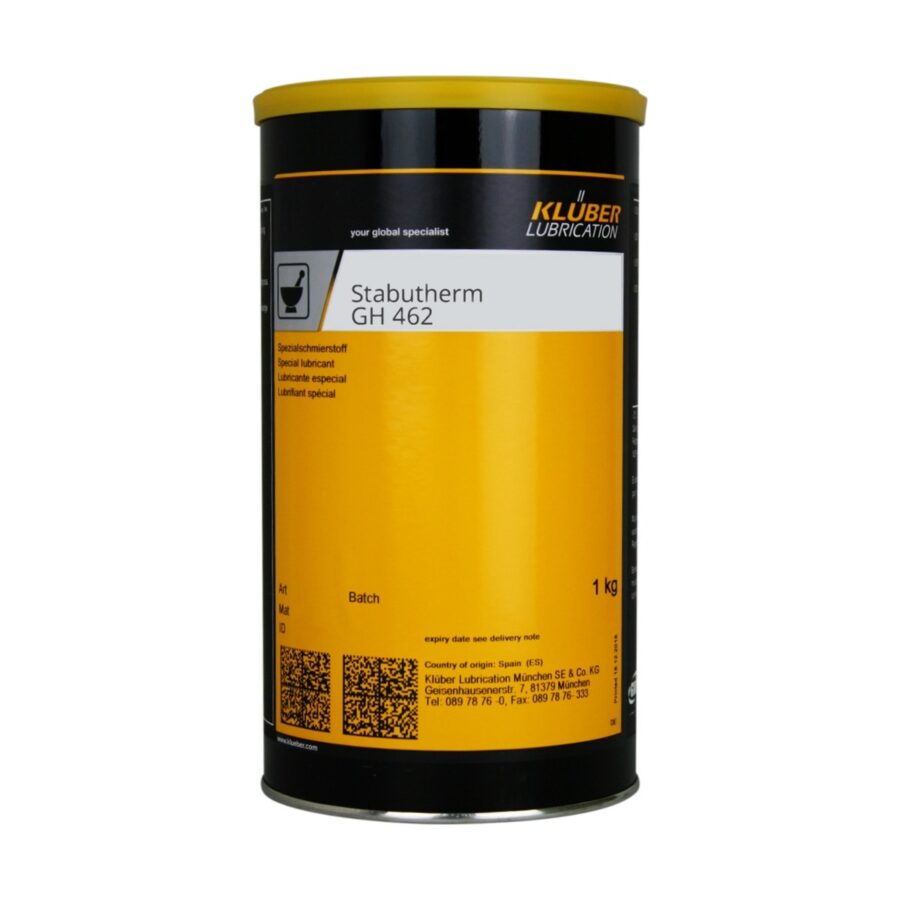
- Kiln car and roller drive bearings need high-temperature greases rated for measured bearing temperatures, such as Stabutherm GH 462 or PFPE greases.
- Hot fasteners, couplings and fittings need high-temperature anti-seize pastes so they can be opened at maintenance.
- Batch houses and raw material handling are dusty and need good sealing and EP greases.
- Measure temperatures, choose with margin and apply small amounts often.
Glass and ceramics plants melt, form and fire materials at very high temperatures: glass furnaces run well above 1,000 °C, and ceramic kilns fire tiles, sanitaryware and bricks at similar temperatures. Bearings, chains, slides and fasteners close to these processes face heat that destroys ordinary lubricants. At the same time, raw material handling is dusty and forming machines run at high speeds. This guide covers the main areas of glass and ceramics plants and how to lubricate them. See also our glass and ceramics industry page.
Where does heat hit lubrication in glass and ceramics plants?
| Area | Typical lubrication points | Challenge |
|---|---|---|
| Tunnel kilns | Kiln car wheel bearings, pushers, transfer cars | Radiant heat, long cycle times |
| Roller hearth kilns | Roller drive bearings, chains, gears | Heat along the kiln length |
| Glass lehrs | Roller bearings, conveyor chains, drives | Heat during annealing |
| Glass forming (IS machines, presses) | Mechanisms, gears, bearings near hot glass | Heat, speed, contamination |
| Furnace auxiliaries | Fans, burners, dampers, valves | Heat and dust |
| Dryers | Fan and conveyor bearings | Hot, humid air |
Why do ordinary greases fail?
Mineral greases near kilns oxidise and evaporate quickly. As the oil goes, the remaining thickener hardens into a crust, or carbonises into hard deposits that block bearings. Some greases soften and run out. Either way, the bearing runs dry and fails. Because many of these bearings are in hard-to-reach places, such as under kiln cars, failures are costly to repair.
Kiln car bearings
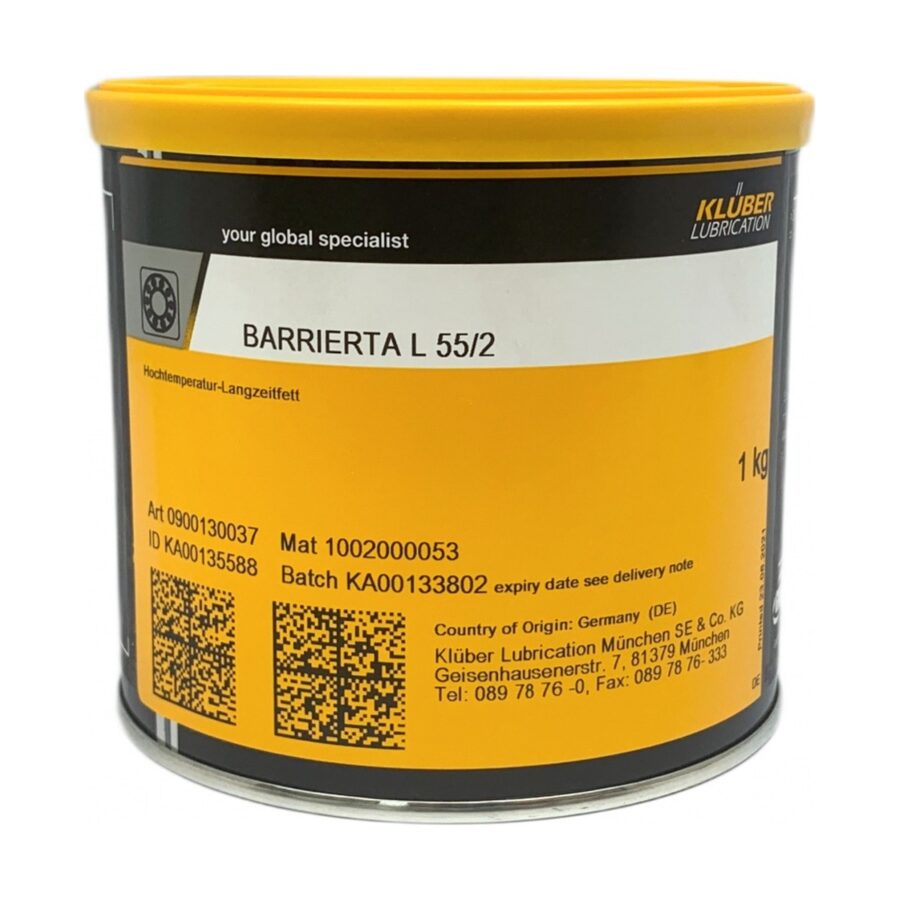
Kiln car wheel bearings pass through or close to the kiln on every cycle, experiencing repeated heating and cooling. They need high-temperature greases with low evaporation, good oxidation stability and resistance to hardening. Kluber Stabutherm GH 462, a high-temperature bearing grease in NLGI 2, is used in such applications according to its product data, and PFPE greases such as BARRIERTA L 55 suit the hottest positions. Measure bearing temperatures as cars leave the kiln to choose correctly. See high-temperature grease for kilns, ovens and dryers.
Roller hearth kilns
In roller kilns, ceramic rollers carry tiles through the kiln, driven from outside by chains or gears with bearings at each roller end. The drive-side bearings run hot from heat conducted along the rollers and radiated from the kiln walls. High-temperature greases and chain lubricants with low residue are needed, applied in small amounts.
Glass lehrs and annealing
Lehrs anneal glass by controlled cooling. Roller bearings, conveyor chains and drives along the lehr run at elevated temperatures. High-temperature greases and chain lubricants that do not carbonise or drip keep the conveyor moving and avoid marking the glass.
Forming machines
Glass container forming machines (IS machines) and presses run at high speeds next to hot glass. They have mechanisms, gearboxes and bearings that need lubricants specified by the machine maker, often delivered by central systems. Mould swabbing compounds, used to release glass from moulds, are a separate category of product. Keep lubrication systems clean and check delivery to each point.
Furnace and kiln auxiliaries
- Combustion air and cooling fans: high-temperature greases, correct quantities.
- Dampers and valves: high-temperature greases or pastes to keep them moving.
- Burner mechanisms: follow the burner maker’s recommendations.
- Furnace door and pusher mechanisms: high-temperature lubricants and anti-seize.
Hot fasteners and fittings
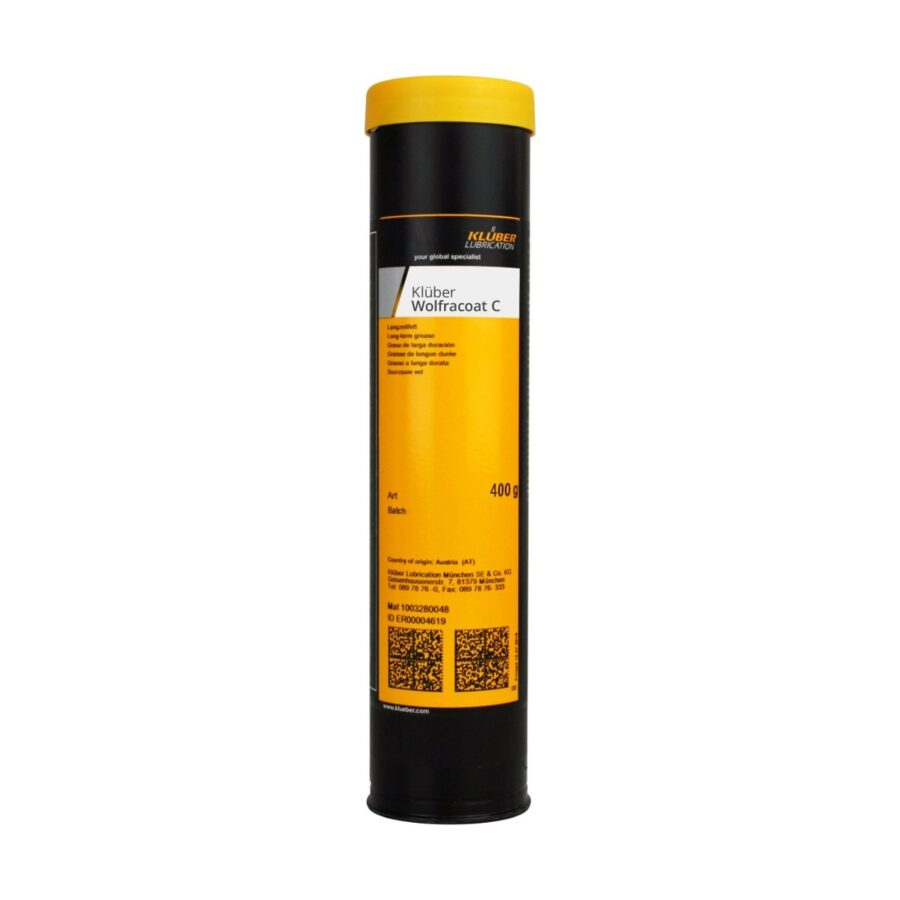
Bolts, studs and fittings near furnaces and kilns seize without protection. High-temperature anti-seize pastes such as WOLFRACOAT C, Kluberpaste HEL 46-450, or graphite pastes such as UNIMOLY HTC METALLIC and WOLFRASYN ULAF let them be opened at maintenance. Apply a thin film and use torque values suited to the paste. See assembly paste vs anti-seize.
Batch house and raw material handling
Raw materials such as sand, limestone, feldspar and clay are crushed, ground, mixed and conveyed. This area is very dusty and abrasive. Conveyor, crusher and mixer bearings need EP greases with good sealing, relubricated often enough to purge dust. Gearboxes need desiccant or filter breathers.
Dryers
Ceramic dryers run hot and humid. Fan and conveyor bearings need greases that resist both heat and moisture. Check seals and relubricate to the schedule.
How do you choose high-temperature lubricants?
- Measure the actual bearing or chain temperature, including peaks.
- Choose a product with an upper service temperature comfortably above the measured value.
- Check speed and load ratings.
- Consider evaporation and residue: low-residue products avoid deposits.
- Plan cleaning when changing products, especially to PFPE.
- Compare total cost, including labour and downtime.
Gearboxes and drives
Kiln drives, lehr drives, mixers and conveyors use enclosed gearboxes that run in hot surroundings. Synthetic gear oils such as Mobil SHC 630 or SHC 634 handle high ambient temperatures and extend drain intervals. Desiccant or filter breathers keep out dust from the batch house and moisture from dryers. Sample oil regularly on critical drives. See industrial gear oil selection.
Hydraulics in glass and ceramics plants
Presses for tiles and sanitaryware, glass forming machines and handling equipment use hydraulic systems, sometimes close to hot areas. Keep oil cool and clean, check coolers before summer, and consider fire-resistant hydraulic fluids where leaks could reach hot surfaces, according to your risk assessment and the equipment maker’s guidance.
Safety when working near kilns
Lubricating equipment near kilns and furnaces exposes technicians to heat and burns. Plan tasks for times when equipment is accessible, use long grease lines or automatic lubricators to keep people away from the hottest zones, and wear suitable protective equipment. Longer-life high-temperature lubricants reduce the number of visits, which improves safety as well as reliability.
Monitoring and records
Record bearing temperatures, grease condition and failures for kiln cars, roller drives and lehr bearings. Trends show whether a lubricant is coping or whether intervals need to change, and they give solid evidence when justifying a change of product. Thermography on drives and bearings helps find hot spots before failures.
Application practice
- Apply small amounts often, rather than large amounts rarely.
- Avoid over-greasing hot bearings: excess grease raises temperature.
- Use automatic lubricators rated for the ambient temperature, or mount them away from the heat with feed lines.
- Label points clearly with the high-temperature product to use.
Batch house dust and gear wear
Fine silica and other abrasive dust from batch preparation gets into gearboxes, bearings and chains throughout the plant, not only in the batch house. It acts like grinding paste in lubricants. Keep gearbox breathers in good condition, seal bearing housings, keep lubricant containers closed and clean grease nipples before use. Track silicon in oil analysis on critical gearboxes as an early warning of dust ingress.
Cost of high-temperature lubricants
High-temperature greases and PFPE products cost more per kilogram than general-purpose greases. In glass and ceramics plants, where bearings sit under kiln cars or along hot kilns, the real cost of a failure includes the bearing, the labour, the lost production and sometimes damaged product. Compare the annual cost per point, including relubrication labour and failures, rather than the price per kilogram.
A worked example: tunnel kiln cars
A ceramic tile plant replaces kiln car wheel bearings frequently, finding hardened, carbonised grease inside. The bearings are greased with a general lithium grease. The plant measures bearing temperatures as cars exit the kiln, switches to a high-temperature bearing grease rated for those temperatures, cleans the bearings at the changeover and sets a regular relubrication schedule at the car maintenance station. Bearing replacements fall significantly.
What are the most common mistakes?
- Using general-purpose greases near kilns.
- Choosing grease by kiln temperature rather than bearing temperature.
- Mixing PFPE and conventional greases without cleaning.
- Leaving hot bolts without anti-seize.
- Neglecting dust protection in the batch house.
Frequently asked questions
Why do kiln bearings fail despite regular greasing?
Often the grease is not rated for the temperature and carbonises, or too much grease is applied. Measure temperatures and choose a suitable grease.
Which grease for kiln car bearings?
A high-temperature bearing grease such as Stabutherm GH 462, or a PFPE grease such as BARRIERTA L 55 for the hottest positions.
Which paste for furnace bolts?
A high-temperature anti-seize paste such as WOLFRACOAT C or Kluberpaste HEL 46-450.
Can I use automatic lubricators near kilns?
Yes, if rated for the ambient temperature, or mounted away from the heat with feed lines.
How do I clean bearings before switching to PFPE?
Remove old grease mechanically and with a suitable solvent, dry the bearing and refill with the PFPE grease.
Is PFPE grease worth the cost in a ceramics plant?
Often yes for the hottest bearings, such as those under kiln cars or along the kiln, because longer life and fewer failures outweigh the higher price per kilogram.
Conclusion
Glass and ceramics plants need lubricants that survive extreme heat: high-temperature greases rated for measured bearing temperatures, PFPE greases for the hottest points, low-residue chain lubricants and high-temperature anti-seize pastes on hot fasteners, plus good dust protection in raw material handling. Browse our high-temperature greases and pastes.
Need help applying this to your plant? Send us the equipment details or the product you use now and we will recommend a suitable Kluber or Mobil grade: request a quote and we reply within one business day.