Key takeaways
- Assembly pastes reduce friction and wear when parts are pressed together or run in; anti-seize pastes keep threaded joints and fits releasable after heat and time.
- Both rely on solid lubricants that keep working after the carrier oil has evaporated or burnt off.
- Pastes change the friction in bolted joints, so the same torque gives a different clamping force: use torque values suited to the paste.
- Choose by temperature, materials (stainless, aluminium), load and whether food-grade (NSF H1) is required.
- Pastes are not bearing greases: do not use them for running bearings.
Pastes look similar in the tin, but they are designed for different jobs. An assembly paste helps a gear slide onto a shaft without scoring, or a bearing seat press in without fretting. An anti-seize paste lets a turbine casing bolt come out after years at 500 °C, or a stainless steel fastener be undone without galling. Using the right one protects parts during assembly and lets connections be opened again later. Using the wrong one can lead to seized bolts, damaged threads or bolted joints that are under- or over-tightened. This guide explains the difference and which Kluber paste suits which job.
What is a lubricating paste?
A paste is a lubricant with a high content of solid lubricants, such as molybdenum disulphide (MoS₂), graphite, white solid lubricants, or metal powders like copper, aluminium or nickel, dispersed in a base oil or grease. The oil or grease carries the solids into the contact and helps application. Under very high pressure, very slow movement or high temperature, the solids do the work: they separate the surfaces where an oil film alone would collapse. When the carrier evaporates or burns off at high temperature, the solids remain and continue to prevent metal-to-metal contact.
Assembly pastes
Assembly pastes reduce friction and wear when parts are pressed together or run in: press fits, shrink fits, splines, keyways, gears, cams and sliding surfaces. They prevent scoring, seizure and fretting corrosion, help parts seat correctly with lower force, and protect surfaces during the first movements of new machines, before the normal lubricant has formed a film. MoS₂-based pastes are typical for these jobs.
- Pressing bearings, bushes and gears onto shafts.
- Splines and keyed connections exposed to micro-movement.
- Running-in of gears, cams and slides.
- Guide rails and slow sliding parts during installation.
- Bolted joints where controlled friction is required.
Anti-seize (screw) pastes
Anti-seize pastes protect threaded connections and fits so that they can be undone later, often after long periods at high temperature or in corrosive environments. Their solid lubricants stay effective after the oil has evaporated or burnt off, preventing threads from seizing, galling or corroding together. Typical applications include exhaust and turbine bolts, flange bolts in hot pipelines, furnace and kiln fasteners, spark plugs and studs, and stainless steel fasteners that tend to gall.
Assembly paste vs anti-seize at a glance
| Assembly paste | Anti-seize paste | |
|---|---|---|
| Main job | Reduce friction and wear during assembly and running-in | Keep connections releasable after heat, time and corrosion |
| Typical solids | MoS₂, white solids | Graphite, metal powders (copper, aluminium, nickel), ceramic or metal-free solids |
| Typical use | Press fits, splines, gears, slides | Bolts, studs, threads, hot fits |
| Temperature focus | Normal to moderately high | High to very high |
| Key benefit | Prevents scoring and fretting | Prevents seizure and galling |
Kluber pastes in our catalogue
| Product | Positioning (from product data) | Packs we list |
|---|---|---|
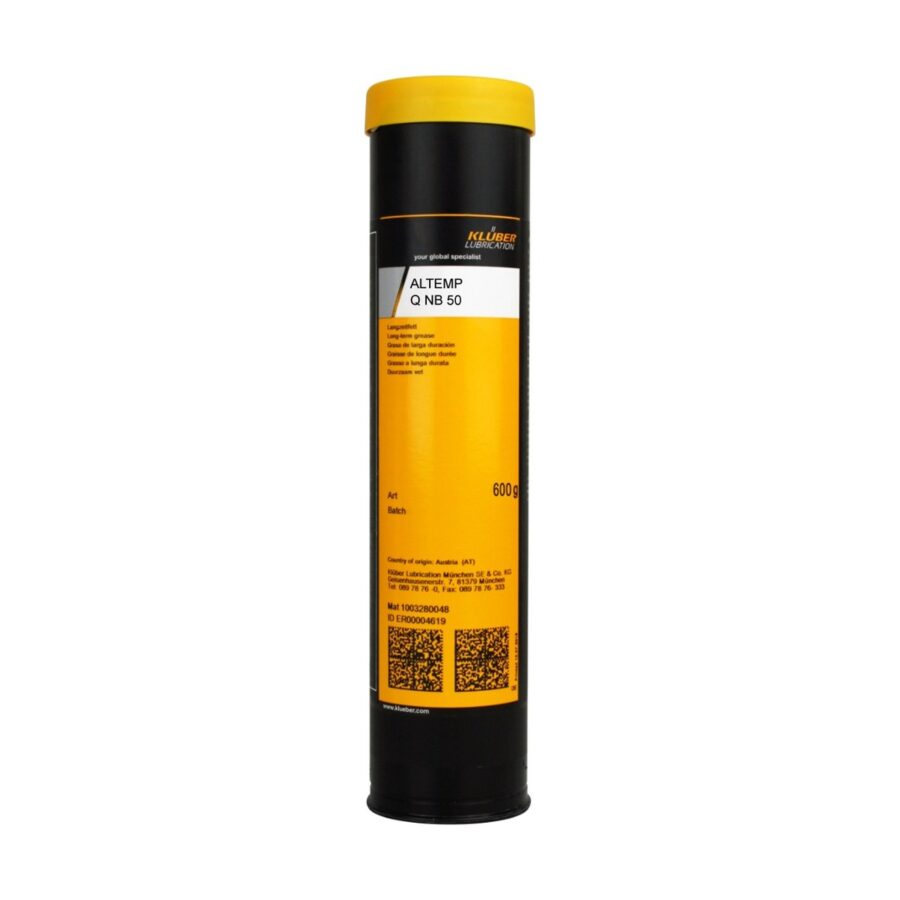
| ALTEMP Q NB 50 | Lubricating and assembly paste for screws and fits | 80 g, 600 g, 750 g, 30 kg |
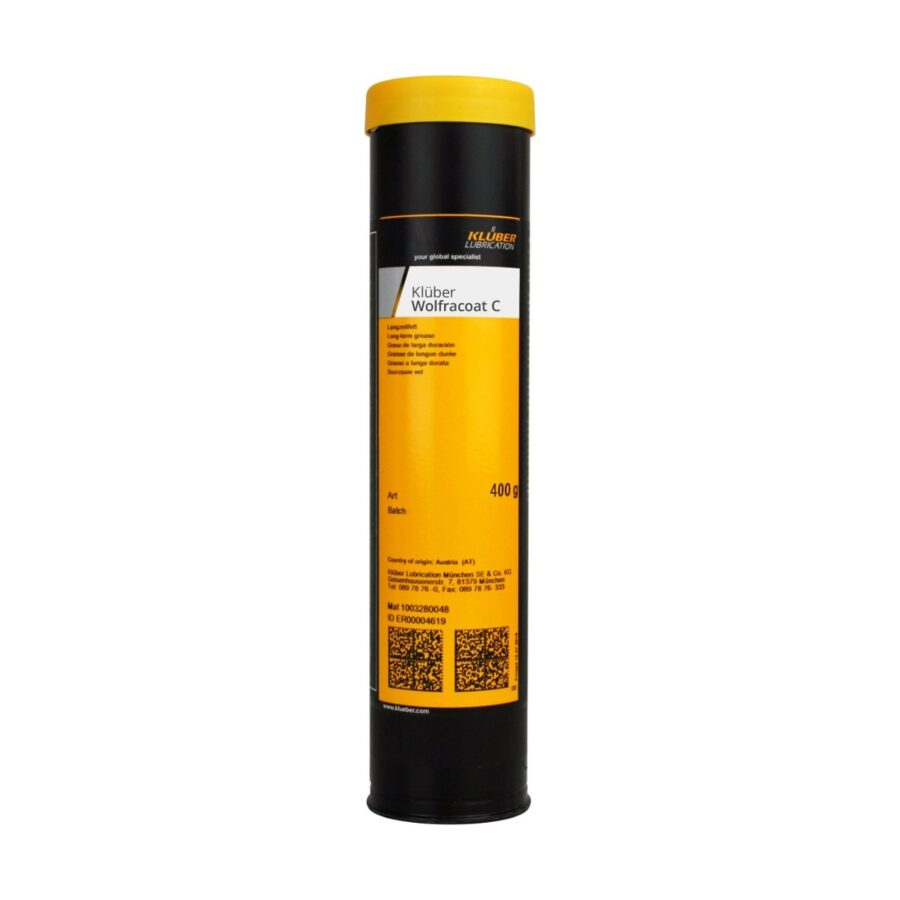
| WOLFRACOAT C | High-temperature lubricating paste | 60 g, 400 g, 1.2 kg, 30 kg |
| Wolfrakote Top Paste | High-temperature paste | 600 g, 750 g |
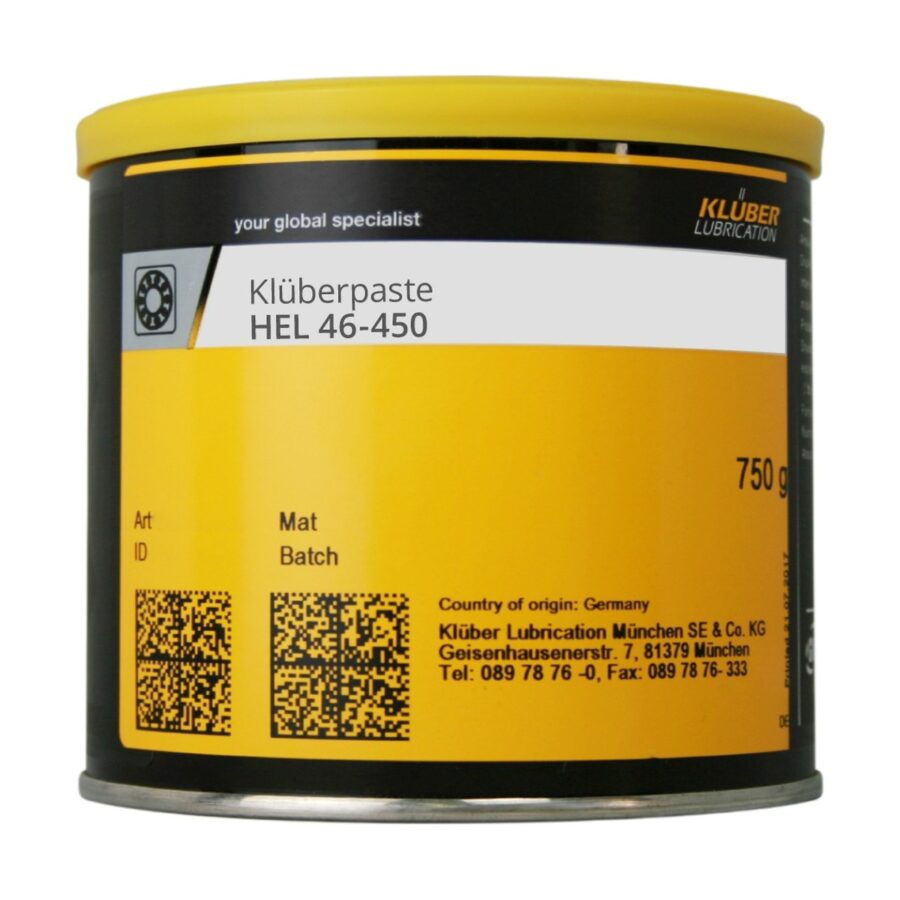
| Kluberpaste HEL 46-450 | High-temperature screw paste | 70 g, 600 g, 750 g |
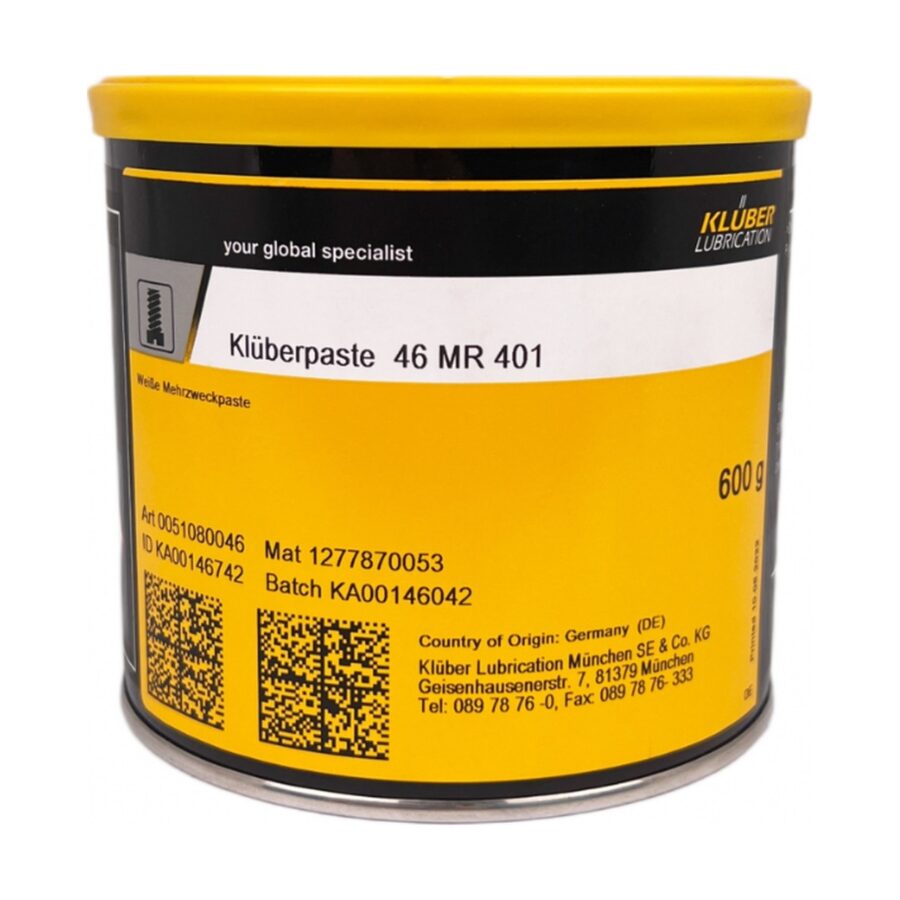
| Kluberpaste 46 MR 401 | High-pressure lubricating paste | 60 g, 500 g, 600 g |
| Kluberpaste ME 31-52 | Lubricating and assembly paste | 70 g, 500 g, 750 g |
| UNIMOLY HTC METALLIC | High-temperature graphite paste | 600 g |
| WOLFRASYN ULAF | High-temperature graphite paste | 600 g |
| DUOTEMPI PMY 45 | High-pressure lubricating paste | 60 g |
| Kluberpaste UH1 84-201 | NSF H1 lubricating and assembly paste | 60 g, 500 g, 600 g, 25 kg |
| Kluberpaste UH1 96-402 | NSF H1 high-temperature paste for food processing | 80 g, 750 g |
Check each data sheet for the temperature range, solid lubricant type, friction coefficient and approvals of the exact product.
Which paste suits which application?
| Job | Usual starting point |
|---|---|
| General assembly of fits, splines and screws | ALTEMP Q NB 50 or Kluberpaste ME 31-52 |
| Very high pressures, slow movement | Kluberpaste 46 MR 401 or DUOTEMPI PMY 45 |
| Hot screw connections (furnaces, turbines, exhausts) | Kluberpaste HEL 46-450, WOLFRACOAT C or Wolfrakote Top Paste |
| Very hot graphite-based applications | UNIMOLY HTC METALLIC or WOLFRASYN ULAF |
| Food machinery assembly | Kluberpaste UH1 84-201 |
| Hot connections in food plants | Kluberpaste UH1 96-402 |
Why do materials matter when choosing a paste?
Stainless steel, aluminium and titanium fasteners are prone to galling, where the surfaces cold-weld during tightening. Anti-seize pastes help prevent this. However, some metal-containing pastes are not suitable for every material: copper-containing pastes, for example, are often avoided on stainless steel in certain environments and in applications where copper can cause corrosion or contaminate a process. For stainless steel and for sensitive applications, metal-free or specially formulated pastes are often preferred. Check the data sheet for material recommendations.
How does a paste affect tightening torque?
Pastes change the friction in a bolted joint, so the same tightening torque can give a very different clamping force. A bolt tightened to the dry torque value with a low-friction paste can be stretched far beyond its design preload, while a high-friction condition gives too little preload. For critical joints, use tightening values based on the paste’s friction coefficient, which Kluber states on the data sheets of many screw pastes. The basic relationship is T = K × F × d, where T is torque, F the clamping force, d the nominal bolt diameter and K the nut factor, which depends on friction. Lower friction means a lower K, so less torque is needed for the same clamping force. See our pastes page for the full range.
How should pastes be applied?
- Clean the surfaces: remove old paste, rust, dirt and oil.
- Apply a thin, even film to the threads and the bearing face of the nut or bolt head.
- For press fits, coat the shaft or bore surfaces evenly.
- Avoid excess: too much paste is wasted and can contaminate surrounding parts.
- Tighten to the torque value suited to the paste.
- Close containers immediately to keep paste clean.
What is the difference between pastes and greases?
Pastes are not bearing greases. Their high solid content suits slow movement and assembly, but in a running rolling bearing, the solids can build up and disturb the rolling contact, and the base oil content may be too low for continuous lubrication. Use a bearing grease for running bearings, and keep pastes for assembly, threads, fits and very slow or oscillating movements.
Storage and shelf life
Pastes contain a high proportion of solids, which can settle if containers stand for a long time, especially in hot stores. Stir tins before use if the data sheet recommends it, keep lids closed to stop dust entering, and use the oldest stock first. Small tubes and brush-cap tins reduce waste and contamination for occasional jobs, while cartridges and larger tins suit workshops that use paste every day.
Pastes in GCC industries
In power plants, desalination plants, refineries and petrochemical plants across the GCC, hot flange bolts, turbine casings and heat exchanger fasteners are opened during every shutdown. Seized bolts cost time and often require cutting, which delays restart. Using a suitable high-temperature anti-seize paste at assembly makes the next shutdown much faster. In coastal plants, corrosion protection is equally important: salt air accelerates corrosion of threads, so a paste with good corrosion protection helps.
A worked example: a power plant shutdown
During a planned shutdown at a power plant in the GCC, many hot flange bolts on steam lines have to be cut because they have seized. For reassembly, the maintenance team specifies a high-temperature screw paste from the catalogue, recalculates tightening torques using the paste’s friction data and trains fitters to apply a thin film to threads and nut faces. At the next shutdown, most bolts come out with normal tools, and the bolting work finishes days ahead of the previous schedule.
What are the most common mistakes?
- Using dry torque values with a low-friction paste, over-stretching bolts.
- Using a paste as a bearing grease.
- Using copper-containing paste where copper is not recommended.
- Applying too much paste.
- Using a non-H1 paste on food machinery.
Frequently asked questions
Can anti-seize be used as a bearing grease?
No. Pastes are for assembly, threads and very slow motion, not for running bearings.
Which paste for food machinery?
Use an NSF H1 paste such as Kluberpaste UH1 84-201 or UH1 96-402.
Do I need to reduce torque when using anti-seize?
Often yes, because pastes lower friction. Use torque values based on the paste’s friction data, especially for critical joints.
Which paste for stainless steel bolts?
Choose a paste recommended for stainless steel on its data sheet; metal-free or specially formulated pastes are often preferred.
Can I use a paste on press fits?
Yes, assembly pastes are designed for press fits, reducing the force needed and preventing scoring and fretting.
Conclusion
Assembly pastes and anti-seize pastes solve different problems: one protects parts during assembly and running-in, the other keeps connections releasable after heat and time. Choose by job, temperature, materials and food-grade needs, apply a thin film to clean surfaces, and always use torque values suited to the paste. That protects parts today and saves hours at the next shutdown.
Need help applying this to your plant? Send us the equipment details or the product you use now and we will recommend a suitable Kluber or Mobil grade: request a quote and we reply within one business day.