Key takeaways
- Port equipment faces heavy loads, salt spray, humidity, heat and round-the-clock operation.
- Greases must resist water washout and protect against corrosion as well as carry load.
- Slewing rings, open gears and wire ropes need regular, correct lubrication and inspection.
- Hydraulic and gearbox oils need protection from moisture with desiccant breathers and good seals.
- Environmentally acceptable lubricants may be required for equipment working over water.
Ports in the GCC handle millions of containers and huge volumes of bulk cargo every year, with ship-to-shore cranes, rubber-tyred gantries, rail-mounted gantries, mobile harbour cranes, reach stackers and straddle carriers working around the clock. The equipment combines very heavy loads with salt spray, high humidity, extreme summer heat and sand. Lubrication must protect against wear and corrosion at the same time. This guide covers the main lubrication points. See also our marine and ports industry page.
The port environment
| Condition | Effect | Response |
|---|---|---|
| Salt spray and humid air | Corrosion, water in oils and greases | Corrosion-protective greases, breathers, seals |
| Heat and sun | High oil and grease temperatures | Synthetic oils and greases, shading |
| Sand and dust | Abrasive wear | Seals, purging relubrication, clean handling |
| Heavy, shock loads | Wear, pitting, scuffing | EP greases and oils, correct viscosity |
| 24/7 operation | Short maintenance windows | Long-life products, automatic lubrication, planning |
Ship-to-shore and gantry cranes
Ship-to-shore (STS) cranes, RTGs and RMGs have hoist, trolley and gantry drives, each with gearboxes, motors, brakes, wheels and bearings, plus wire ropes, sheaves and spreaders. The boom hinge, festoon systems and cable reels add more points. A large crane can have hundreds of lubrication points, so routes, automatic lubrication and good records are essential.
Gearboxes
Hoist, trolley and gantry gearboxes carry heavy, frequent loads. Use the gear oil grade specified by the crane maker. Synthetic gear oils such as Mobil SHC 630 or SHC 634 handle summer heat better and extend drain intervals. Fit desiccant breathers, because daily heating and cooling draws humid sea air into gearboxes. Monitor oil with regular analysis for water and wear metals. See Mobil SHC 600 vs Mobilgear 600 XP.
Slewing rings
Mobile harbour cranes, reach stacker booms and other slewing equipment rely on large slewing bearings. These carry very high loads at low speeds and are exposed to the weather. They need EP greases with good water resistance and corrosion protection, applied regularly while slowly rotating the bearing so grease reaches all raceways. Purge until fresh grease appears at the seals, and check seals for damage. The slewing ring gear teeth need an adhesive open-gear lubricant.
Open gears
Slewing gears, rack and pinion drives and some hoist drives use open gears exposed to salt and sand. Adhesive open-gear lubricants that resist washout and do not collect excessive dust are needed. Clean off old, contaminated lubricant regularly and inspect tooth condition.
Wire ropes
Wire ropes are critical safety components. Salt and moisture cause internal corrosion that can weaken a rope without visible signs on the outside. Use a rope lubricant that penetrates the strands and protects against corrosion, apply it regularly, especially in the most humid months, and follow the crane maker’s and local regulations for inspection and discard criteria. Automatic rope lubrication systems help on cranes with long ropes.
Sheaves, wheels and bearings
- Sheave bearings: water-resistant EP greases, regular relubrication.
- Crane wheel bearings: EP greases; check for water ingress.
- Pins and bushes on spreaders, booms and twistlocks: EP greases with corrosion protection.
- Cable reels and festoon systems: follow maker’s lubrication schedule.
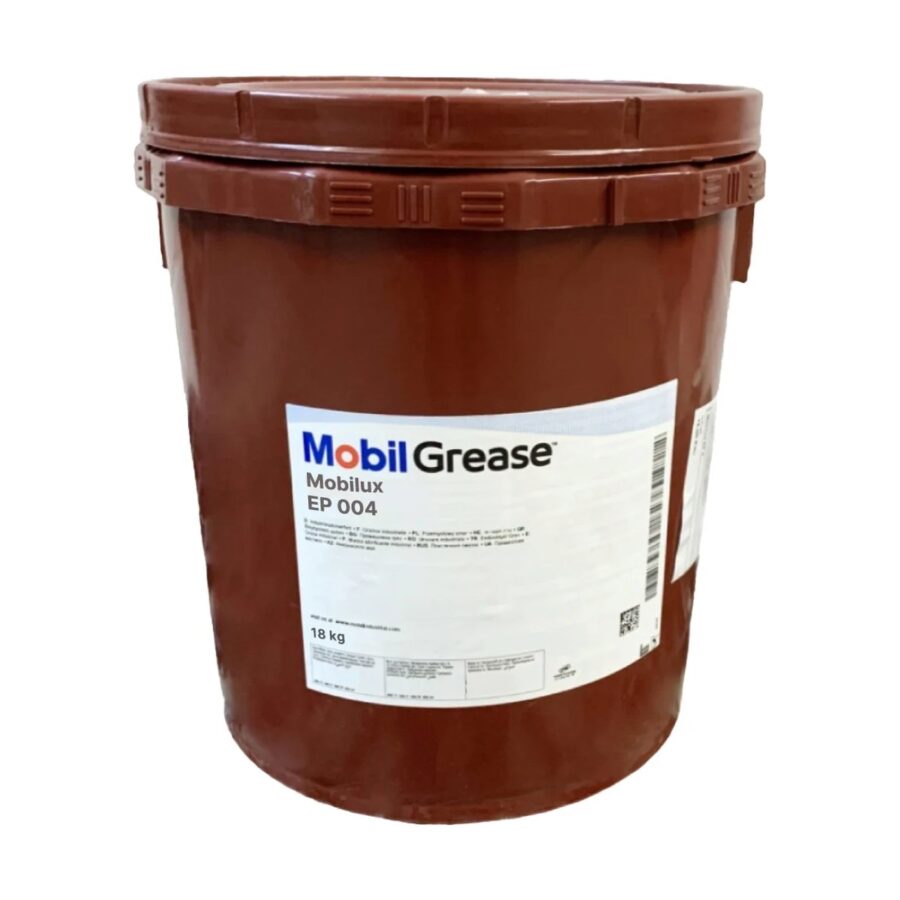
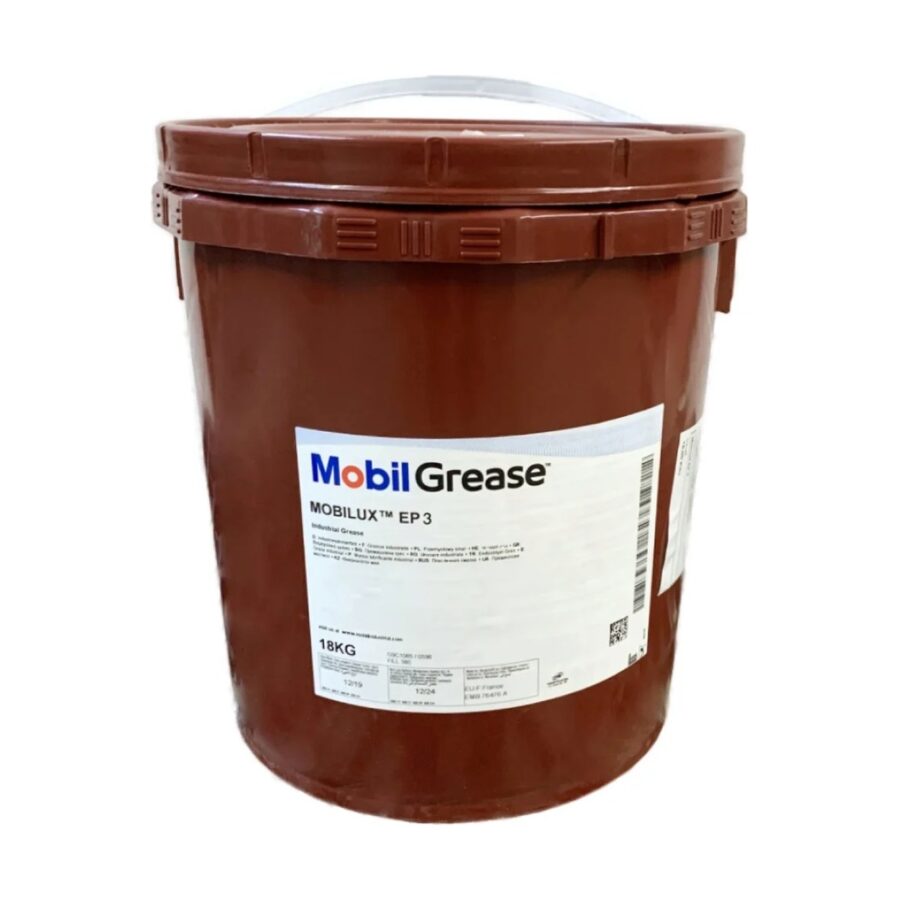
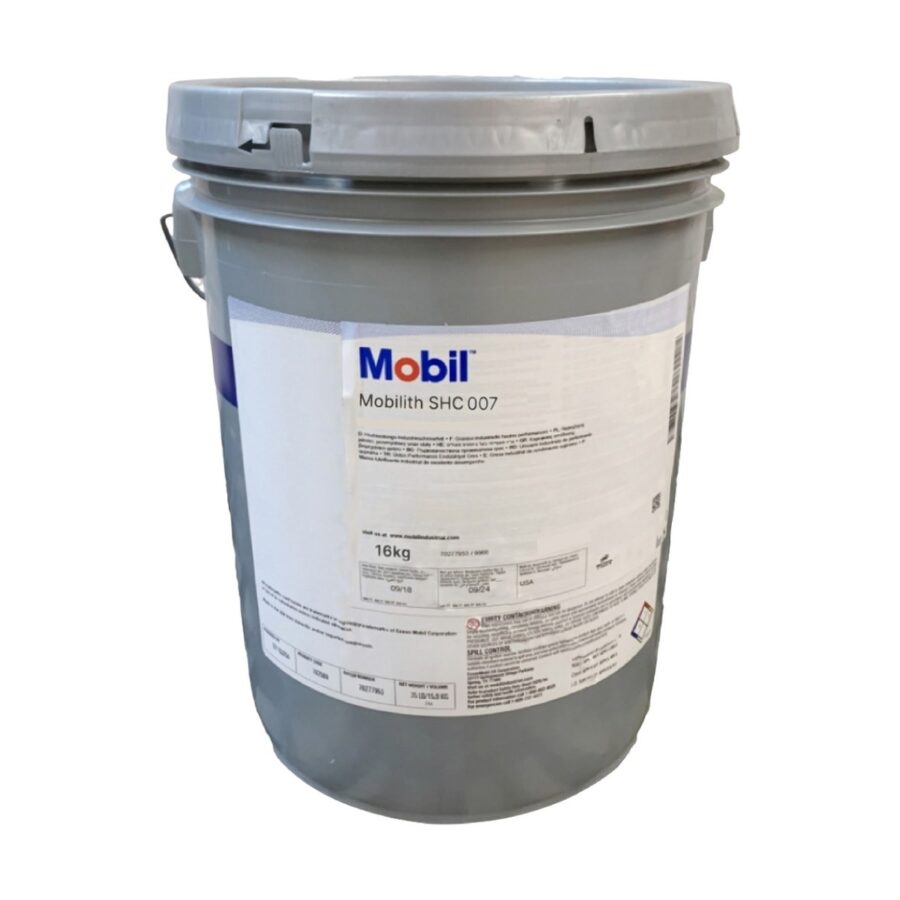
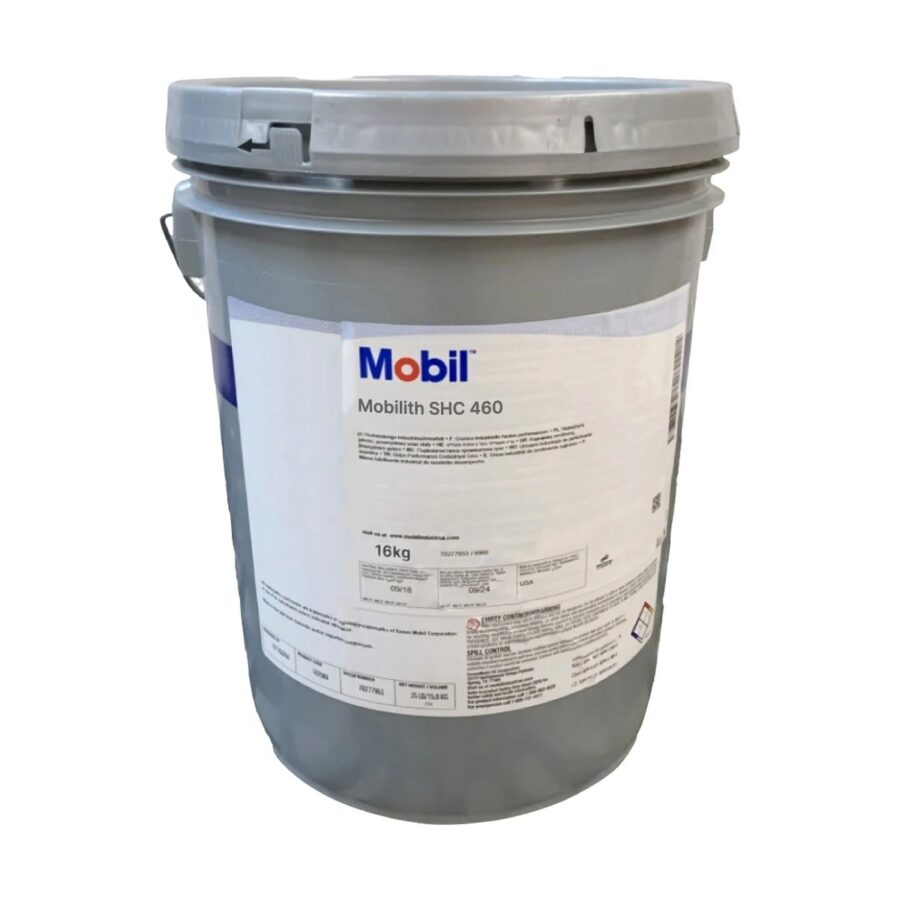
Mobilux EP 2 suits many general points; Mobilith SHC 460 suits slow, heavily loaded or hot bearings, such as large slewing rings and sheaves in direct sun. See Mobilux EP vs Mobilith SHC.
Hydraulic systems
Spreaders, reach stackers, straddle carriers and mobile cranes rely on hydraulics. Hot conditions and moisture are the main enemies. A high-VI hydraulic oil such as Mobil DTE 10 Excel copes with wide temperature swings; desiccant breathers and good seals keep water out. Monitor water content and particle counts. See water contamination in oil.
Mobile equipment
Reach stackers, terminal tractors, forklifts and straddle carriers have engines, transmissions, axles and hydraulics, each with its own lubricant specifications. Follow the equipment maker’s requirements, keep service records and control fuel and oil contamination in hot, dusty yards.
Environmentally acceptable lubricants
Equipment that works over water, such as STS cranes and floating cranes, can leak lubricants into the sea. Some ports and regulations require or encourage environmentally acceptable lubricants (EALs), which are biodegradable and have low toxicity. If your port has such requirements, check them before choosing oils and greases, and ask us about suitable products.
Automatic lubrication
Central lubrication systems and single-point lubricators deliver grease regularly to bearings, sheaves and slewing rings, including points that are hard or unsafe to reach. They reduce missed tasks and keep seals full, which keeps salt and sand out. Check them regularly. See single-point automatic lubricators.
Planning lubrication around operations
Port cranes earn money while they move containers, so maintenance windows are short and must be planned carefully. Group lubrication tasks by crane and by area, so technicians can complete them in one access, and coordinate with operations to use vessel gaps and shift changes. Automatic lubrication handles the frequent tasks; planned stops handle inspections, open gear cleaning and oil sampling. Keep a lubrication record per crane, so missed tasks are visible and intervals can be adjusted by experience.
Summer and humidity peaks
In the GCC, summer brings extreme heat, while late summer and autumn often bring very high humidity along the coast. Heat thins oils, softens greases and accelerates oxidation; humidity drives condensation into gearboxes, hydraulic tanks and wire ropes. Before summer, check cooler performance and oil condition; during humid periods, check breathers more often, drain free water from reservoirs and increase rope lubrication. Adjusting the maintenance plan to the season prevents many failures.
Inspection checklist for cranes
- Gearbox oil levels, leaks and breather condition.
- Slewing ring seals and fresh grease at the seal lips.
- Open gear tooth condition and lubricant film.
- Wire rope lubrication, corrosion and broken wires.
- Sheave and wheel bearing temperatures and noise.
- Hydraulic oil level, leaks and water content.
- Automatic lubricator function and reservoir levels.
Corrosion protection beyond lubrication
Exposed machined surfaces, such as pins, shafts and spare parts in storage, need corrosion protection. Use suitable corrosion-protective greases or preservatives on exposed surfaces, and store spare bearings and gears in their packaging indoors.
Spreaders and twistlocks
Spreaders are the most heavily used and most abused part of a container crane. They carry twistlocks, flippers, telescopic beams and hydraulic or electric actuators, and they take repeated shocks as they land on containers. Twistlocks and their bearings need EP greases with good water resistance and corrosion protection, relubricated frequently; telescopic slide pads and beams need suitable lubricants to prevent stick-slip and wear. Many terminals carry spare spreaders and overhaul them in a workshop, which is a good opportunity to clean, inspect and relubricate every point thoroughly.
Lubricant storage at the terminal
Store lubricants in a covered, ventilated store away from the quay, off the ground and with containers closed. Salt air and sun quickly degrade open or poorly stored containers. Use dedicated, labelled grease guns and transfer pumps for each product, and keep automatic lubricator refills in their sealed packaging until use. Keep SDS and TDS available for every product used on site, and train technicians on spill response, because spills near the water can become environmental incidents.
A worked example: RTG wheel bearings
A container terminal finds water and rust in several RTG wheel bearings during inspections. The grease in use has poor water resistance and relubrication is irregular. The terminal changes to a water-resistant EP grease with good corrosion protection, fits automatic lubricators on the wheel bearings, and adds seal inspection to the maintenance routine. Bearing condition improves at the next inspections.
What are the most common mistakes?
- Using general greases with poor water resistance.
- Not rotating slewing rings during greasing.
- Neglecting wire rope lubrication in humid months.
- Leaving open vents on gearboxes.
- Storing lubricants outdoors near the quay.
Frequently asked questions
Which grease resists salt water?
Greases with strong water resistance and good corrosion test results, often lithium-complex, calcium sulfonate or barium complex EP greases.
How often should slewing rings be greased?
Follow the maker’s interval, typically more often in wet and dusty conditions, and always while rotating the bearing.
Do wire ropes need lubrication?
Yes. Rope lubricants protect against internal corrosion and wear. Follow the crane maker’s schedule and local regulations.
Which hydraulic oil for port equipment?
An anti-wear oil specified by the maker; high-VI oils such as DTE 10 Excel handle temperature swings well.
What are environmentally acceptable lubricants?
Biodegradable, low-toxicity lubricants used where leaks could reach water. Check port and regulatory requirements.
Can automatic lubricators work on cranes?
Yes. Central systems and single-point lubricators are widely used on cranes for bearings, sheaves and slewing rings, especially at points that are hard or unsafe to reach. Check them on every inspection.
Conclusion
Port lubrication protects against both wear and corrosion. Use water-resistant EP greases, rotate slewing rings during greasing, lubricate wire ropes regularly, protect gearbox and hydraulic oils from moisture, and consider automatic lubrication and EALs where appropriate. Browse our extreme-pressure greases and hydraulic oils.
Need help applying this to your plant? Send us the equipment details or the product you use now and we will recommend a suitable Kluber or Mobil grade: request a quote and we reply within one business day.