Key takeaways
- Most chain wear happens inside the pins and bushes, so the lubricant must penetrate there.
- Chain elongation from internal wear is the main reason chains are replaced.
- Choose the lubricant by speed, load, temperature, environment and whether food-grade is required.
- Apply small amounts regularly at the right point, ideally with automatic oilers.
- Conveyor bearings and drives need the same attention as the chain itself.
Chains and conveyors run in nearly every plant, from food lines and bottling plants to hot ovens, cement plants and bulk handling terminals. Chains that are not lubricated correctly wear quickly, elongate, jump sprocket teeth and break, stopping production. Over-lubricated chains drip, sling oil, attract dust and contaminate products. This guide explains how chains wear, how to choose a lubricant and how to apply it.
How do chains wear?
A roller chain consists of pins, bushes, rollers and link plates. As the chain flexes around sprockets, each pin rotates inside its bush under load. This is where most wear happens. As pins and bushes wear, the chain gets longer; this is called chain elongation or “stretch”, although the plates do not actually stretch. An elongated chain rides higher on the sprocket teeth, wears the sprockets and eventually skips or breaks. Many chain makers recommend replacement when elongation reaches about 2–3% of the original length, depending on the application.
The key point for lubrication: the lubricant must get into the gap between pin and bush. Lubricant on the outside of the plates or rollers does little to prevent elongation.
How do you choose a chain lubricant?
| Condition | Lubricant characteristics |
|---|---|
| General drive chains | Medium-viscosity oil that penetrates pins and bushes |
| Heavily loaded, slow chains | Higher viscosity oil with EP/anti-wear additives |
| High-speed chains | Lower viscosity oil; oil bath or stream lubrication per maker |
| Hot chains (ovens, dryers, kilns) | High-temperature synthetic oils or PFPE lubricants with low evaporation and residue |
| Dusty environments | Low-tack lubricants or dry-film products that do not attract dust |
| Wet or washdown environments | Water-resistant lubricants with corrosion protection |
| Food processing | NSF H1 chain lubricants, applied sparingly |
Viscosity: getting it right
Chain makers publish recommended oil viscosities by chain size, speed and temperature. In general, larger, slower and hotter chains need higher viscosity; smaller, faster and colder chains need lower viscosity. Too thick an oil cannot penetrate the pins and bushes; too thin an oil does not carry the load and runs off. Follow the chain maker’s table where available.
Application methods
| Method | Suitable for | Notes |
|---|---|---|
| Manual (brush, oil can) | Slow chains, small plants | Inconsistent; often too much or too little |
| Drip lubrication | Low to moderate speeds | Simple; adjust the drip rate |
| Automatic oilers (brush or nozzle) | Most industrial conveyors | Consistent small amounts at the right point |
| Oil bath or disc | Enclosed drive chains at higher speeds | Keep level and oil clean |
| Oil stream (pump) | High-speed, heavily loaded drives | Per maker’s design |
| Spray | Hard-to-reach chains | Risk of overspray |
Where to apply
Apply lubricant to the slack side of the chain, at the gap between the inner and outer link plates, where it can flow into the pin and bush. Apply it just before the chain enters a sprocket, so the flexing action draws the lubricant in. Avoid applying to rollers and outer plate surfaces only.
Cleaning
Dirty chains with built-up deposits stop new lubricant reaching the pins and bushes. Clean chains periodically, especially in dusty or hot applications, using methods recommended by the chain maker. Before changing to a different lubricant type, such as a PFPE or food-grade product, clean the chain thoroughly.
Hot chains
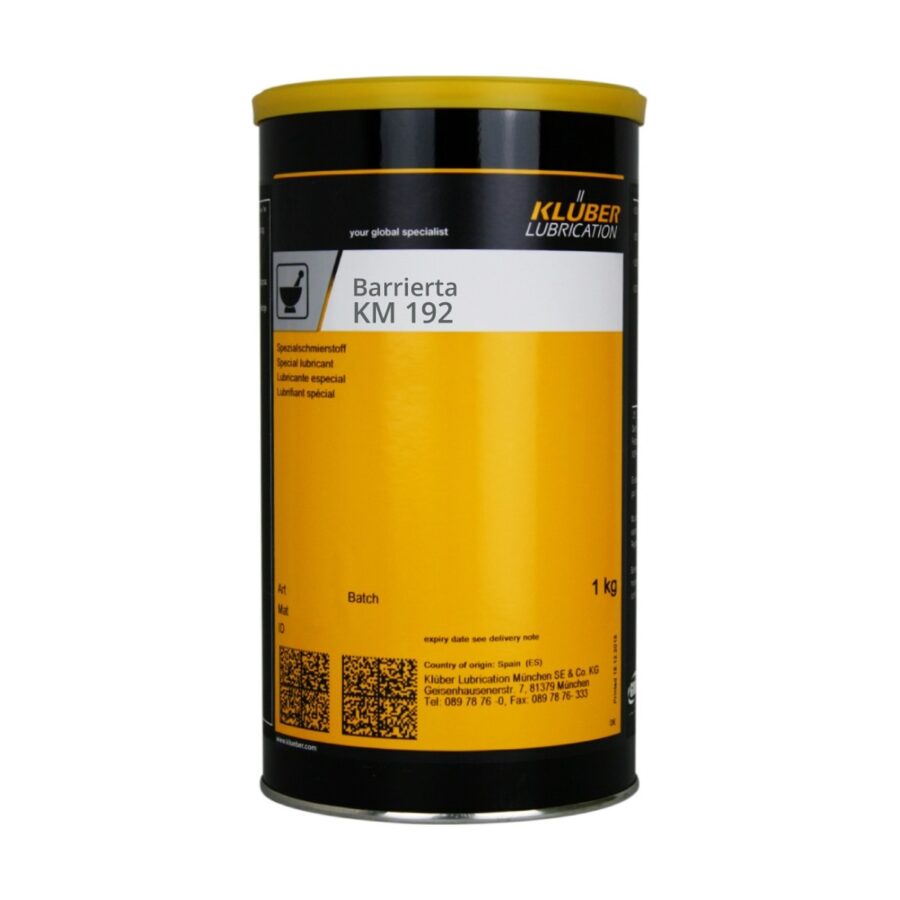
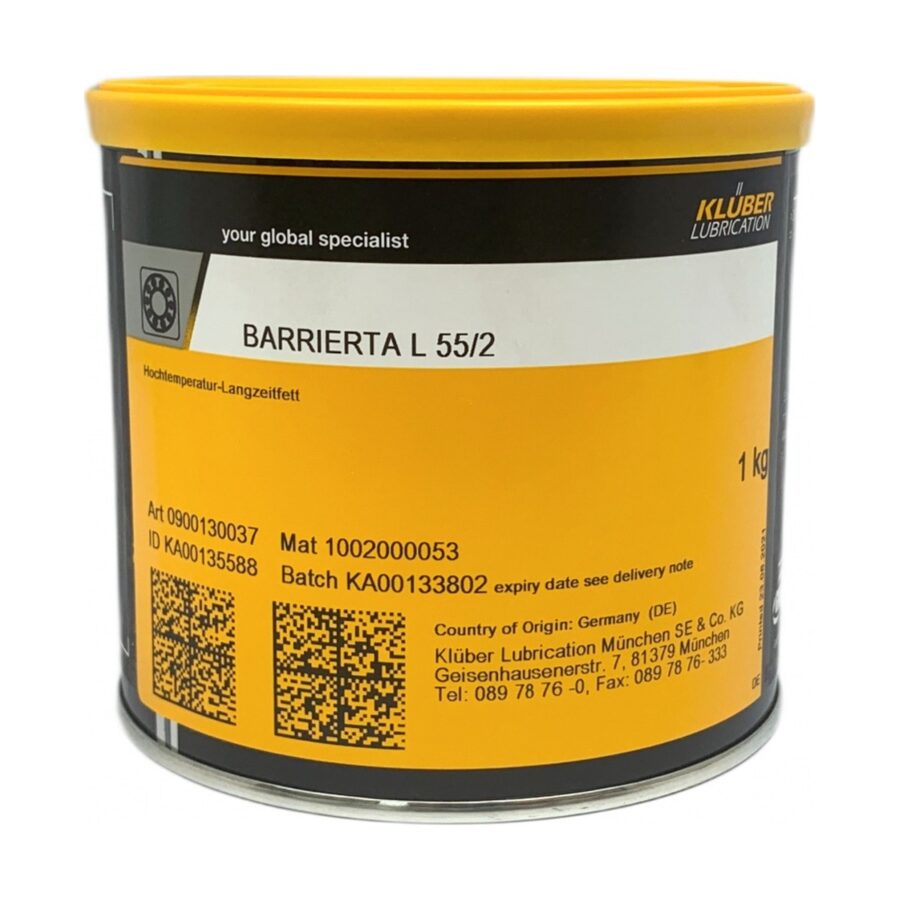
Oven, dryer, kiln and stenter chains run at temperatures where mineral oils evaporate and carbonise, forming hard deposits that block pins and bushes and drip onto products. High-temperature synthetic chain oils and PFPE lubricants such as BARRIERTA evaporate slowly and leave little or no carbon. Apply small amounts often. See food-grade grease for high temperatures and BARRIERTA L 55 guide.
Food-grade chains
Conveyor chains in food and beverage plants run above or near open product. Use NSF H1 chain lubricants, such as suitable grades of Mobil SHC Cibus oils where the chain maker’s viscosity matches, applied sparingly with automatic oilers. Fit drip trays where needed, and include chains in the lubricant list. See food and beverage lubrication checklist.
Dusty chains
In cement, quarry, grain and wood plants, sticky lubricants collect dust and form a grinding paste. Use low-tack or dry-film lubricants that penetrate and then leave less surface film, and clean chains regularly. Sealed O-ring or X-ring chains, which keep lubricant inside the pins, are an option for very dusty applications.
Sprockets
Inspect sprockets whenever the chain is replaced. Worn, hooked or sharp teeth damage a new chain quickly. Replace sprockets and chains together when sprockets are worn, and check alignment: misaligned sprockets wear chain sides and teeth.
Conveyor bearings and drives
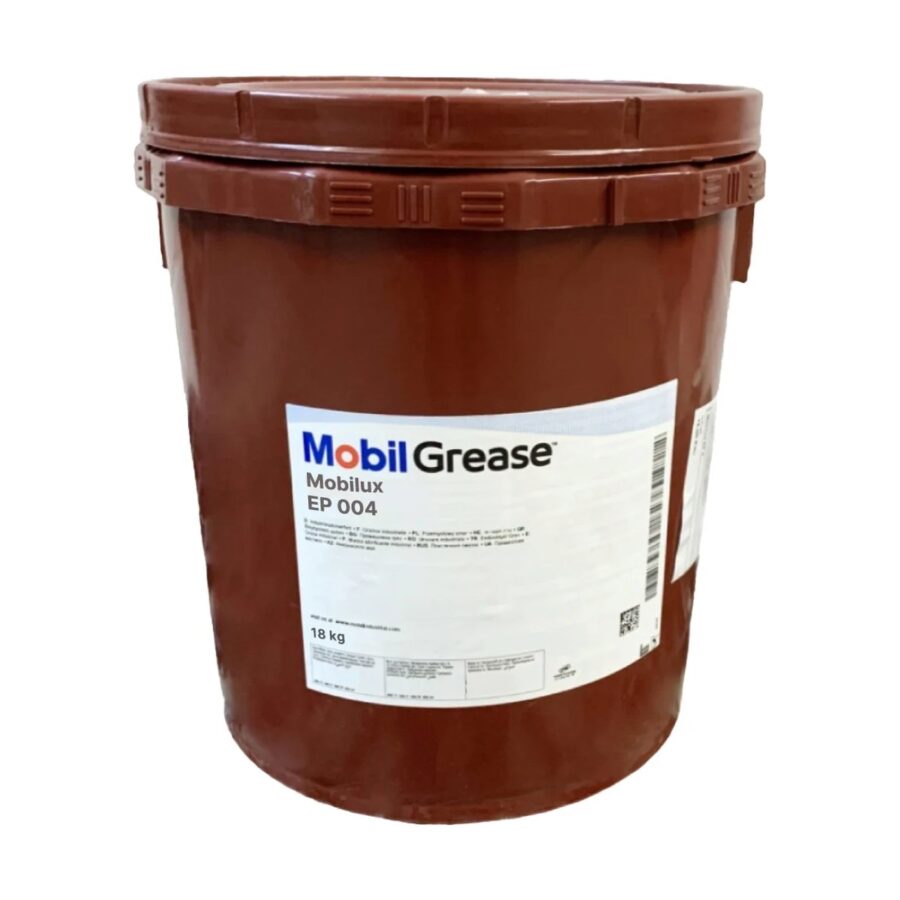
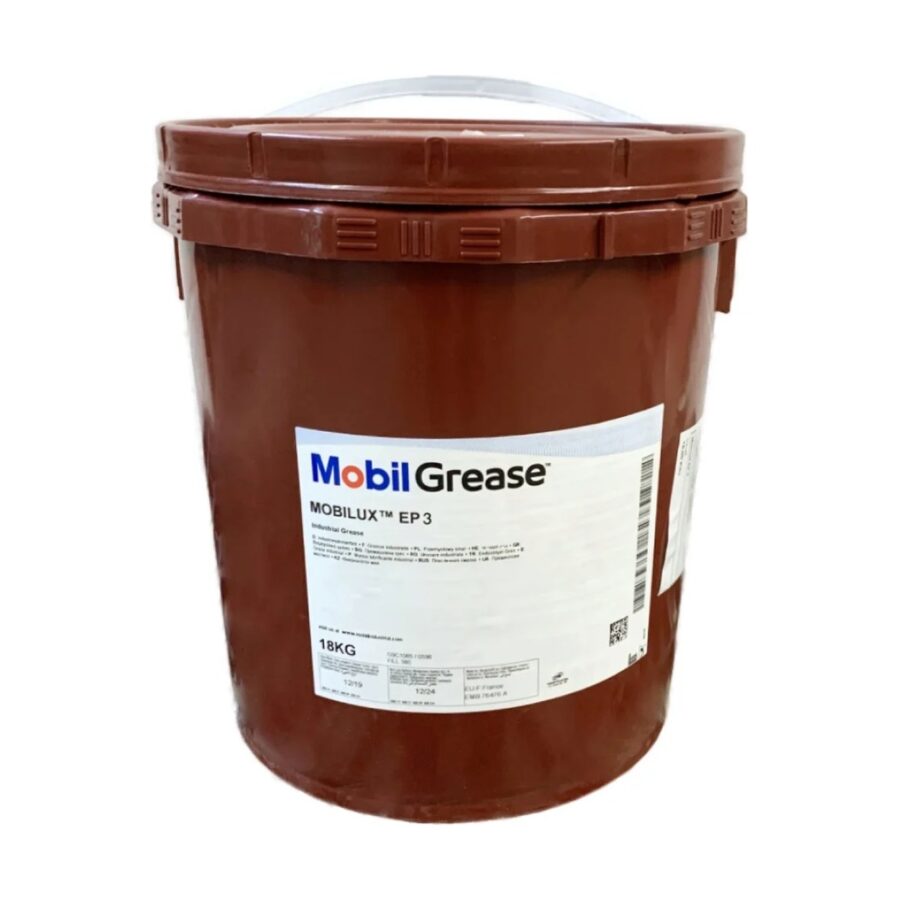
Conveyor head, tail and idler bearings need EP greases such as Mobilux EP 2, with good seals in dusty areas and regular purging relubrication. Conveyor gearboxes need the gear oil specified by the maker, protected with desiccant breathers. Belt conveyor idlers are often sealed for life. See bearing relubrication.
Total cost of chain lubrication
A conveyor chain can cost far more than the lubricant it uses in a year, and a chain failure can stop a whole line. Good lubrication extends chain life many times compared with dry or poorly lubricated chains. When comparing lubricants and methods, include chain and sprocket replacement costs, downtime, labour for manual lubrication, product contamination and cleaning. Automatic oilers usually pay for themselves quickly on busy conveyors through lower chain wear and lower lubricant consumption.
Chain storage and installation
New chains are usually supplied with a factory pre-lubricant that protects them in storage and helps running-in. Do not wash it off before installation unless the chain maker or the application, such as food processing, requires it. Store chains indoors in their packaging. When installing, check sprocket alignment and chain tension, and apply the operating lubricant before start-up. Correct tension matters: a chain that is too tight wears pins and bushes faster, while a slack chain whips and jumps teeth.
How do GCC conditions affect chain lubrication?
Outdoor conveyors in the GCC face direct sun, high temperatures and sand. Oils thin and evaporate faster, and sticky lubricants collect sand. Use lubricants rated for the temperature, prefer low-tack products on outdoor chains, cover chains where possible and clean them regularly. In coastal plants, choose lubricants with good corrosion protection.
Measuring elongation
- Tension the chain to remove slack.
- Measure across a known number of pitches with a steel rule or chain wear gauge.
- Compare with the nominal length for that number of pitches.
- Calculate the percentage elongation.
- Replace the chain when it reaches the maker’s limit.
Record measurements over time: a rising rate of elongation often points to poor lubrication or contamination, and it gives early warning to order a replacement chain before it fails.
Setting up a chain lubrication route
List every chain in the plant with its size, speed, environment, lubricant, method and interval. Group chains by area so technicians can lubricate and inspect them in one walk. For each chain, record elongation measurements and replacement dates. Over time, the records show which chains wear fastest, where lubrication needs to improve, and where automatic oilers would pay off. Include sprockets and chain guides in the inspection, because worn guides and misaligned sprockets wear chains quickly regardless of lubrication.
A worked example: a bottling line conveyor
A bottling plant lubricates its conveyor chains manually with an oil can, and operators complain about drips on bottles and frequent chain replacements. The plant switches to an NSF H1 chain lubricant applied by automatic oilers at the pin gaps, sets a low dose and cleans the chains first. Drips stop, chain elongation slows and chains last much longer.
What are the most common mistakes?
- Lubricating the outside of the chain only.
- Using grease on chains that need oil to penetrate.
- Over-lubricating, causing drips and dust build-up.
- Using mineral oils on hot oven chains.
- Replacing chains without checking sprockets.
Frequently asked questions
How do I know a chain needs lubrication?
Rising noise, stiff links, rust and elongation are signs. Regular lubrication prevents most of these.
Can I use grease on chains?
Grease does not usually penetrate pins and bushes. Use oils or chain lubricants designed to penetrate, unless the chain maker specifies otherwise.
When should a chain be replaced?
Typically when elongation reaches about 2–3% of original length, or the maker’s limit.
Which lubricant for oven chains?
A high-temperature synthetic chain oil or PFPE lubricant with low evaporation and residue.
Which lubricant for food conveyor chains?
An NSF H1 chain lubricant applied sparingly with automatic oilers.
How often should chains be lubricated?
It depends on speed, load, temperature and environment. Automatic oilers apply small amounts continuously or at set intervals; manual lubrication should follow the chain maker’s guidance and the chain’s condition.
Conclusion
Chains last longer when the lubricant reaches the pins and bushes. Choose the right product for speed, load, temperature and environment, apply small amounts at the right point with automatic oilers, clean chains regularly, and measure elongation. Treat sprockets, bearings and drives as part of the same system.
Need help applying this to your plant? Send us the equipment details or the product you use now and we will recommend a suitable Kluber or Mobil grade: request a quote and we reply within one business day.