Key takeaways
- Mobil is strongest in high-volume oils and general greases: hydraulic oils, gear oils, circulating and turbine oils, and multipurpose bearing greases.
- Kluber is strongest in speciality greases and pastes: spindle bearings, very high or very low temperatures, long-term lubrication, PFPE greases and assembly pastes.
- Both brands offer NSF H1 food-grade ranges; Mobil SHC Cibus is mainly oils, Kluber UH1 covers many greases, oils and pastes.
- Choose by the equipment requirement first (OEM recommendation, viscosity, temperature, speed, load), then by brand.
- Many plants use both: Mobil for bulk oils and general greasing, Kluber for critical or difficult lubrication points.
Buyers in the UAE and GCC often ask whether they should standardise on Kluber or Mobil. The honest answer is that the two brands are not direct substitutes across the board. Each has areas where its range is deeper, and most well-run plants use both. This guide compares the brands by application so you can see where each one fits. It reflects how the two ranges are positioned by their manufacturers (Kluber Lubrication and Mobil industrial lubricants); always confirm the final choice against your equipment maker’s recommendation and the current technical data sheet.
What is the main difference between Kluber and Mobil?
Mobil, part of ExxonMobil, is a broad-line lubricant brand. Its industrial range covers almost every bulk lubricant a plant needs, from hydraulic oils sold by the drum to gear oils, turbine oils and general-purpose bearing greases. Kluber Lubrication, part of the Freudenberg Group, is a speciality lubricant maker. Its range focuses on demanding friction points: high-speed spindle bearings, very high and very low temperatures, long-term or lifetime lubrication, plastic and elastomer components, and pastes for assembly and high-temperature screws.
In simple terms: Mobil is usually the first choice for the large volumes that keep a plant running, and Kluber is often the choice for the smaller number of lubrication points where a standard product does not last or does not work.
Kluber vs Mobil at a glance
| Application | Mobil strength | Kluber strength |
|---|---|---|
| Hydraulic oils | Very strong: DTE 10 Excel, DTE 20 Ultra series | Limited; not the usual choice |
| Industrial gear oils | Very strong: Mobilgear 600 XP (mineral), SHC 600 (PAO), Glygoyle (PAG) | Strong in synthetic and special gear oils |
| Turbine and circulating oils | Very strong: DTE Oil Light to Heavy | Not a focus |
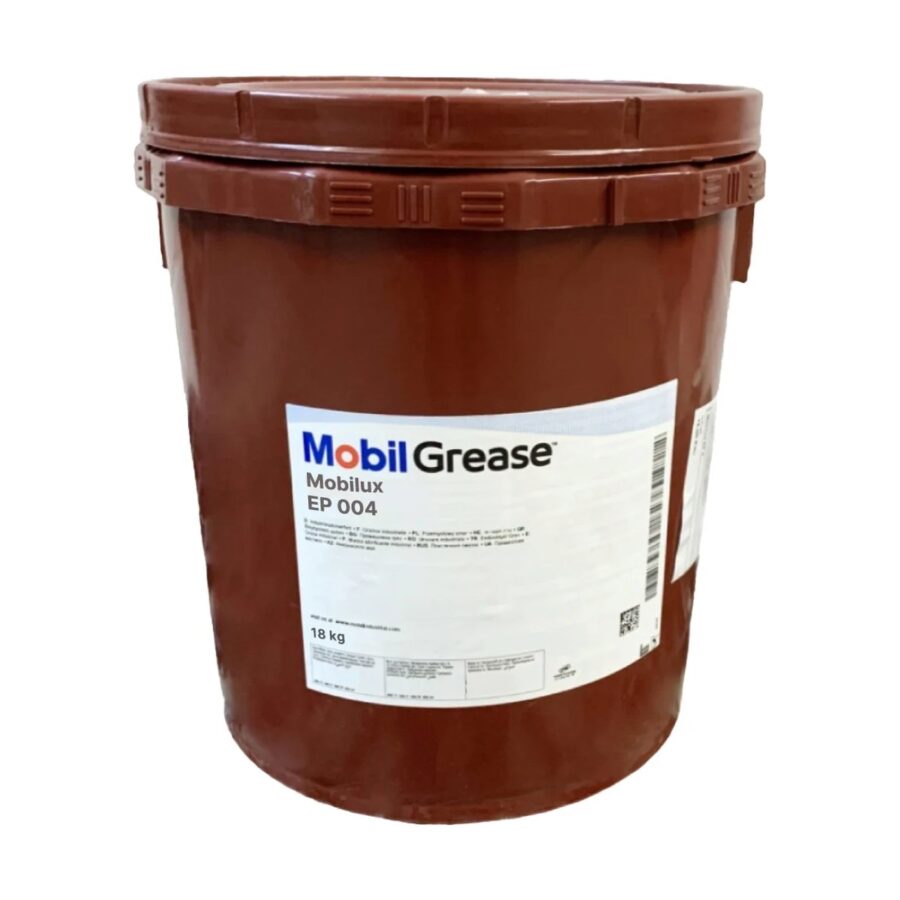
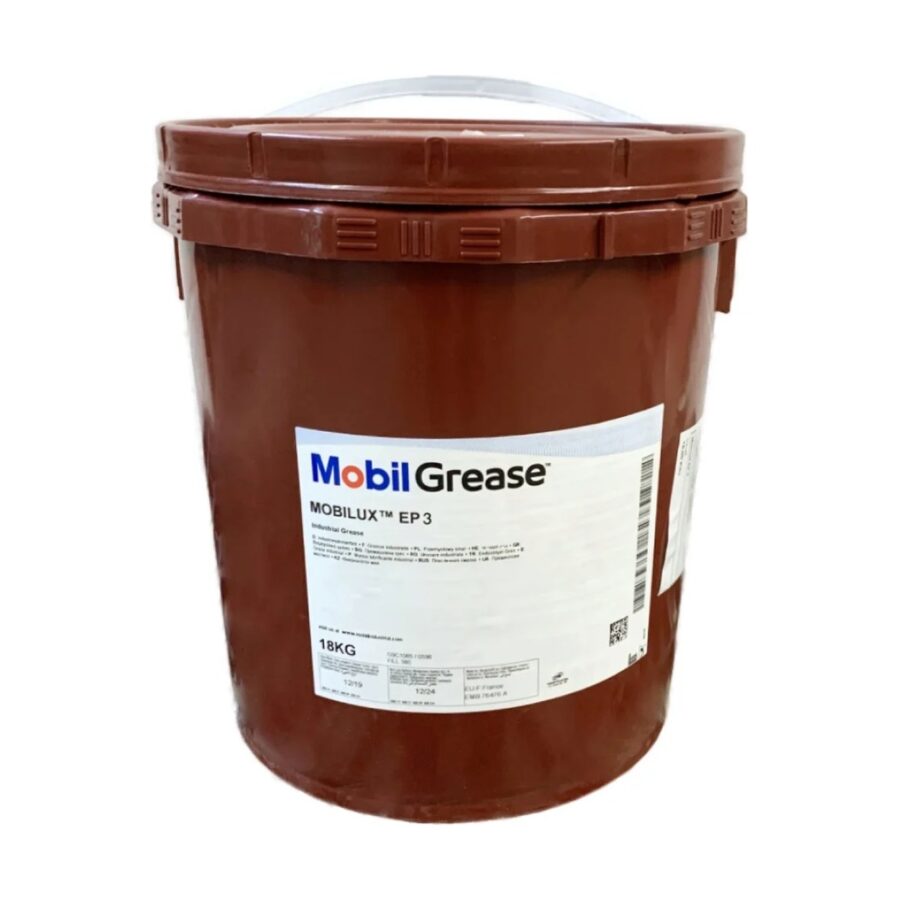
| General bearing greases | Very strong: Mobilux EP, Mobil XHP 222, Mobilith SHC | Available, but usually chosen for special cases |
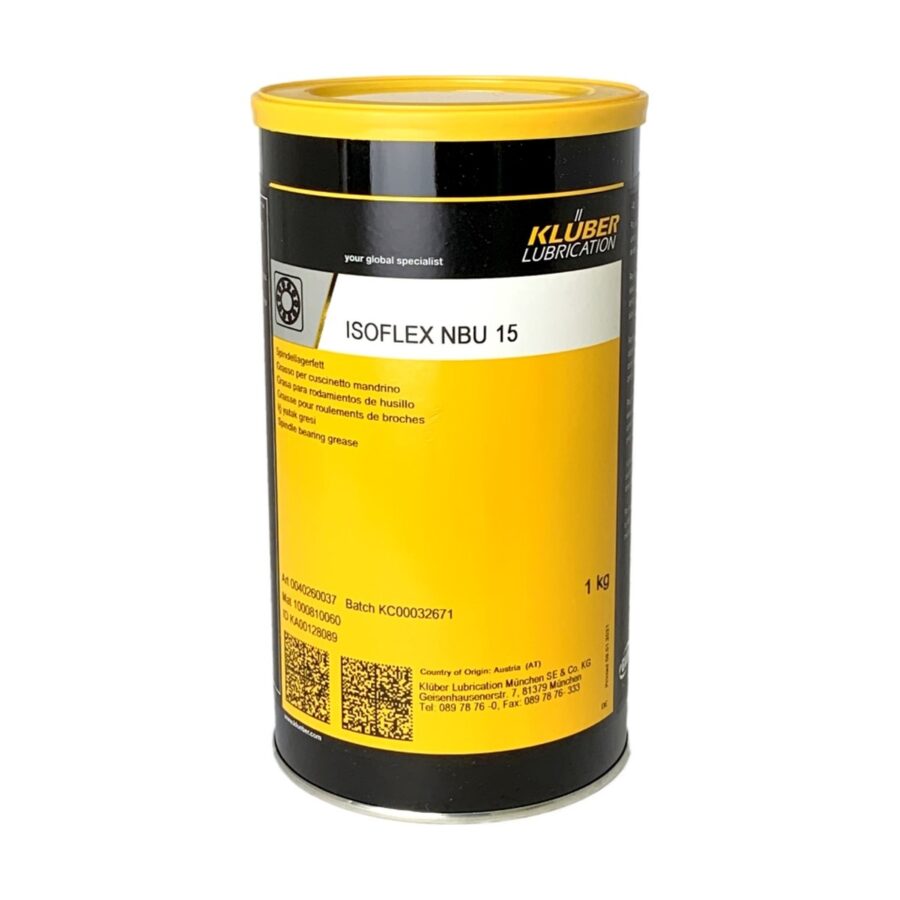
| Spindle and high-speed bearings | Velocite spindle oils | Very strong: ISOFLEX NBU 15, ISOFLEX NCA 15, VARILUB NBU 15/300 |
| Very high temperatures (above 180 °C) | Mobiltemp SHC 32 up to about 180 °C | Very strong: BARRIERTA, Klubertemp, Klubersynth ranges up to 260 °C |
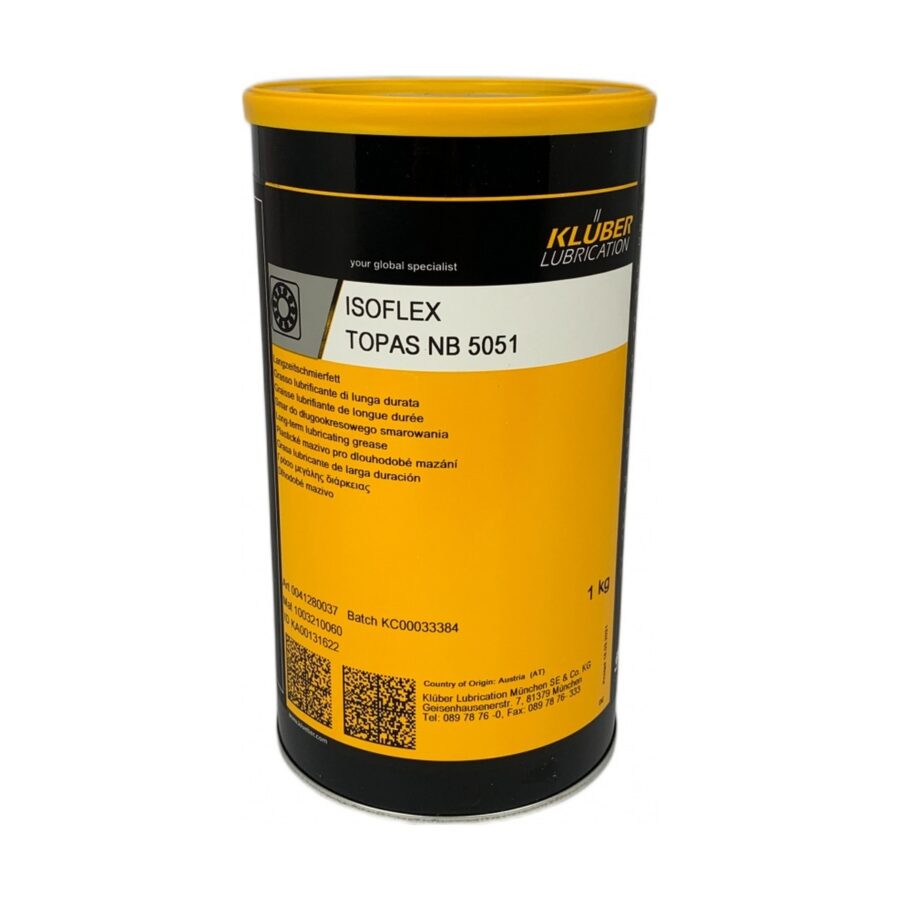
| Very low temperatures | Synthetic greases and aviation grades | Very strong: ISOFLEX TOPAS, ISOFLEX PDL 300A down to −70 °C |
| Food-grade (NSF H1) | SHC Cibus oils and greases | Very broad UH1 range of greases, oils, pastes and sprays |
| Assembly and high-temperature pastes | Not a focus | Very strong: Kluberpaste, Wolfrakote, Unimoly, Wolfracoat |
Which brand is better for bearing greases?
For general rolling bearings in pumps, fans, conveyors and gearbox housings, Mobil greases are the common choice. Mobilux EP 2 is a lithium-based multipurpose grease with a 160 mm²/s base oil and an operating range of about −20 °C to 130 °C. For heavier loads, water and higher temperatures, Mobil XHP 222 (lithium complex) and the synthetic Mobilith SHC series step up the performance.
Kluber becomes the better choice when the bearing is fast, hot, cold, quiet-running or must run for years between relubrications. Examples are PETAMO GY 193 (polyurea, −20 °C to 180 °C) for hot, long-term bearings, Kluberquiet BQH 72-102 (polyurea, −40 °C to 180 °C) for low-noise electric motor bearings, and the ISOFLEX family for spindles. See how to choose an industrial grease for the selection method.
Which brand is better for gear oils and hydraulics?
For enclosed industrial gearboxes and hydraulic systems, Mobil is usually the practical choice in the GCC because of range depth, wide availability and familiarity among OEMs. Mobilgear 600 XP is a mineral CLP gear oil for most gearboxes; Mobil SHC 630 is a PAO synthetic for hotter or longer-drain duty; and Mobil Glygoyle covers PAG applications such as worm gears. The DTE 10 Excel and DTE 20 Ultra series cover most anti-wear hydraulic needs. Our guides on gear oil selection and hydraulic oil grades in hot climates go into detail.
Kluber gear oils are typically used where a special property is needed, for example compatibility with food processing, very long drain intervals in specific gear types, or an OEM that specifies a Kluber product as factory fill.
Which brand is better for high temperatures?
Up to about 150–180 °C, both brands have suitable synthetic greases. Above that, Kluber’s range is much deeper. BARRIERTA L 55/2 is a PFPE-based grease rated from −40 °C to 260 °C and is NSF H1 registered, and the Klubertemp range covers similar temperatures. For screws and bolts on hot equipment, Kluber pastes such as Kluberpaste HEL 46-450 (up to 1000 °C) and UNIMOLY HTC METALLIC (up to 1200 °C) prevent seizure. Mobil’s Mobiltemp SHC 32 is a strong option up to about 180 °C. Read more in high-temperature greases for kilns, ovens and dryers.
Which brand is better for food and beverage plants?
Both brands offer NSF H1 registered lubricants for incidental food contact. Mobil SHC Cibus is a PAO-based range of food machinery oils (hydraulic, gear, compressor and chain applications). Kluber’s UH1 range is broader in greases and pastes, for example Klubersynth UH1 14-1600, Kluberpaste UH1 84-201 and BARRIERTA L 55/2. Many food plants use SHC Cibus oils with Kluber H1 greases and pastes. See Kluber UH1 vs Mobil SHC Cibus for a side-by-side comparison.
Can I replace a Kluber product with a Mobil product, or the reverse?
Sometimes, but not by brand name alone. A replacement must match the base oil type, viscosity, thickener, consistency, temperature range, speed capability and any approvals. Many Kluber speciality greases have no direct Mobil equivalent, and swapping a PFPE grease for a mineral one, for example, will fail quickly at high temperature. Mixing incompatible greases can also soften or harden the grease in the bearing. Follow the steps in finding lubricant equivalents and grease compatibility, and keep the equipment maker’s approval where it is required.
How should a plant decide between Kluber and Mobil?
- List lubrication points and what each one needs: product type, viscosity, temperature, speed, load, environment and approvals.
- Keep OEM-specified products where warranties or approvals depend on them.
- Use the brand with the deepest suitable range for each need: usually Mobil for bulk oils and general greases, Kluber for speciality points.
- Consolidate where requirements overlap, so the store holds fewer products (see our guide on lubricant consolidation).
- Check availability and lead time in the GCC for each critical product, and hold safety stock where needed.
MENA Lubricants supplies both brands as an independent stockist, so we can recommend the product that suits the job rather than one brand only.
How do Kluber and Mobil compare for GCC operating conditions?
Plants in the UAE, Saudi Arabia, Qatar, Oman, Kuwait and Bahrain share three conditions that shape lubricant choice: high ambient temperatures for much of the year, fine dust and sand, and humidity near the coast. Both brands have products designed for these conditions. For heat, Mobil’s synthetic SHC and Mobilith SHC ranges and Kluber’s polyurea and PFPE greases extend life where mineral products oxidise. For dust, grease-lubricated bearings with good seals and regular, small relubrication quantities help keep sand out, whichever brand is used. For humidity and washdown, look for water resistance and corrosion protection on the data sheet.
Availability is the other practical factor. Bulk Mobil oils and common greases are widely stocked in the region. Many Kluber speciality grades are bought in smaller quantities and some have longer lead times, so critical Kluber products should be identified early and held as safety stock.
What does a typical mixed Kluber and Mobil plant list look like?
| Lubrication point | Typical product type |
|---|---|
| Hydraulic power units | Mobil DTE 10 Excel or DTE 20 Ultra series |
| Enclosed gearboxes | Mobilgear 600 XP or Mobil SHC 600 series |
| General motor, pump and fan bearings | Mobilux EP 2 or Mobil Polyrex EM |
| Hot fan and dryer bearings | Kluber PETAMO GY 193 or Mobiltemp SHC 32 |
| Machine-tool spindles | Kluber ISOFLEX NBU 15 |
| Oven conveyors and very hot bearings | Kluber BARRIERTA L 55/2 |
| Hot bolts and flanges | Kluberpaste HEL 46-450 or Wolfrakote Top Paste |
This is only an example; your list should come from a survey of your own equipment and its specifications.
Frequently asked questions
Is Kluber better than Mobil?
Neither is better overall. Kluber is stronger in speciality greases, pastes and extreme temperatures; Mobil is stronger in bulk oils and general-purpose greases. Choose by application.
Is Kluber more expensive than Mobil?
Speciality Kluber products usually cost more per kilogram, but they are used in small quantities at difficult points where a cheaper product would fail sooner. Compare cost per year of service, not price per kilogram.
Do OEMs specify Kluber or Mobil?
Both. Machine-tool, bearing and food-machinery makers often specify Kluber greases; gearbox, hydraulic and turbine makers often list Mobil oils. Follow the specification in your equipment manual.
Can I get both brands in one quotation?
Yes. Add Kluber and Mobil products to the quote list and we quote them together, usually within one business day.
Conclusion
Kluber and Mobil complement each other. Use Mobil for the hydraulic oils, gear oils, turbine oils and multipurpose greases that make up most of a plant’s volume, and Kluber for spindles, extreme temperatures, food-grade greases and pastes where a speciality product pays for itself through longer life and fewer failures. Decide point by point, starting from the equipment requirement.
Need help applying this to your plant? Send us the equipment details or the product you use now and we will recommend a suitable Kluber or Mobil grade: request a quote and we reply within one business day.