Key takeaways
- An equivalent must match the type, viscosity, thickener, performance, approvals and compatibility of the original, not just the name.
- Cross-reference charts are a starting point; always confirm with data sheets and the equipment requirements.
- OEM approvals and warranties can limit which products you may use.
- Send us the current product name, equipment, conditions and any specification, and we will propose a Kluber or Mobil grade.
- After a change, clean out or purge, label the point and monitor closely.
Plants often need an equivalent lubricant: the specified product is unavailable or has been discontinued, a supplier has changed, the plant wants to consolidate brands, or a machine arrives from overseas with an unfamiliar product. Cross-referencing is common practice, but a careless “equivalent” can cause failures, from softened grease running out of a bearing to a hydraulic pump wearing out on the wrong viscosity. This guide explains how to find an equivalent safely.
When do you need a lubricant equivalent?
- The specified product is out of stock or has a long lead time.
- The product has been discontinued or reformulated.
- The plant is consolidating to fewer brands or products.
- New equipment arrives with a product not available locally.
- A food-grade, Halal or other requirement means the current product no longer qualifies.
What must match between two lubricants?
| Property | For oils | For greases |
|---|---|---|
| Type | Gear, hydraulic, turbine, compressor, circulating | Bearing, EP, high-temperature, spindle, food-grade |
| Base oil | Mineral, PAO, ester, PAG | Mineral, PAO, ester, PFPE, silicone |
| Viscosity | ISO VG | Base-oil viscosity and NLGI grade |
| Thickener | — | Lithium, lithium complex, calcium sulfonate, polyurea, barium complex, PTFE, etc. |
| Performance | EP/AW level, VI, oxidation life, demulsibility | EP, temperature range, speed factor, water resistance |
| Approvals | DIN, ISO, OEM approvals | NSF H1, OEM approvals |
| Compatibility | With the oil in the system and seals | With the grease in the bearing and seals |
What should you not rely on when finding an equivalent?
- Product names that look similar: two products with similar names can be completely different.
- Colour: dyes vary and tell you nothing about performance.
- A cross-reference chart alone, without checking the data sheets.
- The same viscosity alone: two oils with the same ISO VG can have very different additives and base oils.
- A salesperson’s claim of “same as” without documents.
Why are base oil and thickener a common trap?
Two of the most common causes of problems after a substitution are mismatched base oils and thickeners. Synthetic PAG oils, for example, are not compatible with mineral or PAO oils and can form sludge if mixed. Polyurea and lithium greases can be incompatible, and PFPE greases mix with almost nothing else. A substitute must match the chemistry of the original, or the equipment must be cleaned out before the change. See grease compatibility and gear oil compatibility.
OEM approvals and warranties
Many equipment makers specify lubricants by specification or approval list. During warranty, using a product outside the list can void the warranty. Some approvals are product-specific: a gearbox maker may approve one brand’s ISO VG 220 synthetic gear oil but not another’s. Check the manual or ask the equipment maker before changing, and keep records of the change.
Reading two data sheets side by side
Put the data sheets of the original and the candidate next to each other and compare them line by line. Start with the basics: product type, base oil type, thickener type for greases, and viscosity (ISO VG for oils; base-oil viscosity at 40 °C and NLGI grade for greases). Then compare the temperature range, the viscosity index for oils, and the performance tests: four-ball or FZG results, water washout, rust protection, oxidation stability and demulsibility. Finally, check approvals and specifications. Small differences in test values are normal between brands; large differences in base oil, thickener, viscosity or temperature range are warning signs.
Watch for different test methods: two data sheets may report the same property using different standards or conditions, so a direct comparison is not always possible. When in doubt, ask the supplier which test method was used.
Special cases that need extra care
- Food-grade (NSF H1) applications: the substitute must also be H1 registered, and Halal or Kosher where required.
- Silicone, PFPE and PAG products: these chemistries rarely mix with others; cleaning is usually needed.
- Turbine and compressor oils: OEM specifications are strict, and the wrong oil can cause varnish or foaming.
- Spindles, instruments and precision bearings: small differences in base oil or thickener can change running temperature and noise.
- Central lubrication systems: pumpability at the lowest temperature must be checked.
Step-by-step process
- Identify the current product exactly: brand, full name, grade. A photo of the label helps.
- Get its data sheet and note type, base oil, viscosity, thickener, NLGI grade, temperature range and approvals.
- Note the equipment and lubrication point, and its operating conditions: temperature, speed, load, water, dust.
- Check the OEM specification or approval list.
- Shortlist candidates using a cross-reference chart or supplier advice.
- Compare data sheets property by property.
- Check compatibility with the current product and with seals.
- Approve the change, plan the changeover and document it.
What information should you send us?
- The current product name (a photo of the label helps).
- The equipment and lubrication point.
- Operating temperature, speed and load.
- Any OEM specification or approval required.
- Any requirement such as NSF H1, Halal or a customer specification.
- The pack size and quantity you need.
Use the “product you use now” field in our request a quote form, and we will recommend a suitable Kluber or Mobil grade.
Examples of common cross-references
| Need | Typical Kluber or Mobil candidate | Check |
|---|---|---|
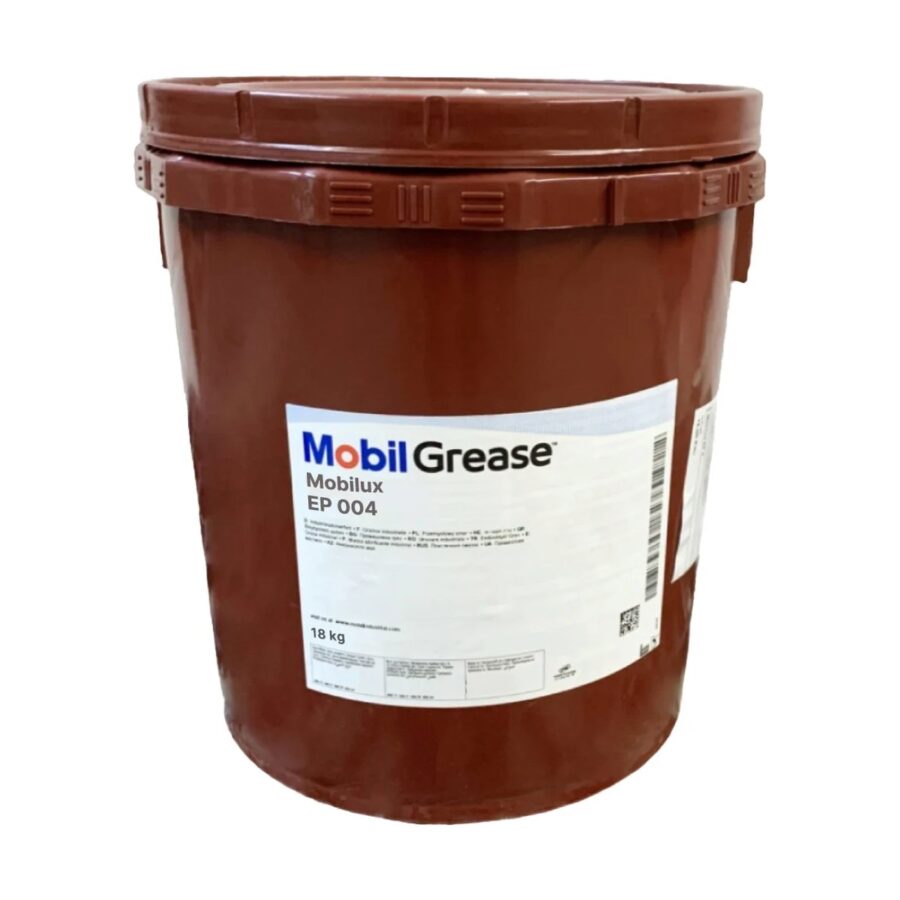
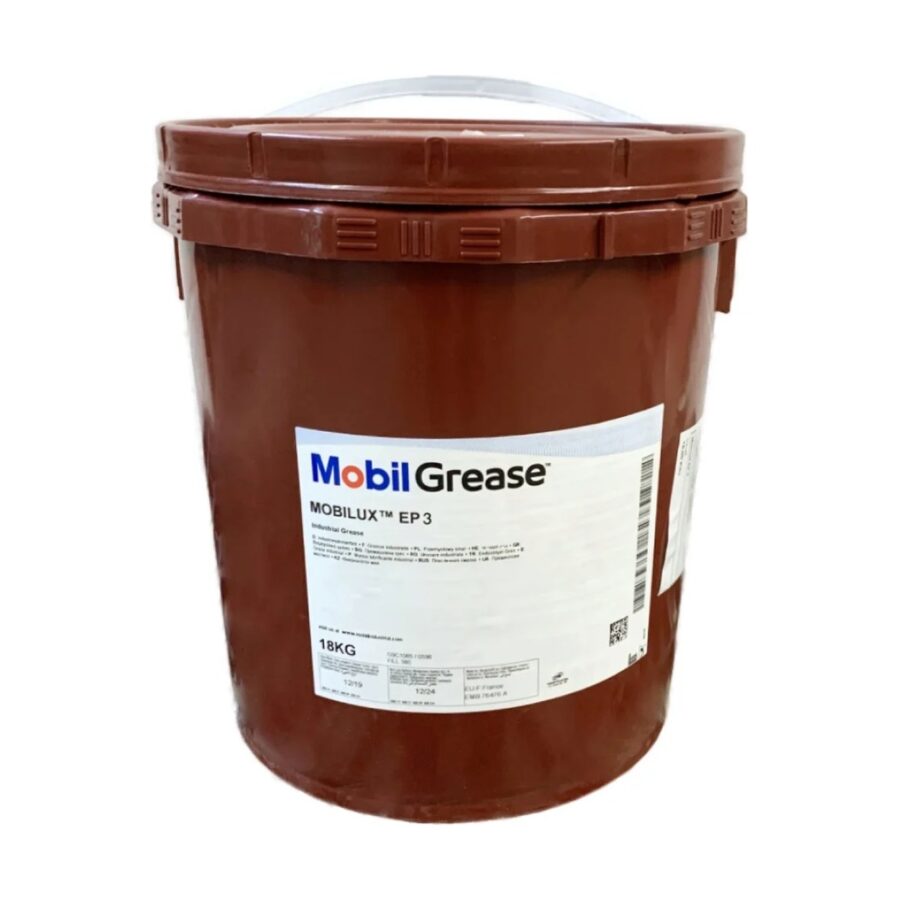
| General mineral lithium EP NLGI 2 bearing grease | Mobilux EP 2 | Base-oil viscosity, temperature range |
| Synthetic lithium complex EP bearing grease | Mobilith SHC 220 | Base-oil viscosity, compatibility |
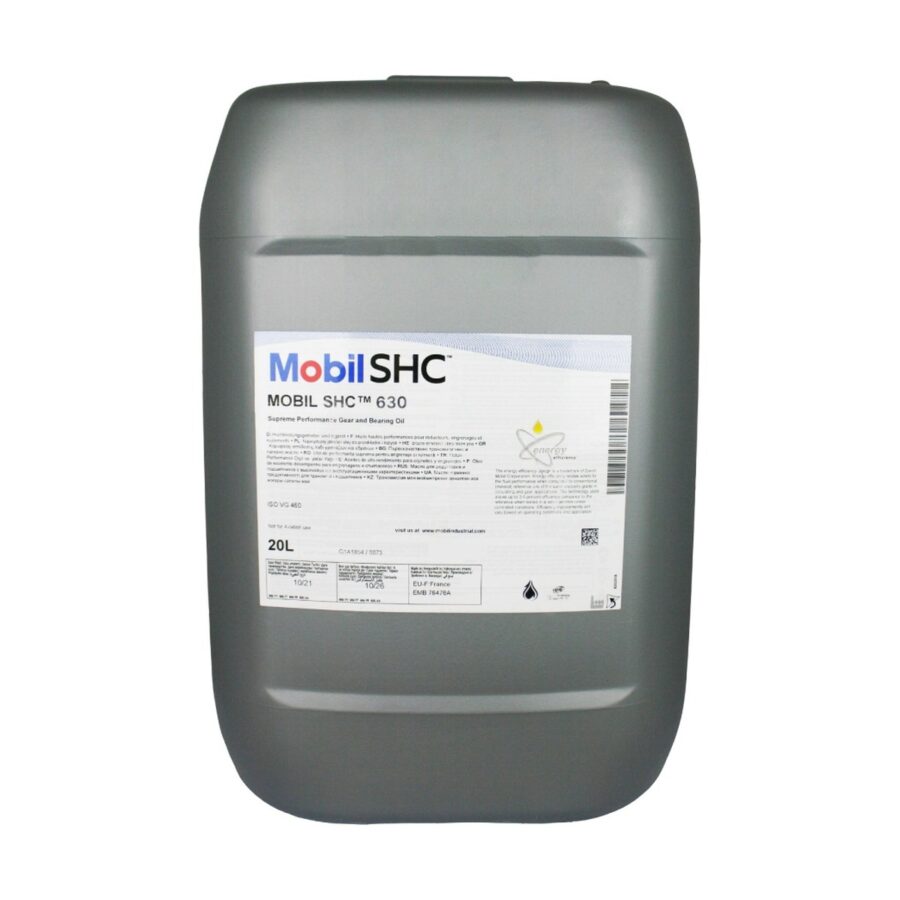
| Synthetic PAO ISO VG 220 gear oil | Mobil SHC 630 | Specifications, seal compatibility |
| Mineral CLP ISO VG 220 gear oil | Mobilgear 600 XP 220 | DIN 51517-3 / OEM requirement |
| High-speed spindle grease | ISOFLEX NBU 15 | Spindle maker’s recommendation |
| PFPE high-temperature grease | BARRIERTA L 55/2 | Temperature, compatibility, cleaning |
| NSF H1 synthetic hydraulic or gear oil | Mobil SHC Cibus (matching VG) | NSF registration, chemistry |
These are typical starting points, not automatic equivalents; each change still needs the checks above.
Discontinued and reformulated products
Lubricant makers regularly update formulations and retire older products, sometimes keeping the same name with a new formulation, sometimes changing the name entirely. When a product you rely on is discontinued, the maker usually names a successor product, but the successor is not always identical. Treat it like any other substitution: compare the data sheets, check compatibility and approvals, and plan the change. Keep old data sheets on file, because they are the reference you need when the original product is no longer listed anywhere.
Testing a substitute before full roll-out
For critical or unusual applications, trial the substitute on one machine or one lubrication point first. Record temperatures, noise, vibration and, for oil systems, an oil sample before and after the change. Run the trial long enough to cover normal duty cycles, including hot afternoons in summer. Once the results are satisfactory, roll the substitute out to similar points and update your documents.
After the change
Clean out or purge the old product where needed, label the point with the new product name, and watch temperature and condition closely for the first weeks. For oil systems, take an oil sample after a few weeks to confirm the system is stable. Update your lubricant list, route cards and purchase specifications so the new product is used consistently.
Consolidation: turning equivalents into savings
Finding equivalents is also the basis of consolidation: reducing many similar products to a few. A plant with eight different NLGI 2 lithium greases from five brands can often move to one or two, with savings on stock, purchasing and errors. See lubricant consolidation for the process.
A worked example: an imported machine
A packaging plant in Dubai installs a European machine whose manual specifies a gear oil and a grease not stocked locally. The plant sends us the manual extract, the product names and the operating conditions. We compare the data sheets, confirm the base oils, viscosities and specifications, check with the machine maker that the proposed Mobil gear oil and Kluber grease meet its requirements, and supply both. The plant updates its lubricant list and labels the machine, avoiding long lead times for imported products.
What are the most common mistakes?
- Choosing by name or colour.
- Matching viscosity but ignoring base oil chemistry.
- Mixing incompatible greases or oils.
- Ignoring OEM approvals during warranty.
- Not documenting the change.
Frequently asked questions
Is a cross-reference chart enough?
Charts are a starting point. Always check the data sheets and the equipment requirements before switching.
Do OEM approvals matter?
Yes, especially under warranty. If the equipment maker specifies an approved list, choose from it.
Can I mix the old and new product?
Only if they are confirmed compatible. Otherwise, clean out or purge thoroughly.
How long does a cross-reference take?
For common products, usually a short time once we have the product name and application. Complex or OEM-specific cases take longer.
Can you find equivalents for other brands?
Yes. Send us the current product details, and we will propose a suitable Kluber or Mobil grade from our range.
Conclusion
A safe equivalent matches the original’s type, chemistry, viscosity, performance and approvals, and is compatible with what is already in the machine. Use cross-reference charts as a starting point, confirm with data sheets and OEM requirements, change over carefully and document everything. Send us your current product details via our request a quote form and we will do the comparison for you.
Need help applying this to your plant? Send us the equipment details or the product you use now and we will recommend a suitable Kluber or Mobil grade: request a quote and we reply within one business day.