Key takeaways
- Textile machines run fast and continuously, and any lubricant that reaches yarn or fabric becomes a quality defect.
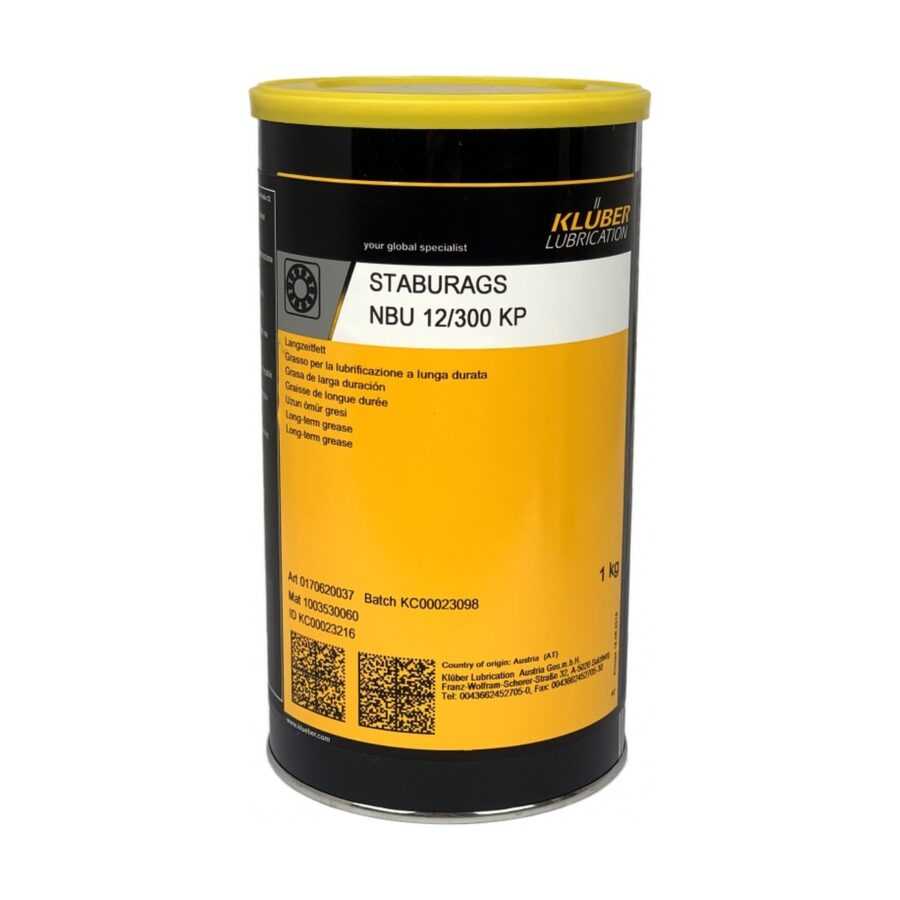
- Drafting rollers and top roller bearings need long-term greases such as STABURAGS NBU 12/300 KP.
- Spindles, looms and knitting machines need the right viscosity and, for knitting, washable needle oils.
- Stenter chains and bearings run in heat and need high-temperature lubricants that do not carbonise or drip.
- Small, correct quantities and clean practice prevent both failures and stains.
Textile mills run thousands of high-speed spindles, rollers, looms and knitting machines, often 24 hours a day. Lubrication must keep these machines running reliably, but it must also stay where it belongs: any oil or grease that reaches yarn or fabric becomes a stain, and stains mean rejects, rework or downgraded product. Heat-setting and finishing machines add high temperatures. This guide covers the main textile processes and how to lubricate each. See also our textile industry page.
What are the two goals of textile lubrication?
| Goal | What it means in practice |
|---|---|
| Reliability | Right lubricant, right quantity, right interval for fast, continuous machines |
| Cleanliness | No drips, fling or migration onto yarn and fabric; easy removal of any traces |
Often these goals point the same way: small, correct quantities of a suitable product both protect the machine and reduce the risk of stains.
Blowroom and carding
Blowroom machines and cards open, clean and align fibres. Their bearings run in fibre-laden air, and carding cylinders run at high speed. Use greases and oils recommended by the machine maker, keep bearing housings sealed against fibre, and clean fibre build-up regularly, because fibre packing around bearings traps heat.
Spinning: drafting systems and top rollers
Ring spinning and other spinning machines draft fibre between pairs of rollers. Top roller (top arm) bearings are typically lubricated for long periods with special greases. According to its product data, STABURAGS NBU 12/300 KP is used for long-term and lifetime lubrication of drafting equipment in spinning machines, as well as tension and eccentric rollers. The grease must stay in the bearing at speed and must not migrate onto the cots and aprons that touch the fibre. See STABURAGS range guide.
Spindles
Ring spinning spindles run at very high speeds in oil-filled bolsters. They need low-viscosity spindle oils with good oxidation stability and anti-wear properties, at the viscosity specified by the spindle maker. Too thick an oil wastes energy across thousands of spindles; too thin an oil causes wear. Change spindle oil at the maker’s intervals and keep bolsters clean. Ask us about suitable spindle oils for your machines.
Rotor and air-jet spinning
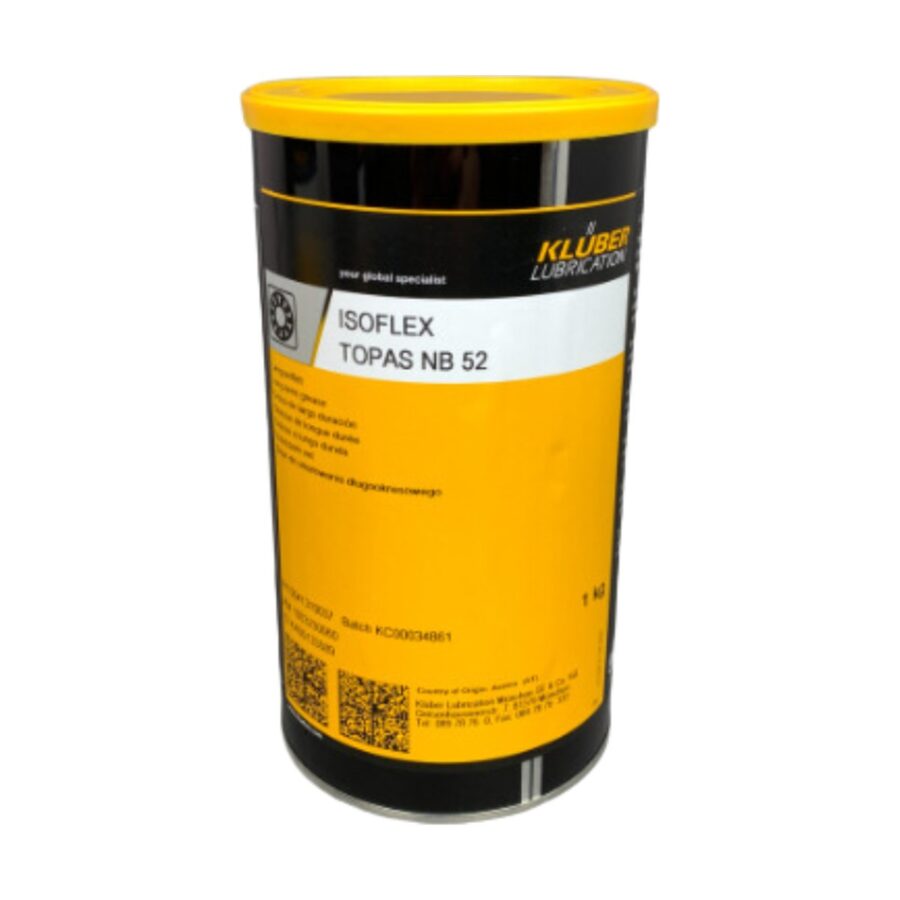
Rotor spinning machines run rotors at very high speeds, supported by bearings that need high-speed greases or oils as specified by the maker. High-speed spindle and bearing greases such as ISOFLEX grades are common in these applications. See ISOFLEX greases guide.
Weaving
Looms, whether rapier, air-jet, water-jet or projectile, have gearboxes, cam and crank drives, shedding mechanisms and many bearings. Gearboxes and oil-bath drives need EP gear oils of the viscosity specified by the loom maker; synthetic oils extend intervals in hot weaving sheds. Sley and beat-up mechanisms carry shock loads and need EP greases. Because fabric passes close to many lubrication points, avoid over-lubrication and check seals often.
Knitting
Circular and flat knitting machines lubricate needles, sinkers and cams with needle oils delivered by automatic oilers. Needle oils must lubricate under high speed and load, but also wash out of the fabric easily in normal scouring, so that any oil reaching the fabric does not leave a permanent stain. Use washable needle oils recommended by the machine maker, set oilers to the minimum effective dose and keep machines clean. Ask us about suitable products.
Dyeing machines
Jet dyeing machines, jiggers, beam dyeing machines and dryers run hot and wet. Pumps, reels and drives need lubricants with good water resistance and high-temperature performance. Seal leaks can bring dye liquor into bearings, so check seals regularly.
Stenters and heat-setting machines
Stenters (tenter frames) carry fabric through hot chambers on chains with clips or pins. The chain and its bearings run at high temperatures, often close to 200 °C or more in heat-setting. Conventional lubricants evaporate, carbonise, smoke or drip onto the fabric. High-temperature lubricants, such as PFPE greases like BARRIERTA L 55 or high-temperature chain oils, last much longer and leave no carbon deposits. See BARRIERTA L 55 guide.
- Clean chains before changing lubricants, especially before switching to PFPE.
- Apply small amounts with automatic oilers or measured manual application.
- Lubricate pins and bushes, not the outside of the chain.
- Check chain elongation and wear during maintenance.
Compressors, motors and utilities
Textile mills rely on compressed air for air-jet looms and many other processes, and on fans and humidification plants to control the shed climate. Compressor oils, motor greases and fan bearing lubricants need the same care as in any plant. Standardised motor greasing, such as with Mobil Polyrex EM where motor makers allow, prevents many failures. See electric motor bearing grease.
Clean lubrication practice
- Apply the correct, small quantities.
- Choose products that do not fling or drip at speed.
- Wipe excess lubricant immediately.
- Use dedicated, labelled tools for each product.
- Train operators to recognise contamination risks.
- Keep machines and lubrication points free of fibre build-up.
Energy and lubrication in spinning
A spinning mill can run tens of thousands of spindles, so small differences in friction add up to large energy costs. Spindle oils of the correct, low viscosity, clean bolsters and well-lubricated drafting systems reduce power consumption. Over-greasing bearings and using oils that are too heavy both waste energy. When reviewing energy use, include lubrication: check spindle oil viscosity against the maker’s recommendation, oil condition and change intervals, and bearing temperatures across the machine.
A sample lubrication schedule
| Machine / point | Typical product type | Typical task |
|---|---|---|
| Card cylinder bearings | Bearing grease per maker | Relubricate at maker’s interval; clean fibre |
| Drafting top rollers | Long-term grease (e.g. STABURAGS NBU 12/300 KP) | Regrease at roller overhaul |
| Ring spindles | Spindle oil | Change at maker’s interval |
| Loom gearboxes | EP gear oil | Check level weekly; change on condition |
| Knitting needles and cams | Washable needle oil | Automatic oiler; check dose daily |
| Stenter chain | High-temperature chain lubricant / PFPE | Automatic oiler; inspect weekly |
| Motors and fans | Motor grease (e.g. Polyrex EM) | Nameplate quantity and interval |
Adapt the schedule to each machine maker’s manual and your operating hours.
Building a short product list
Textile mills often accumulate many products from different machine makers. A short, approved list reduces mistakes: one or two bearing greases, a long-term drafting grease, a spindle oil, a washable needle oil, one or two gear oils, a hydraulic oil, a motor grease and a high-temperature lubricant for stenters cover most needs. Check machine maker approvals before consolidating.
Humidity and climate in textile sheds
Spinning and weaving sheds are often humidified to control static and fibre behaviour. High humidity, combined with GCC heat, increases corrosion risks and water ingress into gearboxes and bearings. Greases and oils with good corrosion protection, and sealed housings, help. Keep lubricants in a dry store outside the humidified area.
Storage and handling in textile mills
Fibre dust gets everywhere in a textile mill, including into open lubricant containers. Keep lubricants in a closed store outside production halls, use small, closed containers for daily use on the shop floor, and clean nozzles and grease gun couplers before each use. Label each container clearly, because many textile lubricants look similar but are designed for very different jobs, from washable needle oils to high-temperature chain lubricants.
A worked example: stenter chain stains
A textile finishing plant sees black spots on fabric from its stenter. The chain lubricant is a high-temperature mineral product that carbonises in the hottest zone and drips when over-applied. The plant cleans the chain thoroughly, switches to a high-temperature PFPE-based lubricant applied by an adjustable automatic oiler, and sets a minimum effective dose. Carbon deposits disappear, stains fall sharply and lubricant consumption drops.
What are the most common mistakes?
- Over-oiling knitting machines and looms.
- Using non-washable oils on knitting needles.
- Using general-purpose greases on stenter chains.
- Letting fibre build up around bearings.
- Mixing greases on drafting systems.
Frequently asked questions
How do I stop oil stains on fabric?
Reduce quantities, choose non-dripping products, maintain seals, and keep lubrication points clean.
Which grease for drafting rollers?
A long-term grease designed for drafting systems, such as STABURAGS NBU 12/300 KP, according to its product data.
Which lubricant for stenter chains?
A high-temperature lubricant that does not carbonise or drip, such as a PFPE grease or high-temperature chain oil.
What is a washable needle oil?
A knitting machine oil formulated to wash out of fabric during normal scouring, so traces do not leave permanent stains.
How often should spindle oil be changed?
At the interval specified by the spindle maker, adjusted for operating conditions.
Can lubrication reduce energy use in spinning?
Yes. Correct spindle oil viscosity, clean bolsters and avoiding over-greasing reduce friction across thousands of spindles.
Conclusion
Textile mill lubrication has two goals: reliable machines and clean product. Use long-term greases on drafting systems, correct spindle and needle oils, EP products on looms, high-temperature lubricants on stenters, and small, controlled quantities everywhere. Browse STABURAGS greases, ISOFLEX greases and BARRIERTA.
Need help applying this to your plant? Send us the equipment details or the product you use now and we will recommend a suitable Kluber or Mobil grade: request a quote and we reply within one business day.