Key takeaways
- Bearing problems are a leading cause of electric motor failures, and lubrication is the biggest controllable factor.
- Motor bearings run fast and lightly loaded, often at elevated temperature: long-life greases suit them best.
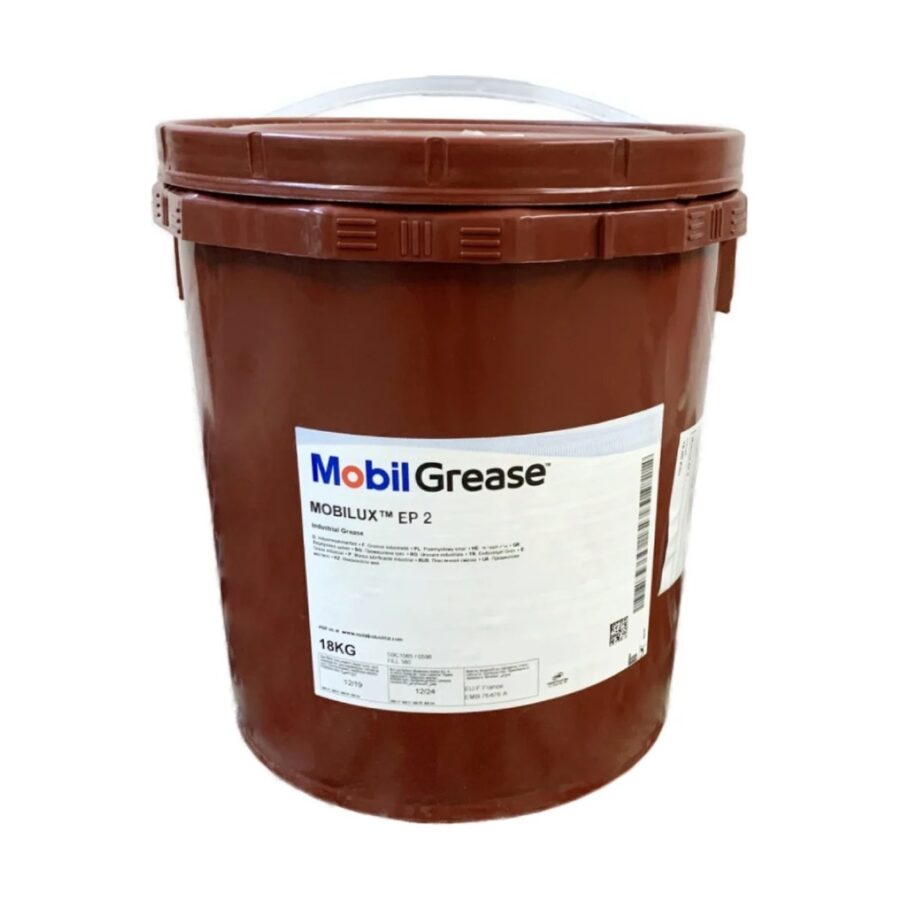
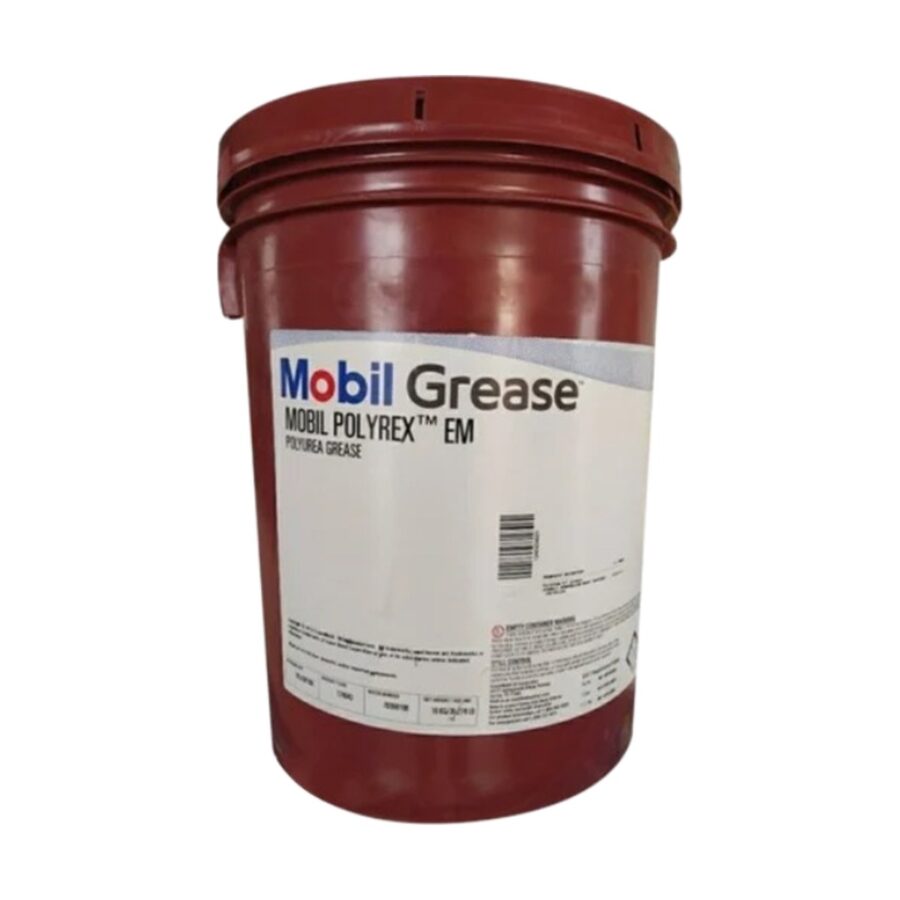
- Polyurea greases (e.g. Mobil Polyrex EM) are widely used; low-noise greases suit smaller motors.
- Always check what grease is already in the motor; polyurea and some soap greases do not mix well.
- Use the nameplate quantity and interval, open the relief plug, and never over-grease.
Electric motors are the most common rotating machines in any plant, driving pumps, fans, compressors, conveyors and mixers. Bearing problems are consistently reported as a leading cause of motor failures, and many of those start with lubrication: the wrong grease, too much grease, mixed greases or contamination. This guide explains what motor bearings need, which greases work best and how to relubricate motors correctly.
What do electric motor bearings need from a grease?
Motor bearings, typically deep-groove ball bearings and sometimes cylindrical roller bearings on the drive end, run at relatively high speeds with light to moderate loads. Motors often run for long periods at elevated temperature, especially in hot plant rooms. The grease must therefore:
- Last a long time at the motor’s operating temperature.
- Perform well at the bearing speed (speed factor).
- Run quietly, especially in small and medium motors.
- Resist softening and leakage, so grease stays out of the windings.
- Resist oxidation, because intervals between relubrication are long.
- Be compatible with the grease already in the motor.
Why are polyurea greases popular for motors?
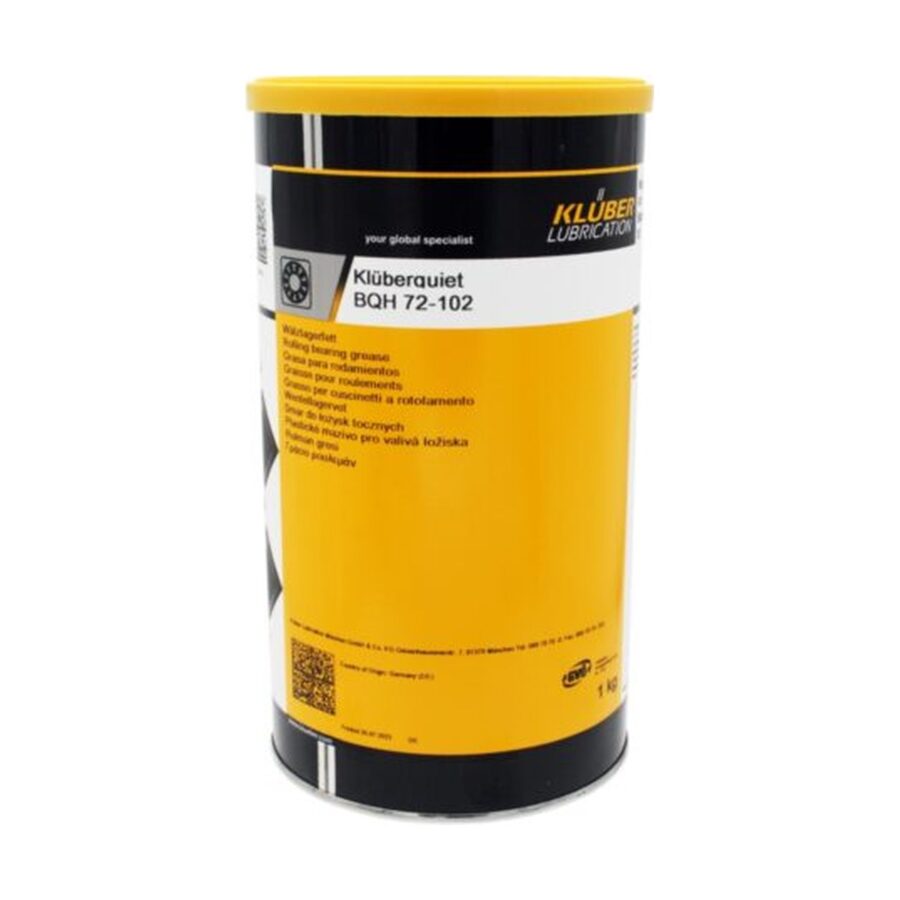
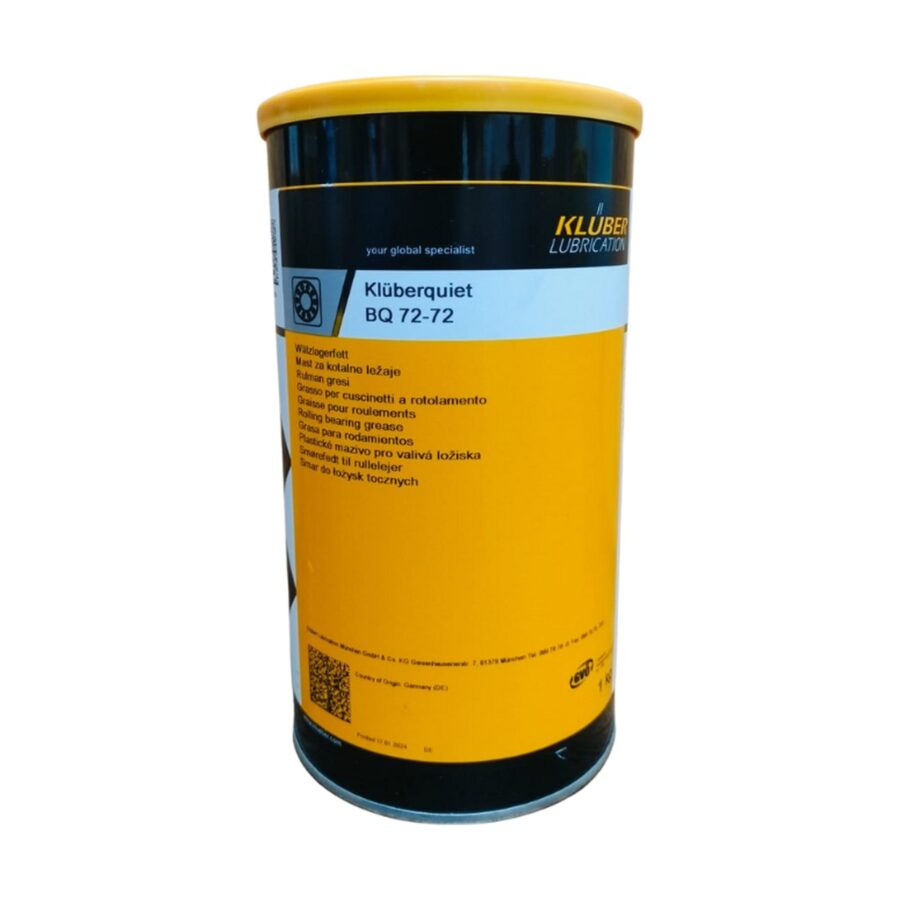
Polyurea-thickened greases offer long life at elevated temperatures, good oxidation resistance and low noise, which is why many motor makers fill new motors with them. Mobil Polyrex EM is a well-known polyurea grease designed for electric motor bearings. Kluber offers long-life and low-noise greases such as Kluberquiet BQ 72-72 (a low-noise rolling bearing grease) and the ASONIC range, and PETAMO GY 193, which according to its product data can be used in electric motors among other applications.
Grease options for motors
| Motor situation | Typical grease choice | Examples |
|---|---|---|
| General industrial motors | Polyurea motor grease | Mobil Polyrex EM |
| Small and medium motors where noise matters | Low-noise synthetic grease | Kluberquiet BQ 72-72, ASONIC |
| Motors in hot environments | Synthetic long-life grease | Kluber PETAMO GY 193 |
| Sealed-for-life bearings | Factory fill; no relubrication | — |
| Motors in food areas | NSF H1 bearing grease | See our food-grade range |
Always check the motor maker’s recommendation first; many state the grease type on the nameplate or in the manual.
Why is grease compatibility the most common motor mistake?
Topping up a motor that contains a polyurea grease with a lithium grease (or the reverse) is one of the most common causes of motor bearing failure. Some combinations soften, leak past the bearing shields and starve the bearing. Before relubricating, check what is in the motor: the nameplate, maintenance records or the motor maker. If you change grease, purge the old grease thoroughly. See grease compatibility.
How do you relubricate an electric motor correctly?
- Check the nameplate or manual for grease type, quantity and interval for each bearing.
- Make sure you have the correct grease in a labelled, calibrated grease gun.
- Clean the grease nipple and the area around it.
- Remove the drain or relief plug, if fitted.
- With the motor running (where safe and permitted), add grease slowly.
- Let the motor run for some time with the relief open so excess grease escapes.
- Refit the relief plug and wipe away expelled grease.
- Record the date, grease and quantity.
- Check the bearing temperature over the next hours.
If the motor cannot be greased while running, grease it stopped, then run it with the relief open. Never add grease without a relief path for the excess.
How much and how often
Motor makers specify quantities and intervals based on bearing size, speed and design. Where none is given, bearing makers’ formulas (such as 0.005 × outside diameter × width, in mm, for grams) and interval charts are used, adjusted for temperature and environment. Hot motors need shorter intervals. See how much grease does a bearing need? for the method.
What are the signs of motor bearing lubrication problems?
| Sign | Possible cause |
|---|---|
| Bearing temperature high after greasing | Over-greasing, no relief path |
| Grease inside the motor or on windings | Over-greasing, incompatible grease |
| Increasing noise or vibration | Lubricant degraded, interval too long, contamination |
| Dark, hard grease at the relief | Interval too long or temperature too high |
| Repeated failures on the same motor | Wrong grease, wrong quantity, electrical bearing damage |
Note that some motor bearing damage, especially in inverter-driven motors, is caused by electrical currents passing through the bearing, which no grease can fully prevent. If bearings show fluting patterns, investigate shaft voltage and grounding.
Sealed-for-life motors
Many small motors use sealed or shielded bearings with no grease nipple. These are lubricated for life with a long-term grease and replaced when they reach the end of their service life. Do not drill housings or modify bearings to add grease points.
Typical bearing arrangements by motor size
| Motor size (typical) | Typical bearings | Relubrication |
|---|---|---|
| Small motors (fractional to a few kW) | Sealed or shielded deep-groove ball bearings | Lubricated for life; replace at end of life |
| Medium motors | Deep-groove ball bearings, sometimes with grease nipples | Per nameplate if relubricatable |
| Large motors | Ball bearing on non-drive end; cylindrical roller bearing on drive end for belt or heavy loads | Regular relubrication per nameplate |
| Very large or high-speed motors | Sometimes oil-lubricated sleeve bearings | Oil system maintenance per manual |
This is a general pattern only; always check the actual motor data. Cylindrical roller bearings on the drive end of belt-driven motors carry higher loads and may need different quantities from the non-drive-end ball bearing.
Building a motor lubrication programme
- Create a list of all motors with relubricatable bearings, their grease, quantities and intervals.
- Group motors into routes by area and interval.
- Label each motor with its grease name and quantity per bearing.
- Assign dedicated, calibrated grease guns for motor grease.
- Train technicians on the relief-plug procedure and on avoiding over-greasing.
- Record each relubrication and review bearing temperatures and vibration trends.
- Review failures to find causes such as wrong grease, wrong quantity or electrical damage.
Variable-speed and inverter-driven motors
Motors driven by frequency inverters can run at speeds very different from their nameplate speed. At low speed, bearings build a thinner oil film; at high speed, they run hotter. Relubrication intervals may need adjusting for the actual speed profile. Inverter drives can also cause electrical bearing currents, which produce characteristic fluting marks on raceways. These are addressed with shaft grounding, insulated bearings or ceramic rolling elements, not with grease alone.
Standardising motor lubrication across a plant
Plants with hundreds of motors benefit greatly from standardising on one or two motor greases, with clear labels and calibrated guns. That reduces mix-ups, simplifies purchasing and makes training easy. When standardising, plan the changeover motor by motor, purging old grease and recording each change.
How do GCC conditions affect motor bearings?
Hot, poorly ventilated motor rooms and outdoor motors in direct sun raise bearing temperatures in summer. Check motor bearing temperatures in the hottest months, keep cooling fins and fans clean, and shorten intervals or move to synthetic long-life greases where bearings run hot. Dust also gets into motors through poor seals; keep covers in place and clean fittings before greasing.
Checking motor bearings between relubrications
Simple checks between relubrications catch problems early. Touch-free temperature readings on both bearing housings, listening with an ultrasound instrument or stethoscope, and vibration readings on critical motors show whether a bearing is running normally. A bearing that runs noticeably hotter than its partner on the other end of the same motor, or louder than similar motors, deserves attention before the next scheduled greasing. Recording these readings on the same route sheet as the relubrication makes trends easy to see.
What are the most common mistakes?
- Mixing incompatible greases.
- Over-greasing, especially without opening the relief plug.
- Using a general EP grease where a motor grease is specified.
- Greasing sealed-for-life bearings.
- Ignoring the nameplate quantity and interval.
Frequently asked questions
Can I use a general EP grease in electric motors?
It is not usually the best choice. Motor bearings are lightly loaded and run fast; dedicated motor greases give longer life and lower noise. Follow the motor maker’s recommendation.
Why did my motor bearing fail right after greasing?
Common causes are over-greasing, mixing incompatible greases, or contamination introduced through a dirty fitting.
How do I know which grease is in a motor?
Check the nameplate, the manual or maintenance records, or ask the motor maker.
Should motors be greased while running?
Where it is safe and permitted, yes: running helps distribute grease and expel excess through the relief. Otherwise grease stopped and then run with the relief open.
Do inverter-driven motors need special grease?
Electrical bearing damage in inverter motors is mainly addressed by grounding or insulated bearings; grease alone cannot prevent it.
Conclusion
Electric motor reliability depends heavily on bearing lubrication. Use a grease suited to motors, usually a polyurea or long-life synthetic grease, check compatibility before topping up, follow the nameplate quantity and interval, open the relief plug, and record what you do. Standardising on one or two motor greases across the plant makes all of this easier.
Need help applying this to your plant? Send us the equipment details or the product you use now and we will recommend a suitable Kluber or Mobil grade: request a quote and we reply within one business day.