Key takeaways
- Turbine and circulating oils are the most critical lubricants in a power plant; oil analysis and varnish monitoring protect them.
- Desalination plants run large numbers of pumps and motors in humid, salty air, which makes corrosion and water ingress major risks.
- Cooling tower gearboxes and outdoor drives need oils that cope with heat, moisture and long intervals.
- Standardised motor greasing with calibrated quantities prevents many bearing failures.
- Desiccant breathers, good seals and clean lubricant storage are essential in coastal plants.
Power and desalination plants keep GCC cities running. Many are combined, with gas or steam turbines producing electricity and thermal (MSF or MED) or reverse osmosis (RO) desalination producing water. They run continuously, often at high load in summer when ambient temperatures exceed 45 °C, and most are on the coast, exposed to humid, salty air. Lubrication failures can cause forced outages with major consequences. This guide covers the main equipment and how to lubricate it. See also our power generation industry page.
The operating environment
| Condition | Effect | Response |
|---|---|---|
| High ambient temperatures | Higher oil and bearing temperatures, faster oxidation | Cooling, synthetic lubricants, margins on ratings |
| Humid, salty coastal air | Corrosion, water ingress through breathers and seals | Desiccant breathers, corrosion-resistant greases, seals |
| Continuous high-load operation | Limited maintenance windows | Condition monitoring, long-life lubricants |
| Large numbers of pumps and motors | Lubrication errors multiply | Standardisation, routes, training |
Gas turbines
Gas turbines use a lubricating oil system that serves the turbine bearings, generator bearings and often the gearbox and hydraulic controls. The oil runs hot and faces high thermal stress around bearings, which can lead to varnish: sticky deposits that cause valve sticking and bearing problems. Gas turbine makers specify turbine oils that meet their own specifications; follow these exactly. Monitor oil with RPVOT, RULER and membrane patch colorimetry (MPC) to track remaining oxidation life and varnish potential, and consider varnish removal systems on units prone to deposits. For dedicated gas turbine oils that are not in our standard catalogue, ask us.
Steam turbines
Steam turbines also use turbine oil systems, but the main risk is water: steam leaks through gland seals condense in the oil. Turbine oils with excellent water separation (demulsibility) and good rust protection, together with centrifuges or vacuum dehydrators, keep water content low. Monitor water, acid number, oxidation life and particle count. See turbine and circulating oils explained and water contamination in oil.
Circulating oil systems
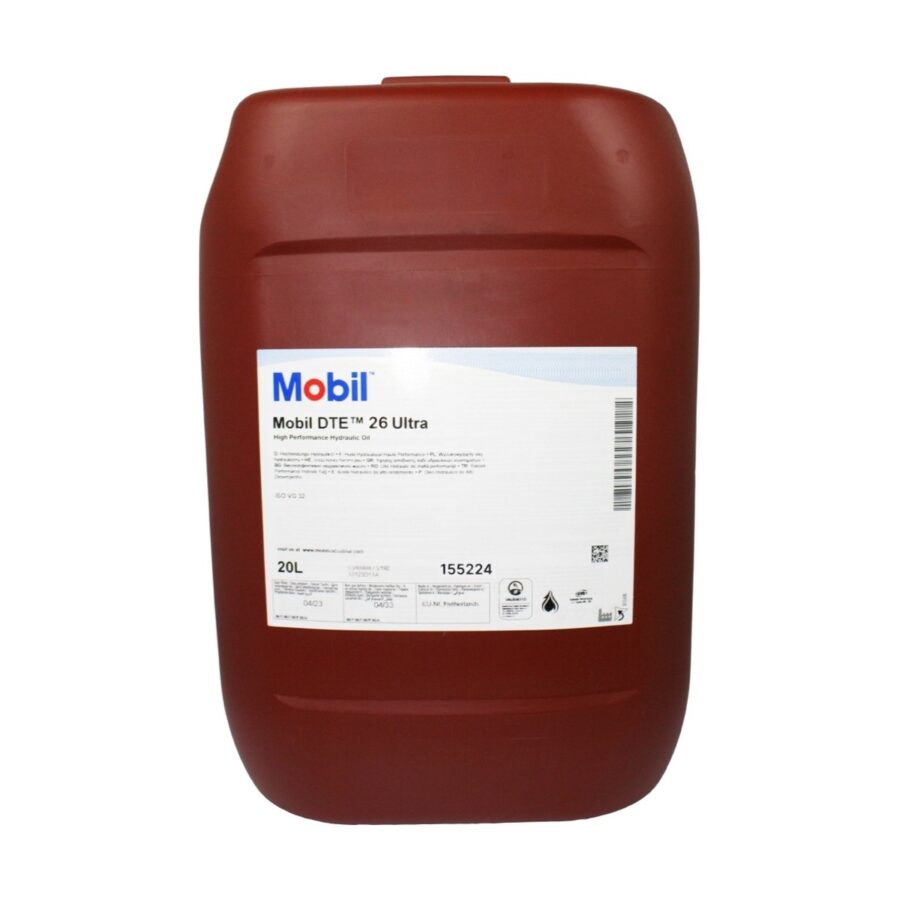
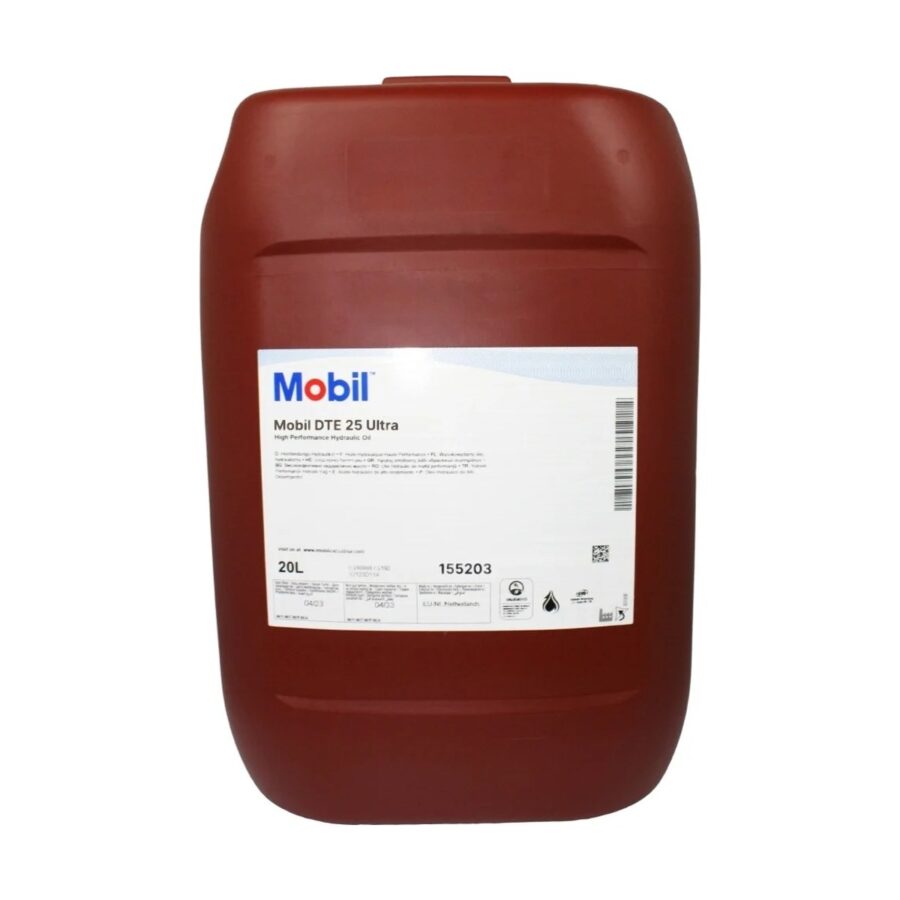
Many bearings, fans and pumps in power plants use circulating oil systems. Mobil DTE Oil Light, Medium, Heavy Medium and Heavy (ISO VG 32, 46, 68 and 100) are circulating oils for turbines and similar systems in our catalogue. Choose the grade specified by the equipment maker, and keep systems clean and dry.
Pumps
Power and desalination plants run hundreds of pumps: boiler feed pumps, condensate pumps, cooling water pumps, seawater intake pumps, brine pumps and chemical dosing pumps. Their bearings are oil-bath, oil-mist or grease-lubricated. Common causes of pump bearing failures are wrong oil level, water contamination, over-greasing and misalignment.
- Use constant-level oilers set correctly, and check oil levels on every round.
- Replace oil-bath oil regularly or on condition, especially in humid areas.
- Use desiccant breathers on pump bearing housings where possible.
- Use oil-mist systems on large pump populations where justified.
- Grease bearings with calibrated amounts; never over-grease.
Reverse osmosis high-pressure pumps
RO plants use high-pressure pumps, often multistage centrifugal or positive displacement pumps, to push seawater through membranes, together with energy recovery devices. These pumps are critical and run continuously. Their bearings and gearboxes need clean, correct-viscosity oils with good water separation and corrosion protection, because seawater leaks are a constant risk. Follow the pump maker’s lubricant specification, and monitor with oil analysis and vibration.
Thermal desalination (MSF and MED)
Multi-stage flash (MSF) and multi-effect distillation (MED) plants use large brine recirculation pumps, vacuum systems and many smaller pumps and fans. Heat, steam and humidity around these plants increase the risk of water in oils and greases. Water-resistant greases, regular oil changes on condition and good sealing help.
Electric motors
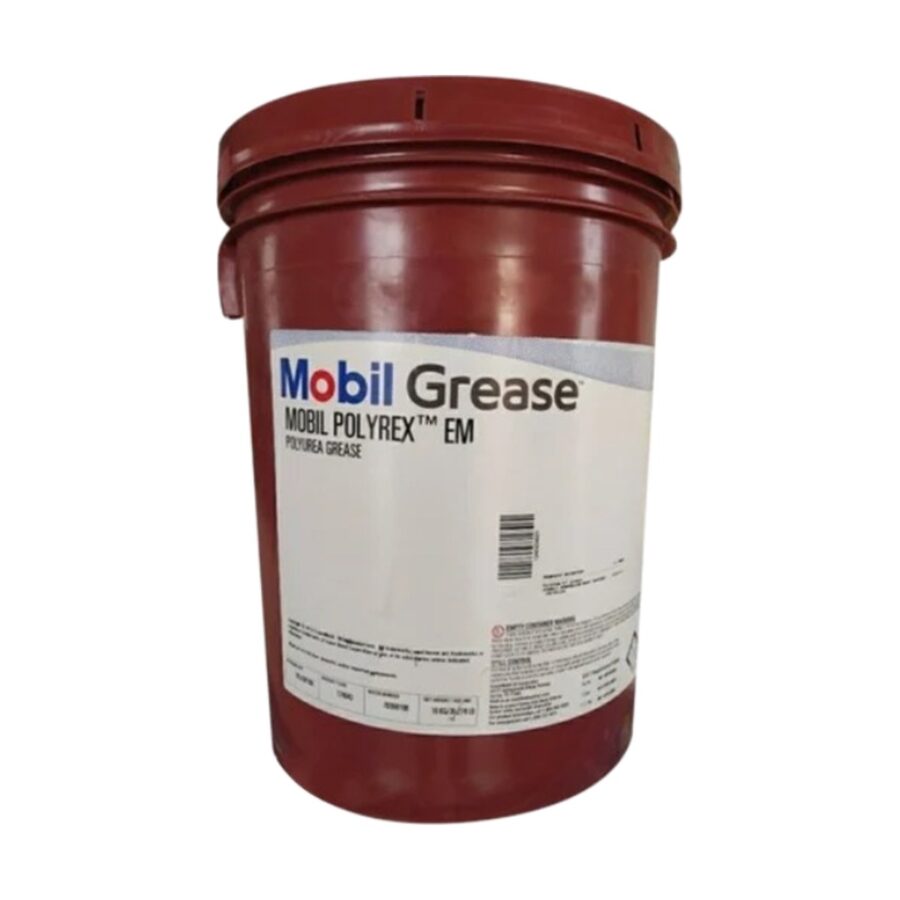
Motors are the most numerous machines in these plants. Many bearing failures come from over-greasing, mixed greases and missing records. Standardising on one suitable motor grease, such as Mobil Polyrex EM where motor makers allow, using nameplate quantities with drain plugs open and recording every task reduces failures. See Mobil Polyrex EM guide and electric motor bearing grease.
Cooling tower gearboxes
Cooling tower fans are driven by right-angle gearboxes mounted inside the tower, in hot, saturated air. Water ingress and condensation are the main risks, and access is often difficult. Synthetic gear oils such as Mobil SHC 630 can extend drain intervals and handle temperature swings. Fit suitable breathers, check oil levels with remote sight glasses or extended lines, and sample oil regularly. See industrial gear oil selection.
Compressors
Instrument air and service air compressors, and gas compressors in power plants, need compressor oils specified by the maker. Hot compressor rooms shorten oil life; keep coolers clean and ventilation working. Synthetic compressor oils extend intervals in hot conditions.
Fans and blowers
Forced draught and induced draught fans, ventilation fans and blowers in power plants are large, fast machines whose bearings are oil- or grease-lubricated. Use the lubricant and quantity specified by the fan maker, monitor bearing temperature and vibration, and keep housings sealed against dust and moisture.
- Generator bearings are usually served by the turbine oil system; keep it clean and dry.
- Valve actuators and gearboxes need greases with good corrosion protection.
- Valve stems and spindles benefit from suitable greases or pastes to prevent seizing.
- Hot flange bolts need high-temperature anti-seize pastes for shutdowns.
Oil analysis programme for power plants
| System | Key tests | Typical frequency |
|---|---|---|
| Gas turbine lube oil | Viscosity, acid number, RPVOT, RULER, MPC, particle count, water | Monthly to quarterly |
| Steam turbine lube oil | Water, demulsibility, acid number, RPVOT, particle count | Monthly to quarterly |
| Boiler feed and critical pumps | Viscosity, water, wear metals | Quarterly |
| Cooling tower gearboxes | Viscosity, water, wear metals, oxidation | Quarterly to six-monthly |
| Hydraulic control systems | Particle count, water, viscosity | Quarterly |
Adjust frequencies based on criticality and history, and use the results to decide which systems need oil changes during outages. See oil analysis basics.
Coastal plants face constant moisture and salt. Desiccant breathers on reservoirs and gearboxes, good seals, greases with strong water resistance and corrosion protection, and indoor storage of lubricants are the basics. Check breather cartridges often: in humid coastal air they saturate quickly. Use oil analysis to track water content, and act when it rises.
Lubricant storage in coastal plants
Store drums and canisters indoors, in a cool, dry room, off the floor and with bungs closed. Outdoor storage near the sea lets salty, humid air into containers as they heat and cool each day. Keep turbine oils and other critical oils in dedicated, labelled containers, and filter them into the system. Use the oldest stock first, and keep records of batch numbers for critical systems.
Major outages are the opportunity for oil changes, flushing, varnish cleaning, seal replacement and breather upgrades. Plan lubricant quantities and deliveries well ahead, because large systems need significant volumes at short notice. Agree on oil analysis-based decisions about which systems need changes, rather than changing everything by calendar.
A worked example: a seawater intake pump station
A desalination plant has repeated bearing failures on seawater intake pumps. Oil analysis shows high water content in oil-bath bearings, and the housings have open vents. The plant fits desiccant breathers, replaces worn shaft seals, changes oil on condition based on monthly water tests and trains operators to check constant-level oilers. Water content drops, and bearing failures fall over the following year.
What are the most common mistakes?
- Ignoring varnish potential in gas turbine oils.
- Leaving open vents on pump and gearbox housings in coastal plants.
- Over-greasing motors and pumps.
- Storing lubricants outdoors near the sea.
- Changing turbine oils without oil analysis.
Frequently asked questions
How do I protect equipment from salt air?
Use greases with good corrosion protection, keep seals and breathers in good condition, and relubricate regularly.
What causes varnish in turbine oils?
Thermal and oxidative stress on the oil create degradation products that form deposits. Monitor with MPC and RULER tests and keep oil temperatures under control.
Which oil for cooling tower gearboxes?
The gear oil specified by the gearbox maker; synthetic gear oils often perform better in the hot, humid conditions inside cooling towers.
How often should turbine oil be tested?
Many plants test monthly to quarterly, depending on the unit and its history.
Can you supply gas turbine oils?
Ask us with the turbine model and the oil specification, and we will check availability.
How do desiccant breathers help in coastal plants?
They dry and filter the air drawn into reservoirs and gearboxes as they cool, reducing condensation, rust and dust ingress. Replace cartridges when the indicator changes colour.
Conclusion
Power and desalination plants need disciplined lubrication: turbine oils monitored for oxidation and varnish, pumps and motors lubricated correctly and consistently, cooling tower gearboxes protected from moisture, and everything protected from salt and humidity. Combine the right products with oil analysis, breathers and good storage. Browse our circulating and turbine oils and bearing greases.
Need help applying this to your plant? Send us the equipment details or the product you use now and we will recommend a suitable Kluber or Mobil grade: request a quote and we reply within one business day.