Key takeaways
- Refineries, petrochemical and gas plants run thousands of pumps, motors and fans, many in hazardous areas where every maintenance visit costs time and risk.
- Most pump bearing failures come from oil contamination, wrong oil levels and over-greasing, not from the oil itself.
- Compressors and their lube oil systems follow strict OEM and API practices; follow the specified oils exactly.
- Long-life greases, oil mist and automatic lubricators reduce visits to hazardous and remote areas.
- High-temperature anti-seize pastes on flange bolts save days at turnarounds.
Refineries, petrochemical complexes, gas processing plants and export terminals in the GCC run thousands of rotating machines: centrifugal pumps, compressors, fans, air coolers, mixers, motors and turbines. Many are in hazardous areas, so every maintenance visit needs permits, gas testing and time. Reliability teams in these plants know that lubrication is one of the most effective, lowest-cost ways to reduce failures. This guide covers the main equipment types and the practices that make the biggest difference. See also our oil, gas and petrochemical industry page.
What makes oil and gas plants different?
| Condition | Effect on lubrication | Response |
|---|---|---|
| Hazardous areas | Every visit needs permits; equipment must be certified | Long-life products, certified automatic lubricators, oil mist |
| Large equipment populations | Small errors repeated hundreds of times | Standardisation, routes, training |
| Heat and sun | High bearing and oil temperatures | Synthetic oils and greases, shading, cooling |
| Dust and sand | Abrasive contamination | Seals, breathers, clean handling |
| Coastal humidity | Water ingress and corrosion | Desiccant breathers, corrosion-resistant greases |
| Process contamination | Hydrocarbons, H₂S or chemicals in oil | Seal maintenance, oil analysis, compatible lubricants |
Centrifugal pumps
Process pumps, many built to API 610, are the most numerous rotating machines in a refinery. Their bearings are typically lubricated by an oil bath with a constant-level oiler, by ring oiling, by oil mist or by grease. Most pump bearing failures come from:
- Wrong oil level: too low starves bearings; too high causes churning and heat.
- Water and dirt entering through vents and seals.
- Oil rings worn or not turning properly.
- Over-greasing grease-lubricated bearings.
- Using the wrong viscosity, often too light for hot running conditions.
Check constant-level oilers on every round, set them correctly for the pump design, fit bearing housing seals and desiccant breathers where possible, and change oil on condition. Mineral or synthetic ISO VG 32, 46 or 68 oils are typical, depending on speed and temperature; follow the pump maker’s guidance. Synthetic oils such as Mobil SHC 600 grades extend life in hot service. See ISO VG explained.
Oil mist systems
Many refineries use central oil mist systems to lubricate large numbers of pumps and motors. A mist generator atomises oil into a stream of air that is piped to each bearing housing, where it condenses on the bearings. Oil mist keeps bearings lubricated with fresh oil, keeps housings under slight positive pressure, which keeps out moisture and dirt, and reduces maintenance visits. It requires a suitable oil, correctly sized reclassifiers, regular checks of the generator and headers, and attention to drainage and environmental collection.
Compressors and lube oil systems
Centrifugal and reciprocating compressors, often built to API 617 and API 618, are among the most critical machines in the plant. They usually have dedicated lube oil and seal oil systems, often designed to API 614, with pumps, coolers, filters and rundown tanks. These systems require the oil specified by the compressor maker, typically turbine-quality circulating oils or synthetic compressor oils.
- Follow the OEM oil specification exactly; do not substitute without approval.
- Monitor oil with regular analysis: viscosity, water, oxidation, varnish potential, particle count and dilution by process gas.
- Maintain filters and coolers, and keep oil temperature stable.
- Watch for gas dilution in compressor oils, which reduces viscosity.
- Plan oil changes and flushing for planned outages.
Reciprocating compressor cylinders may also need dedicated cylinder lubricants, depending on the gas and pressure.
Mixers, agitators and blowers
Reactor agitators, tank mixers and blowers are usually driven through enclosed gearboxes with grease-lubricated bearings. Follow the maker’s gear oil grade and the bearing grease quantity, and check mechanical seals on agitators, where process leaks can contaminate bearing lubricants.
Gas and steam turbines
Turbine drivers for compressors and generators use turbine oil systems that must be kept clean and dry, and monitored for oxidation and varnish. See turbine and circulating oils explained.
Air coolers (fin-fan units)
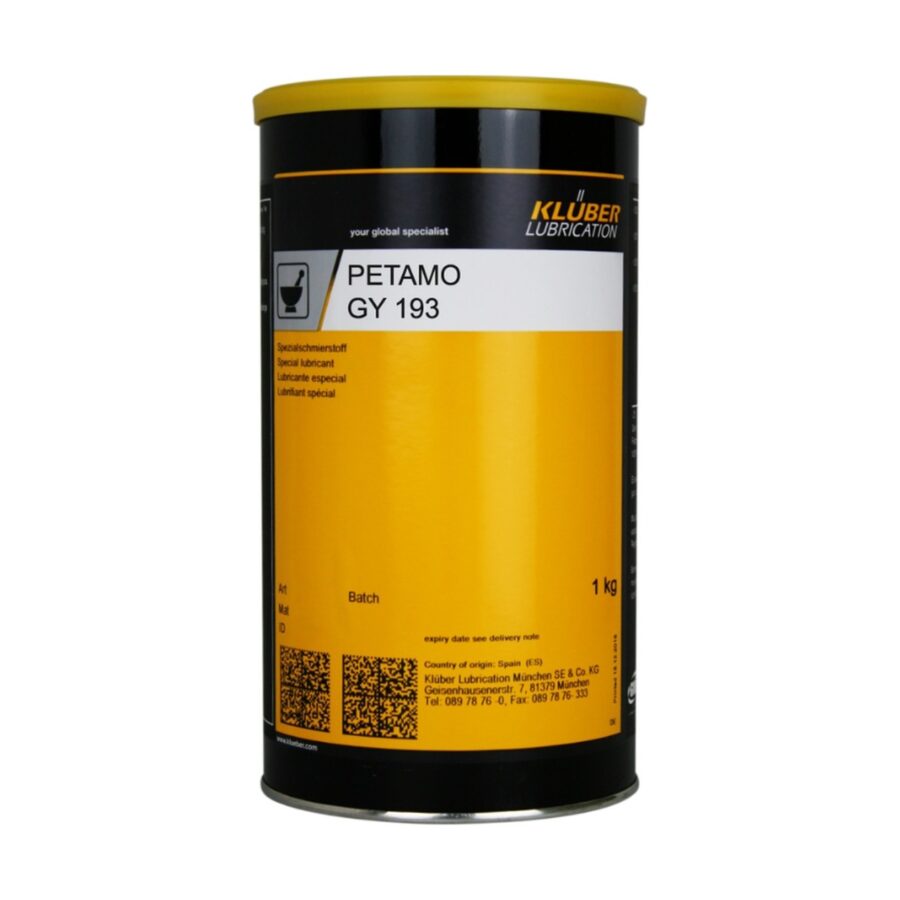
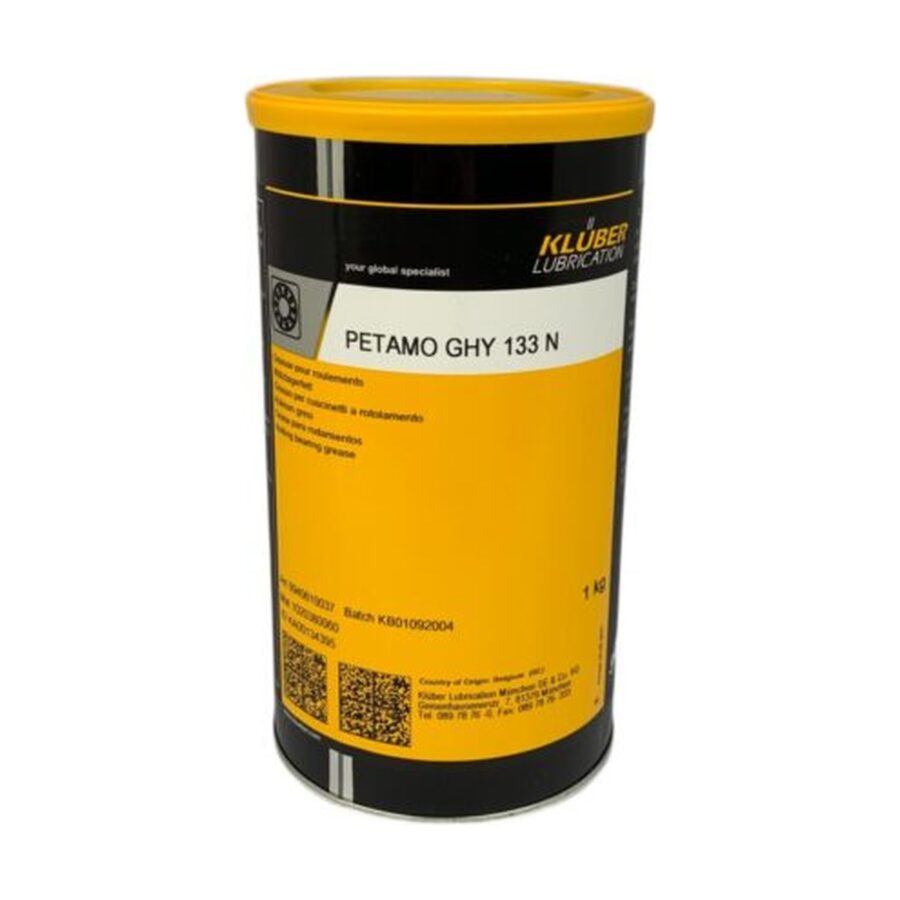
Air-cooled heat exchangers have dozens or hundreds of fans, each with bearings and often belt or gear drives, mounted high above the pipe racks in direct sun. Access is difficult and hazardous. Long-life, high-temperature greases such as PETAMO, extended grease lines to ground level, or automatic single-point lubricators reduce the need to climb. Check grease quantities carefully: over-greasing is as harmful as under-greasing.
Electric motors
Motors are the largest equipment population in the plant. Standardising on one motor grease where makers allow, such as Mobil Polyrex EM, using nameplate quantities with drain plugs open and recording each task prevents many failures. Motors in hazardous areas have ex-certified designs; follow the maker’s maintenance instructions. See Mobil Polyrex EM guide.
Gearboxes
Mixers, cooling tower fans, extruders and other drives use enclosed gearboxes. Hot ambient conditions shorten mineral oil life. Synthetic gear oils such as Mobil SHC 630 extend intervals and reduce temperatures, and desiccant breathers keep out moisture and dust. See Mobil SHC 600 vs Mobilgear 600 XP.
Valves and actuators
Plants have thousands of valves. Gate, globe and ball valve stems, valve gearboxes and actuators need greases with good corrosion protection and, depending on the media, chemical resistance. Plug valves may need dedicated valve sealants. Keeping valves operable is a safety issue: a valve that cannot be closed in an emergency is a serious risk. Include valve lubrication in preventive maintenance.
Flange bolts and turnarounds
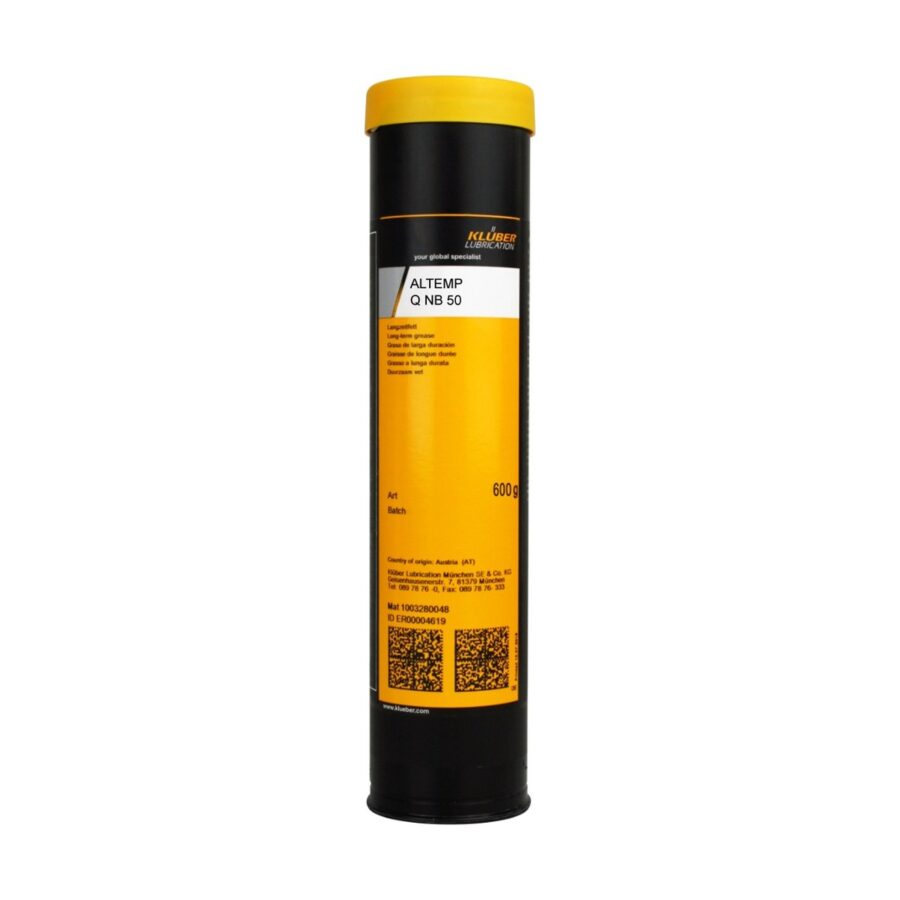
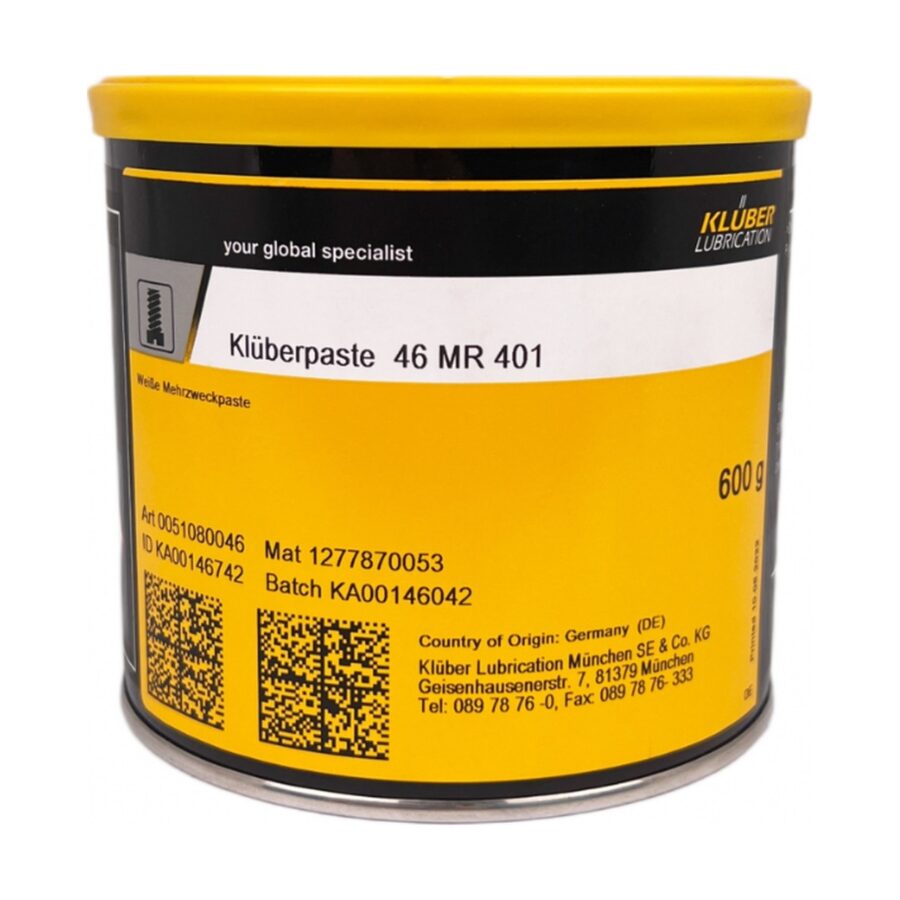
At turnarounds, thousands of flange bolts on hot lines, heat exchangers and reactors must be opened. Seized bolts have to be cut, which costs time and replacement parts. High-temperature anti-seize pastes such as ALTEMP Q NB 50, WOLFRACOAT C or Kluberpaste HEL 46-450, applied at assembly with torque values suited to the paste, let bolts be removed with normal tools at the next turnaround. See assembly paste vs anti-seize.
Lubrication and process safety
In oil and gas plants, lubrication failures can become process safety events. A seized pump bearing can damage a mechanical seal and release hydrocarbons; a compressor bearing failure can cause a trip or fire; an inoperable valve can prevent isolation in an emergency. Treat lubrication of safety-critical equipment as part of the plant’s mechanical integrity programme: identify the critical machines and valves, define their lubrication tasks clearly, record completion and audit the results. Lubricants themselves are also flammable materials, so store and handle them according to site rules, and clean up leaks promptly.
Automatic lubricators in hazardous areas
Single-point automatic lubricators deliver small, regular amounts of grease to bearings, reducing visits to hazardous or hard-to-reach locations. In hazardous areas, use lubricators certified for the zone classification (for example to ATEX or IECEx). Electromechanical units with adjustable output are often preferred over gas-driven units for their consistency. See single-point automatic lubricators.
Contamination and storage
- Store lubricants in a clean, cool, covered store, never outdoors in the sun.
- Use sealed, labelled transfer containers for each oil.
- Filter oil into critical systems.
- Fit desiccant breathers on reservoirs and gearboxes.
- Keep grease guns labelled and dedicated to one product.
Oil analysis and condition monitoring
Combine oil analysis on compressors, turbines and critical pumps with vibration monitoring, thermography and ultrasound. Oil analysis catches contamination and degradation; vibration catches mechanical faults. Together they give early warning on the machines that matter most. See oil analysis basics.
A worked example: a refinery pump population
A refinery in the GCC tracks pump bearing failures and finds that most involve water-contaminated oil or incorrect oil levels. The reliability team upgrades bearing housings with desiccant breathers and better seals on the worst-affected pumps, retrains operators on constant-level oiler settings, changes to a synthetic oil on pumps in hot service and introduces quarterly oil sampling. Over the next two years, pump bearing failures in those units fall substantially.
What are the most common mistakes?
- Setting constant-level oilers incorrectly.
- Using open vents on bearing housings.
- Substituting compressor oils without OEM approval.
- Over-greasing fin-fan and motor bearings.
- Assembling hot flange bolts without anti-seize paste.
Frequently asked questions
How do I reduce lubrication-related failures on pumps?
Keep oil clean and dry, use the right viscosity, avoid over-greasing and monitor bearing condition.
Is oil mist worth it?
For large pump and motor populations, oil mist often reduces failures and maintenance visits. It requires design, maintenance and attention to oil collection.
Which grease for fin-fan bearings?
A long-life, high-temperature grease suitable for the bearing speed, such as a PETAMO grade, applied in correct quantities.
Can automatic lubricators be used in hazardous areas?
Yes, if they are certified for the area classification. Check the certification before installing.
Which paste for flange bolts?
A high-temperature anti-seize paste suitable for the temperature and bolt material, such as ALTEMP Q NB 50 or WOLFRACOAT C.
Conclusion
Oil and gas plants reward disciplined lubrication: clean, dry oil at the right level in pumps, OEM-specified oils in compressors and turbines, long-life greases and automatic lubricators in hard-to-reach places, standardised motor greasing and anti-seize on hot bolts. Combine them with oil analysis and condition monitoring. Browse our gear oils, high-temperature greases and pastes.
Need help applying this to your plant? Send us the equipment details or the product you use now and we will recommend a suitable Kluber or Mobil grade: request a quote and we reply within one business day.