Key takeaways
- Many data sheets state a minimum shelf life from the date of manufacture for storage in unopened original containers.
- Heat speeds up oil separation in greases and oxidation in oils; keep stores shaded and as cool as practical.
- Contamination during storage and handling is a bigger risk than age for opened containers.
- Use first-in, first-out rotation, clear labels and dedicated, clean dispensing tools.
- Keep food-grade (H1) products separate, with their documents on file.
A lubricant that leaves the factory in perfect condition can be ruined long before it reaches a bearing or gearbox. Heat, dust, moisture and careless handling in storage are common causes of contaminated or degraded lubricants. In the UAE and the wider GCC, where storerooms, containers and site cabins can get extremely hot and dusty, storage needs particular attention. This guide covers shelf life, the effects of heat, contamination control and how to set up a lubricant store.
What is the shelf life of greases and oils?
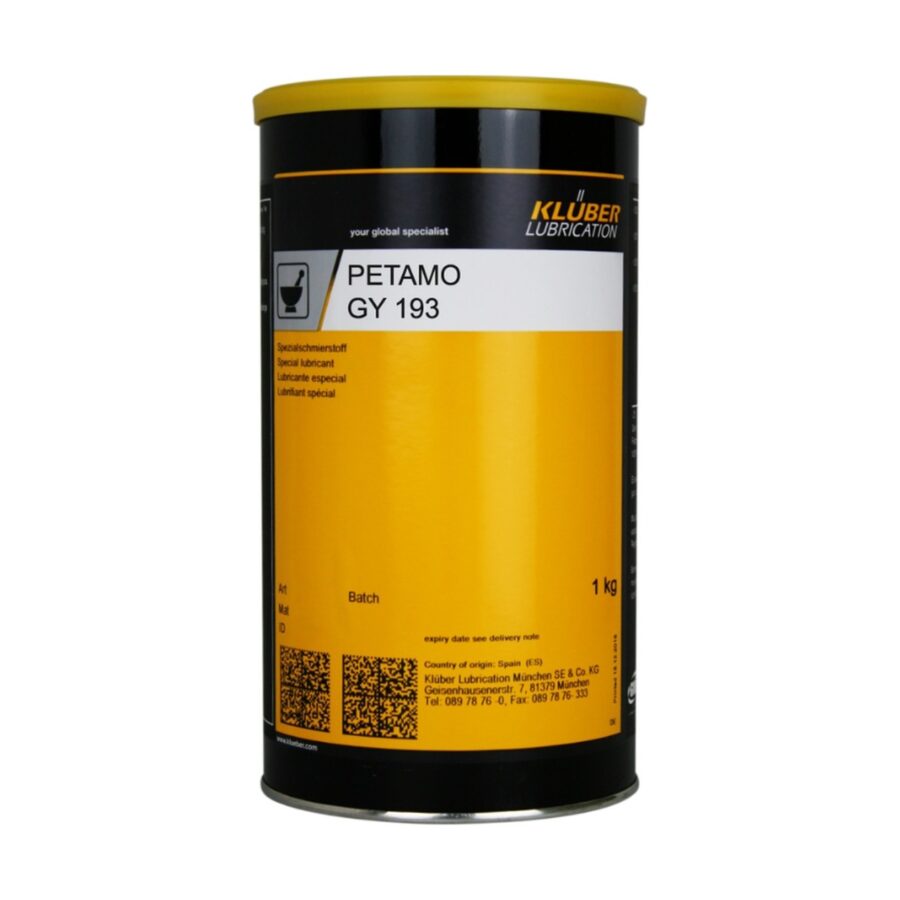
Many lubricant data sheets state a minimum shelf life from the date of manufacture, for example a number of years when stored in a dry, frost-free place in the unopened original container. Kluber data sheets often state this explicitly in the product data table. After that date the product is not automatically unusable, but it should be checked (appearance, consistency and, for critical uses, laboratory tests) before use.
Shelf life assumes reasonable storage conditions. Very high storage temperatures, direct sun, moisture or damaged containers can shorten it considerably.
How does heat affect stored greases?
All greases release a small amount of oil over time; this is called oil separation or bleeding. Heat speeds it up. A thin layer of oil on top of a grease that has been standing is normal and can be gently stirred back in with a clean spatula. Signs that a grease should be checked or replaced include:
- Large pools of separated oil.
- Hardening, cracking or a crust on the surface.
- Change in colour or texture.
- Unusual smell.
- Visible contamination such as dust, water or particles.
How does heat affect stored oils?
Oils oxidise faster at high temperature, even in closed containers, and temperature cycling makes containers “breathe”, drawing in humid air that condenses inside. Drums left outdoors in the sun can see very high internal temperatures and large day–night swings. Store oils indoors, in shade, and keep containers tightly closed.
Contamination: the bigger risk
For opened containers, contamination usually matters more than age. Dust, sand, water and particles from dirty tools reduce bearing and component life far more than gradual ageing. In hydraulic systems, even new oil can contain more particles than modern components tolerate, which is why filtering new oil is recommended.
| Contaminant | Typical source in storage | Prevention |
|---|---|---|
| Dust and sand | Open containers, dirty lids and tools | Keep closed; wipe lids; clean tools |
| Water | Rain on drum lids, condensation, humid air | Store indoors or drums horizontal/covered; desiccant breathers |
| Other lubricants | Shared tools and containers | Dedicated, labelled tools per product |
| Particles | Dirty transfer equipment | Clean, covered transfer containers; filtration |
How do you set up a good lubricant store?
- A shaded, ventilated, dry room, as cool as practical, away from direct sun and heat sources.
- Shelving off the floor; drums on racks or pallets with spill containment.
- Drums stored horizontally with bungs at the 3 and 9 o’clock positions, or upright under cover so water cannot collect on the lid.
- Clear labels on every container and shelf, and a separate area for food-grade (H1) products.
- Dedicated, labelled dispensing tools, pumps and grease guns for each product.
- Filtered transfer systems or filter carts for hydraulic and gear oils where possible.
- Safety data sheets accessible, plus spill kits and fire protection as required.
Stock rotation and records
Use first-in, first-out (FIFO): mark the received date on every container and use the oldest stock first. Review stock regularly for expired, damaged or leaking containers. A simple inventory that lists each product, its location, quantity and date makes ordering easier and prevents both shortages and old stock.
Storage on construction sites and remote locations
Site cabins and containers in the GCC can become extremely hot. Where possible, keep lubricants in insulated or shaded containers, bring only what is needed for a few weeks to site, and keep the main stock in a controlled store. Protect containers from sand with covers, and clean them before opening.
Handling and dispensing
- Wipe lids and nozzles before opening.
- Use clean, dedicated tools and containers for each product.
- Close containers immediately after use.
- Fill grease guns from clean cartridges where possible rather than from open buckets.
- Filter oils when filling hydraulic systems and gearboxes.
- Never leave grease buckets or cartridges in direct sun or closed vehicles.
Food-grade products
Store NSF H1 lubricants separately from conventional products, with clear labels and dedicated tools, and keep their data sheets and registration documents on file for audits. See building a food-grade lubrication programme.
Receiving inspection
Check every delivery before it goes onto the shelf:
- Product name, grade and pack size match the order.
- Seals and caps are intact; containers are not dented, leaking or rusted.
- Labels are clear and consistent, with batch numbers or production dates.
- Mark the received date on each container.
- Store food-grade products directly in their separate area.
Inconsistent labels, damaged seals or missing batch details are reasons to question the supplier; see how to spot counterfeit lubricants.
How do you check older stock before use?
For products near or past their shelf life, a few simple checks help decide whether they can still be used: compare appearance and consistency with fresh product, look for separation, hardening or discolouration, and for oils, check clarity and the absence of water or sediment. For critical applications, a laboratory can test viscosity, acidity and, for greases, consistency and oil separation. When in doubt, especially for critical equipment, replace the product.
Storeroom audit checklist
- Is the store shaded, dry, ventilated and as cool as practical?
- Are all containers closed, labelled and dated?
- Are drums stored to keep water off the bungs?
- Is FIFO rotation followed?
- Are food-grade products stored separately?
- Are dispensing tools dedicated, labelled and clean?
- Are safety data sheets and spill kits available?
- Are expired or damaged containers removed?
Running this checklist monthly takes a few minutes and keeps the lubricant store in good order.
Storage temperature guidance
Lubricant makers generally recommend storing products in a dry place, protected from frost and from high temperatures and direct sunlight; check the storage advice on each data sheet and safety data sheet. In practice, in the GCC this means an indoor, shaded, ventilated store, ideally air-conditioned for high-value synthetic and food-grade products, rather than an outdoor yard or an unventilated metal container. Air conditioning is not always practical for large drum stores, but shading, insulation and ventilation already make a large difference to temperature peaks.
Minimum stock and ordering
Running out of a critical lubricant can stop a line, but overstocking ties up money and risks expired products. Set a minimum stock level for each product based on consumption and supplier lead time, and reorder when stock reaches it. Consolidating to fewer products makes minimum stocks smaller and easier to manage.
Labelling and identification
Clear identification prevents most storage-related mistakes. Label each shelf location, each container and each dispensing tool with the product name. Many plants use a colour or symbol system that matches the labels on lubrication points in the plant, so technicians can see at a glance which product belongs where. Keep the same system for food-grade products, with an obvious marker such as “H1” on every container and tool.
Disposal
Dispose of used and expired lubricants through licensed waste contractors, following local regulations and the safety data sheet. Never pour lubricants into drains or onto the ground.
What are the most common mistakes?
- Storing drums outdoors with bungs upward and no cover.
- Leaving grease buckets open in workshops.
- Using one pump or tool for several oils.
- No received dates on containers.
- Keeping lubricants in hot vehicles or site containers for months.
Frequently asked questions
Is oil on top of my grease a problem?
A thin layer after storage is normal oil separation and can usually be stirred back in carefully. Excessive separation, hardening or discolouration means the grease should be checked or replaced.
How long can I store opened grease?
Use opened containers as soon as practical and keep them tightly closed. Contamination, not age, is the bigger risk for opened grease.
Where do I find the shelf life?
On the technical data sheet; many state a minimum shelf life from the date of manufacture for storage in the unopened original container.
Should new hydraulic oil be filtered?
Yes, where possible: new oil may contain more particles than modern hydraulic components tolerate.
How should drums be stored?
Indoors where possible; otherwise horizontally with bungs at 3 and 9 o’clock, or upright under cover, so water cannot collect on the lid.
Can grease cartridges be stored in a hot workshop?
Short term, yes, but long periods in heat speed up oil separation. Keep the main stock in a cooler store and bring cartridges to the workshop as needed.
Conclusion
Good storage protects your lubricant investment and your equipment. Keep stores shaded, dry and as cool as practical, rotate stock first-in first-out, control contamination with closed containers and dedicated tools, and keep food-grade products separate. In GCC conditions, these simple habits make a measurable difference to equipment reliability.
Need help applying this to your plant? Send us the equipment details or the product you use now and we will recommend a suitable Kluber or Mobil grade: request a quote and we reply within one business day.