Key takeaways
- Every 10 °C rise in operating temperature roughly halves the oxidation life of many oils and greases.
- GCC summer heat adds directly to operating temperatures, so lubricants chosen for cooler climates can run out of margin.
- Synthetic oils and greases, correct viscosity for the real temperature and working coolers are the main defences.
- Prepare before summer: check coolers, oil condition, breathers and relubrication intervals.
- Store lubricants in cool, shaded areas: hot warehouses shorten shelf life and promote oil separation.
Summer in the UAE and the wider GCC brings ambient temperatures of 45 °C to 50 °C, direct sun on outdoor equipment that can push surface temperatures much higher, and, along the coast, high humidity. For lubricants, this is a harsh test. Oils thin out, greases soften and bleed, oxidation accelerates and coolers struggle. Many plants see a peak in bearing, gearbox and hydraulic failures between June and September. This guide explains why heat shortens lubricant life and what to do about it.
How does heat affect lubricants?
| Effect | What happens | Result |
|---|---|---|
| Lower viscosity | Oil thins as temperature rises | Thinner film, more wear, more internal leakage in hydraulics |
| Faster oxidation | Chemical ageing roughly doubles per 10 °C rise | Shorter oil and grease life, sludge, varnish, acids |
| Evaporation | Lighter oil fractions boil off | Thickening, deposits, higher consumption |
| Grease softening and bleeding | Thickener structure weakens; oil separates | Leakage, dry bearings |
| Seal hardening | Elastomers age faster | Leaks, contamination ingress |
| Cooler overload | Cooling capacity falls as ambient rises | Higher oil temperatures system-wide |
What is the 10 °C rule?
A widely used rule of thumb, based on the Arrhenius equation for chemical reactions, says that the oxidation rate of a lubricant roughly doubles for every 10 °C rise in temperature above about 60 °C. In practice, that means an oil that lasts 8,000 hours at 70 °C might last only 4,000 hours at 80 °C and 2,000 hours at 90 °C. Greases follow a similar pattern. A summer that adds 10 °C to your gearbox or bearing temperatures can halve lubricant life, which is why intervals that work in winter may fail in summer.
Where does heat hurt most?
- Outdoor gearboxes and bearings in direct sun.
- Equipment near furnaces, kilns, dryers and ovens.
- Hydraulic power units in enclosed rooms without good ventilation.
- Electric motors in hot plant rooms and pump houses.
- Compressors in poorly ventilated compressor rooms.
- Mobile equipment working in the open.
Bearings: grease choice and intervals
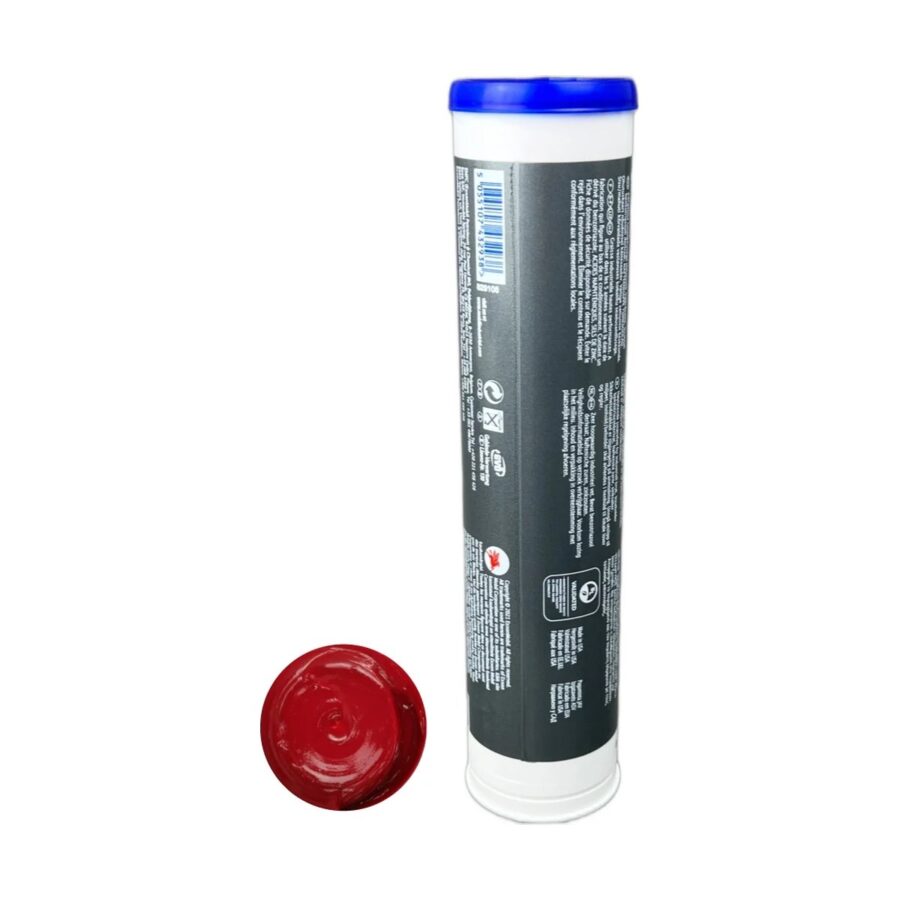
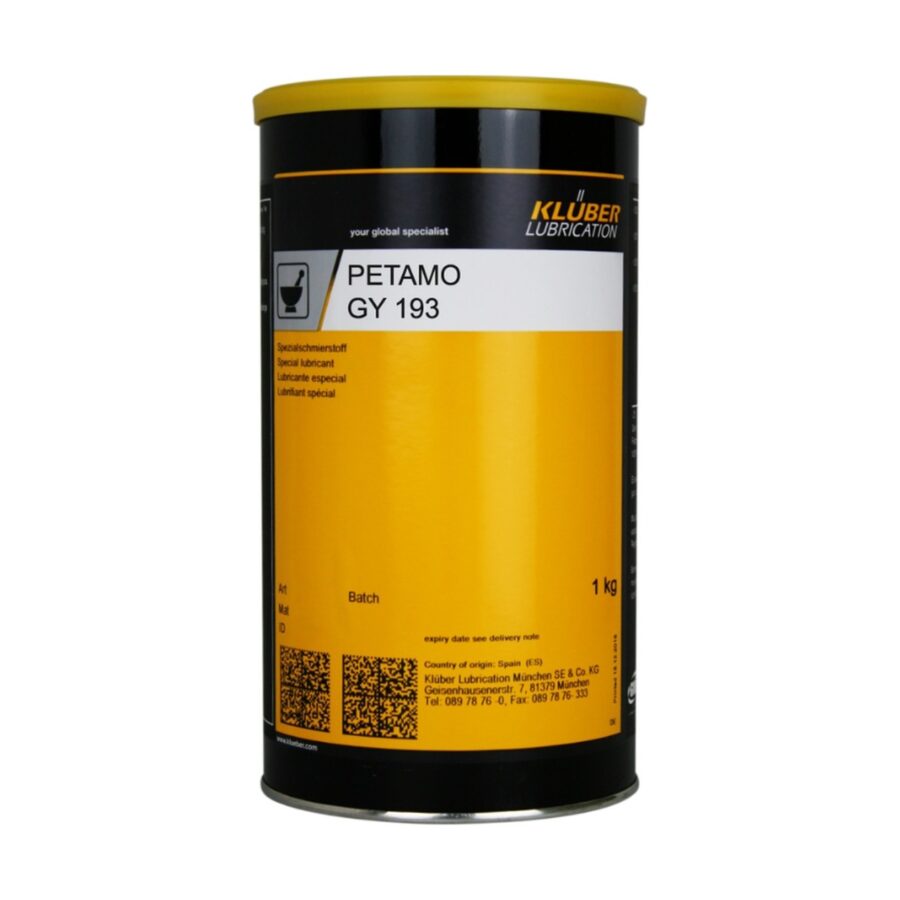
Grease life falls quickly as bearing temperature rises. For bearings running hot in summer, consider synthetic greases such as Mobilith SHC 220, polyurea greases such as PETAMO GY 193, or, for the hottest points, PFPE greases. Shorten relubrication intervals in summer where needed, but do not compensate by adding more grease each time: over-greasing raises temperature further. See high-temperature grease and over-greasing.
Gearboxes: viscosity and synthetic oils
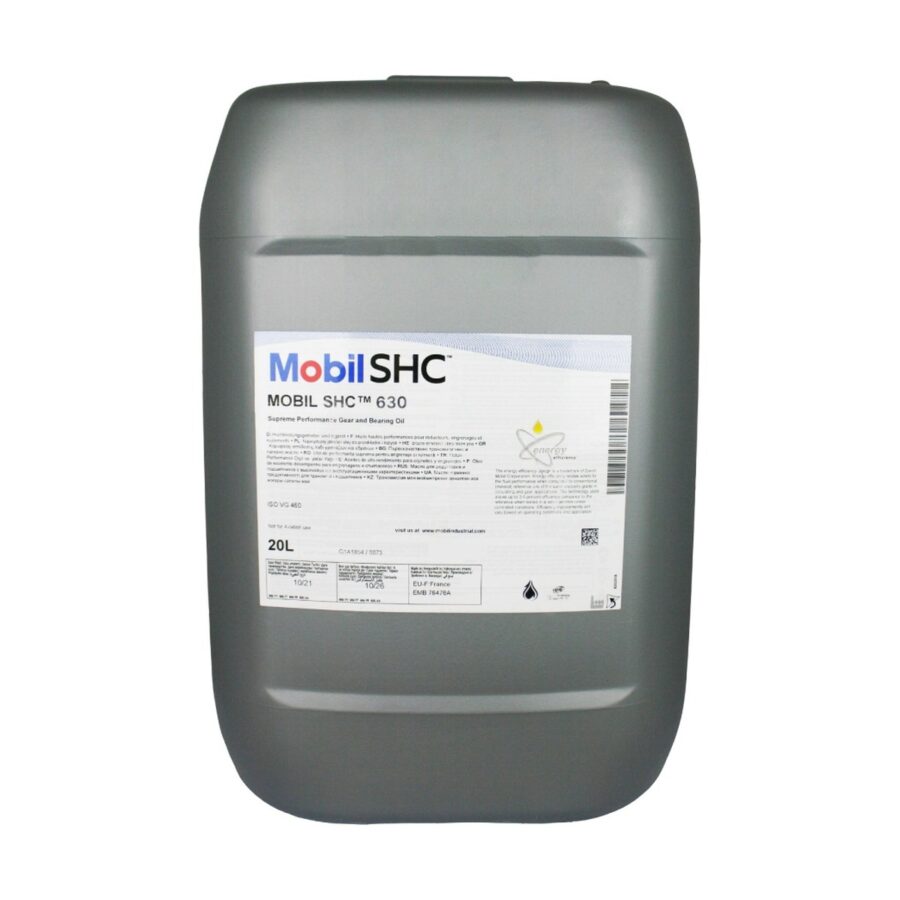
Gearbox oils thin as temperature rises. If a gearbox runs at 85 °C in summer instead of 65 °C, the oil’s viscosity at operating temperature may fall below what the gears need. Two responses are common: choose a synthetic oil with a higher viscosity index, such as Mobil SHC 630, which keeps more viscosity when hot; or, with the gearbox maker’s agreement, move to the next ISO VG grade. Synthetic oils also resist oxidation for much longer. See industrial gear oil selection.
Hydraulics: temperature and viscosity
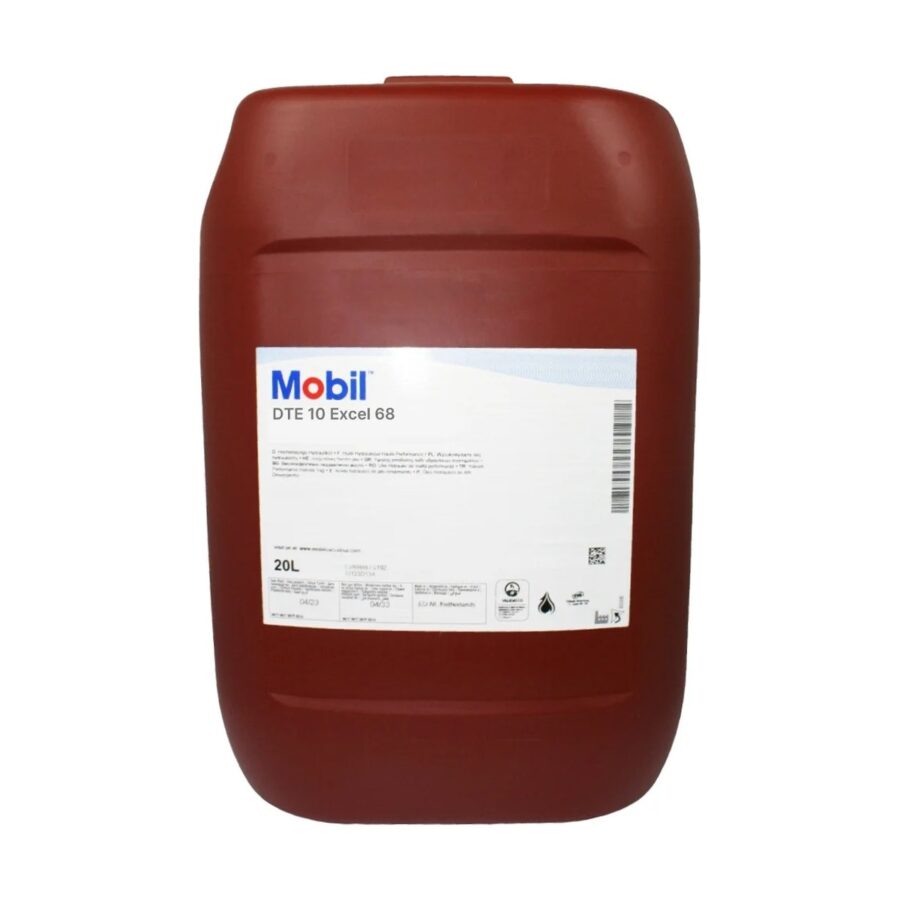
Hydraulic systems are especially sensitive. When oil temperature rises, viscosity falls, internal leakage increases, pumps lose efficiency and cycle times become unstable. Keep coolers clean and working, check fan and water flow, and consider a high-VI oil such as Mobil DTE 10 Excel. See VG 32 vs 46 vs 68 in hot climates.
Electric motors
Motors in hot rooms run hotter bearings and windings. Keep ventilation and cooling fins clean, check that room ventilation works, and use a motor grease with good high-temperature life. Shorter relubrication intervals may be needed in summer. See electric motor bearing grease.
Compressors
Compressor oils face high discharge temperatures. In summer, hot intake air and overloaded coolers push them higher. Clean coolers and intake filters, improve compressor room ventilation, and consider synthetic compressor oils with longer life at high temperatures.
Measuring real operating temperatures
Decisions about lubricants in hot conditions should be based on measured temperatures, not assumptions. Use a contact thermometer or an infrared camera to measure bearing housings, gearbox casings and hydraulic reservoirs during normal production, ideally in the afternoon when temperatures peak. Record readings across the summer to see which machines run closest to their limits. Remember that the oil inside a gearbox or the grease inside a bearing is usually hotter than the outside of the housing. Thermography surveys before and during summer quickly show which equipment needs attention first.
Mineral or synthetic in hot climates?
Mineral oils and greases are perfectly adequate for many machines, but their margin shrinks in GCC summers. Synthetic PAO and ester-based products keep viscosity better at high temperatures, oxidise more slowly and evaporate less. They cost more per litre or kilogram, so focus them where heat causes problems: hot gearboxes, bearings near heat sources, outdoor drives in direct sun, and critical equipment. Use oil analysis and temperature records to identify those machines.
Heat, humidity and condensation
Along the coast, summer nights bring high humidity. Equipment that runs hot during the day cools at night and draws humid air in through vents and seals. The moisture condenses inside gearboxes and tanks, causing rust and water contamination. Desiccant breathers and good seals are just as important in summer as cooling.
How do you prepare equipment for summer?
- Clean and test all oil coolers, radiators and heat exchangers.
- Check cooling water flow and temperatures.
- Clean motor fins and check room ventilation.
- Take oil samples on critical systems and review oxidation and viscosity trends.
- Change degraded oils before the hottest months.
- Check breathers and replace saturated cartridges.
- Review relubrication intervals for hot bearings.
- Check sunshades and covers for outdoor equipment.
- Move lubricant stock into cooler storage.
During summer
- Monitor oil and bearing temperatures more frequently.
- Increase oil analysis frequency on critical systems.
- Watch for leaks: seals harden and fail more often in heat.
- Check automatic lubricators: some deliver more lubricant when hot.
- Keep spare cooler capacity available for critical systems.
Oil analysis as a summer early-warning system
Oil analysis shows heat damage before failures happen. Rising viscosity, acid number and oxidation readings, falling antioxidant levels and darker oil all point to heat stress. Sample critical gearboxes, hydraulics and compressors before summer to set a baseline, then again in mid-summer. Compare the results and change oil, improve cooling or upgrade to synthetic where trends are worst. See oil analysis basics.
Storing lubricants in the heat
Warehouse and container temperatures in the GCC can exceed 50 °C in summer. Heat shortens the shelf life of greases, causes oil separation and can damage containers. Drums left in the sun breathe in moist air as they cool at night. Store lubricants indoors, in the coolest available area, away from roofs and walls exposed to the sun, off the floor and with containers closed. See grease storage and shelf life.
Mobile and outdoor equipment
Construction, quarry and port equipment works in direct sun all day. Engine, transmission and hydraulic oils run hot. Follow the equipment maker’s recommendations for hot climates, which often include higher viscosity grades or synthetic oils, keep radiators clean of dust, and check oil levels daily.
A worked example: a conveyor gearbox fleet
A logistics hub in Dubai has dozens of outdoor conveyor gearboxes on mineral ISO VG 220 oil. Every summer, several gearboxes overheat and the oil darkens quickly. The maintenance team fits simple sunshades over the worst-affected gearboxes, changes them to Mobil SHC 630 (also ISO VG 220) after draining, fits desiccant breathers and samples oil quarterly. Summer gearbox temperatures drop, oil analysis shows much slower oxidation and summer failures fall.
What are the most common mistakes?
- Keeping winter relubrication intervals through summer.
- Adding extra grease to “cool” a hot bearing.
- Ignoring dirty coolers.
- Storing drums outside in the sun.
- Increasing viscosity without checking the equipment maker’s limits.
Frequently asked questions
Should I change to a thicker oil in summer?
Not automatically. A higher-VI synthetic oil in the same grade, or a higher grade approved by the equipment maker, are both options. Check viscosity at operating temperature.
Do synthetic lubricants really help in GCC heat?
Yes. Synthetic oils and greases resist oxidation and keep viscosity better at high temperatures, which extends life and protection.
How hot is too hot for a gearbox?
Many gearbox makers set limits around 80–90 °C oil temperature for mineral oils. Check your gearbox maker’s guidance.
Should relubrication intervals change in summer?
Often yes, for hot bearings. Shorter intervals with correct quantities are better than larger amounts.
How should lubricants be stored in summer?
Indoors, in the coolest available area, off the floor and with containers closed.
Does heat affect grease in automatic lubricators?
Yes. Gas-driven units deliver faster when hot, and grease can bleed oil in very hot conditions. Use units rated for the temperature and check them more often in summer.
Conclusion
Summer heat in the GCC halves lubricant life on many machines. Prepare before the hot months, choose synthetic products and correct viscosities for real operating temperatures, keep coolers working, adjust intervals and store lubricants in cool conditions. Browse our synthetic long-term greases and gear oils.
Need help applying this to your plant? Send us the equipment details or the product you use now and we will recommend a suitable Kluber or Mobil grade: request a quote and we reply within one business day.