Key takeaways
- Use this checklist for a self-audit before food-safety, Halal or customer audits.
- It covers eight areas: products, receiving, storage, tools, application, equipment by line, documentation and people.
- Each “no” answer is an action item; prioritise those in product zones.
- Repeat the review at least once a year and after major changes.
- Most gaps are practical (labels, tools, substitutes), not product choice.
Food and beverage plants are audited regularly against HACCP, ISO 22000, FSSC 22000, BRCGS, IFS, Halal and customer standards, and lubricants are part of every one of these audits. This checklist helps maintenance and quality managers review lubrication area by area, find gaps and fix them before an auditor does. It complements our step-by-step guide to building a food-grade lubrication programme. See also our food and beverage industry page.
How should you use this checklist?
- Walk the plant with a maintenance and a quality representative.
- Answer each item yes or no, and note evidence.
- Record every “no” as an action with an owner and date.
- Prioritise actions in product and splash zones.
- Repeat the review annually and after major changes such as new lines.
1. Products
- Every lubricant used in production areas is listed, with its NSF category.
- All lubricants in product and splash zones are NSF H1 registered for the exact grade.
- Halal and Kosher status is documented where required.
- Each product suits the temperature, load, speed and water exposure of its points.
- The number of products has been consolidated to a practical minimum.
- Approved alternatives are listed for critical products, to avoid unapproved substitutes.
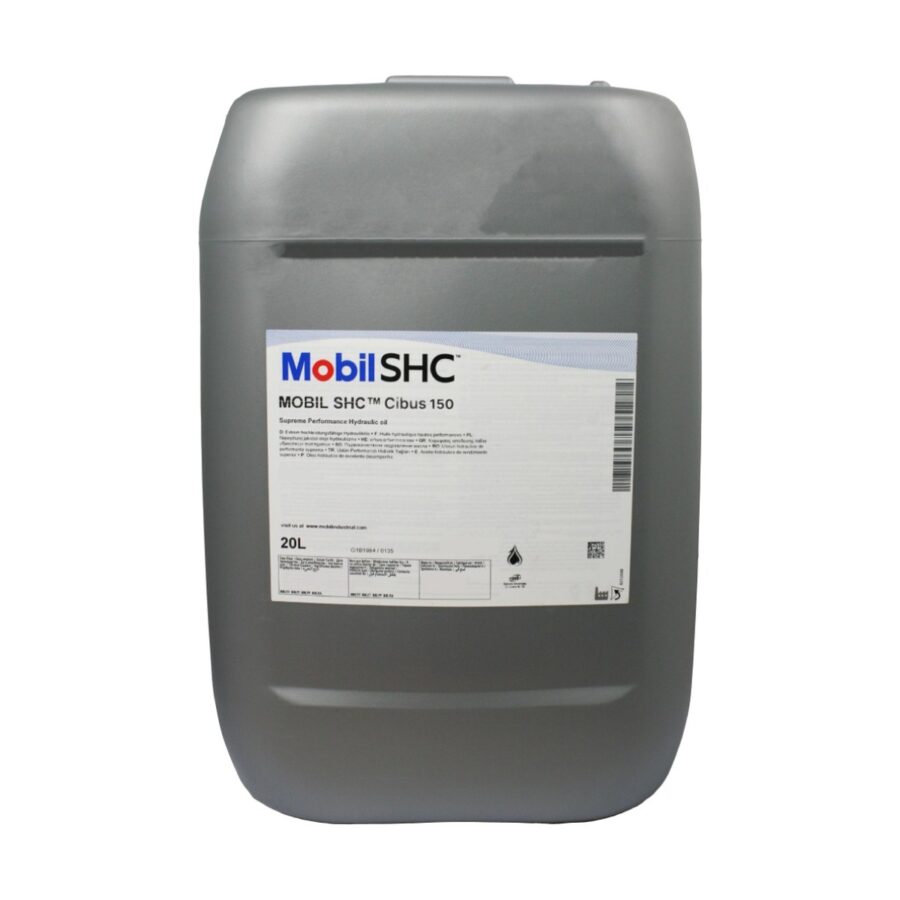
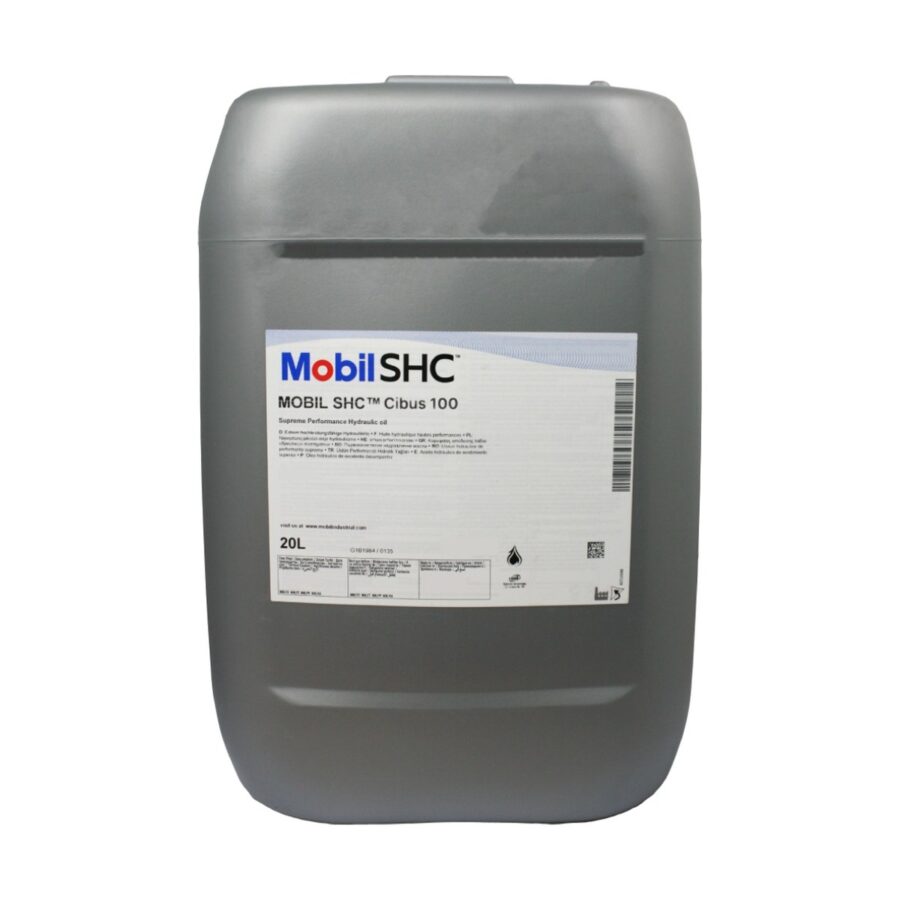
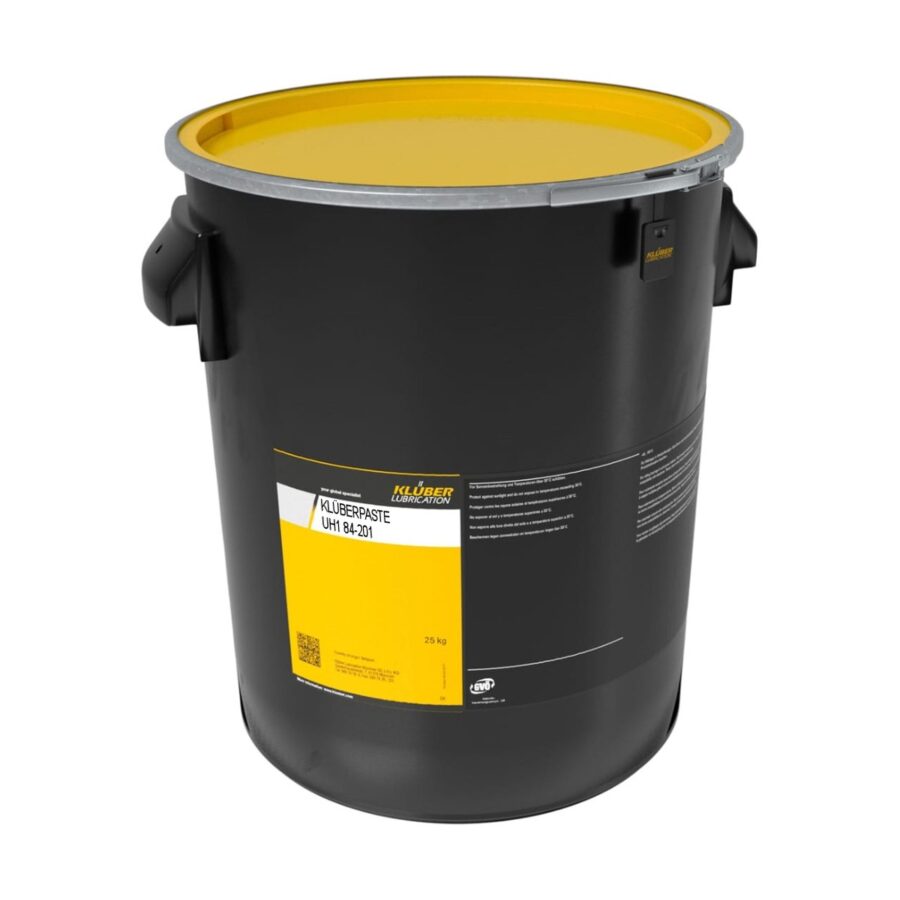
Typical H1 sets include Mobil SHC Cibus oils for gearboxes and hydraulics, an H1 bearing grease, a high-temperature H1 grease such as BARRIERTA L 55 for ovens, and an H1 paste such as Kluberpaste UH1 84-201. See NSF H1 vs H2 vs H3.
2. Receiving
- Incoming lubricants are checked against the approved list.
- Labels, grades and pack condition are checked on delivery.
- Substitute products are rejected unless approved in writing.
- Batch numbers are recorded for critical products.
- Documents (TDS, SDS, NSF, Halal) are received or confirmed for new products.
3. Storage
- H1 lubricants are stored separately from non-food-grade lubricants.
- The store is clean, dry, covered and away from heat and direct sun.
- Containers are closed and labelled.
- Stock rotation (first in, first out) is followed.
- Shelf life is checked, and expired stock is removed.
- Spill kits and SDS are available.
4. Tools and transfer equipment
- Each grease gun is dedicated to one product and labelled.
- Oil cans, pumps and transfer containers are dedicated and labelled.
- Colour or symbol codes match those at lubrication points.
- Tools are clean and stored away from contamination.
- Contractors use the plant’s tools and lubricants, not their own.
5. Application
- Every lubrication point is labelled with the product to use.
- Quantities and intervals are defined for each point.
- Over-lubrication is avoided; excess is wiped off immediately.
- Automatic lubricators are set and checked regularly.
- Lubrication tasks are recorded.
- Lubrication after washdown follows a defined procedure where needed.
6. Equipment by area
| Area | Check |
|---|---|
| Processing (mixers, cookers, extruders) | Gearboxes on H1 oils; seals intact; no leaks above product |
| Ovens, fryers, dryers | High-temperature H1 greases rated for measured temperatures; chains not over-oiled |
| Filling and capping | H1 lubricants; minimal quantities; clean surroundings |
| Conveyors | H1 chain and bearing lubricants; drip trays where needed |
| Packaging | H1 lubricants near open product and packaging materials |
| Hydraulics | H1 hydraulic oils where leaks could reach product; no leaks |
| Compressors and air | Suitable compressor oil; air treated where it contacts product |
| Cold stores and chillers | Lubricants suitable for low temperatures |
7. Documentation
- TDS, SDS and registration details are on file for every product.
- Halal and Kosher documents are current where required.
- The lubricant list shows where each product is used.
- Lubrication records are kept and up to date.
- Changes to products or points are reviewed and approved before they happen.
- Lubricants are included in the HACCP hazard analysis.
- Lubricants are included in internal audits.
8. People
- Maintenance staff are trained on the programme and procedures.
- Operators who lubricate are trained on their tasks.
- Contractors are briefed before work.
- Responsibilities for the lubricant list and documents are assigned.
- New staff receive lubrication training as part of induction.
Hidden lubrication points
Some lubrication points are easy to miss in a survey, and they often hold the wrong product. Look for: gearboxes inside machine guards, chains on hidden transfer conveyors, linear guides and ball screws on packaging machines, door hinges and latches on ovens and cold rooms, valve actuators on CIP systems, vacuum pumps, and lubricators in compressed air lines that feed product-contact equipment. Include each one in the lubricant list.
What do auditors often ask about lubricants?
- How do you know which lubricant is used at each point?
- Show me the registration evidence for the lubricant on this machine.
- How do you prevent a non-food-grade lubricant from being used here?
- How are contractors controlled?
- What happens when a product is out of stock?
- How are lubricants included in your hazard analysis?
- When was the lubricant list last reviewed, and by whom?
If the team can answer each question with evidence on the shop floor and in the documents, the lubrication section of the audit usually goes smoothly.
Linking the checklist to HACCP
Lubricants are a chemical hazard in the HACCP hazard analysis. The controls in this checklist are usually managed as prerequisite programmes rather than critical control points: approved product lists, segregation, labelling, procedures and training. Record the checklist results as verification of those prerequisite programmes, and feed significant findings, such as a non-H1 lubricant found in a product zone, into the corrective action system.
Turning findings into an action plan
List every “no” answer with the area, the risk, the action, the owner and the target date. Close high-priority items in product zones first, ideally within days. Group similar actions, such as labelling all grease guns, so they can be done in one effort. Review progress weekly until all high-priority items are closed, then monthly. Keep the completed action list as evidence for auditors.
New equipment and projects
New machines often arrive filled with conventional lubricants from the factory. Include lubrication in the commissioning checklist: identify all points and products, change to approved H1 products before production, label the points and update the lubricant list. Specify H1 lubricants in purchase orders for new equipment so the maker fills machines correctly.
Lubricants and allergen, foreign-body and chemical controls
Lubrication touches several food-safety programmes at once. Grease and oil are chemical hazards; flakes of hardened grease or broken grease nipples can be foreign bodies; and some lubricant ingredients can raise allergen or dietary questions for specific customers. Review lubricant control alongside these programmes so that, for example, glass and brittle plastics checks include lubricator reservoirs and sight glasses, and foreign-body checks include grease nipple caps and lubricator fittings above open product.
Keeping the checklist alive
A checklist only works if it is used. Assign an owner, put the annual review in the maintenance calendar, and add a short lubrication walk to monthly hygiene inspections. Update the checklist when new equipment, products or standards appear.
Scoring and priorities
| Priority | Typical gaps |
|---|---|
| High | Non-H1 lubricant in product or splash zones; unlabelled grease guns; leaks above product |
| Medium | Missing documents; no approved alternatives; storage not separated |
| Low | Records incomplete for non-critical points; training refresh overdue |
Common gaps found in audits
- Contractors bringing their own lubricants.
- One grease gun used for several products.
- New machines still running on factory-fill conventional lubricants.
- Expired Halal certificates.
- Substitute products accepted from suppliers without checking.
A worked example: a juice plant self-audit
A juice plant in the UAE runs this checklist before its FSSC 22000 surveillance audit. It finds three high-priority gaps: a conventional grease on a capper above open bottles, two unlabelled grease guns and a new filler still on its factory-fill gear oil. Within two weeks, the capper is converted to an H1 grease, the guns are labelled and dedicated, and the filler gearbox is drained and refilled with Mobil SHC Cibus. The documents are updated and the audit closes with no lubrication findings.
Frequently asked questions
How many H1 products does a typical plant need?
Often five to ten products cover most points: oils in a few viscosity grades, two or three greases, a paste and a chain lubricant.
How often should we run this checklist?
At least once a year, before major audits and after significant changes.
Who should do the review?
A maintenance and a quality representative together, so both technical and food-safety views are covered.
What if a machine maker specifies a non-H1 lubricant?
Ask the maker to approve an H1 alternative of the same type and viscosity, and document the approval.
Can you help us close gaps?
Yes. Send us your lubricant list and machine list, and we will propose H1 products and supply documents.
Do lubricants need to be in the HACCP plan?
Yes. They should appear in the hazard analysis as a potential chemical hazard, usually controlled through prerequisite programmes such as approved products, segregation and training.
Conclusion
A simple, honest walk through this checklist finds most lubrication gaps in a food or beverage plant. Fix high-priority items in product zones first, keep documents current, control tools and substitutes, and train people. Browse our food-grade lubricants.
Need help applying this to your plant? Send us the equipment details or the product you use now and we will recommend a suitable Kluber or Mobil grade: request a quote and we reply within one business day.