Key takeaways
- NSF H1, Halal and Kosher answer different questions: food safety on incidental contact versus ingredient origin and production.
- A lubricant can be NSF H1 registered without being Halal or Kosher certified, and the reverse.
- GCC food plants exporting or supplying retailers are often asked to show Halal status for lubricants in product zones.
- Ask for a current certificate or manufacturer statement that names the exact product, not just the product family.
- Keep Halal and Kosher documents in the same lubricant file used for HACCP and food-safety audits.
For food and beverage producers in the GCC, Halal compliance is a basic requirement of customers, retailers and regulators. Lubricants are not food, but those that may come into incidental contact with food are part of the wider picture, and auditors from Halal certification bodies and major customers increasingly ask about them. Plants that export to Jewish-majority markets or supply global brands may also be asked about Kosher status.
This guide explains how Halal and Kosher requirements relate to food-grade lubricants, how they differ from NSF H1 registration, and which documents to request.
Three separate questions
| Question | Answered by | What it covers |
|---|---|---|
| Is it safe if incidental food contact occurs? | NSF H1 registration (and ISO 21469 for manufacturing hygiene) | Permitted ingredients and limits for incidental contact |
| Is it permissible under Islamic dietary law? | Halal certification or manufacturer statement | Ingredient origin, absence of prohibited materials, production controls |
| Is it permissible under Jewish dietary law? | Kosher certification | Ingredient origin and production supervision |
Because these questions are independent, a product can be H1 without being Halal, Halal without being H1, or all three. Food plants in product zones generally need the lubricant to be H1, and many also need it to be Halal.
Why can lubricants raise Halal questions?
Most modern lubricants use mineral or synthetic base oils that raise no Halal concerns. Questions arise from some thickeners and additives, which can be made from animal fats, and from shared production equipment. Examples include:
- Fatty acids and soaps used to make lithium, calcium and aluminium complex greases, which can be animal or vegetable derived.
- Esters and other synthetic base stocks that may use animal-derived feedstocks.
- Glycerine and other by-products from fat processing.
- Alcohol-based solvents or carriers in some sprays.
- Cross-contamination from equipment that also handles non-Halal materials.
Certification checks the origin of each ingredient and the controls in production, so the plant does not have to investigate the chemistry itself.
Halal standards in the GCC
GCC countries base Halal requirements on Gulf standards such as GSO 2055-1 (general requirements for Halal food) and on national schemes. In the UAE, the Ministry of Industry and Advanced Technology (MoIAT) runs the national Halal system, and certification bodies are accredited for it. Saudi Arabia, through the SFDA and its Halal Center, has its own requirements for products sold in the Kingdom. Requirements and accepted certification bodies can change, so check the current rules for your market and your customers’ expectations.
Large retailers, quick-service restaurant chains and multinational brands often add their own requirements on top of the national rules. Their supplier audits may ask for Halal evidence for every chemical used in production, including lubricants, cleaning agents and pest-control products, so it pays to collect the documents before the audit date rather than during it.
Most of these schemes focus on food itself. For lubricants, food plants usually rely on a certificate from a recognised Halal certification body, or a clear manufacturer statement, as part of their own Halal assurance system.
Kosher certification
Kosher certification for lubricants is issued by Kosher agencies that review ingredients and production. Some food-grade lubricants carry Kosher status, sometimes with a “pareve” designation, meaning neutral (neither meat nor dairy). Plants that produce Kosher-certified food for export, or supply global brands with Kosher lines, are usually asked to show that lubricants in product zones are Kosher.
Which documents should you ask for?
- A current Halal certificate issued by a recognised certification body, or a signed manufacturer statement.
- The exact product names and grades covered, ideally matching your purchase order.
- The issue date, expiry date and scope of the certificate.
- The production site or sites covered.
- Kosher certificate if required, with the agency name.
- The NSF H1 registration evidence, kept alongside the Halal and Kosher documents.
Check that the certificate covers the exact grade you buy. A product family may include grades with different formulations, and a certificate for one grade does not automatically cover the others.
What our product data says
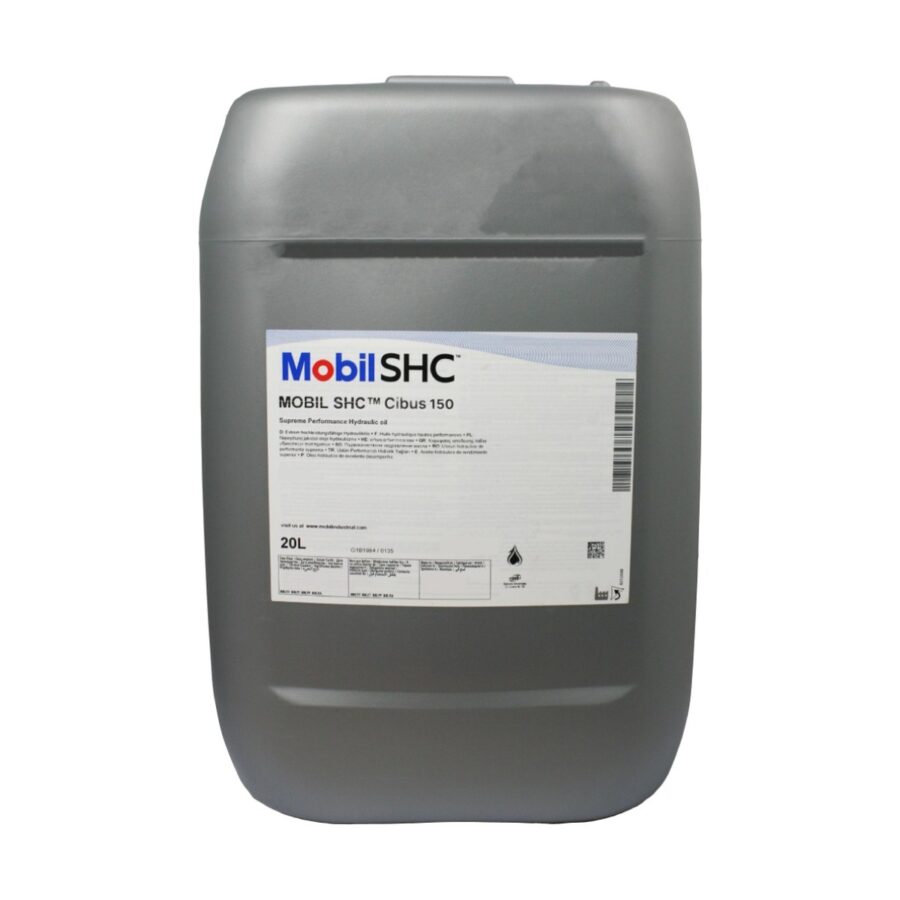
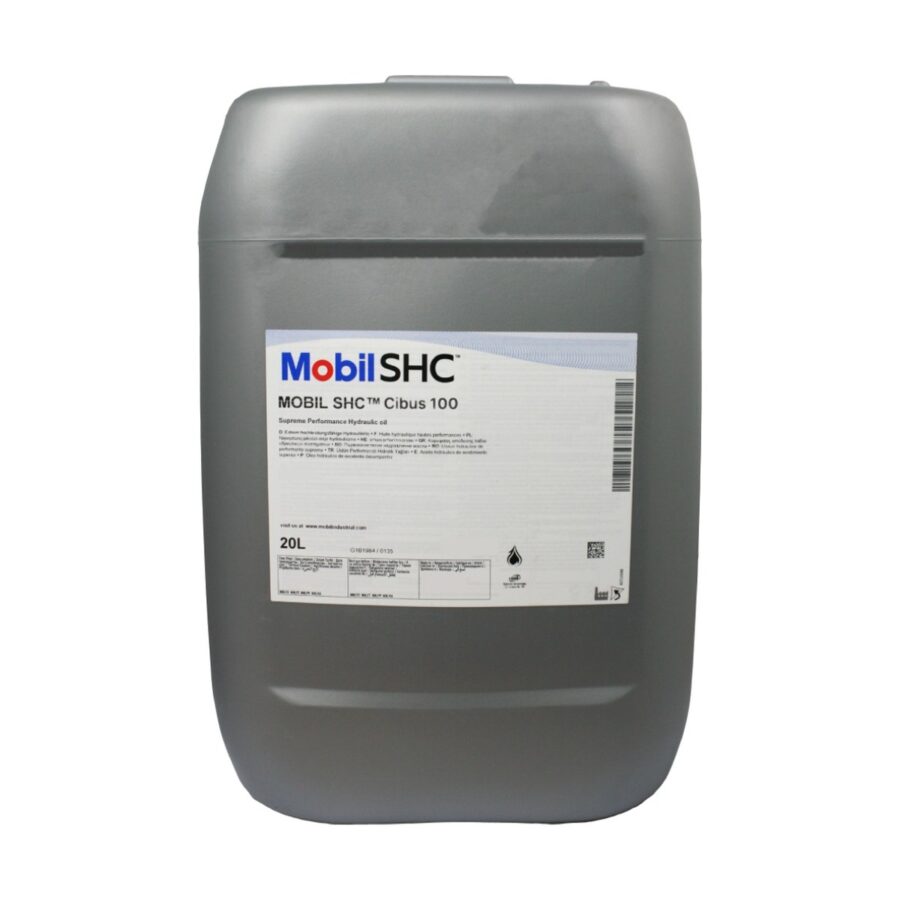
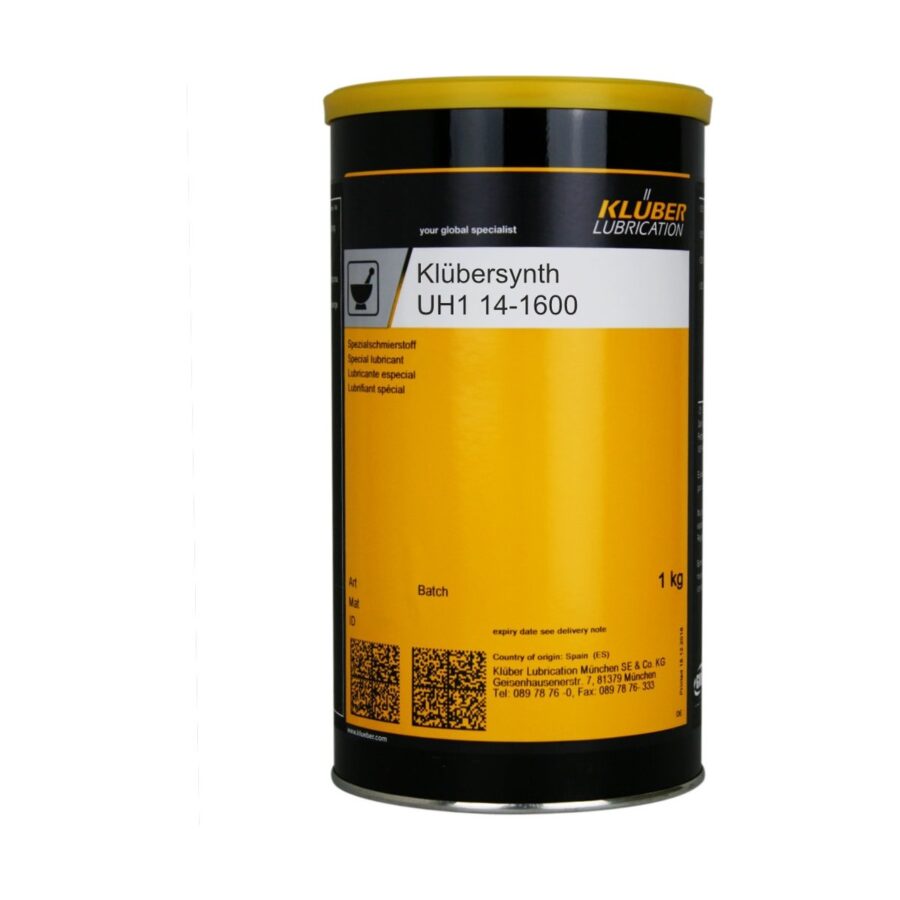
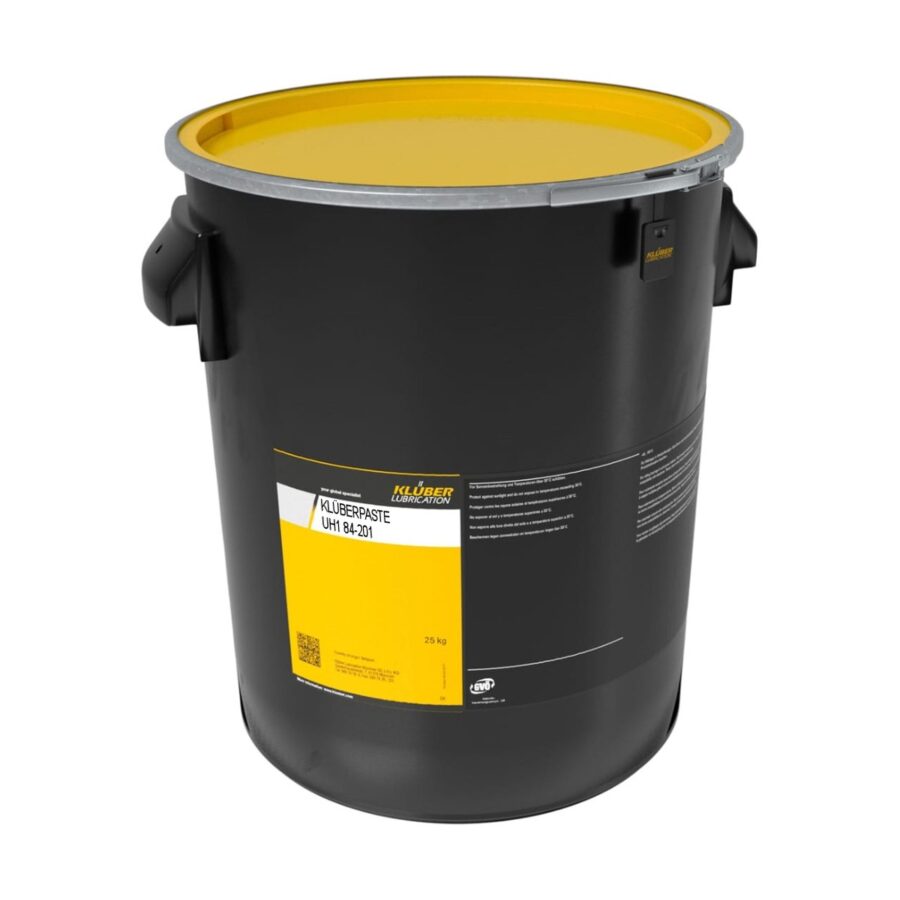
The product data for Mobil SHC Cibus synthetic oils states that they are Kosher and Halal compliant, as well as NSF H1 registered. For Kluber food-grade products such as Klubersynth UH1 greases and Kluberpaste UH1 pastes, and for other products, ask us when you request a quote. We will request the relevant documents from the manufacturer for the exact grades you need. See the full food-grade lubricant range.
Building Halal into your lubrication programme
- Add a “Halal status” column to your lubricant list next to NSF category.
- Decide which zones require Halal lubricants (often the same as H1 zones).
- Request and file documents for every product in those zones.
- Add Halal status to purchase specifications so substitutes are checked before they arrive.
- Review certificates each year and renew expired documents.
- Train storekeepers not to accept unapproved substitutes.
Our guide to building a food-grade lubrication programme covers the full system.
Questions to ask your lubricant supplier
Before you approve a product for a Halal zone, ask your supplier these questions and keep the answers on file:
- Is there a current Halal certificate for this exact grade, and which body issued it?
- If there is no certificate, will the manufacturer provide a signed statement on ingredient origin?
- Are any thickeners, esters or additives derived from animal sources?
- Which production sites make the product, and does the certificate cover all of them?
- Will you notify us if the formulation, production site or certification status changes?
- Is the product also NSF H1 registered, and Kosher certified if we need it?
- Can you supply the documents with each delivery or on request for audits?
A supplier who cannot answer these questions clearly is a risk for a Halal-certified plant, however good the price. Record the answers, the date and the name of the person who gave them, so the evidence is ready when an auditor asks.
Halal status and product substitution
One of the most common gaps appears when a product is out of stock. A storekeeper or contractor accepts a “similar” grease or oil, the machine runs normally, and nobody checks its Halal or H1 status until an auditor asks. Prevent this with a simple rule: no substitute enters a production area until the maintenance or quality manager has checked its documents. Add the approved alternatives for critical products to your lubricant list in advance, so that a substitution can happen quickly without breaking the rule.
A worked example: a meat processor preparing for an audit
A meat processing plant in the UAE prepares for its Halal certification renewal. The auditor asks how lubricants in the cutting and packing rooms are controlled. The plant’s lubricant list shows NSF H1 status for all products but no Halal information. The team asks its suppliers for documents and finds that two of nine products cannot be supported with Halal documentation. Both are replaced with documented alternatives of the same viscosity and NLGI grade. The Halal certificates are filed with the TDS, SDS and NSF evidence, and the purchase specification is updated so that future orders must include Halal status.
What are the most common mistakes?
- Assuming “food-grade” or “H1” means Halal.
- Accepting a certificate for a product family without checking the grade.
- Letting certificates expire without renewal.
- Accepting substitute products from suppliers without checking documents.
- Keeping Halal documents in a different place from other lubricant records.
Frequently asked questions
Are all food-grade lubricants Halal?
No. Food-grade (H1) and Halal are different criteria. Check each product’s documentation.
Are mineral oil lubricants automatically Halal?
The base oil is not usually a concern, but thickeners, additives and production can be. Rely on certification or a manufacturer statement rather than assumptions.
Do lubricants need a Halal logo on the pack?
Not always. Many plants accept a certificate or manufacturer statement kept on file. Follow your certification body’s and customers’ requirements.
What does pareve mean on a Kosher lubricant?
It means the product is neutral, containing neither meat nor dairy ingredients, so it can be used where either is processed.
Can you supply Halal documentation?
Ask in your quote request which documents you need, and we will confirm what is available for the products.
How often should Halal documents be reviewed?
At least once a year, and whenever a product, supplier or production site changes. Many certificates have an expiry date, so diary the renewal dates in your lubricant list.
Conclusion
Halal and Kosher status are separate from NSF H1 registration, and GCC food plants often need all of them in product zones. Ask for current certificates or manufacturer statements that name the exact grades, file them with your other lubricant documents, build Halal status into purchase specifications, and review them every year. That keeps both your food-safety and your Halal audits straightforward.
Need help applying this to your plant? Send us the equipment details or the product you use now and we will recommend a suitable Kluber or Mobil grade: request a quote and we reply within one business day.