Key takeaways
- Buy to a specification: exact product name and grade, plus any OEM approvals, NSF H1 or Halal requirements.
- Insist on original, traceable products with intact packaging, batch numbers and current documents.
- Compare suppliers on total value: correct product, availability, lead time, documents and technical support, not just unit price.
- Choose pack sizes that suit consumption and storage, and plan for lead times on speciality products.
- Store and handle lubricants correctly after delivery: heat and contamination can ruin good products.
Buying industrial lubricants looks simple: find the product, compare prices, place the order. In practice, a wrong grade, a non-original product, a missing certificate or a long lead time on a speciality grease can cause equipment failures, audit findings or production stops that cost far more than the lubricant itself. This guide gives procurement and maintenance teams in the UAE and wider GCC a practical checklist for buying industrial lubricants. If you are looking for a specific product, browse our product catalogue or send a request a quote.
Who should be involved in buying lubricants?
Lubricant purchasing works best as a joint effort. Maintenance or reliability engineers define the technical requirement; procurement manages suppliers, prices and contracts; quality or HSE teams check documents such as SDS, NSF H1 and Halal certificates; and storekeepers manage receiving and storage. Agree who approves product changes, so substitutions do not happen by accident.
1. Define exactly what you need
- Full product name and grade, for example “Mobilux EP 2”, not just “EP grease”.
- Viscosity grade (ISO VG) for oils, or NLGI grade and base-oil viscosity for greases.
- Any OEM approvals or specifications required by equipment makers.
- Food-grade (NSF H1), Halal, Kosher or other requirements.
- Quantity and pack size.
- Required delivery date and location.
A clear specification makes quotes comparable and prevents suppliers from offering “equivalents” that may not be suitable.
2. Original and traceable products
Counterfeit and non-original lubricants exist in many markets. They may look right but contain the wrong base oil, missing additives or recycled oil. Buy from suppliers who can show where products come from, supply in original, sealed packaging with batch numbers, and provide current documents. See how to spot counterfeit lubricants.
3. Documents to request
| Document | Why you need it |
|---|---|
| Technical data sheet (TDS) | Confirms the product matches the specification |
| Safety data sheet (SDS) | Required for safe handling, storage and HSE compliance |
| NSF H1 registration evidence | For food and beverage applications |
| Halal / Kosher certificates | Where required by customers or markets |
| Certificate of analysis or batch details | For critical applications and traceability |
| OEM approval letters | Where equipment makers require approved products |
4. Pack sizes
Choose pack sizes that match consumption and storage. Large drums and buckets cost less per litre or kilogram, but if they take months to use, the product may degrade or be contaminated after opening. Small packs, such as cartridges and tubes, are cleaner and easier to handle but cost more per unit. For speciality greases used in small quantities, such as spindle greases or high-temperature pastes, small packs often give better value overall.
| Pack | Typical use |
|---|---|
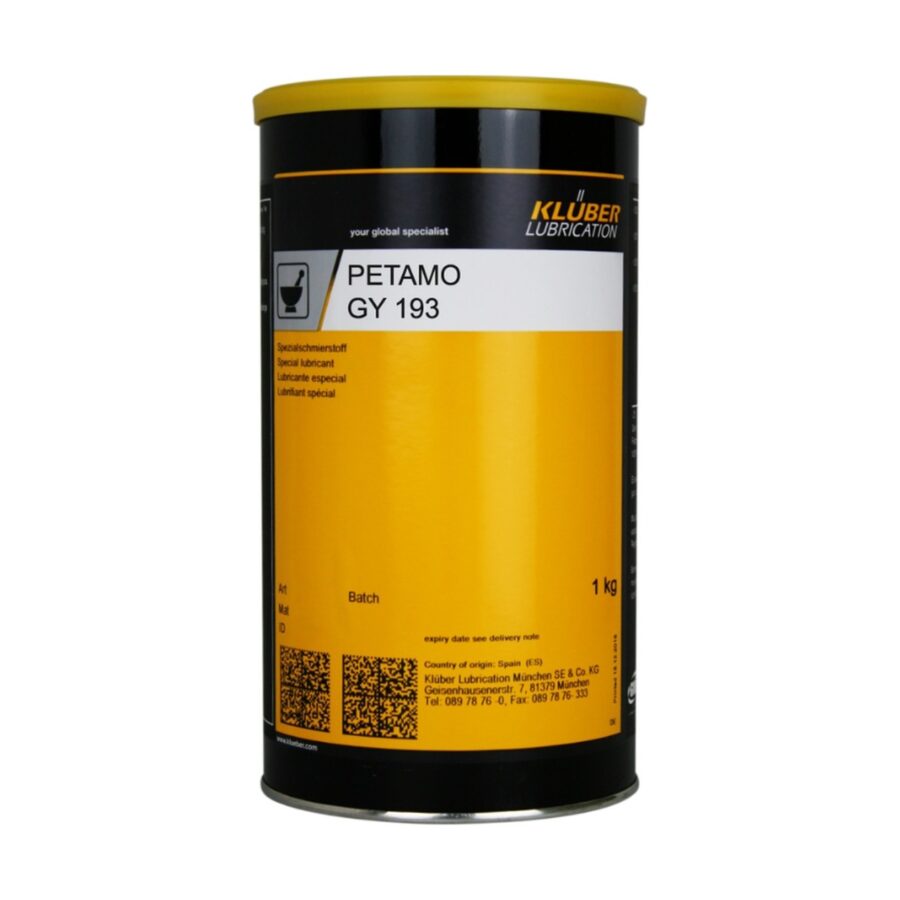
| Tubes and small tins (50 g – 1 kg) | Speciality greases and pastes, workshops, small consumption |
| Cartridges (370 – 400 g) | General greasing with grease guns; clean and convenient |
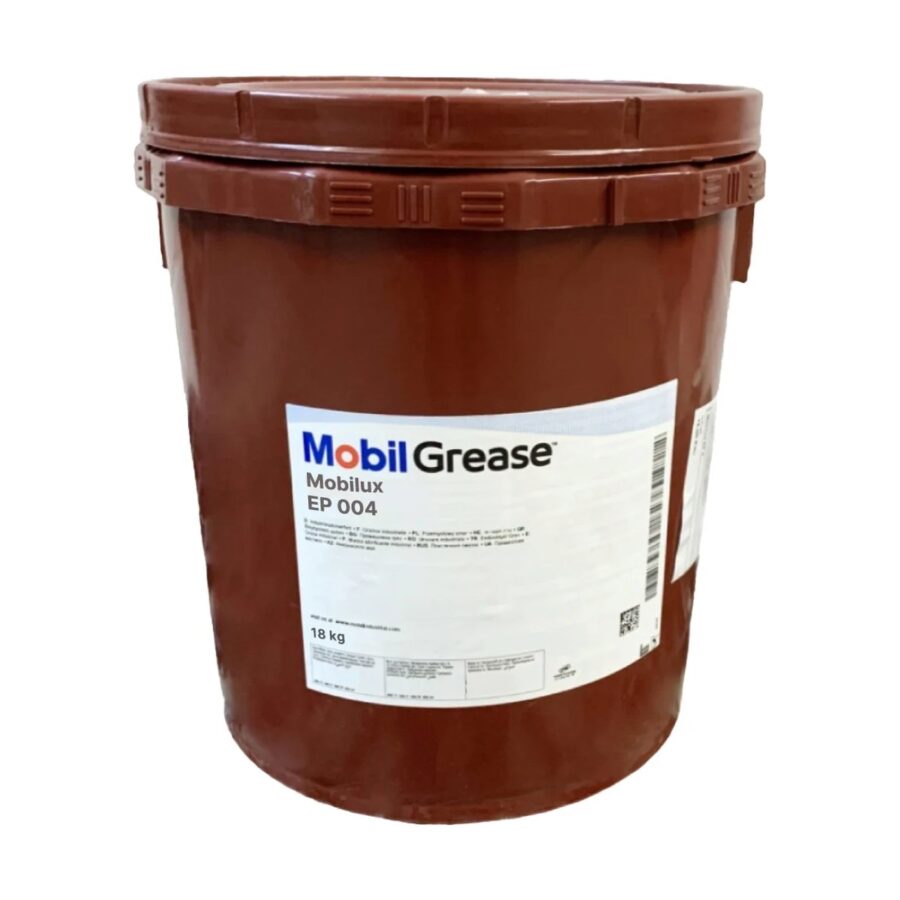
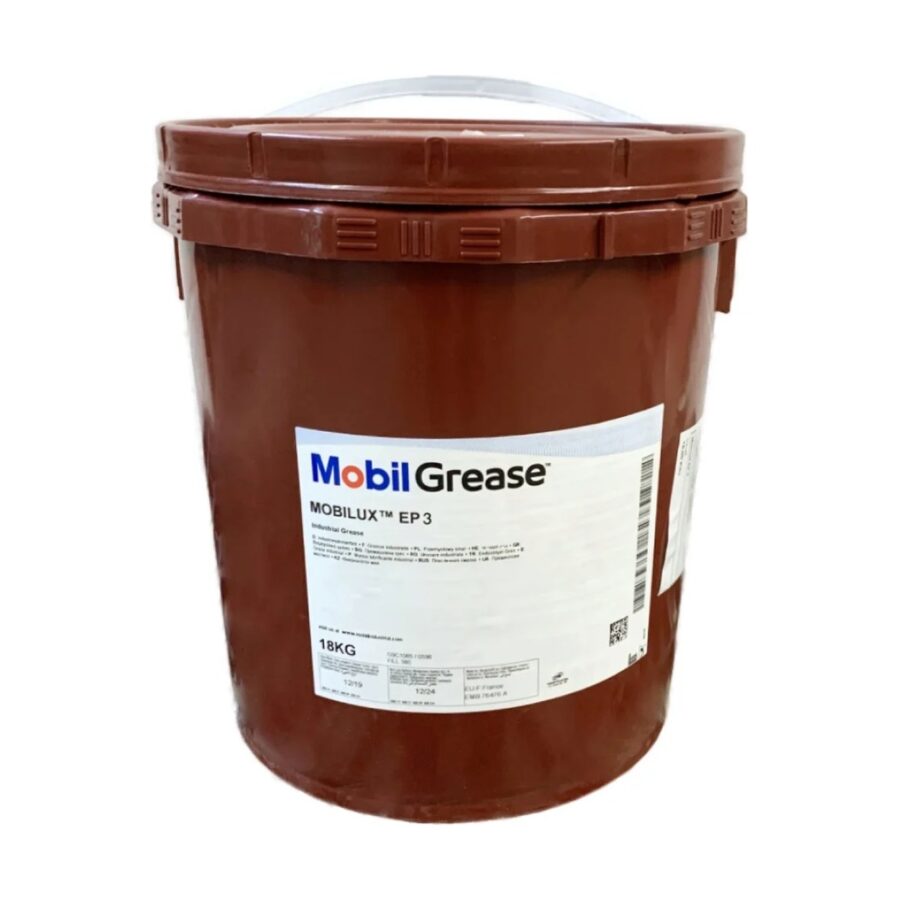
| Buckets (16 – 25 kg) | High consumption, central lubrication systems |
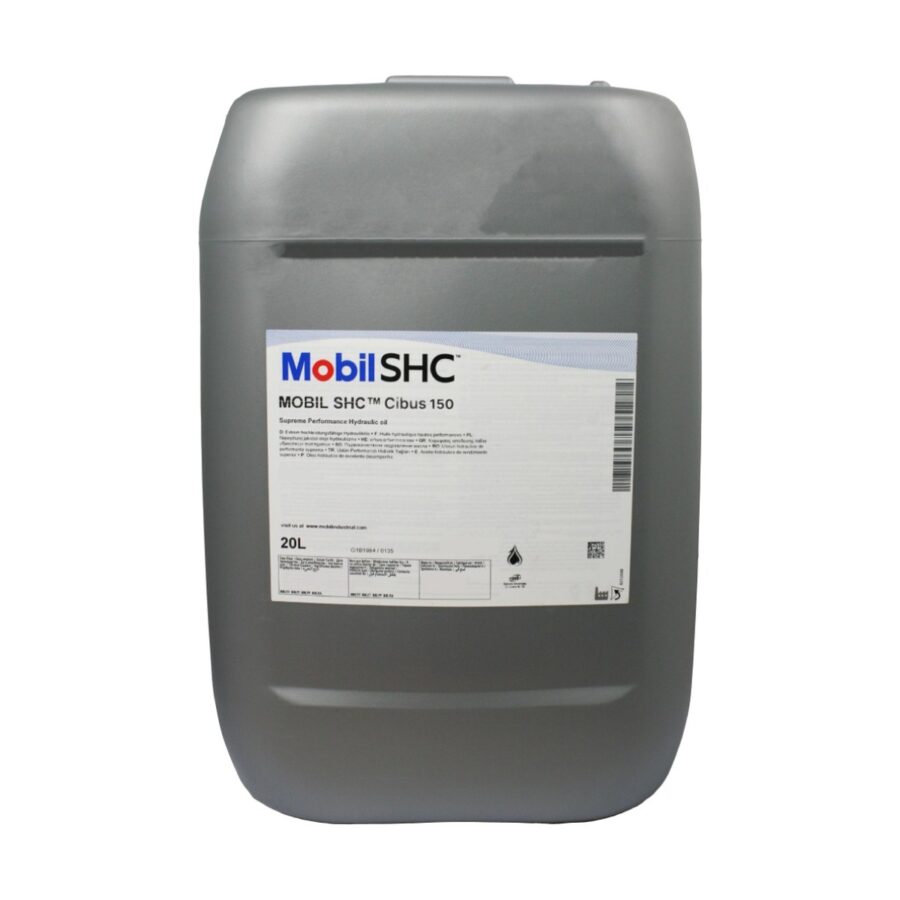
| Canisters (20 L) | Oils for gearboxes, hydraulics, small systems |
| Drums (208 L) and IBCs | Large systems and high consumption |
5. Lead times and stock
Common products such as general-purpose greases and standard hydraulic oils are usually available quickly. Speciality products, such as some Kluber greases, PFPE greases, food-grade pastes and less common viscosity grades, may need longer lead times. Identify critical products and agree on stock levels with your supplier or hold safety stock yourself. For planned shutdowns, order well ahead.
6. Price vs value
The cheapest lubricant can be the most expensive if it fails early, needs more frequent changes or causes downtime. Compare suppliers on:
- Correct, original product and documents.
- Availability and reliable lead times.
- Technical support: help with selection, equivalents and problems.
- Pack size options.
- Delivery to your sites.
- Total cost of ownership, including intervals and failures.
7. Avoid unapproved substitutions
When a product is out of stock, suppliers sometimes offer alternatives. Treat every substitution as a technical change: compare data sheets, check compatibility and approvals, and get maintenance approval before accepting. See finding lubricant equivalents safely.
8. Receiving and storage
- Check the product name, grade and quantity against the order.
- Check packaging is original, sealed and undamaged.
- Record batch numbers for critical products.
- Store indoors in a cool, dry area, off the floor.
- Keep food-grade products separate.
- Use first-in, first-out stock rotation.
See grease storage and shelf life.
9. Consolidate where possible
Buying fewer products in larger volumes reduces cost, simplifies stock and reduces mistakes. A lubricant survey often reveals many products doing the same job. See lubricant consolidation.
10. Building a supplier relationship
A good lubricant supplier is more than a source of products. Look for one that understands your equipment, helps choose products, supplies documents promptly, advises on storage and handling, and responds quickly when something goes wrong. Share your annual consumption forecast so the supplier can plan stock.
How do you write a good request for quotation?
A clear request for quotation (RFQ) saves time on both sides and makes quotes comparable. List each product by full name and grade, the pack size and quantity, the delivery location and required date, the documents you need with the quote and with delivery, and whether alternatives are acceptable. If alternatives are acceptable, ask suppliers to state clearly when they offer one, with its data sheet, so your engineers can review it. Ask for the validity period of prices and the expected lead time for each line.
Annual agreements and forecasts
Plants with steady consumption often benefit from annual or framework agreements: agreed products, prices and lead times for the year, with call-off orders as needed. Share a consumption forecast with your supplier, including planned shutdowns and project start-ups, so stock can be planned. Review the agreement each year against actual consumption, and update it when products or equipment change.
Lubricants for projects and new equipment
New plants and major projects need first-fill lubricants for equipment, often in large quantities and at short notice during commissioning. Collect the lubricant requirements from each equipment maker early, consolidate them into a project lubricant list, check availability and lead times, and agree a delivery plan with your supplier. This avoids commissioning delays and prevents a long list of different products from entering the plant on day one.
Buying for multiple sites across the GCC
Companies with plants in several GCC countries often benefit from a common lubricant list and framework agreements, so all sites use the same approved products. Check import and documentation requirements for each country, and plan logistics and lead times accordingly.
Delivery, handling and site rules
Agree delivery details in advance: site address and access hours, gate passes, unloading equipment for drums and pallets, and any site safety rules for drivers. Heavy drums and IBCs need forklifts or pallet trucks; small packs may arrive by courier. Ask for delivery notes that list product names, grades, quantities and batch numbers, so receiving checks are quick. For remote sites, plan consolidated deliveries to reduce transport costs.
Disposal of used lubricants
Plan for the end of the lubricant’s life too. Used oils and greases must be collected and disposed of through licensed waste contractors in line with local environmental rules. Keep used oil separate from other waste and record quantities.
A worked example: a manufacturing group
A manufacturing group with three plants in the UAE buys lubricants from several suppliers, with different products for the same job at each site. Procurement and maintenance agree on a common list of 14 products, specify exact grades and documents, set stock levels for critical items and consolidate orders. Purchasing becomes simpler, prices improve with volume and the plants no longer run short of speciality greases.
What are the most common mistakes?
- Ordering by generic description instead of exact product name.
- Accepting substitutes without technical approval.
- Buying large packs of products used rarely.
- Ignoring lead times for speciality products.
- Storing lubricants outdoors in the heat.
Frequently asked questions
Can you supply both Kluber and Mobil products?
Yes. We supply Kluber and Mobil industrial lubricants across the UAE, GCC, Middle East and Africa. Send us your list for a quote.
Do you supply documents?
Yes. Ask for TDS, SDS and any registrations or certificates you need when you request a quote.
What pack sizes are available?
Each product page lists the sizes we supply, from tubes and cartridges to buckets and canisters.
How can I check a product is original?
Buy from a supplier who can show traceable sourcing, supplies original sealed packaging with batch numbers and provides current documents.
Can you help us find an equivalent?
Yes. Send us the product you use now and the application, and we will propose a suitable grade.
Do you deliver outside the UAE?
Yes. We supply customers across the GCC, Middle East and Africa. Tell us the delivery location when you request a quote, and we will confirm options and lead times.
Conclusion
Buying industrial lubricants well means defining exactly what you need, insisting on original, documented products, choosing sensible pack sizes, planning lead times, controlling substitutions and storing products correctly. Send us your requirements through our request a quote form.
Need help applying this to your plant? Send us the equipment details or the product you use now and we will recommend a suitable Kluber or Mobil grade: request a quote and we reply within one business day.