Key takeaways
- Machine tools usually need separate oils for guideways, spindles and hydraulics.
- Slideway oils prevent stick-slip, giving smooth, accurate table movement and good surface finish.
- Hydraulic oils protect pumps but lack the friction properties guideways need.
- Good slideway oils separate from water-miscible coolant, protecting coolant life.
- Label each fill point; mixing up machine-tool oils is a common and costly mistake.
A typical CNC machining centre has several lubrication systems: guideways and ball screws, the spindle, the hydraulic unit, and sometimes gearboxes and tool changers. Using one oil for all of them may seem simpler, but it usually costs accuracy, surface finish and machine life. This guide explains the difference between slideway and hydraulic oils, and how to choose the right oil for each system.
The lubrication systems in a machine tool
| System | What it does | Typical lubricant |
|---|---|---|
| Guideways (slideways) | Support and guide moving tables, saddles and columns | Slideway oil |
| Ball screws and linear guides | Convert rotation into precise linear motion | Slideway oil or grease per maker |
| Spindle | Rotates the tool or workpiece at high speed | Spindle grease or spindle oil |
| Hydraulic unit | Clamping, tool change, counterbalance | Anti-wear hydraulic oil |
| Gearboxes | Speed changes in some machines | Gear oil |
| Coolant system | Cools and lubricates the cut | Metalworking fluid (separate product) |
What do slideways need from an oil?
Guideways move slowly under load and must start and stop precisely. At low speed, a plain oil film breaks down and the moving part sticks, then suddenly jumps forward when the drive force overcomes static friction. This “stick-slip” causes chatter marks, poor surface finish and loss of positioning accuracy.
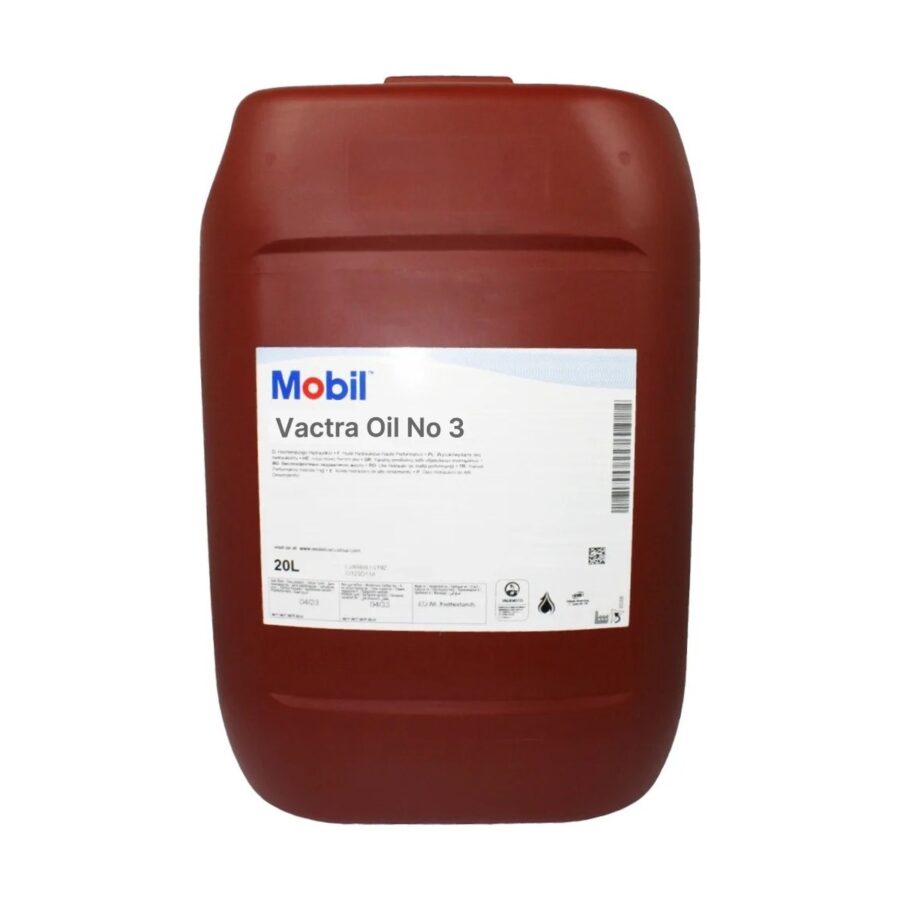
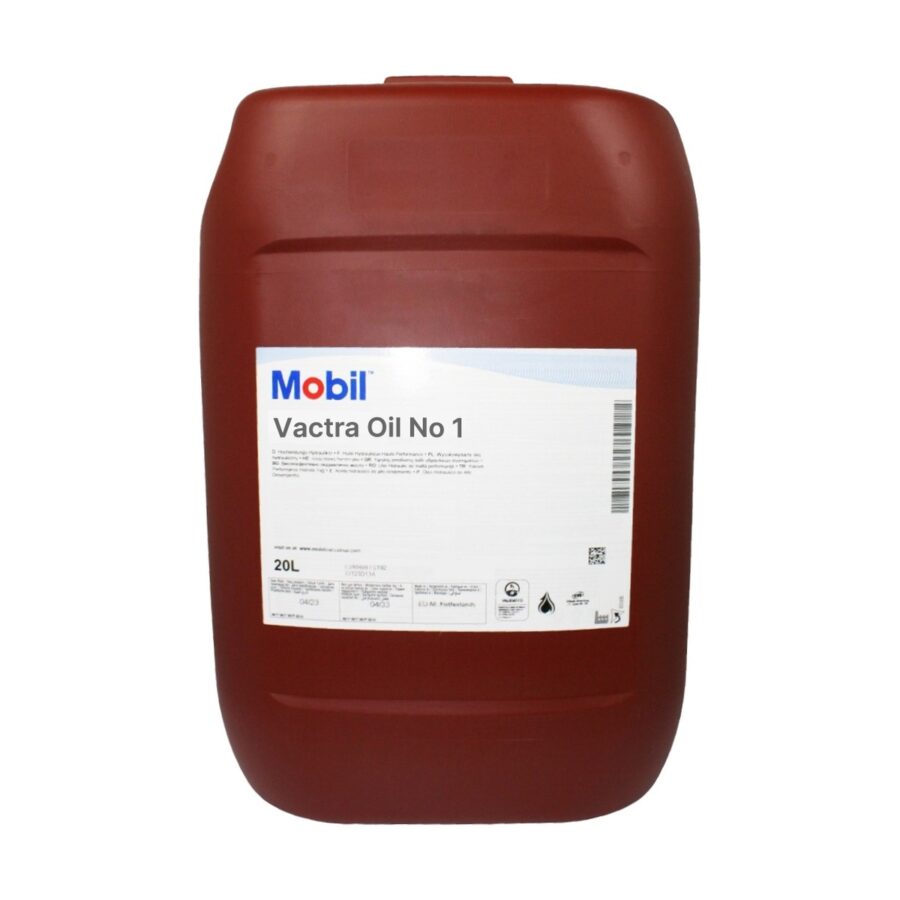
Slideway oils such as Mobil Vactra are formulated with friction modifiers that make static and dynamic friction similar, so motion stays smooth. They also contain tackiness agents that keep the oil on vertical and inclined ways, and EP/anti-wear additives that protect heavily loaded ways.
What do machine-tool hydraulic systems need?
Hydraulic oils protect pumps and valves from wear, release air quickly, separate water, resist oxidation and filter cleanly. They are not designed to prevent stick-slip, and they lack the tackiness needed on vertical ways. Using hydraulic oil on slideways can lead to poor finish and faster way wear.
Slideway oil vs hydraulic oil at a glance
| Property | Slideway oil | Hydraulic oil |
|---|---|---|
| Stick-slip prevention | Yes (friction modifiers) | Not designed for it |
| Tackiness / adhesion | Yes | Low |
| Anti-wear for pumps | Some | Yes (primary purpose) |
| Air release | Secondary | Important |
| Coolant separation | Important | Not relevant |
| Typical ISO VG | 32–220 | 32–68 |
Why is coolant contamination a problem?
Slideway oil inevitably leaks into the water-miscible coolant. A good slideway oil separates from the coolant so it floats and can be skimmed off; one that emulsifies into the coolant shortens coolant life, encourages bacterial growth and causes odours and skin problems. If coolant life is a recurring problem, check how well your slideway oil separates from your coolant, and use skimmers or coalescers.
Conversely, coolant can wash slideway oil off the ways. Slideway oils with good resistance to coolant wash-off keep the ways protected.
Spindle oils and greases
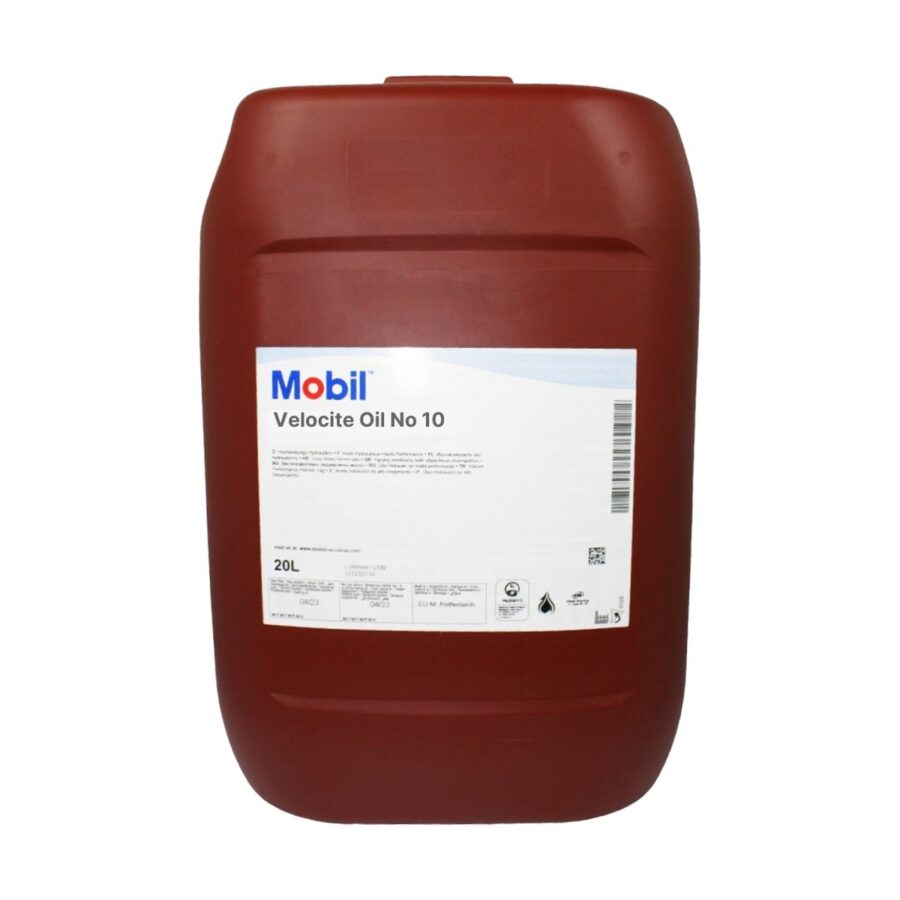
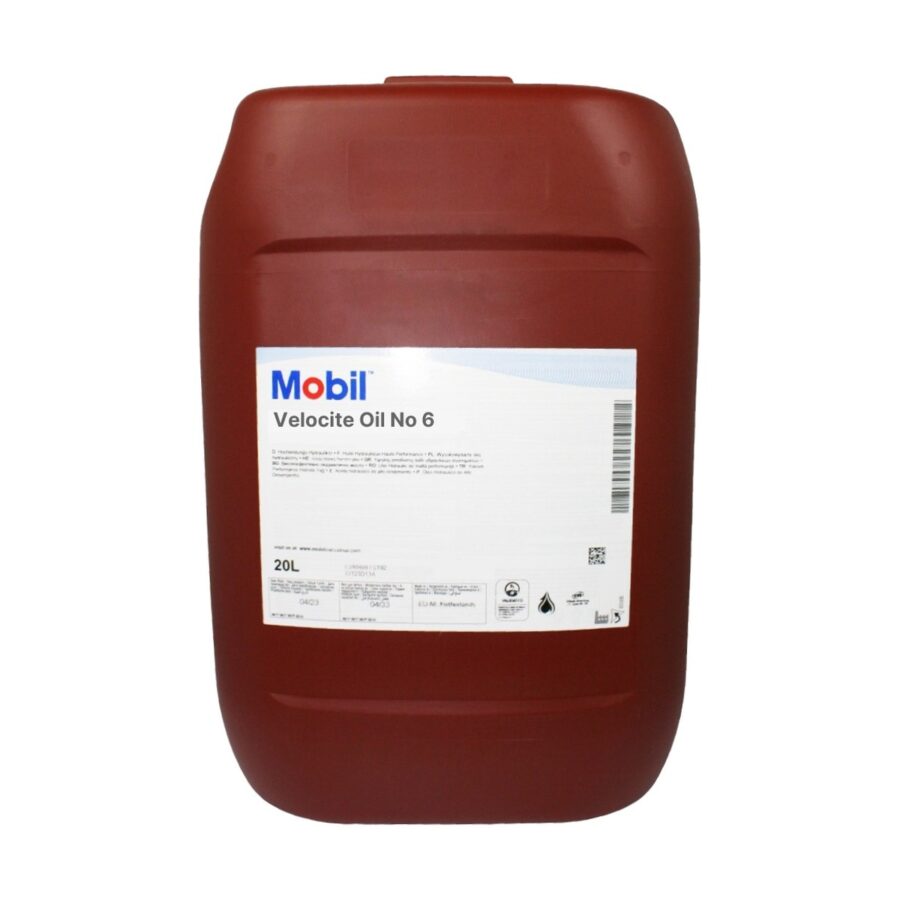
Spindles run at very high speeds with tight clearances. Oil-lubricated spindles (oil-mist, oil-air or circulation) need very low-viscosity, clean spindle oils such as Mobil Velocite Oil No. 4, No. 6 or No. 10. Grease-lubricated spindles use specialised spindle greases such as Kluber ISOFLEX NBU 15. Follow the spindle maker’s specification exactly; the wrong lubricant can destroy a spindle quickly.
Choosing the right oils
| System | Product type | Examples in our range |
|---|---|---|
| Guideways | Slideway oil | Mobil Vactra Oil No. 1 or No. 3 |
| Oil-lubricated spindle | Spindle oil | Mobil Velocite Oil No. 4, 6 or 10 |
| Grease-lubricated spindle | Spindle grease | Kluber ISOFLEX NBU 15 / NCA 15 |
| Hydraulics | Anti-wear hydraulic oil | Mobil DTE 20 Ultra / DTE 10 Excel |
Choose the viscosity grade the machine maker specifies. Lighter slideway grades suit smaller machines and horizontal ways; heavier grades suit larger machines, heavy tables and vertical ways.
Combined oils: when are they acceptable?
Some machine makers allow a single oil for slideways and hydraulics, using products formulated for both duties. Only use a combined oil if the machine maker explicitly permits it; otherwise, use separate products.
Maintaining machine-tool lubrication
- Check slideway oil reservoir levels daily and refill with the correct oil.
- Check that automatic way lubrication systems are delivering oil to each point.
- Label every fill point with the product name.
- Monitor coolant concentration and tramp oil; skim regularly.
- Change hydraulic oil and filters per schedule or on condition.
- Follow the spindle maker’s maintenance instructions exactly.
How do GCC workshop conditions affect machine tools?
Hot workshops raise oil temperatures, which thins slideway and hydraulic oils and speeds oxidation. Dust from nearby processes contaminates way covers and reservoirs. Keep way covers and wipers in good condition, keep reservoirs closed, and monitor hydraulic oil temperatures in summer.
Checking the way lubrication system
Most CNC machines lubricate their guideways and ball screws through an automatic system: a small pump, a reservoir and metering units that deliver small doses at set intervals. If any part of it fails, the ways run dry and wear quickly. Simple checks prevent this:
- The reservoir level drops at a steady, expected rate.
- The pump cycles and builds pressure (check the gauge or alarm).
- Oil reaches the far ends of the ways; look for a light oil film on exposed surfaces.
- Metering units are not blocked; oil is not pooling at one point only.
- The machine’s lubrication alarm is working and not bypassed.
What is stick-slip?
Every surface has two friction values: static friction, when it starts to move, and dynamic friction, once it is moving. With plain oils, static friction is higher. When the drive pushes a table, it first has to overcome the higher static friction; once the table moves, friction drops and the table jumps forward. At slow feed rates this happens repeatedly, causing a jerky motion. Slideway oils reduce the gap between static and dynamic friction, so the table moves smoothly even at very low speeds, which is essential for fine finishing passes and precise positioning.
A worked example
A job shop notices chatter marks on finishing passes and positioning errors on one machining centre. Investigation finds that, during a busy week, the slideway reservoir was topped up with hydraulic oil because both oils were stored in identical unlabelled containers. After flushing the way lubrication system, refilling with the correct slideway oil and labelling the containers and fill points, the surface finish returns to normal. The shop also adds the slideway reservoir check to the operators’ daily start-up routine.
Typical maintenance schedule
| Frequency | Task |
|---|---|
| Daily | Check slideway oil level and lubrication alarm; check hydraulic oil level |
| Weekly | Check coolant concentration and skim tramp oil; inspect way wipers |
| Monthly | Check hydraulic oil temperature trends; clean filters as needed |
| Per schedule or condition | Change hydraulic oil and filters; service spindle per maker |
Storing and handling machine-tool oils
Most machine-tool mix-ups happen at the storage shelf: slideway oil, hydraulic oil and spindle oil often come in similar containers and look alike. Store each product in clearly labelled containers, use separate, labelled top-up cans or pumps, and match label colours or symbols to labels on each machine’s fill points. Keep containers closed to stop dust and metal fines from the workshop getting in.
What are the signs your slideway oil is not working?
Watch for chatter marks on finishing passes, positioning errors at low feed rates, dry or rusty way surfaces, excessive slideway oil in the coolant, and a reservoir level that does not drop (blocked system) or drops far too fast (leak or wrong setting). Each of these points to a lubrication problem worth checking before way wear sets in.
Questions to ask before choosing
- What viscosity grade does the machine maker specify for the ways, spindle and hydraulics?
- Does the maker permit a combined slideway and hydraulic oil?
- Which coolant is used, and how well does the slideway oil separate from it?
- Are the ways horizontal, vertical or inclined?
- Is the spindle grease- or oil-lubricated?
What are the most common mistakes?
- Filling the slideway reservoir with hydraulic oil.
- Using one oil for every system without the machine maker’s approval.
- Ignoring tramp oil in the coolant.
- Using a general grease in a high-speed spindle.
- Not labelling fill points.
See our machine-tool oils and machine-tool industry page.
Frequently asked questions
Can I use slideway oil in the hydraulic system?
Only if the machine maker allows a combined oil. Otherwise use the oils specified for each system.
Which Vactra grade do I need?
Use the machine maker’s viscosity recommendation; lighter grades suit smaller machines and horizontal ways, heavier grades larger machines and heavy tables.
What causes chatter marks on machined parts?
Stick-slip on the guideways is one cause; others include tool wear, vibration and cutting conditions. Check that the correct slideway oil is used and delivered.
Why does my coolant smell bad?
Tramp oil, including leaked slideway oil, feeds bacteria. Use slideway oils that separate well and skim tramp oil regularly.
What oil goes in a high-speed spindle?
The specific spindle oil or grease the spindle maker specifies, such as Mobil Velocite oils or Kluber ISOFLEX spindle greases.
How often should slideway oil be topped up?
Most machines consume slideway oil continuously through the automatic system, so the reservoir is checked daily and topped up with the correct product as needed.
Conclusion
Machine tools need the right oil in each system: slideway oil for smooth, accurate guideway movement, spindle oil or grease for high-speed spindles, and anti-wear hydraulic oil for the hydraulics. Label every fill point, control tramp oil in the coolant, and follow the machine maker’s specifications. The result is better surface finish, longer machine life and longer coolant life.
Need help applying this to your plant? Send us the equipment details or the product you use now and we will recommend a suitable Kluber or Mobil grade: request a quote and we reply within one business day.