Key takeaways
- Turbine and circulating oils are designed for long life in large systems, not for extreme pressure.
- Key properties: oxidation stability, water separation, air release, rust protection and filterability.
- Use the grade and approvals the turbine or equipment maker specifies, typically ISO VG 32–68 for turbines.
- Varnish and sludge are the main threats; control temperature, contamination and oxidation.
- A regular oil analysis programme is essential to judge remaining oil life.
Steam and gas turbines, large compressors, pumps and paper machines often use central oil systems holding thousands of litres of oil. That oil lubricates bearings and sometimes gears, removes heat, and in many turbines also acts as the hydraulic control fluid. Because changing such large volumes is costly, these oils are expected to stay in service for years. That requires a very different formulation from gear or hydraulic oils.
Where are circulating oils used?
- Steam and gas turbine lubrication and control systems.
- Large centrifugal compressors and blowers.
- Large pumps and fans with oil-lubricated bearings.
- Paper machine bearings (dryer and press sections).
- Rolling mill and other large-plant bearing systems.
What properties do turbine and circulating oils need?
| Property | Why it matters |
|---|---|
| Oxidation stability | Resists breaking down into acids, sludge and varnish over years at elevated temperature |
| Water separation (demulsibility) | Water from steam leaks or condensation must separate quickly to be drained |
| Air release | Entrained air reduces lubrication, causes cavitation and affects control accuracy |
| Foam control | Surface foam can overflow reservoirs and cause pump problems |
| Rust and corrosion protection | Protects bearings, gears and control components |
| Filterability | Oil must pass fine filters without losing additives |
| Thermal stability | Resists deposits in hot bearing areas |
Choosing a grade
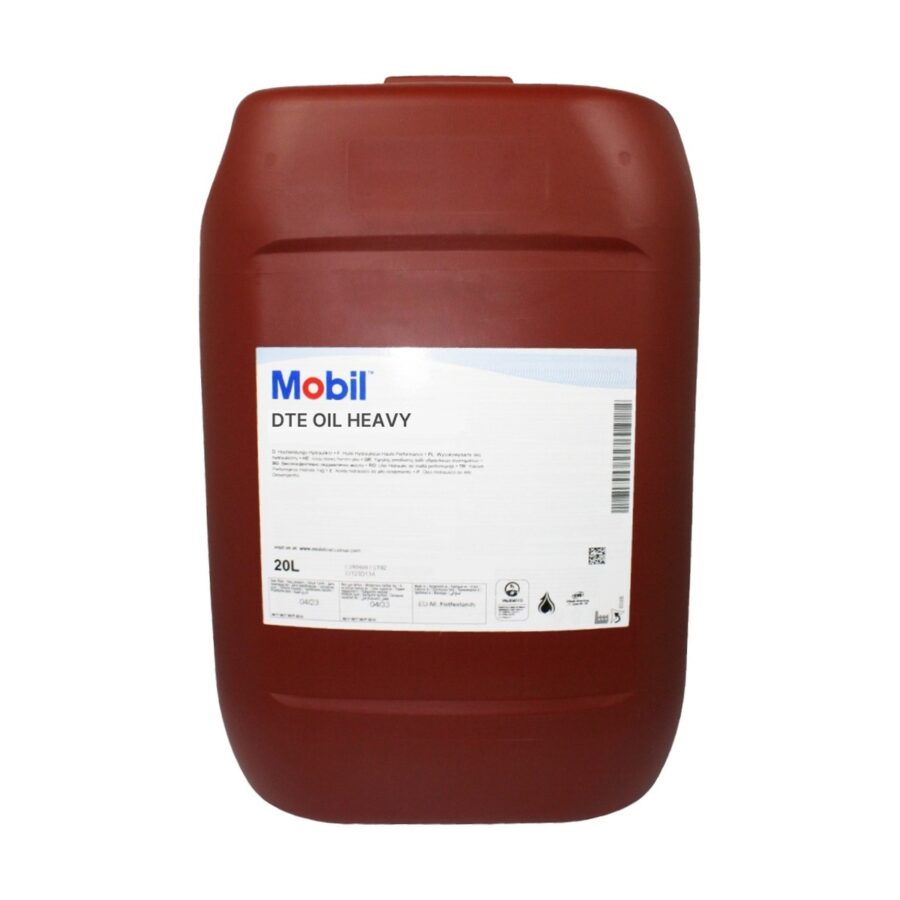
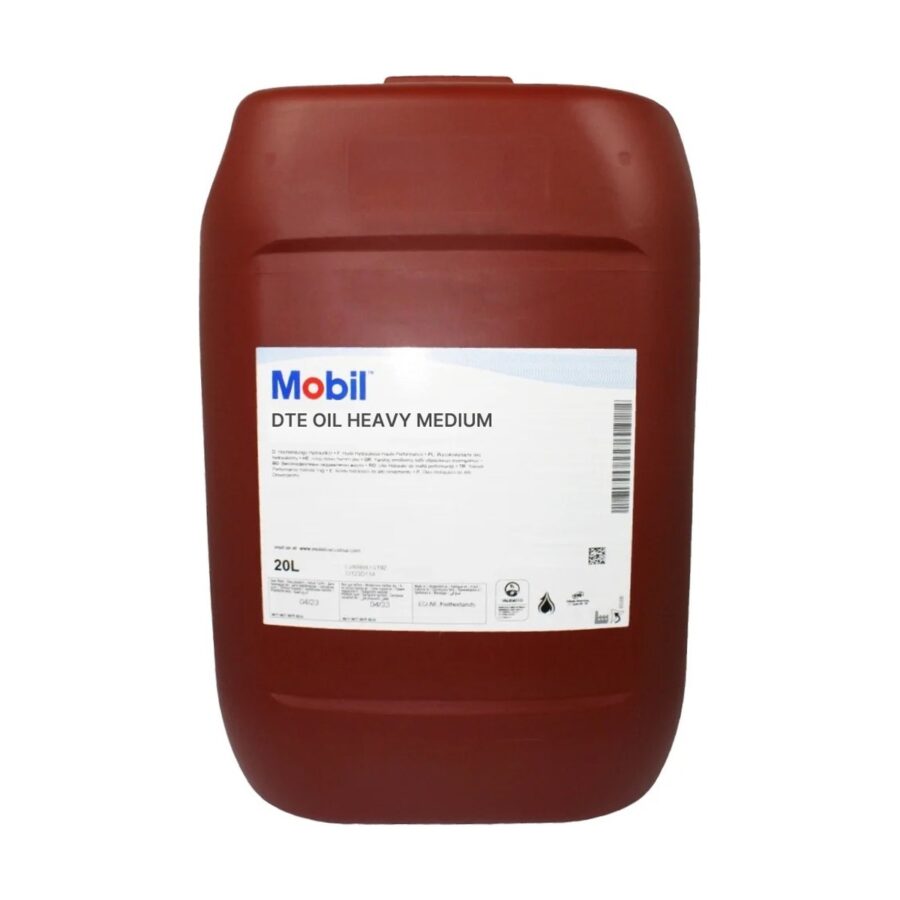
Turbine oils are typically ISO VG 32, 46 or 68, chosen by the turbine maker based on bearing design and speed; circulating systems for slower or more heavily loaded bearings may use higher grades. Mobil DTE Oil Light, Medium, Heavy Medium and Heavy cover a range of viscosities for turbines, compressors, pumps and bearing systems. Always use the grade and approvals the equipment maker specifies; many turbine makers maintain approval lists.
See ISO VG grades explained and our circulating and turbine oils.
How do steam and gas turbine oils differ?
Steam turbines face water contamination from steam leaks and gland seals, so demulsibility and rust protection are especially important. Gas turbines run hotter bearings and expose the oil to higher temperatures, so oxidation and thermal stability, and resistance to varnish formation, are critical. Combined-cycle plants may use oils designed for both duties.
Why is varnish a hidden threat?
Varnish is a thin, sticky deposit formed from oil degradation products. It builds up on servo valves, bearings and heat-exchanger surfaces, causing valve sticking, higher bearing temperatures and trips. Varnish forms from oxidation and thermal stress, often in hot spots, and is not always visible in the bulk oil. Tests such as membrane patch colorimetry (MPC) help detect varnish potential before deposits cause problems. Varnish removal systems and correct oil selection reduce the risk.
Water contamination
Water in turbine oil promotes rust, accelerates oxidation, depletes additives and reduces film strength. Drain free water regularly from reservoir bottoms, maintain gland seals, and use centrifuges or vacuum dehydrators when needed. See water contamination in oil.
Building an oil analysis programme
| Test | What it tells you |
|---|---|
| Viscosity | Contamination or degradation |
| Acid number (AN) | Oxidation and additive depletion |
| Water content | Leaks and condensation |
| RPVOT (oxidation stability test) | Remaining oxidation life |
| RULER (antioxidant content) | Remaining antioxidant level |
| MPC (varnish potential) | Risk of varnish deposits |
| Particle count (ISO 4406) | Cleanliness |
| Demulsibility and foam tests | Water and air handling performance |
Sample regularly (often monthly or quarterly for critical turbines), trend results and set alarm limits with your oil laboratory and turbine maker. Trends tell you when to treat, top up, or plan an oil change long before problems appear.
Top-ups and oil life
Turbine systems lose some oil through leaks and evaporation and are topped up regularly. Top-ups with the same fresh oil replenish additives and help extend overall oil life. Never top up with a different product without checking compatibility, as mixed additive systems can reduce performance or cause deposits.
Filtration and conditioning
- Maintain full-flow and kidney-loop filtration.
- Use centrifuges or vacuum dehydrators to remove water.
- Consider varnish-removal systems for gas turbines prone to deposits.
- Keep reservoir breathers in good condition.
- Monitor filter differential pressures.
Temperature control
Oxidation accelerates with temperature. Keep bearing drain temperatures and reservoir temperatures within the turbine maker’s limits, maintain oil coolers, and investigate any rising bearing temperatures. In GCC power and desalination plants, where cooling water and ambient temperatures are high in summer, cooler performance needs regular attention.
Commissioning and flushing
New turbine installations and major overhauls require thorough flushing to remove construction debris and contaminants before the operating oil is filled. Flushing procedures and cleanliness targets are normally set by the turbine maker. Starting with a clean system greatly extends oil life.
Turbine lubrication system components
| Component | Role | Maintenance focus |
|---|---|---|
| Reservoir | Holds oil, allows air and water to separate | Drain water, check level, breathers |
| Pumps (main, auxiliary, emergency) | Supply oil to bearings and controls | Pressure, vibration, standby testing |
| Coolers | Remove heat from the oil | Fouling, temperatures, leaks |
| Filters | Remove particles | Differential pressure, change-outs |
| Bearings | Support the rotor | Drain temperatures, vibration |
| Control oil system | Operates valves and actuators | Cleanliness, varnish, valve response |
Worked example: rising bearing temperatures
A combined-cycle plant notices gas turbine bearing temperatures creeping up over several months, and a servo valve begins to respond sluggishly. Oil analysis shows a normal viscosity and acid number but a high varnish potential (MPC). Deposits are forming in hot zones even though the bulk oil still looks fine. The plant installs a varnish-removal unit, checks cooler performance, and increases the sampling frequency. Bearing temperatures stabilise and valve response returns to normal, avoiding an unplanned trip.
Oil change or oil treatment?
When analysis shows declining antioxidant levels or rising varnish potential, there are three options: top up with fresh oil to replenish additives, treat the oil (filtration, dehydration, varnish removal), or replace the charge. The right choice depends on the remaining oxidation life, contamination level and the cost of an outage. Trends from regular analysis, and advice from the oil supplier and turbine maker, make this decision much easier.
How do GCC power and desalination plants affect turbine oil?
High cooling-water and ambient temperatures in summer reduce cooler capacity, so turbine oil runs hotter and ages faster. Humid coastal air and steam leaks add water. Plants in the region benefit from pre-summer cooler cleaning, close monitoring of bearing drain temperatures and more frequent oil sampling during the hottest months.
Compressors and pumps on circulating oils
Large centrifugal compressors and pumps often share a lubrication system with their drivers, or have their own. The same principles apply: use the oil the compressor maker approves, keep water and particles out, control temperature and monitor by analysis. For reciprocating and screw compressors, dedicated compressor oils are usually required; do not assume a turbine or circulating oil is suitable without approval.
Storage and handling of turbine oil
Turbine oil systems are only as clean as the oil that goes into them. Store new turbine oil indoors in sealed containers, use dedicated, clean transfer equipment, and filter top-up oil through a filter cart before it enters the reservoir. Contamination introduced during top-ups is a common, avoidable source of particles and water. Keep a small dedicated stock of the approved oil for each turbine so emergency top-ups never use a different product.
Questions to ask your oil supplier
- Is the oil approved by my turbine maker?
- What are its oxidation (RPVOT) and demulsibility values when new?
- How does it perform in varnish tests?
- Is it compatible with the oil currently in the system?
- What analysis limits do you recommend for my application?
What are the most common mistakes?
- Topping up with a different product.
- Ignoring varnish potential until valves stick.
- Letting free water accumulate in reservoirs.
- Sampling irregularly or from the wrong point.
- Running coolers below capacity in summer.
Frequently asked questions
Why does turbine oil form varnish?
Oxidation and thermal stress create degradation products that can deposit as varnish on valves and bearings. Good oil, temperature control and monitoring reduce the risk.
Can I use hydraulic oil in a turbine?
No, unless the turbine maker approves it. Turbine oils are formulated for long oxidation life and water separation.
How long does turbine oil last?
Well-maintained turbine oils can last many years. Oil analysis is the best way to judge remaining life.
What is RPVOT?
The Rotating Pressure Vessel Oxidation Test, which measures an oil’s remaining resistance to oxidation.
Why is my turbine oil foaming?
Contamination, the wrong top-up oil, air leaks or additive depletion can cause foaming. Test and investigate.
How often should turbine oil be sampled?
Critical turbines are often sampled monthly or quarterly, with more frequent sampling when results start trending in the wrong direction or after upsets such as water ingress. Agree the frequency with your laboratory and the turbine maker.
Conclusion
Turbine and circulating oils are built for long life in large systems: oxidation stability, water separation and air release matter far more than extreme-pressure performance. Use the grade and approvals the equipment maker specifies, control temperature and contamination, and run a regular oil analysis programme that includes varnish and oxidation tests. Done well, a turbine oil charge can stay in service for many years.
Need help applying this to your plant? Send us the equipment details or the product you use now and we will recommend a suitable Kluber or Mobil grade: request a quote and we reply within one business day.