Key takeaways
- Many plants use two or three times more lubricants than they need, often several products for the same job.
- Consolidation reduces mix-ups, stock, purchasing effort and cost, and makes training and audits easier.
- Group lubrication points by requirement, then choose the smallest set of products that covers them safely.
- Never consolidate below what the equipment needs: OEM approvals, food-grade and special requirements stay.
- Change over carefully, label everything and keep control so the list does not grow again.
Walk into the lubricant store of a typical plant and you will often find a long list of products: three different NLGI 2 lithium greases from different brands, four hydraulic oils of the same viscosity, gear oils bought for individual machines years ago, and a few products nobody can identify. Each extra product adds a chance of using the wrong one, ties up money in stock and complicates purchasing and training. Lubricant consolidation reduces the list to the smallest set of products that meets every machine’s needs. This guide explains how to do it safely.
Why consolidate?
| Benefit | How it helps |
|---|---|
| Fewer mix-ups | Fewer similar products means less chance of the wrong one being used |
| Lower stock value | Fewer items, less safety stock, less expired product |
| Better prices | Larger volumes of fewer products |
| Simpler purchasing | Fewer suppliers, fewer orders |
| Easier training and labelling | A short list everyone knows |
| Easier audits | Fewer documents to manage |
Step 1: Survey every lubrication point
List every machine and lubrication point, with the product used, quantity, method and operating conditions: temperature, speed, load, water and dust, food-grade needs and OEM requirements. The survey is the foundation of consolidation and of a good lubrication schedule. See building a lubrication schedule.
Step 2: Group points by requirement
Group points with similar requirements, not by the products currently used. Typical groups include:
- General rolling bearings at normal temperatures (NLGI 2 EP grease).
- Hot or heavily loaded bearings (synthetic or high-viscosity EP grease).
- Electric motor bearings (motor grease).
- High-speed spindles (spindle grease).
- Enclosed gearboxes by ISO VG (e.g. 220, 320, 460).
- Hydraulic systems by ISO VG (e.g. 46, 68).
- Food-grade points (NSF H1 oils and greases).
- Special needs: high temperature, chemicals, pastes, chains.
Step 3: Choose the short list
For each group, choose one product that meets all its requirements. Where possible, choose products that cover several groups: for example, one synthetic gear oil family across several viscosity grades, or one hydraulic oil in one VG for most systems. A typical consolidated list for a medium-sized plant might be 10 to 20 products, compared with 30 to 60 before.
| Group | Example product |
|---|---|
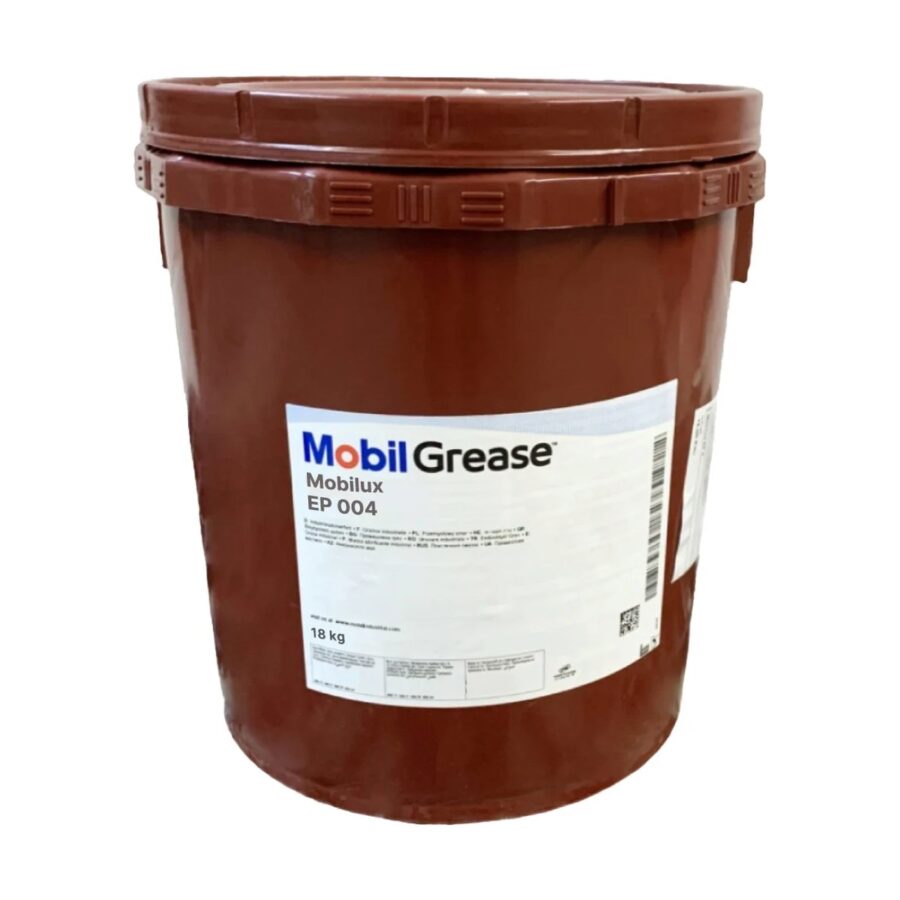
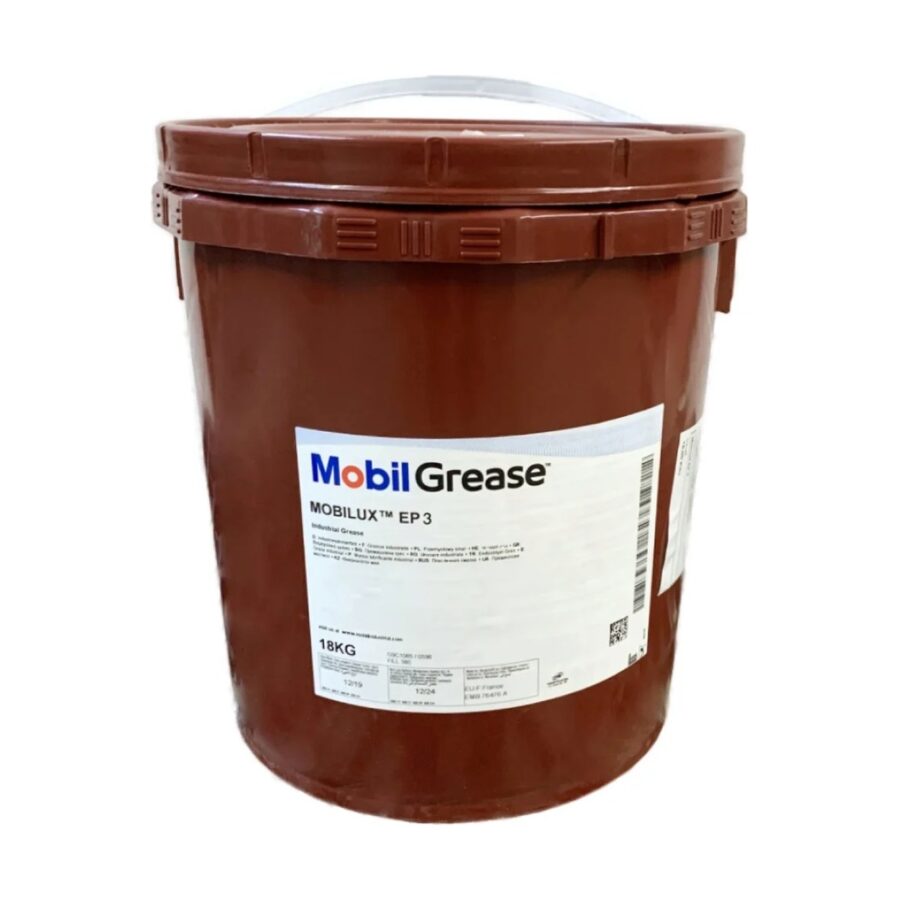
| General EP grease | Mobilux EP 2 |
| Synthetic EP grease | Mobilith SHC 220 |
| Motor grease | Mobil Polyrex EM |
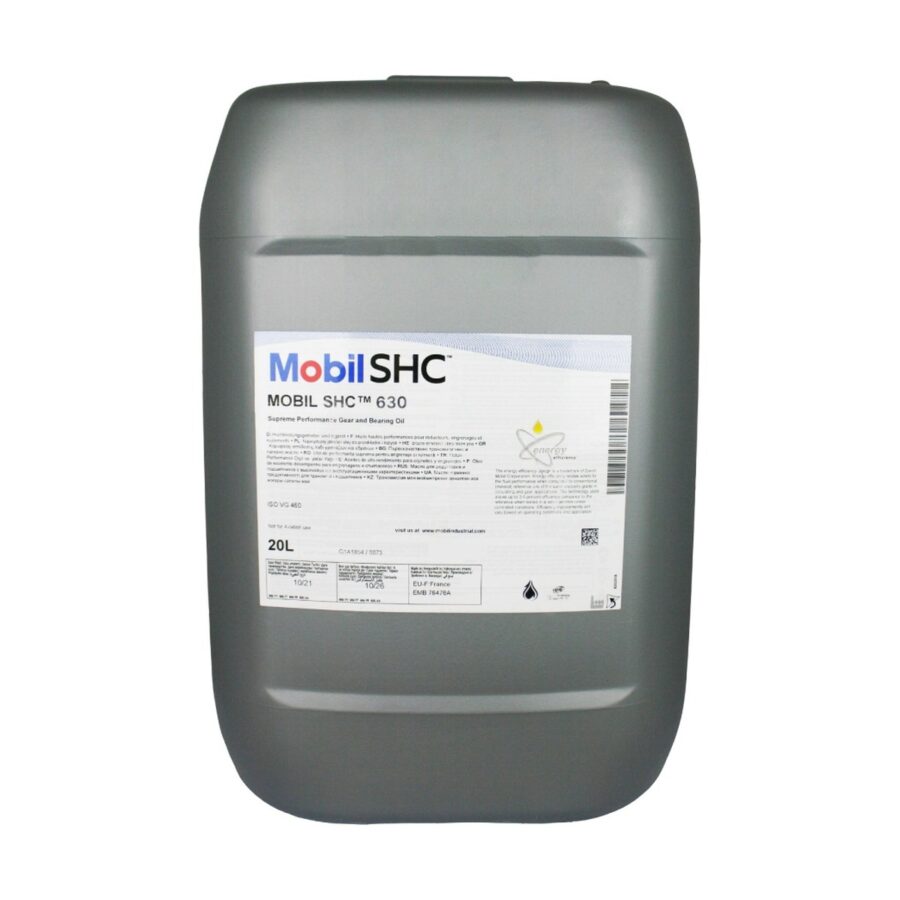
| Gear oil VG 220 (synthetic) | Mobil SHC 630 |
| Gear oil VG 220 (mineral) | Mobilgear 600 XP 220 |
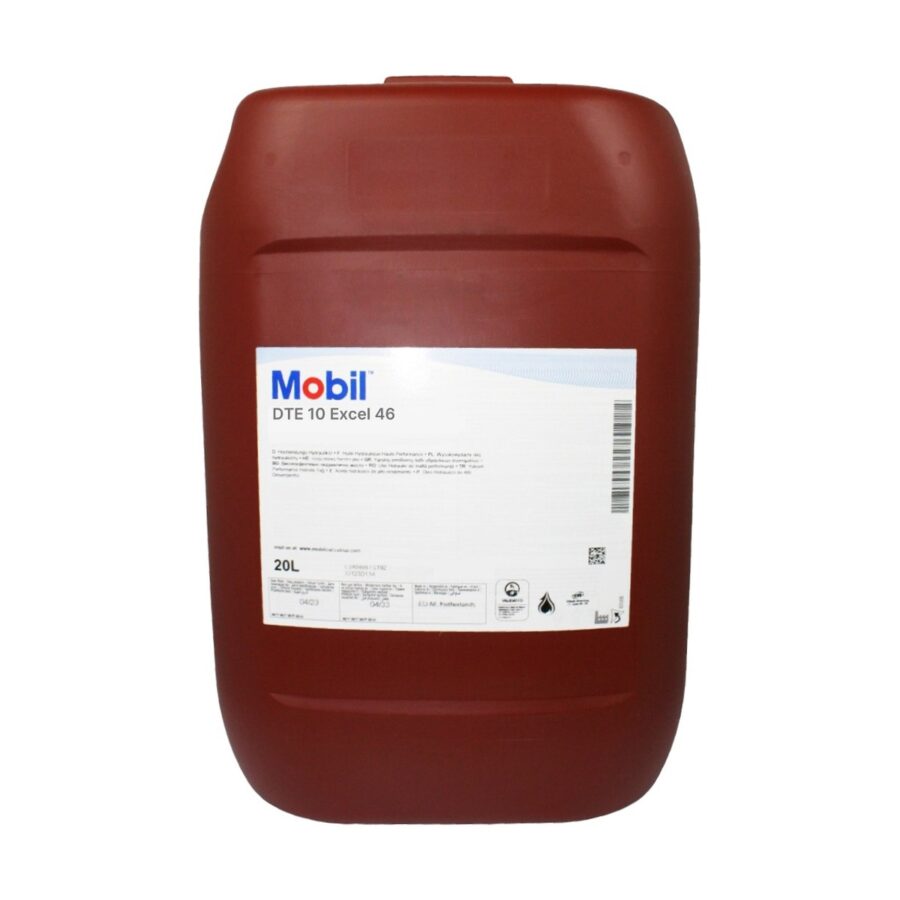
| Hydraulic oil VG 46 | Mobil DTE 10 Excel 46 |
| High-temperature grease | PETAMO GY 193 or BARRIERTA L 55/2 |
| Food-grade oils | Mobil SHC Cibus (by VG) |
| Assembly paste | ALTEMP Q NB 50 |
This is an example only; your list depends on your equipment and conditions.
Step 4: Check the exceptions
Some points must keep a specific product: equipment under warranty with OEM-approved lubricants, turbines and compressors with strict OEM specifications, food-grade points, and special applications such as PFPE, silicone or PAG products. Do not force these into the consolidated list if it compromises the equipment.
Step 5: Check compatibility and plan changeovers
For each point that changes product, check compatibility between the old and new product. Greases with different thickeners and oils with different base oils may need cleaning or flushing. Plan changeovers machine by machine, often during planned maintenance. See grease compatibility and gear oil compatibility.
Step 6: Label, train and update
- Label every point with the new product and colour code.
- Label grease guns, containers and store shelves to match.
- Remove old products from the store.
- Update the lubrication schedule and CMMS.
- Train technicians and operators.
- Update purchase specifications.
Step 7: Keep control
Without control, the list grows again: new machines arrive with their own lubricants, suppliers offer alternatives and technicians bring “favourites”. Appoint an owner of the lubricant list, require approval for any new product, check new equipment before commissioning and review the list once a year.
Common opportunities to consolidate
Some patterns appear in almost every plant. Several NLGI 2 lithium or lithium complex EP greases from different brands can usually be reduced to one general EP grease and one synthetic EP grease for hot or heavily loaded points. Hydraulic oils in the same ISO VG from different brands can usually be reduced to one. Gear oils often come in many viscosity grades, but many gearboxes can share a smaller set of grades with the makers’ agreement. Small quantities of products bought for single machines years ago can often be replaced by products already on the list.
How do you build the business case for consolidation?
Consolidation needs time and some investment in changeovers, so it helps to build a business case. Include the reduction in stock value and expired product, the price benefit of larger volumes, the time saved in purchasing and stock management, and the reduction in mix-ups and related failures. Many plants find that one avoided failure caused by a wrong lubricant pays for the whole project. Present the case jointly from maintenance and procurement, since both benefit.
Working with suppliers on consolidation
A supplier with a broad range can help consolidation by proposing products that cover several requirements, checking compatibility and approvals, and supplying documents for the new list. Ask for a written proposal that maps each current product to its replacement, with the reasons and any exceptions, so your engineers can review it point by point. Our team can prepare this mapping for Kluber and Mobil products.
Consolidation and food-grade conversion
For food and beverage plants, consolidation is often combined with conversion to NSF H1 products throughout production areas. This reduces the list further, because H1 products replace both conventional and food-grade versions of the same lubricant. See building a food-grade lubrication programme.
Consolidation and condition monitoring
A shorter list makes oil analysis simpler, because laboratories can hold reference values for fewer products and alarms are easier to set. After changeovers, take samples to confirm that systems are clean and stable, and use the results to set drain intervals for the new products.
Measuring the result
- Number of products before and after.
- Stock value before and after.
- Purchase orders per year.
- Lubrication-related failures and mix-ups.
- Audit findings.
Consolidation in multi-site companies
Companies with several plants can consolidate across sites to a common list, with framework agreements and shared documents. This simplifies procurement, enables volume pricing and lets technicians move between sites without learning a new set of products.
How do you avoid over-consolidation?
The goal is the smallest suitable list, not the smallest possible one. Forcing one grease onto bearings with very different speeds, temperatures or loads, or one oil into systems with different viscosity needs, creates new failures. When in doubt, keep a separate product for a demanding group of points.
Communicating the change
Consolidation changes daily work for technicians, operators, storekeepers and buyers, so communicate it clearly. Explain why the plant is consolidating, show the new short list and colour codes, and walk through the changeover plan area by area. Put up charts in workshops and stores, brief contractors, and invite feedback from technicians, who often know which points cause problems. A change people understand is much more likely to stick than one imposed without explanation.
A worked example: a beverage plant
A beverage plant in the UAE surveys 820 lubrication points and finds 42 products. Grouping by requirement shows that 15 products can cover all points, including H1 products for every production area. Changeovers are done over four months during planned stops. The store holds far fewer items, mix-ups at the points stop, and annual lubricant spending falls thanks to larger volumes of fewer products.
What are the most common mistakes?
- Consolidating by brand preference rather than requirements.
- Ignoring OEM approvals and warranties.
- Changing products without checking compatibility.
- Leaving old products in the store.
- Letting new products creep back in without approval.
Frequently asked questions
How many products should a plant have?
It depends on the equipment, but many medium-sized plants can cover their needs with 10 to 20 products.
Can I use one grease for everything?
Usually not. Different temperatures, speeds and loads need different greases. Consolidate to the smallest suitable set.
Will consolidation affect warranties?
It can if OEM-approved products are replaced. Keep approved products where warranties require them.
How long does consolidation take?
A survey and plan can take a few weeks; changeovers are often spread over several months.
Can you help us consolidate?
Yes. Send us your product and machine lists, and we will propose a consolidated Kluber and Mobil list.
What happens to old stock after consolidation?
Use it up on points where it is still suitable and compatible, or dispose of it safely. Remove it from the store so it cannot be used by mistake.
Conclusion
Lubricant consolidation reduces mistakes, stock and cost while making training and audits easier. Survey every point, group by requirement, choose a short list, respect exceptions, change over carefully, label everything and keep control. Send us your current list through our request a quote form and we will propose a consolidated range.
Need help applying this to your plant? Send us the equipment details or the product you use now and we will recommend a suitable Kluber or Mobil grade: request a quote and we reply within one business day.